Since 2012, Côn Đảo has embraced an additional spiritual tradition: an annual memorial day honoring the tens of thousands of revolutionaries and civilians who perished over 113 years in the island’s prison system.
For generations, residents of Côn Đảo observed four major memorial ceremonies each year:
- the death anniversary of national heroine Võ Thị Sáu,
- the memorial of General Secretary Lê Hồng Phong,
- the memorial of patriot Nguyễn An Ninh, and
- the memorial of Lady Phi Yến.
Today, a fifth collective ceremony has become part of the island’s spiritual life—the Memorial Day for All Fallen Revolutionaries and Patriots, held annually on the 20th day of the 6th lunar month.
Why the 20th day of the 6th lunar month?
According to former political prisoner and historian Dr. Bùi Văn Toản, data collected from more than 3,200 documented inmate deaths reveal that August 1, 1942 (the 20th day of the 6th lunar month) was the single deadliest day in the history of Côn Đảo Prison, with 124 recorded deaths. The month of August 1942 alone saw 335 deaths, and the entire year 1942 witnessed 1,048 inmates perish.
With broad consensus among former political prisoners nationwide, this date was chosen as the collective memorial day for all those who died on Côn Đảo.
A Nationwide Pilgrimage
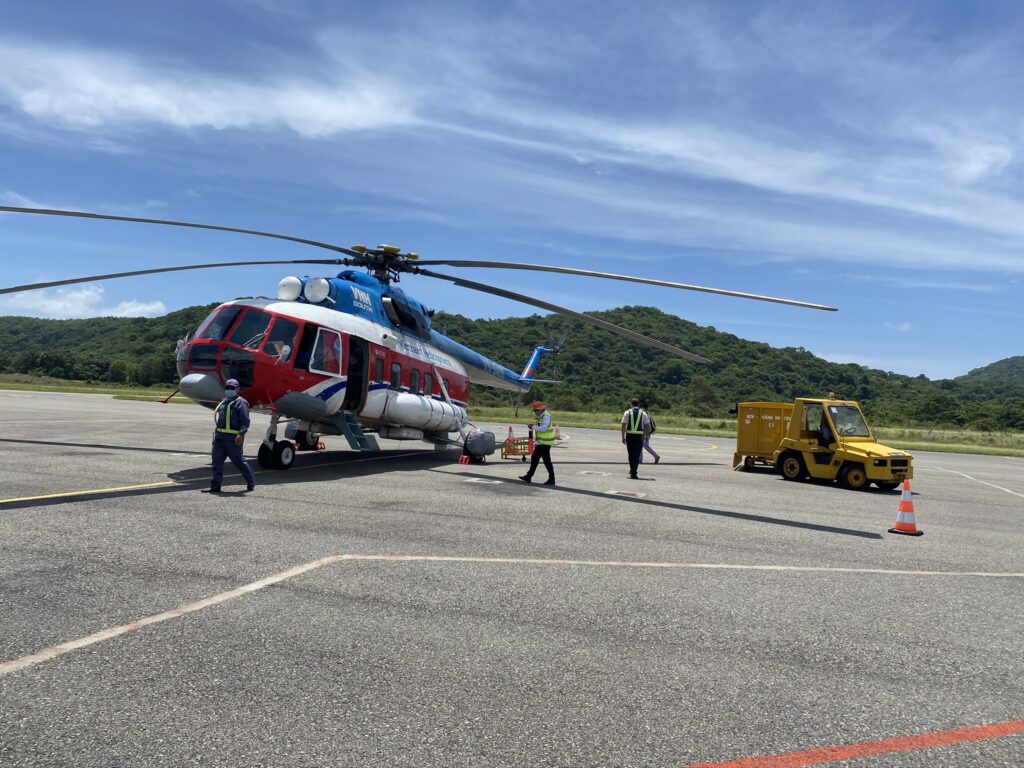
The ceremony takes place just days before Vietnam’s national War Invalids and Martyrs’ Day (27 July). During this period, airlines such as Vasco operate at maximum capacity—up to 15–20 flights a day—bringing thousands of visitors to the island. High-speed ferries from Vũng Tàu and Trần Đề (Sóc Trăng) also operate continuously, carrying pilgrims who come to light incense and pay tribute.
The roads from Cỏ Ống Airport and Bến Đầm Port lead visitors past lush forests and the remnants of prison camps—silent witnesses to the island’s brutal past.
The ceremony is organized by the Association of Former Côn Đảo Political Prisoners in coordination with the Côn Đảo Historical Sites Management Board, with participation from national youth organizations, universities, and local departments. Each year, hundreds of former prisoners and their families return, joining thousands of citizens and visitors.
For the more than 9,000 Côn Đảo residents, this memorial has become a sacred day—an occasion to honor the heroes and martyrs whose sacrifices shaped the nation’s history.
A Ceremony of Deep Reverence
The 8th annual commemoration in 2019 began on the afternoon of July 21 with offerings for 51 revolutionaries executed by the French between 1947 and 1953, including Võ Thị Sáu, who was executed at sunrise on January 23, 1952.
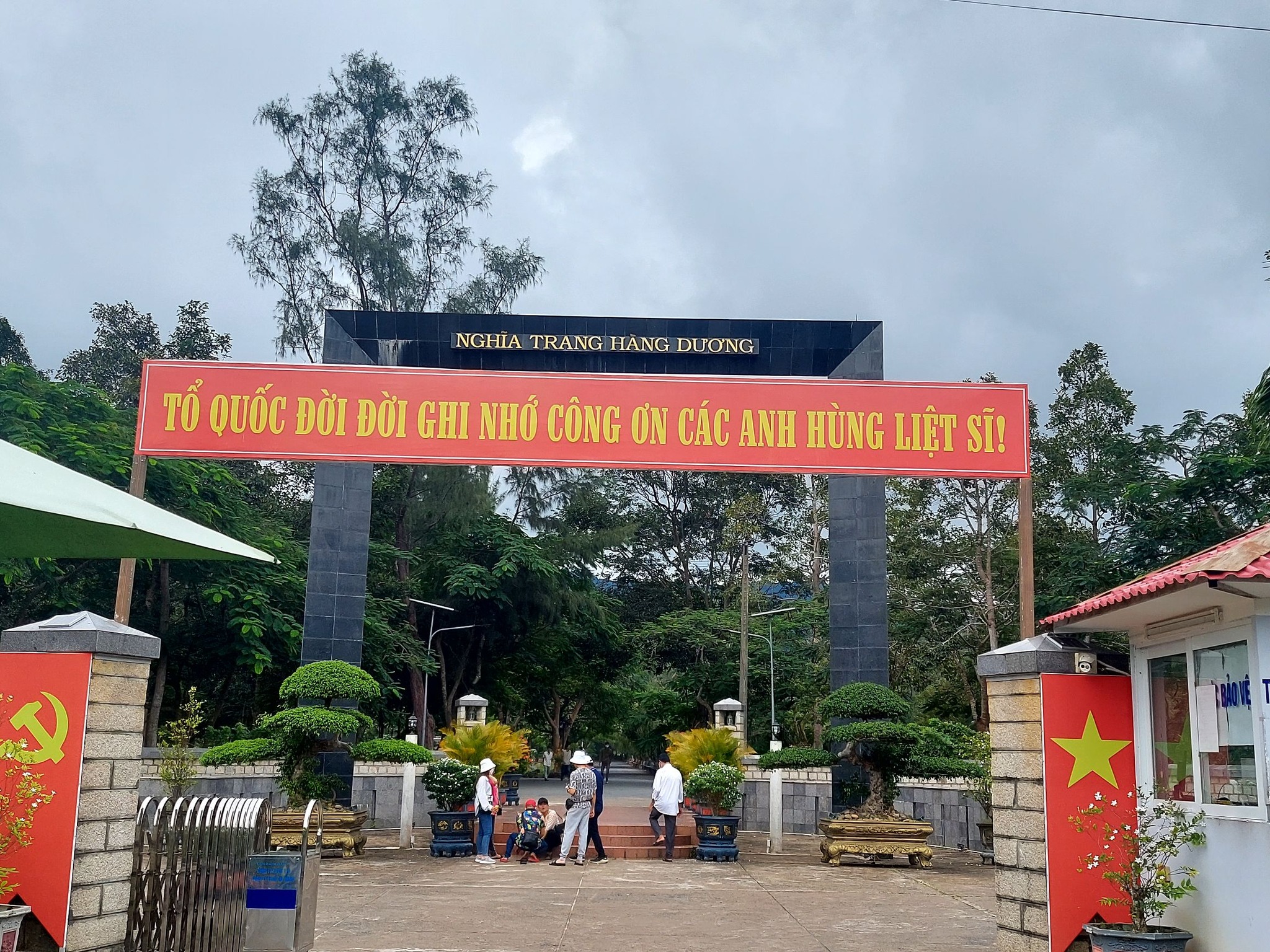
Ceremonies continued with tributes to 31 martyrs who died while maintaining revolutionary resistance inside Camp I-6B (1964–1975), the inauguration of a memorial stele honoring 15 heroes of the resistance in Côn Đảo Prison during the anti-American war, and a solemn offering at Hàng Dương Cemetery for all who perished in 113 years of imprisonment.
On July 22, the traditional ritual was held at the Côn Đảo Temple, where nine resonant bell chimes signaled the beginning of the ceremony. Leaders, former prisoners, scholars, and citizens lit incense and touched the engraved names of 2,284 identified martyrs, their fingers trembling with emotion.
A Century of Suffering and Bravery
From the arrival of the first 50 prisoners in March 1862, the inmate population quickly swelled:
- 500 prisoners by 1863
- 7,448 prisoners by April 1975 (including 4,234 political prisoners)
- Approximately 200,000 people endured the “hell on earth” over 113 years.
Among them were patriots like Phan Châu Trinh, Huỳnh Thúc Kháng, Trần Cao Vân; communist leaders such as Ngô Gia Tự, Nguyễn Văn Cừ, Tôn Đức Thắng, Lê Hồng Phong, Lê Duẩn, Phạm Hùng, Nguyễn Văn Linh; as well as monks, nobles, and foreign revolutionaries from Laos, Thailand, Cambodia, and Japan.
It is estimated that one in ten prisoners died on the island—in Hàng Keo, Hàng Dương, Chuồng Bò, Cỏ Ống, Hàng Cau, and scattered across the 16 islands of the archipelago.
Today, Hàng Dương Cemetery contains 1,922 graves (25 mass graves), but only 714 have identified names. The rest remain unknown, lying in silence across the island.
Toward a “Côn Đảo Day”
Since 2012, many have proposed establishing a nationwide “Côn Đảo Day”—a day of remembrance, gratitude, and pilgrimage to one of the most sacred historic landscapes of Vietnam.
Côn Đảo, once a symbol of oppression, has become:
- a national monument,
- a spiritual sanctuary,
- a living classroom of patriotism and resilience for future generations.
General Secretary Lê Duẩn, during his 1976 return to the island where he had been imprisoned, declared:
“Côn Đảo is an island of heroes. Côn Đảo is a monumental historical relic. Côn Đảo is a great school for the generations to come.”
Two decades later, Prime Minister Võ Văn Kiệt proposed an annual “Côn Đảo Day” as a nationwide pilgrimage honoring the martyrs and marking the beginning of the island’s tourism season.
Today, Côn Đảo has transformed into a “green paradise”—a destination known for both natural beauty and profound spiritual significance. Yet its enduring value remains the same: a sacred island and a symbol of Vietnamese revolutionary heroism.