After an unsuccessful startup attempt in his hometown of Ben Tre, 32-year-old Đỗ Minh Tuấn refused to give up. Instead, he found a new direction in sea grapes—a highly nutritious type of seaweed—with the hope of creating a unique, locally rooted product for Con Dao (Ho Chi Minh City) to serve tourists.
Tuấn, originally from Giồng Trôm District (Ben Tre), once devoted years to climate-adaptation products but failed to find success. Undeterred, he returned to Con Dao, where he had worked nearly a decade earlier in seafood harvesting and tourism services. He continued working odd jobs while waiting for another chance to start again.
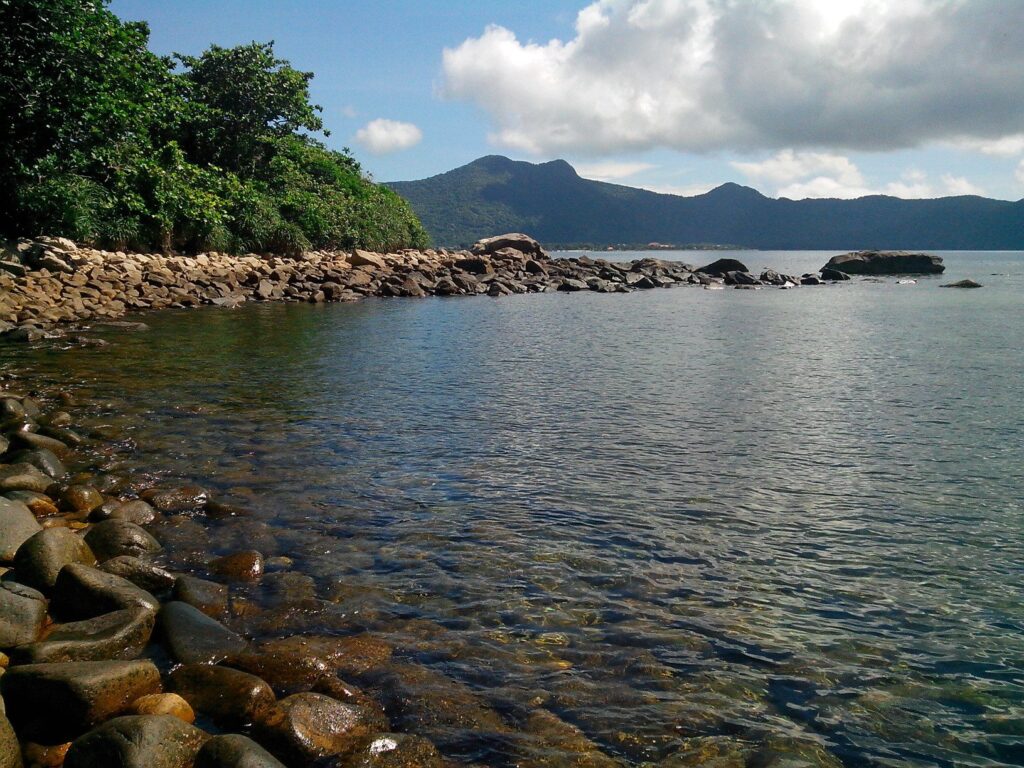
His new startup idea came naturally—during coral-reef diving trips around Con Dao, he noticed that marine resources were declining, coral reefs were deteriorating, and the natural algae that help restore coral growth were becoming scarce. Meanwhile, Con Dao holds a unique advantage: beyond its spiritual and resort tourism appeal, its waters are exceptionally clean—ideal for seaweed cultivation.
With that realization, Tuấn purchased sea grape seedlings from a supplier in Khanh Hoa to conduct small-scale trials on Con Dao. After nearly a year of experimentation, his first batches of sea grapes are finally ready. Today, he sells sea grapes not only to visitors on the island but also to buyers from other regions.
Tuấn has invested all of his savings—over 60 million VND earned from years of manual labor—into this project. He also partners with six local households on the island to subcontract production.
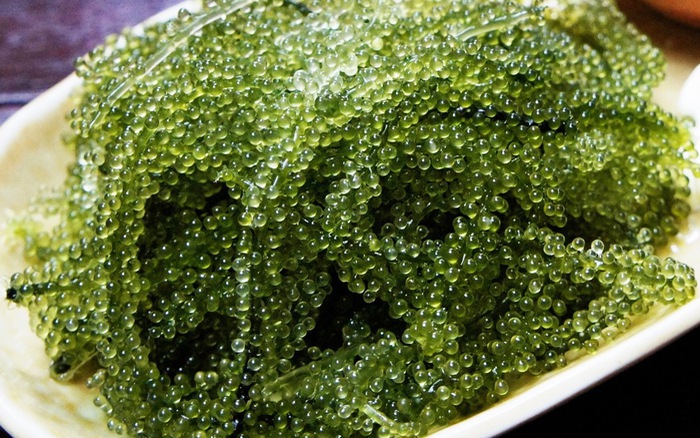
Sea grapes, known for their grape-like clusters, are a highly nutritious seaweed species often eaten like salad greens but with far higher nutrient density. They naturally thrive in Southeast Asia, Japan, and Pacific islands.
According to Tuấn, this particular sea grape variety was originally brought to Vietnam by a Vietnamese engineer who studied in Japan and later introduced it to the central coastal region.
“This species needs very clean water, which makes Con Dao one of the ideal places for cultivation,” Tuấn shared.
To reach more customers, Tuấn collaborates with business partners on the island. His biggest concern now is securing capital to expand cultivation and scale production. He also hopes for support from local authorities in terms of technical guidance and legal procedures so that his product can be promoted more widely.
“I want to create a true specialty of Con Dao,” he said. “Tourists always want a local product to take home, rather than goods brought in from the mainland.”
Tuấn is currently focusing all his efforts on expanding the sea grape farming area and seeking investors. He believes the current cultivation methods are just the basics, especially since sea grapes are newly established in Con Dao. He hopes experts can support him further with technology and regulatory advice so the product can continue to grow sustainably.
With determination and a vision rooted in the island’s clean waters, Tuấn dreams that Con Dao sea grapes will one day become a well-known specialty—blending local identity, natural purity, and the resilient spirit of a land that has written heroic chapters in Vietnam’s history.