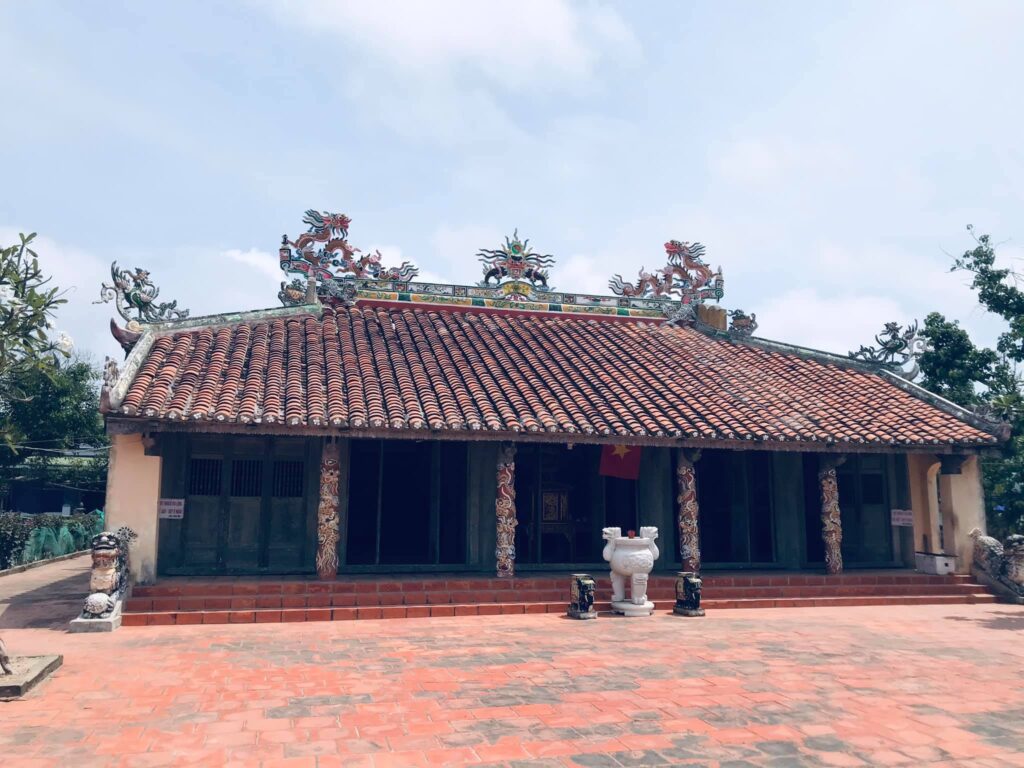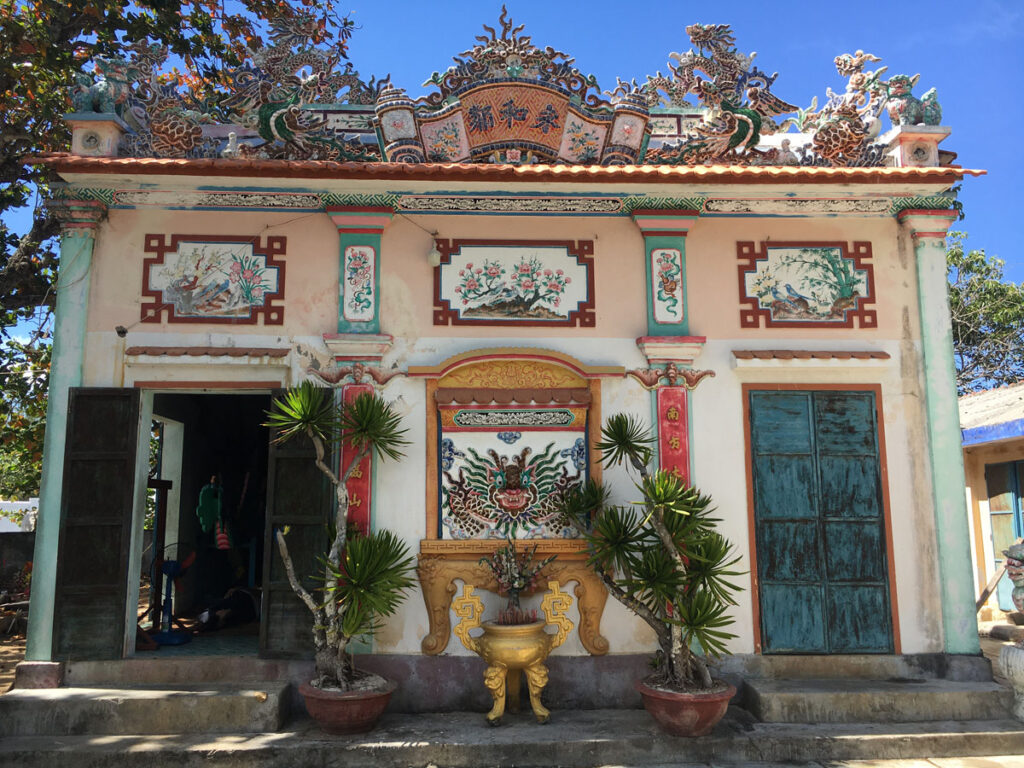
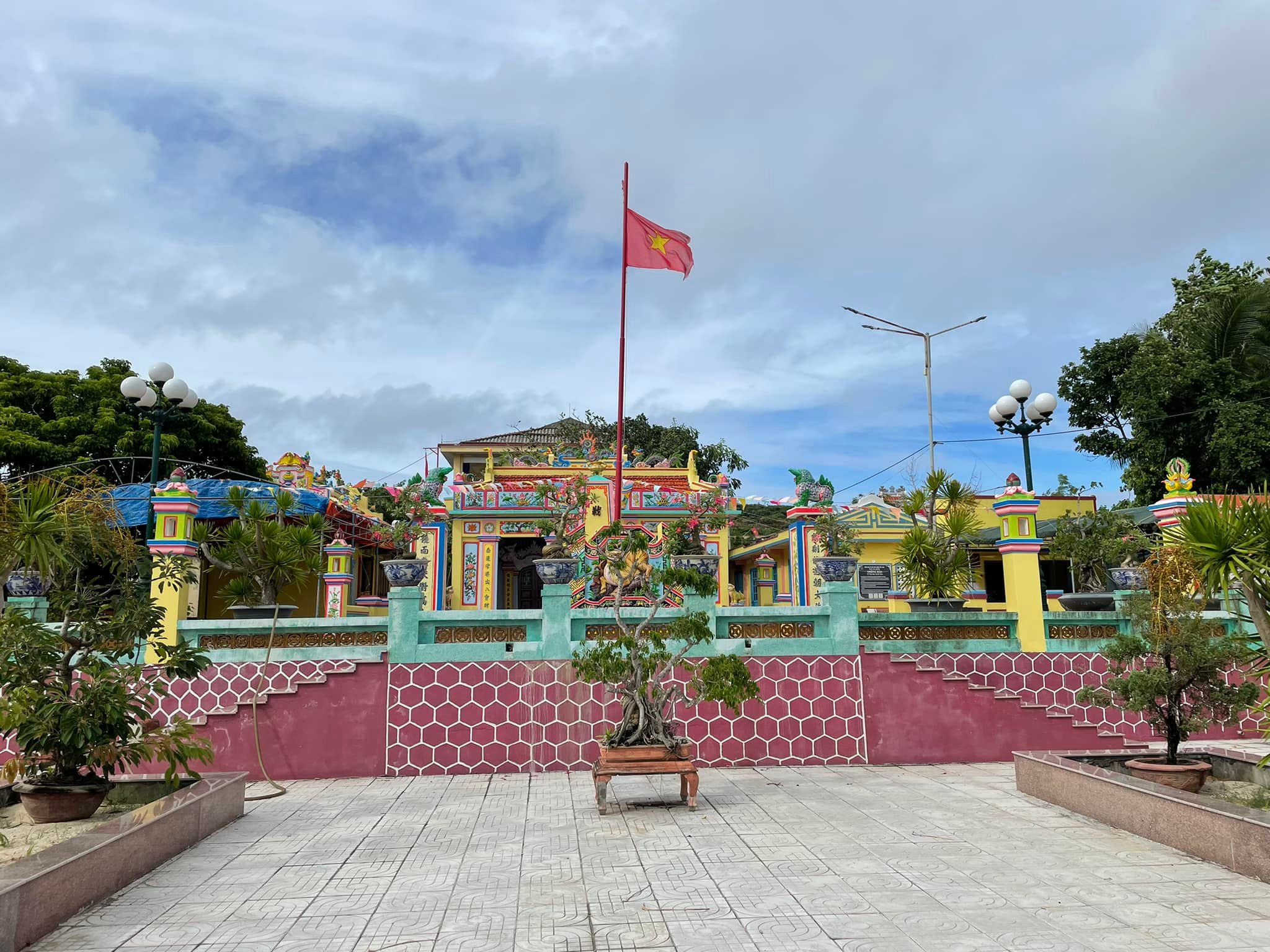
Âm Linh Temple and the Hoàng Sa Soldier Tombs form an important historical and cultural complex located in Tây Hamlet, An Vĩnh, Lý Sơn Special Zone, Quảng Ngãi Province. Beyond being a sacred spiritual site for island residents, the complex stands as powerful evidence affirming Vietnam’s sovereignty over the Hoàng Sa (Paracel) and Trường Sa (Spratly) archipelagos.
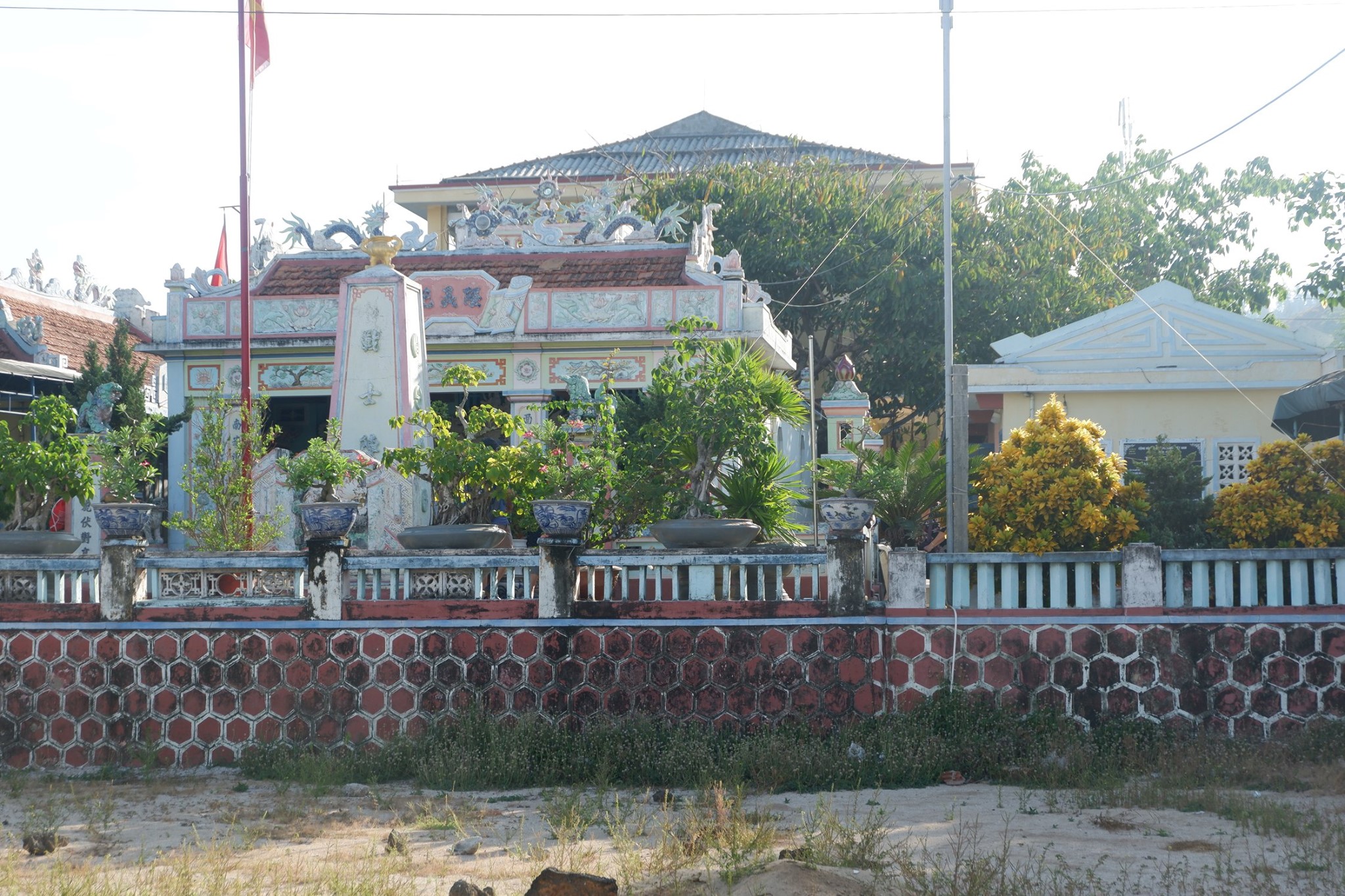
Âm Linh Temple: Origins and Architectural Significance
Meaning of the Name
“Âm Linh Tự” literally means Temple of Wandering Souls. It is dedicated to the spirits of the “ten classes of the deceased”—those who died tragically, unclaimed, or without burial. On Lý Sơn, however, the temple’s spiritual core is the worship of the Hoàng Sa sailors from the historic Vĩnh Lợi Village who sacrificed their lives on dangerous maritime missions.
Historical Development
Mid-17th century: The temple was first established with simple open-air altars and no roofed structures.
Reign of Emperor Gia Long (1802–1820): First major restoration.
- 1833: Second renovation.
- 1956: The front ceremonial hall (Tiền bái) was refurbished.
- 1996: A large-scale restoration built the west hall (Vĩnh Thượng Từ), added the east hall (kitchen and boat storage), and constructed an imposing entrance gate.
Architectural Overview
The temple complex is arranged in a triangular layout, backed by Hòn Tai Mountain and facing southward toward the sea. It is constructed from coral stone, using a traditional adhesive mixture of lime, tree sap, and molasses for durability.
1. The Main Temple (Chính Điện & Tiền Bái)
Tiền Bái (Front Ceremonial Hall)
- Open design with three large archways.
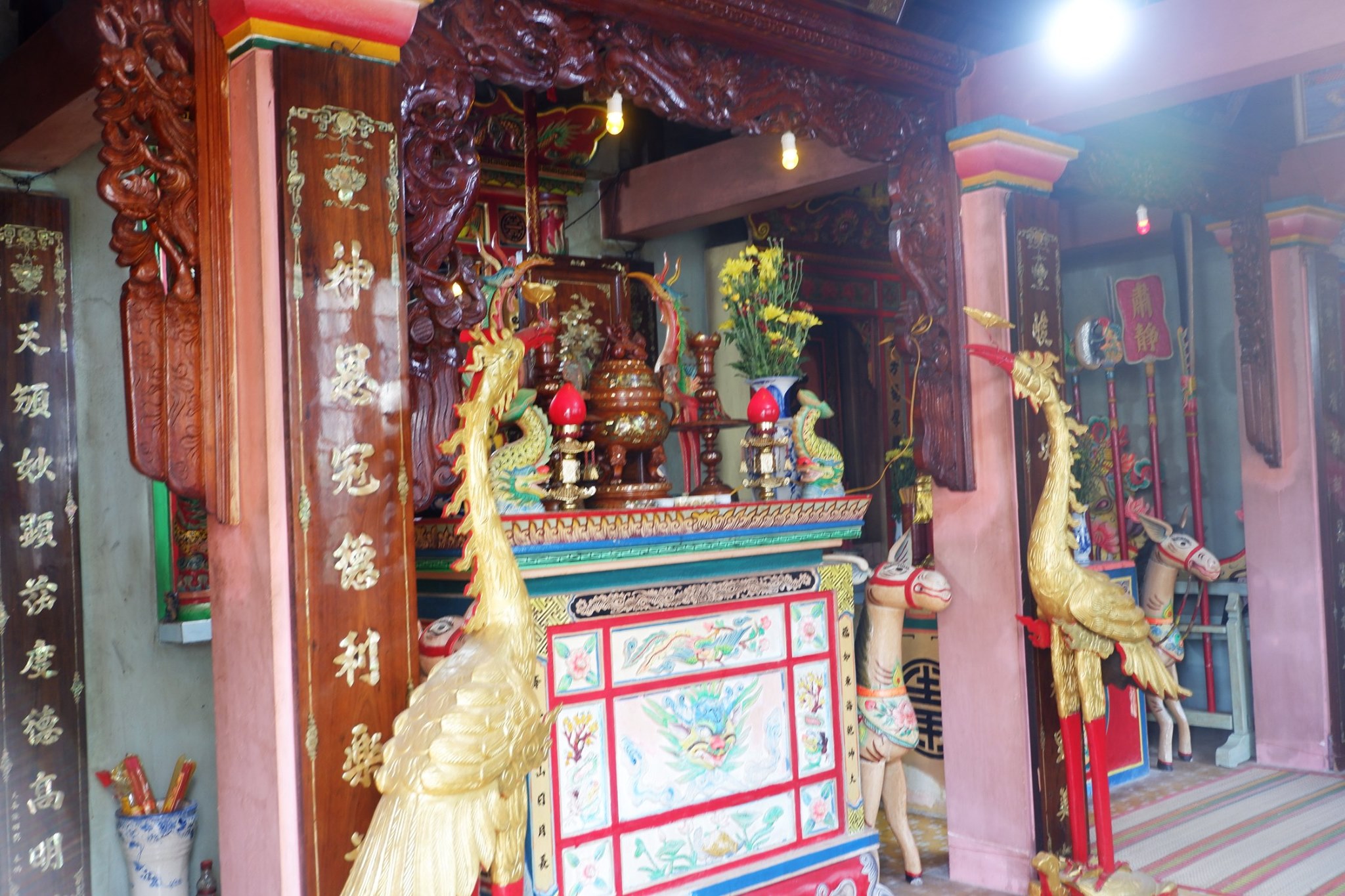
- Two symmetrical altars—Hồn Mai and Phách Quế—honor the spirits of Hoàng Sa mariners.
- Used for preparing rituals and receiving guests during festivals.
- Features a row of pillars supporting four sets of roof trusses.
Chính Điện (Main Sanctuary)
- The entrance features a relief of “Two Dragons Chasing a Pearl” and a plaque bearing the name “Âm Linh Tự.”
- Built in the style of “one central bay and two side wings,” with 20 pillars (4 main, 16 supporting).
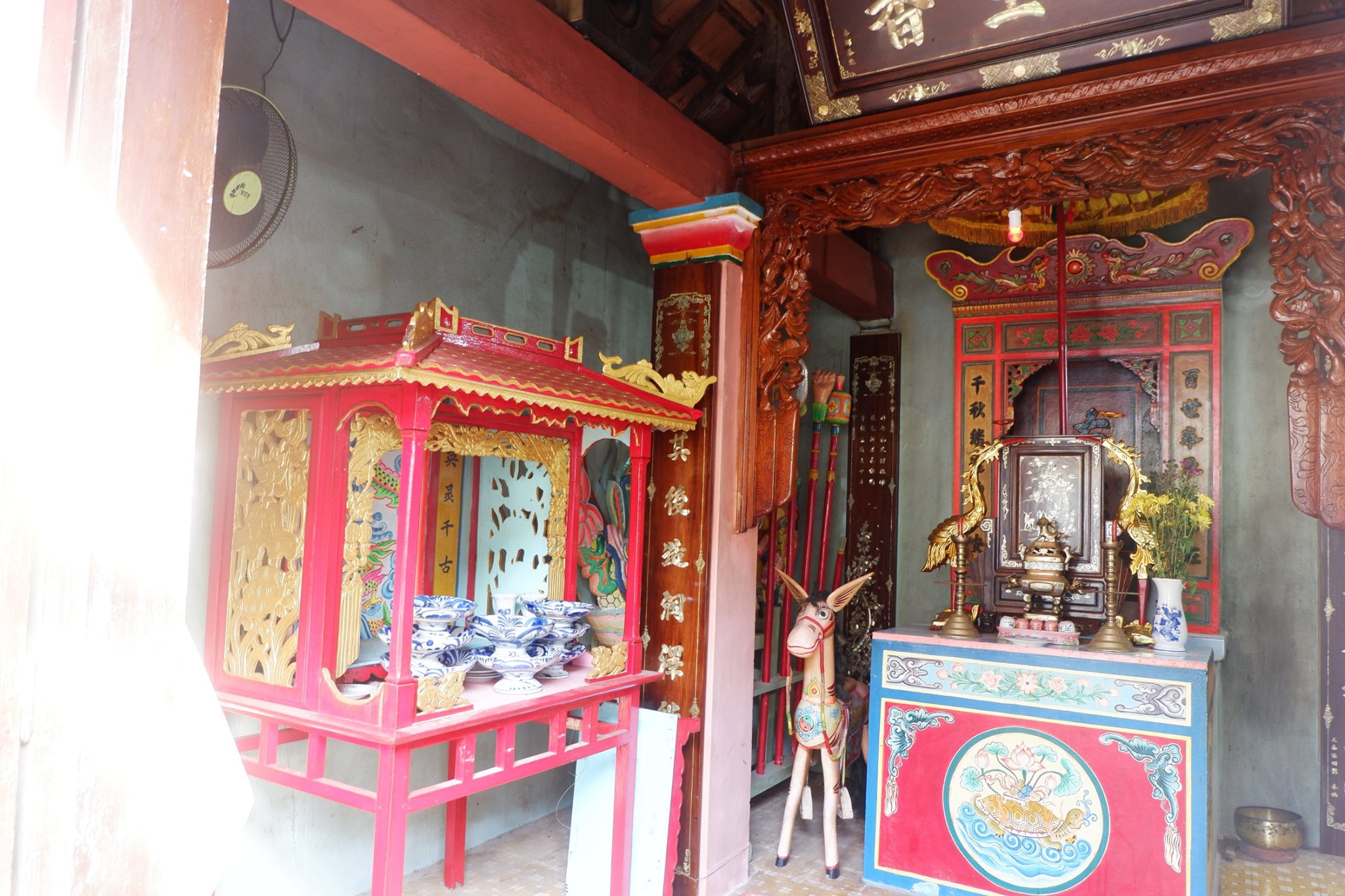
- Three worship chambers:
- Central chamber: Worships the deity (Thần).
- Left chamber: Tả Ban (At Placement).
- Right chamber: Hữu Ban (Strict Disposition).
- Altars resemble miniature shrines decorated with dragons, sacred fruits, scrolls, and traditional motifs.
- Pillars hold couplets praising the beauty of the island and the valor of its pioneers.
A poignant couplet inside reads:
“Mountains weep like tears, rivers wear mourning veils—
For a thousand years the shrine remembers brave souls lost at sea.”
2. Monument to Fallen Soldiers
In front of the main hall stands a four-sided memorial tower inscribed with four Chinese characters meaning “Fallen Warriors.” It is the central memorial for Hoàng Sa naval soldiers.
Spiritual Significance & Annual Rituals
Role in Community Life
From the 1950s onward, when An Vĩnh Village communal house fell into ruin, the ancestral tablets of local deities and founders were temporarily moved to Âm Linh Temple. For decades, the temple functioned as the spiritual heart of the community.
Fishermen traditionally visit the temple before embarking on long voyages to pray for safe seas, and upon returning they perform gratitude offerings.
Annual Ceremonies (Lunar Calendar)
- 16th day of the 2nd month: Ceremony for fallen soldiers.
- 16th day of the 8th month: Autumn offering.
- 26th day of the 10th month: Year-end peace ceremony.
The most important ritual is the Khao Lề Thế Lính Hoàng Sa, held every Qingming Festival, honoring the Hoàng Sa and Bắc Hải troops who defended the nation’s maritime sovereignty.
Hoàng Sa Soldier Tombs & the Sacred Tradition of “Wind Tombs” (Mộ Gió)
The tomb complex in Tây Hamlet is the resting place of Commander Phạm Quang Ảnh and the Hoàng Sa militia. The tombs are arranged in long rows oriented east–west.
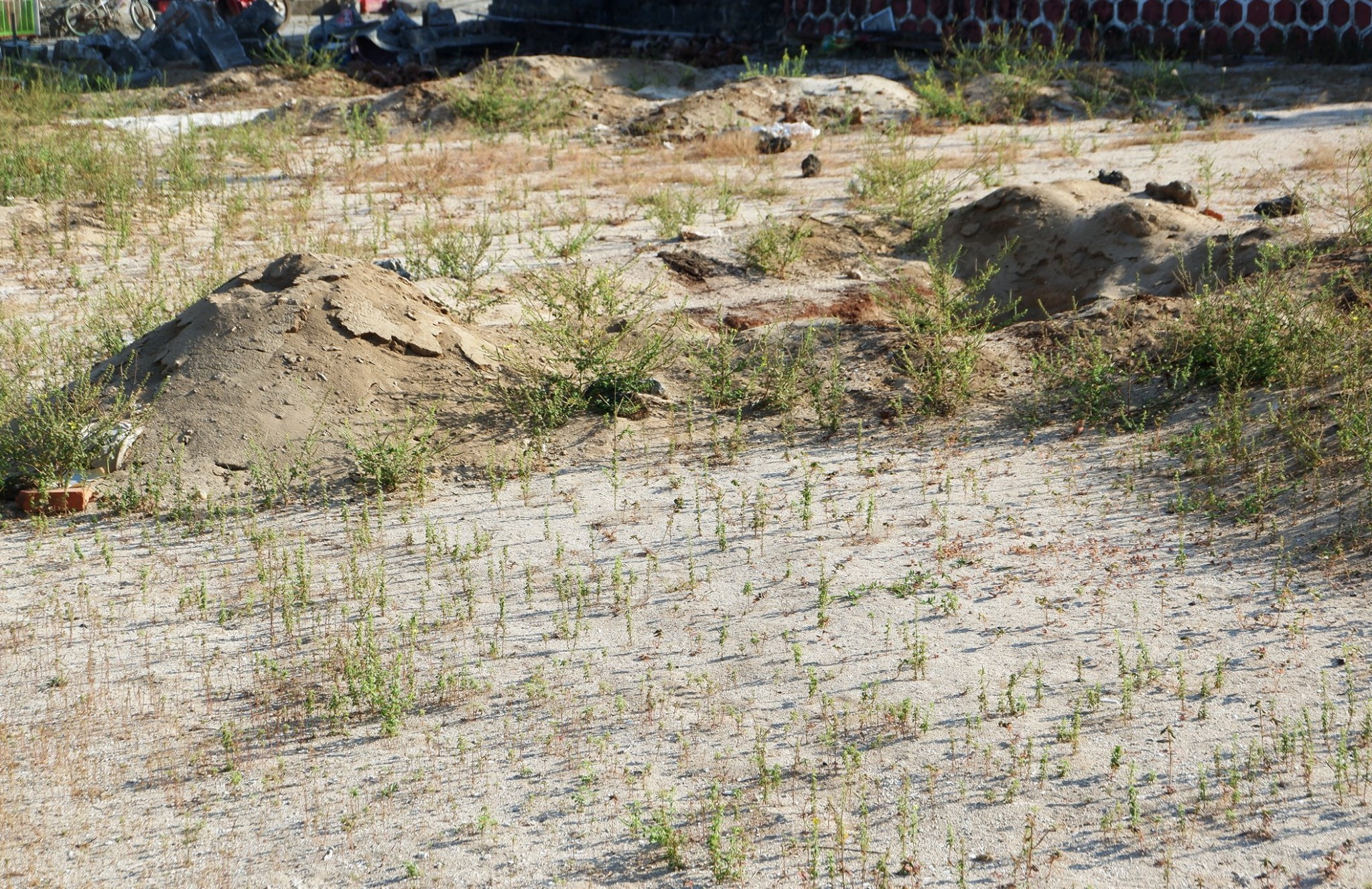
The Mysterious “Wind Tombs”
Because many sailors perished at sea with no remains recovered, islanders created symbolic graves called mộ gió—“wind tombs.” These tombs are crafted through a profound spiritual process intended to summon and house the souls of the deceased.
Process of Creating a Wind Tomb
- Collecting Sacred Soil:
Ritual specialists gather clay from volcanic craters after asking ancestral permission. - Forming the Skeleton:
Mulberry branches are carved into ribs:- 7 ribs for men
- 9 ribs for women
Mulberry bark is used to form tendons.
- Shaping the Body:
Clay mixed with water and cotton is molded into a full human figure with internal organs.
All clay must be used—none may be discarded. - Finishing Touches:
A layer of egg yolk is brushed on to create a skin-like membrane. - Entering the Coffin:
The effigy is clothed, given a soul tablet, and placed into a coffin. - Spirit-Summoning Ritual:
A “chiêu hồn nhập cốt” ceremony invites the soul to inhabit the effigy, followed by burial.
Some wind tombs opened centuries later still contain remarkably intact clay effigies—an enduring symbol of Lý Sơn’s spiritual heritage.
Legend of Commander Phạm Quang Ảnh
Oral history recounts that more than 200 years ago, Commander Phạm Quang Ảnh and 24 soldiers vanished during a Hoàng Sa voyage. A court-appointed ritual master traveled to Lý Sơn, molded 25 effigies from sacred clay at Giếng Tiền volcano, and performed the soul-summoning rite under the supervision of the soldiers’ families.
This became the origin of the earliest wind tombs on the island.
Conclusion
Âm Linh Temple and the Hoàng Sa Soldier Tombs stand as extraordinary cultural heritage sites that honor generations of Vietnamese who explored, protected, and sacrificed for the nation’s maritime sovereignty. They are not only historical markers but also deep spiritual roots connecting present-day Lý Sơn residents to the courageous Hoàng Sa flotilla of old.