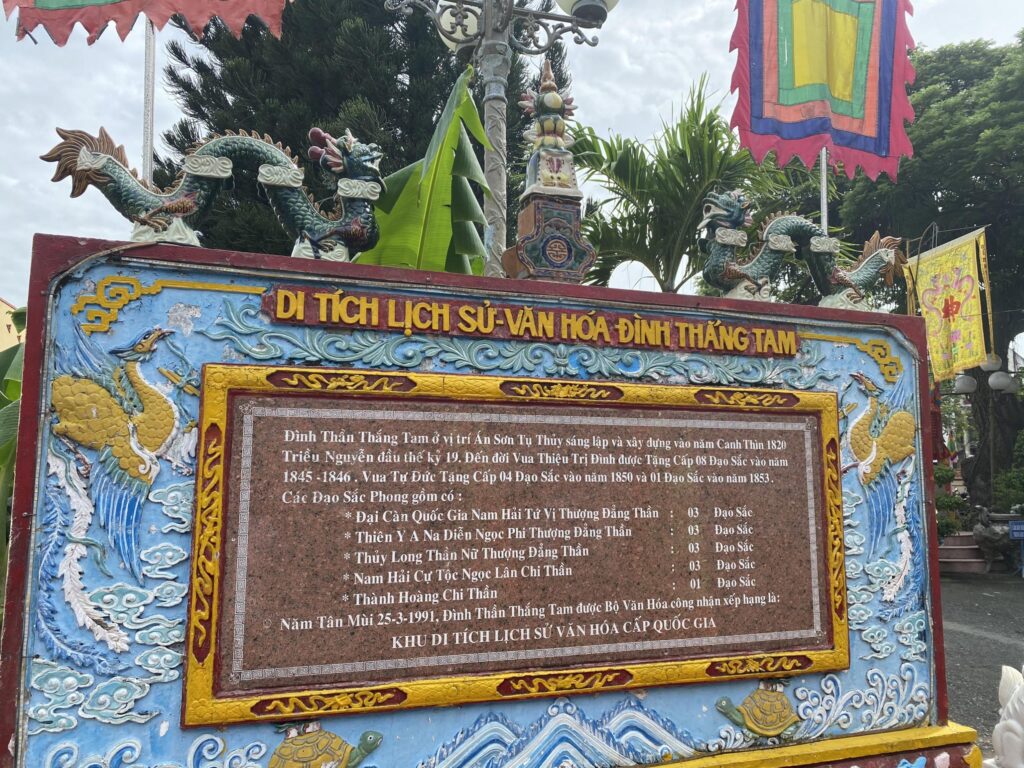
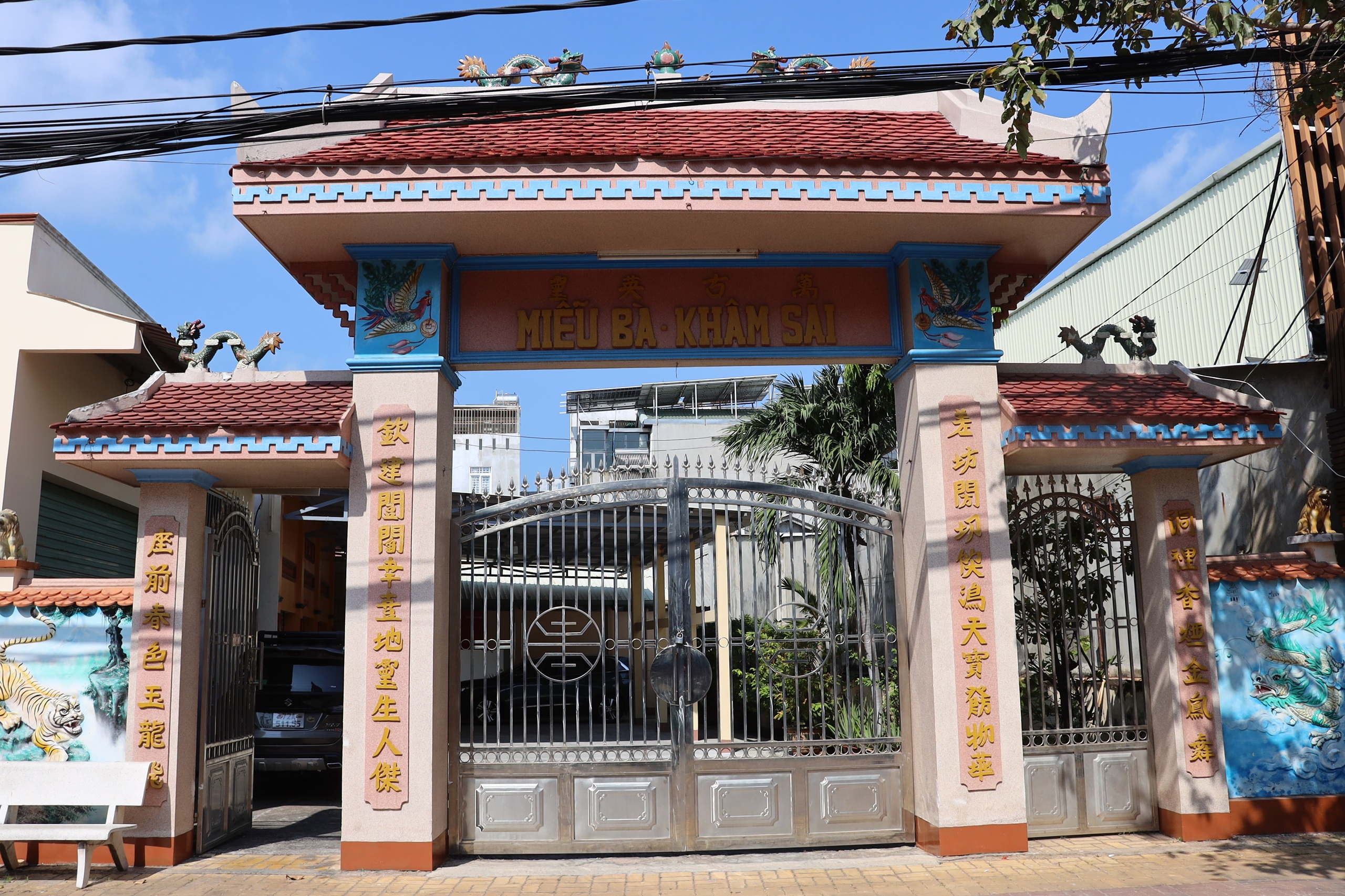
Ba Kham Sai Temple, located at 95 Huyen Tran Cong Chua Street, Tam Thang Ward, Ho Chi Minh City, is one of the area’s oldest folk-belief sites. With nearly a century of history, the temple is not only a place of worship but also a cultural and spiritual hub closely intertwined with local community life.
According to Mr. Ho Van Thong, Head of the Temple Association and Chief Ritual Officer, the temple was established in the early 1930s under its original name, Dinh Ba Nuong Nuong. The land once belonged to a Nguyen-dynasty imperial commissioner who played a key role in opening and cultivating the area. At that time, severe freshwater shortages during the dry season prompted him to order the digging of a large pond to collect rainwater for daily use and for raising warhorses. Locals later called this pond Bau Kham Sai, a name that would eventually be associated with the temple itself.
As the name Dinh Ba Nuong Nuong proved difficult to remember and locate, from the 1950s onward the site became popularly known as Ba Kham Sai Temple. With urban development, Bau Kham Sai was gradually filled in and transformed into a densely populated neighborhood, now part of Tam Thang Ward. Amid modern city life, the temple has remained a vital spiritual anchor for residents and visiting pilgrims, especially during festival seasons.
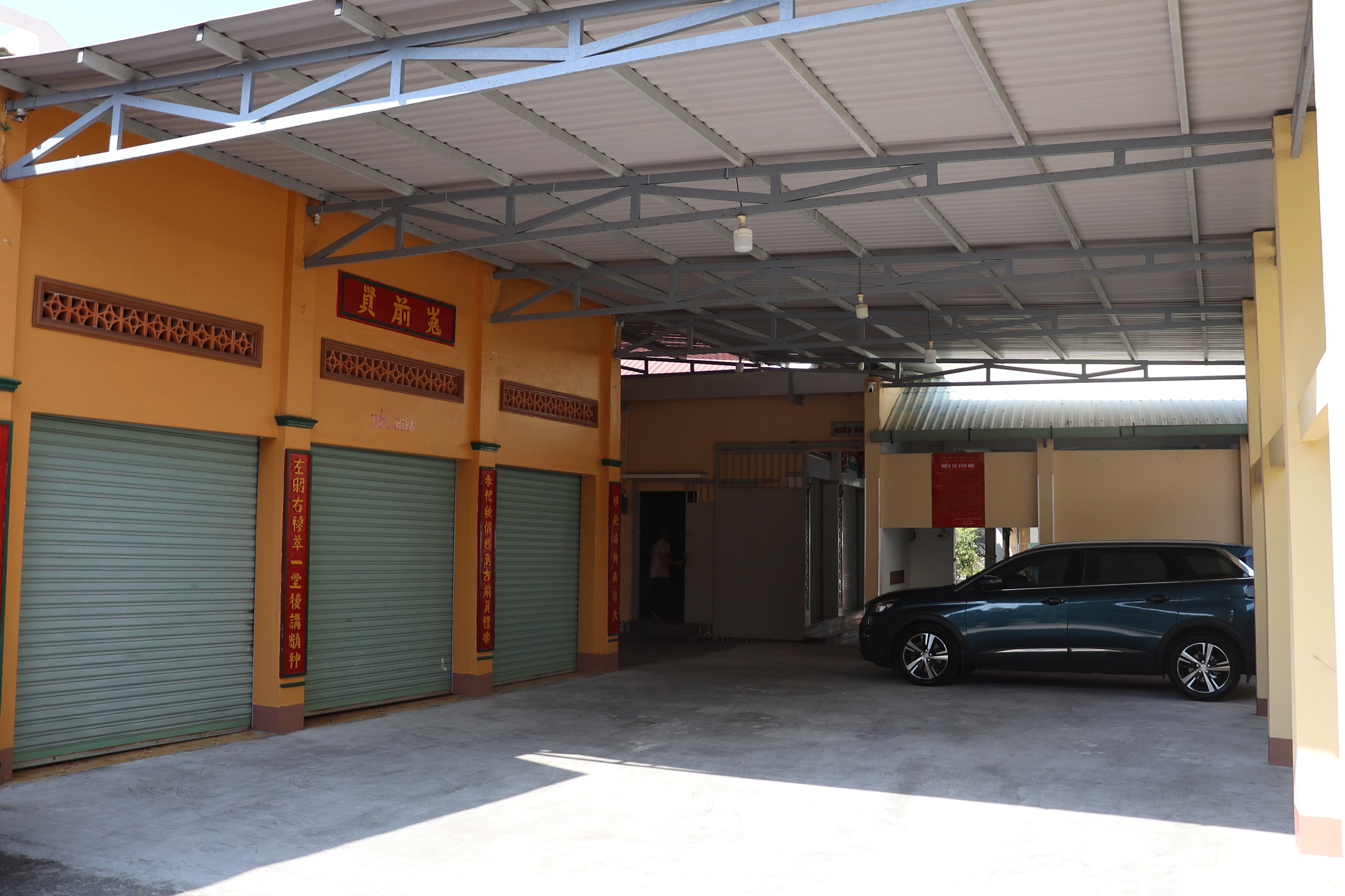
Covering more than 1,000 square meters, the temple complex includes a triple-arched gate, main sanctuary, guesthouse, kitchen, storage rooms, and auxiliary facilities. Passing through the gate, the left side of the courtyard houses the altar to the forebears—those who helped establish and preserve the temple. In front of the main sanctuary stands the Five Elements altar, dedicated to the five goddesses of the Inner Council, creating an atmosphere of solemnity and reverence.
At the heart of the sanctuary is the statue of Cuu Thien Huyen Nu, enshrined with a phoenix crown and embroidered robe, her calm posture radiating dignity and authority. The left altar honors Quan Thanh and the ancestral masters, while the right is dedicated to Ba Bo and Ba Co, believed to protect men and women respectively. Adjacent shrines venerate Co and Cau—faithful and heroic figures associated with the defense of the homeland. The complex also includes shrines to the Earth Deity (Five Directions, Five Lands), the Tiger Spirit (Five Tiger Generals), and fallen soldiers.
Over the decades, the temple has undergone several restorations to ensure safe and proper worship. In 1947, the main sanctuary was renovated, replacing thatched walls with masonry and limewash, and changing the traditional yin–yang tile roof to metal sheets. In 1971, a stage was added to host traditional performances during festivals. These restoration efforts were funded entirely by voluntary contributions from more than 2,800 association members and local residents.
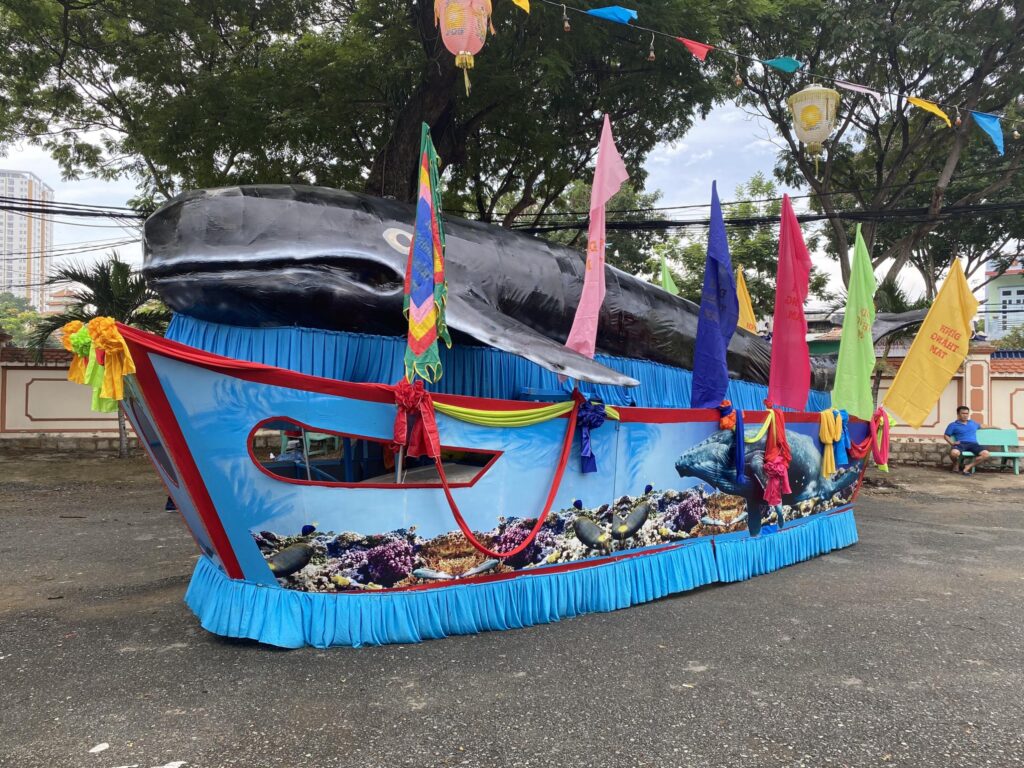
Each year, Ba Kham Sai Temple welcomes numerous visitors who come to offer incense, pay respects, and explore the site. Major annual ceremonies follow the lunar calendar, including Thuong Ngoan (the first full moon of the year), Doan Ngo (the fifth day of the fifth lunar month), Trung Ngoan (the seventh lunar full moon), and Ha Ngoan (the tenth lunar full moon). Most notably, the Peace-Praying Festival is held over three days—on the 9th, 10th, and 11th of the eleventh lunar month—drawing broad community participation.
Mr. Le Van Tham, who oversees ritual practices, notes that most ceremonies have been passed down orally through generations. While modern elements such as hat boi (classical opera) performances have been added during major festivals, the core meaning of the annual peace-praying rite remains unchanged: prayers for national peace, favorable weather, abundant harvests, and a stable, prosperous life for the people.
Today, Ba Kham Sai Temple stands not only as a place of faith but also as an essential cultural fragment—preserving historical memory and the spiritual life of the old Tam Thang region within a city that continues to evolve.