


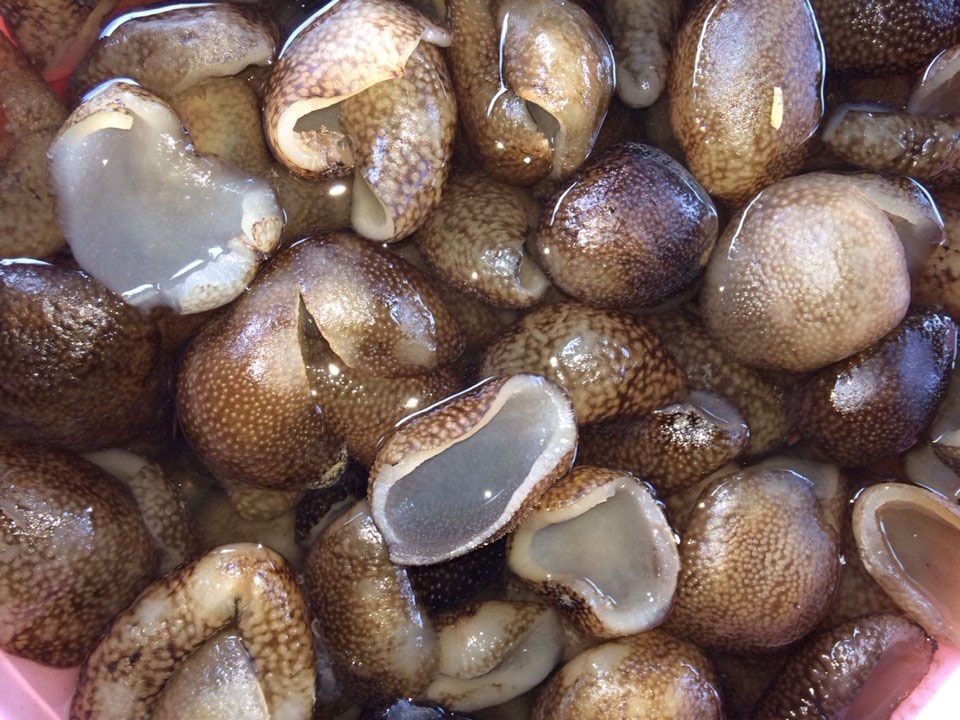
Côn Đảo is home to a rare marine species locally known as coconut sea cucumber, or “con banh lông” (hairy ball sea cucumber). This species is classified as rare and endangered, and its exploitation and harvesting are strictly prohibited.
Coconut sea cucumbers live on the seabed, primarily within coral reef ecosystems. Harvesting them often requires the use of iron rakes to break the seabed and coral formations, which causes severe environmental damage. Such practices not only destroy coral reefs but also lead to the depletion of many other marine species. According to local fishermen, the “con banh lông” has a round, ball-like shape, resembling a small ball, and typically buries itself deep beneath layers of mud and sand.
According to the Nha Trang Institute of Oceanography, this species belongs to the phylum Echinodermata, class Holothuroidea (sea cucumbers), and order Dendrochirotida (branched tentacle sea cucumbers).
At present, comprehensive studies on the distribution of sea cucumbers in Vietnam remain limited, and much of the available information is referenced from international scientific literature and foreign publications. Globally, there are an estimated 1,250 species of sea cucumbers, distributed from the Indian Ocean to the western Pacific Ocean. All sea cucumbers inhabit marine environments, often in deep waters. Some species can burrow 20–40 cm beneath sand or mud when seawater temperatures rise. Their diet mainly consists of algae, microorganisms, decomposing organic matter, and waste products from other marine organisms.
Research conducted by the Research Institute for Aquaculture No. III and publications in marine science journals indicate that Vietnam has identified approximately 15–20 sea cucumber species with commercial value, used for culinary and medicinal purposes. These species are generally classified into three value categories: high, medium, and low.
The coconut sea cucumber has a cylindrical, elongated body, with a diameter ranging from 60 to 180 mm and a length of 200 to 300 mm. When removed from the water, its body becomes swollen and round, resembling a coconut. Its dorsal surface is typically dark brown or grayish-white, mottled with lighter patches (yellowish or milky white) and scattered with irregularly arranged fleshy spines. The ventral side features numerous small tube feet that are not arranged in rows. The skin is thick, and when cut open, the interior reveals a milky-white flesh, similar in appearance to coconut meat—hence the name coconut sea cucumber.
The body of the hairy ball sea cucumber contains a large amount of fluid, which accounts for a significant portion of its total weight. Its intestine is relatively short, measuring two to three times the body length, and is arranged in a spiral running along the body. Inside, there is also a substantial amount of white fluid resembling coconut water.
Although the coconut sea cucumber is not explicitly listed among species prohibited from exploitation under Circular No. 02/2006/TT-BTS (dated March 20, 2006), which guides the implementation of Decree No. 59/2006/NĐ-CP on conditions for conducting certain fisheries-related businesses, its harvesting still requires a valid fisheries exploitation license. Given its ecological importance and vulnerability, conservation and strict management are essential to protect this rare marine species and the fragile coral reef ecosystems of Côn Đảo.

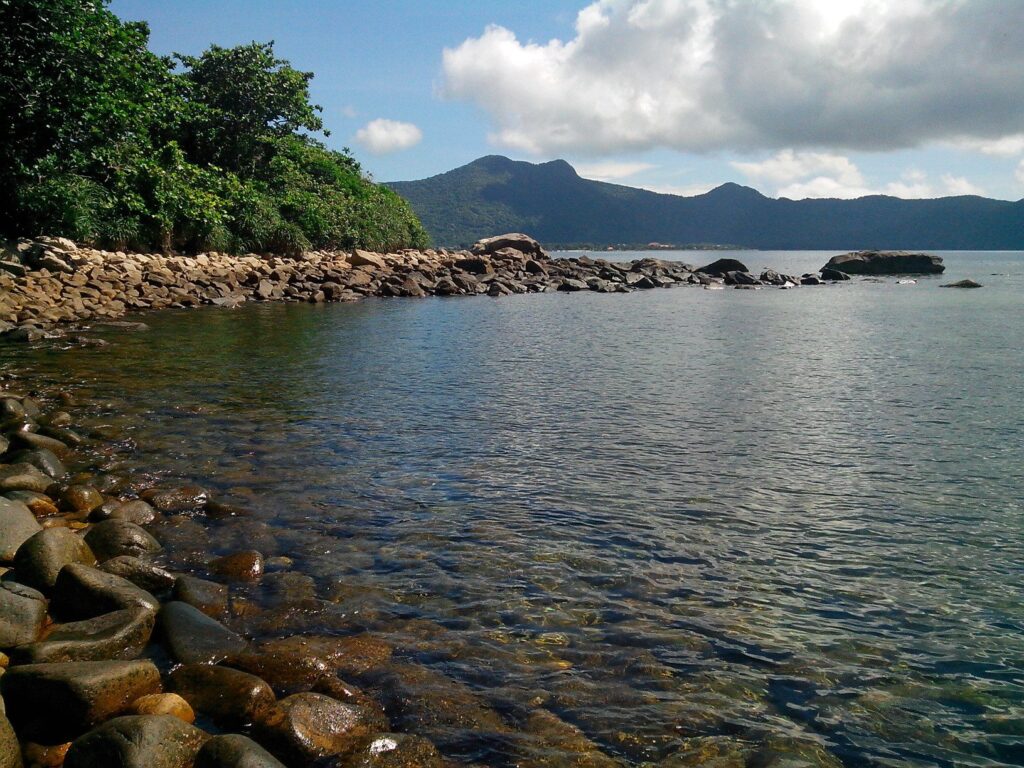



+of+Côn+Đảo)