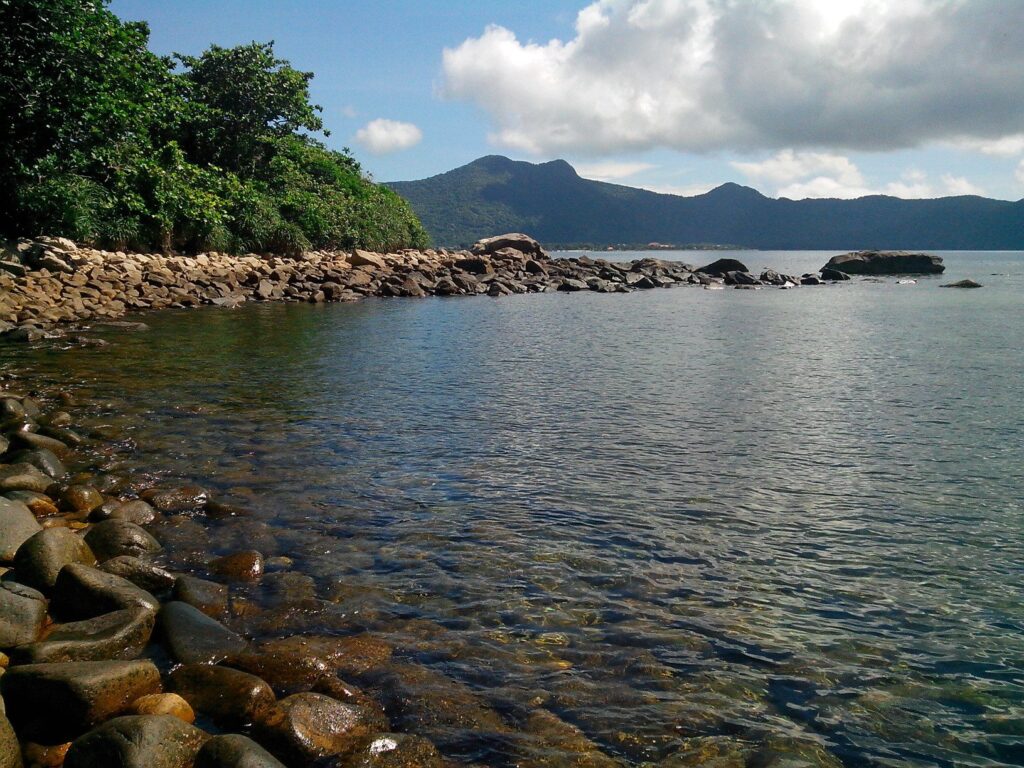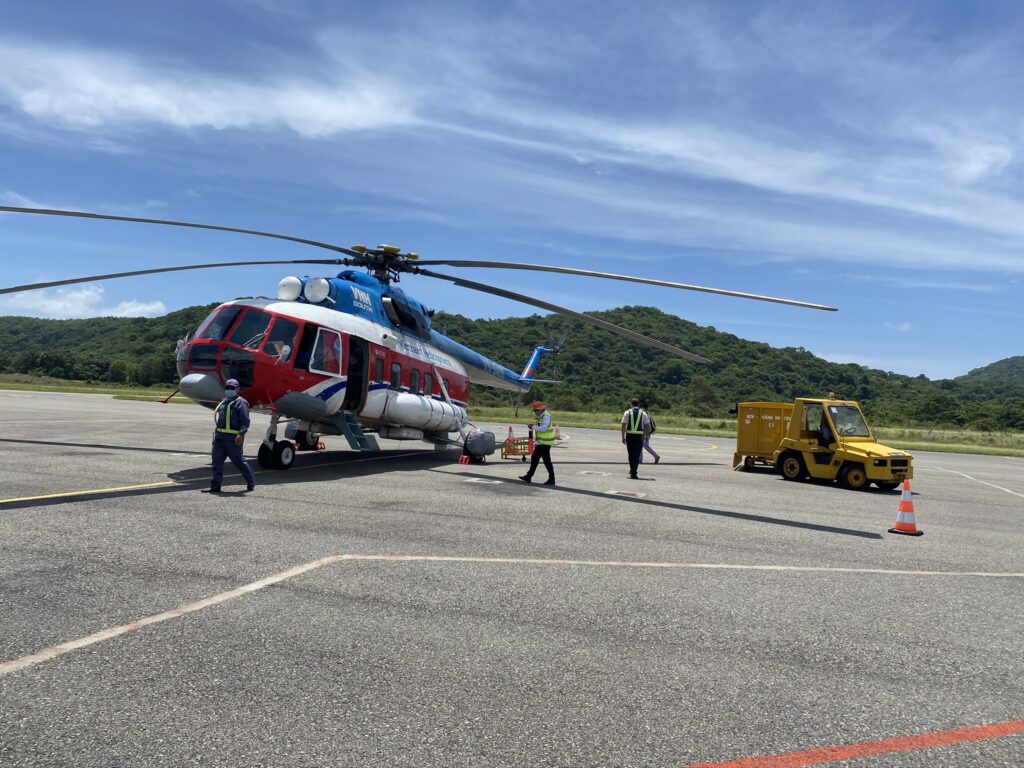
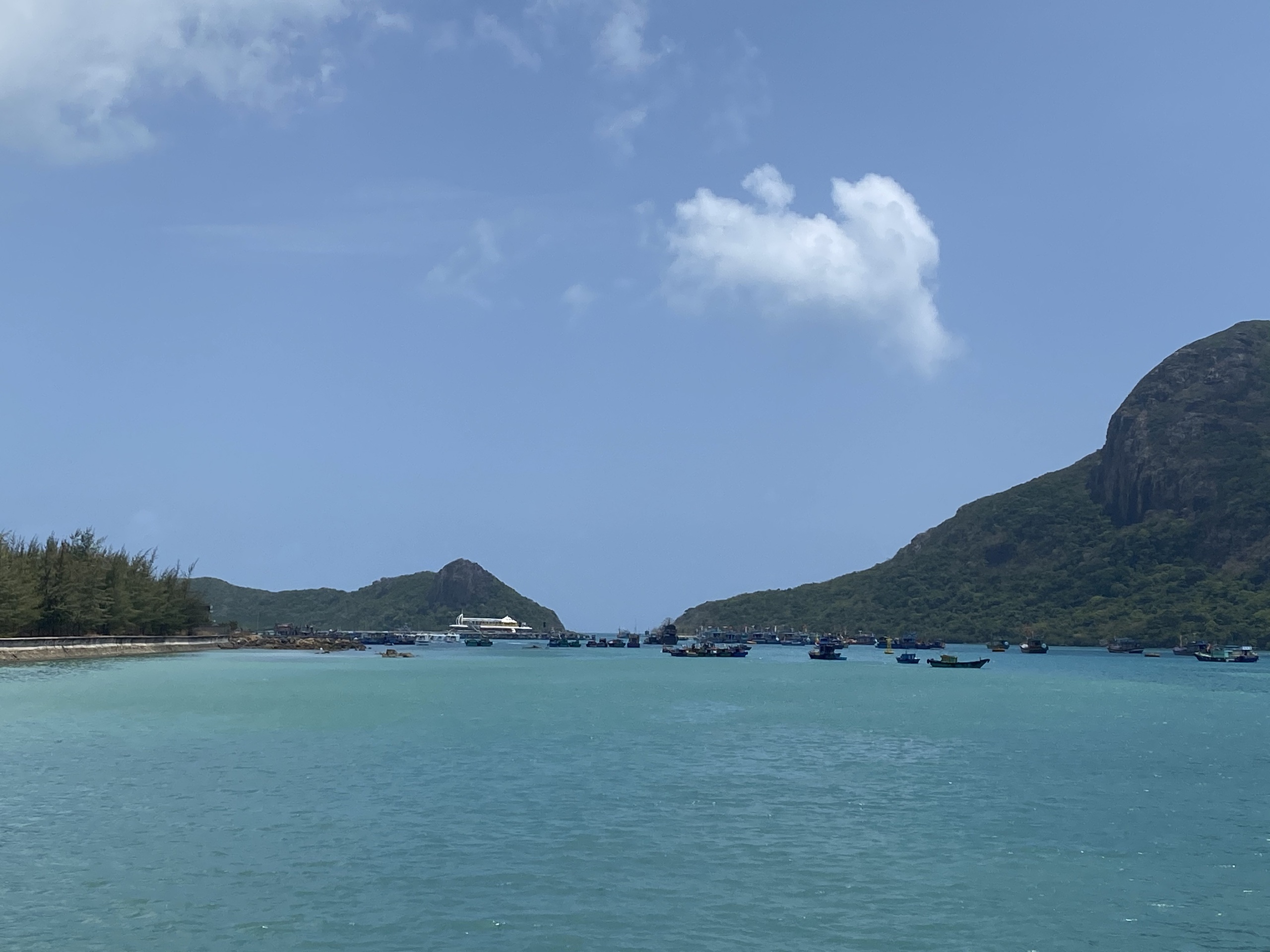
Côn Đảo greets visitors with golden sunshine and an endless blue sky, free of clouds. Along the 12-kilometer coastal road from the airport to the place of stay, vibrant bougainvillea in every shade form a colorful, welcoming gateway for travelers from afar.
It takes about four hours by ferry, or just over an hour by plane from Ho Chi Minh City, to reach Côn Đảo. With such convenient transportation, it’s surprising that I only managed to return for a few leisurely days when a work trip finally brought me back.
The Mystery of Côn Đảo
My time working on the island lasted around three days, packed with a tight schedule that left little room for sightseeing beyond quiet evenings after dinner. Though not large, Côn Đảo holds many intriguing corners. As part of an archipelago of 16 islands belonging to Bà Rịa–Vũng Tàu Province, it has been recognized by Travel + Leisure as one of the world’s top 10 most beautiful and mysterious archipelagos.
After several days of work, I decided to extend my stay for a few more days—to explore at a slower pace—and even invited a close friend from Saigon to join me.
In March, honey-gold sunlight spills across the narrow roads winding around the island. With only a few main routes, getting around is easy—no traffic jams, no risk of getting lost. Century-old almond trees cast cool shade along the main roads, silently witnessing heroic chapters of Vietnam’s history. T-shirts, sun jackets, hats, sunglasses, shorts, and flip-flops—riding a rented motorbike from the hotel, those carefree wandering days felt wonderfully liberating.
One beach the locals recommended was Đầm Trầu Beach, located close to the airport. Tucked deep within the island, it is calm and sheltered, with a graceful crescent shoreline stretching several kilometers.
From Đầm Trầu, a 10-minute walk over natural rocky outcrops leads to a small, hidden beach—quiet and wind-protected—with a refreshing freshwater stream flowing right beside it. Young travelers especially love this spot for its privacy and cleanliness, perfect for camping trips, lively BBQ gatherings, and romantic stargazing nights accompanied by the soothing sound of waves.
Another beach that often draws passersby along the coastal road is Bãi Nhát, about six kilometers west of the town center. This long, beautiful beach lies right beside the road and is one of the best places to watch the sunset. As dusk settles and the sun dips beyond the horizon, you can continue another one or two kilometers to Bến Đầm—the island’s main port—to witness fiery red hues enveloping fishing boats and the sea, creating a rare, almost dreamlike scene.
Following a small boat, we joined newly met island friends on a mackerel fishing trip offshore. Calling it “fishing” might be generous—we mostly watched the seasoned fishermen at work and waited eagerly for the reward: freshly caught seafood enjoyed right away. Fishing trips like these attract many anglers, especially on weekends.
Another much-talked-about activity is turtle watching and coral snorkeling. From May to October is turtle nesting season, when visitors can rent boats to nearby islands to witness baby turtles emerging from the sand and making their way to the ocean. You can also visit neighboring islets to swim, walk barefoot on fine sand, snorkel among coral reefs, or try your hand at fishing.
A Beloved Côn Đảo
I spent the next day swimming in the sea and gently swaying in a hammock strung between two sturdy casuarina trees. Cool breezes and the soft rhythm of waves lulled me into a peaceful nap.
I couldn’t help but think how lovely it would be to have my husband and playful daughter here—she playing with sand, he snorkeling in the bay. Or perhaps inviting a few couples of friends to camp on the island for several days. With relatively few tourists and such tranquility, Côn Đảo is ideal for a truly relaxing escape.
My friend agreed: this trip was perfect for pure rest; next time, we’d bring a bigger group and explore the national forest together.
Food on the island revolves mainly around seafood. We even went to the local market to buy seafood and picnic supplies, asking the vendors to cook them for us. Mackerel was the standout—fried, grilled, or cooked in sour soup—its meat sweet and fragrant, irresistible when dipped in good fish sauce. Other delicacies included ốc vú nàng (lady’s breast snails) and crabs, depending on the fishermen’s nightly catch.
The dishes may not be extravagant, but each is delicious, prepared simply to preserve its natural flavor.
Throughout my days on the island, I encountered gentle smiles and heartfelt kindness everywhere. Scattered across the island, the people of Côn Đảo support and care for one another, together creating a place that is peaceful, green, clean, and open.
On the final day, before returning to the mainland and the worries of everyday life, we paid our respects at the grave of Võ Thị Sáu and at Hàng Dương Cemetery.
A day—or many days—in Côn Đảo is a chance to explore a beautiful island of Vietnam, to feel gratitude, and to rest deeply in the pure air of golden sunshine, blue seas, and cherished companionship.