In recent days, social media has been flooded with alarming posts about a “deadly crab” appearing in large numbers around Côn Đảo (Hồ Chí Minh City). Many of these posts include frightening warnings claiming that eating this species could lead to “instant death,” causing widespread concern among locals and tourists.
The Crab in Question: The Toxic “Devil Crab”
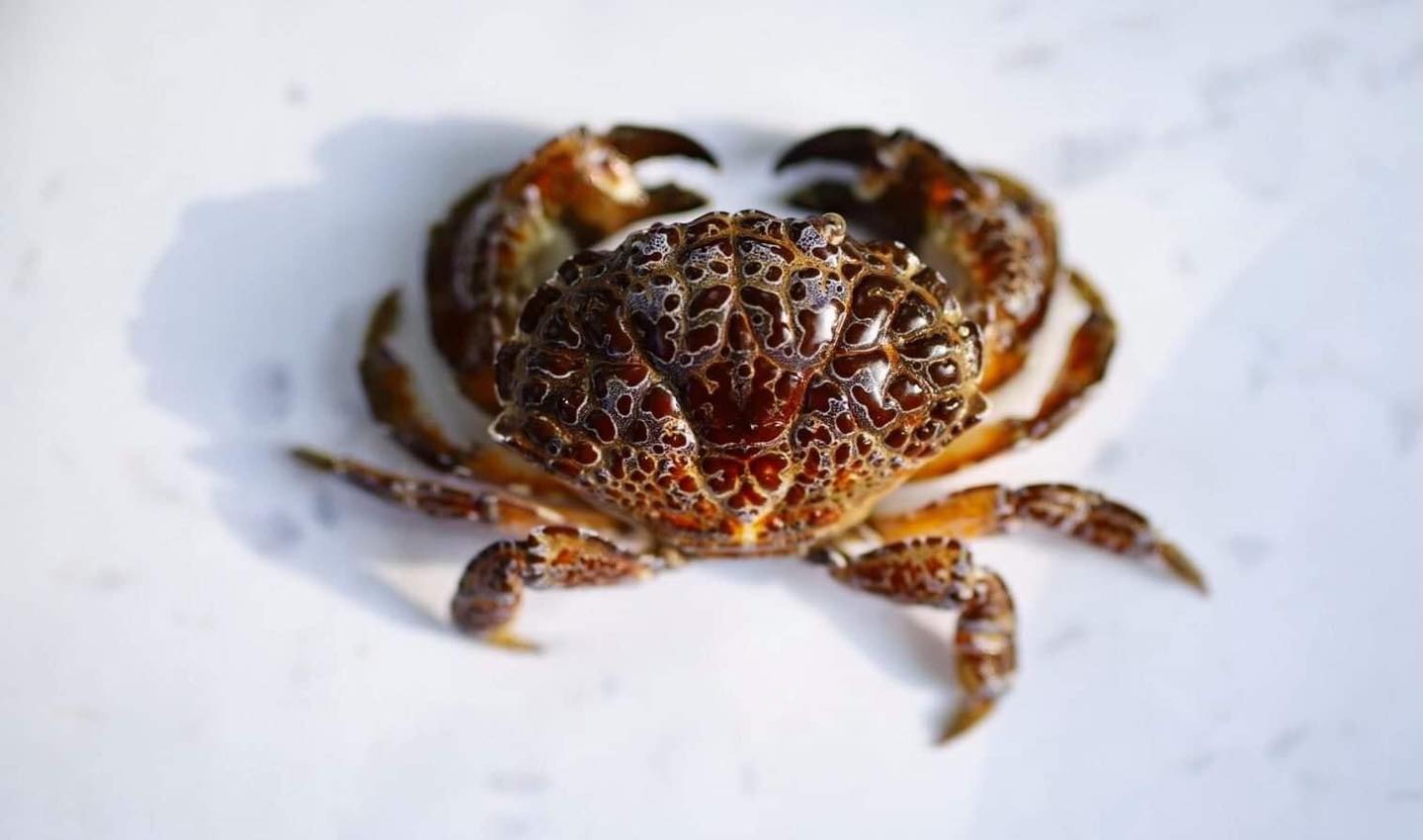
The species being discussed online is the Devil Crab, also known as the Toxic Reef Crab (Zosimus aeneus). Its appearance is striking—colorful, patterned, and unlike the edible crabs commonly found in markets.
Speaking to Thanh Niên newspaper, Dr. Đào Tấn Học of the Nha Trang Institute of Oceanography explained that the Devil Crab lives primarily in coral reefs and is widely distributed across many tropical marine regions. The crab is about the size of half a human palm and feeds on algae growing on reefs—where it absorbs high levels of natural toxins.
Experts note that multiple poisoning cases have been recorded over the years, including some fatal incidents. In 2015, three workers in Quảng Ngãi ate Devil Crabs they found along the coast; within an hour, all experienced severe numbness, difficulty breathing, and intense headaches.
The crab contains saxitoxin, a powerful neurotoxin found in its meat, eggs, claws, and especially its legs. This toxin can cause paralysis and, without immediate treatment, may lead to death. Symptoms include numbness of the limbs, tingling of the mouth, nausea, and vomiting.
In addition to saxitoxin, the Devil Crab also carries neurotoxin and tetrodotoxin—the same dangerous compounds found in pufferfish. These toxins affect the central nervous system and can stop respiratory function. Experts emphasize that anyone who accidentally eats this crab should vomit immediately and seek urgent medical care.
Côn Đảo Authorities Closely Monitoring Toxic Crustaceans
According to Mr. Nguyễn Khắc Pho, Director of Côn Đảo National Park, Devil Crabs do exist in the area but are not abundant.
Mr. Nguyễn Anh Nhựt, Vice Chairman of Côn Đảo District, shared that locals often refer to the species as “hairy crab” (cua lông) and have long known it to be dangerous. Côn Đảo has previously recorded fatal poisoning cases, including a tragic incident in which a grandfather and grandchild found the crab at a local market and brought it home to eat.
At the Côn Đảo market, strict safety measures are in place. Ms. Đỗ Hoàng Thọ Thu, Deputy Market Manager, confirmed:
- Hairy Crab (Devil Crab) is never allowed for sale.
- Market staff immediately remove and release any toxic species brought in by uninformed fishermen or visitors.
- Another toxic species, the “vinegar crab” (cua giấm), with sour-tasting meat and unusual coloration, is also banned and promptly returned to the sea.
“Any unfamiliar crab that doesn’t resemble the common edible species is immediately checked and confiscated,” Ms. Thu said. “Our priority is preventing locals and tourists from accidentally purchasing dangerous marine animals.”
Conclusion
While the Devil Crab does exist in Côn Đảo waters, it is not common, and no one on the island consumes it. Local authorities and the market management strictly monitor and prevent the sale of toxic marine species.
Tourists are advised to enjoy the island’s seafood from reputable restaurants and vendors, and avoid consuming any unfamiliar or visually unusual crabs found along beaches or reefs.