The place name Tam Thắng is deeply rooted in the early history of Vũng Tàu and dates back to the reign of Emperor Gia Long (1802–1820). To control and protect Ghềnh Rái Bay and the Cần Giờ estuary, the Nguyễn court deployed three military units—known as “thuyền”—to the Vũng Tàu area. These units were named Thắng Nhất, Thắng Nhì, and Thắng Tam.
After completing their mission, the three units were demobilized and permitted by the king to establish villages on the very land they had defended. From this historical origin, the name Tam Thắng—literally meaning “Three Thắng Units”—was formed.
The Meaning of “Thuyền” in the Nguyễn Military System
In this context, a thuyền was the smallest unit in the Nguyễn dynasty’s military structure, typically consisting of 50 to 100 soldiers. Thus, Thắng Nhất, Thắng Nhì, and Thắng Tam were originally three military detachments under Emperor Nguyễn Ánh (later Emperor Gia Long), stationed in Vũng Tàu near Ghềnh Rái Bay to guard the southern maritime gateway.
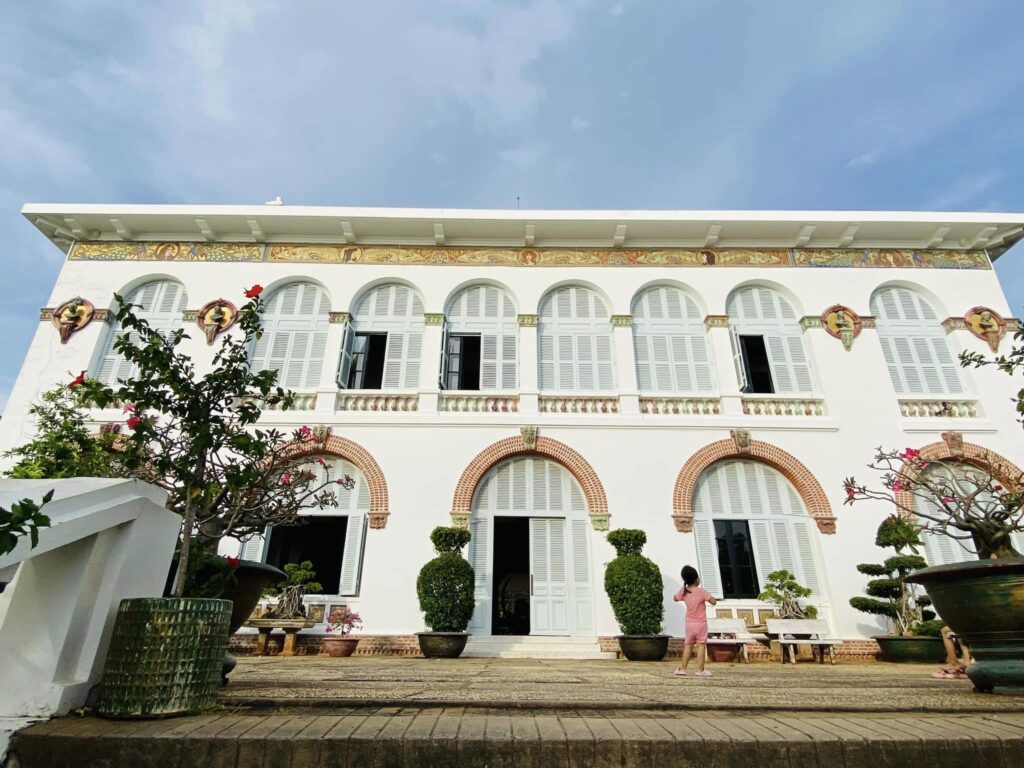
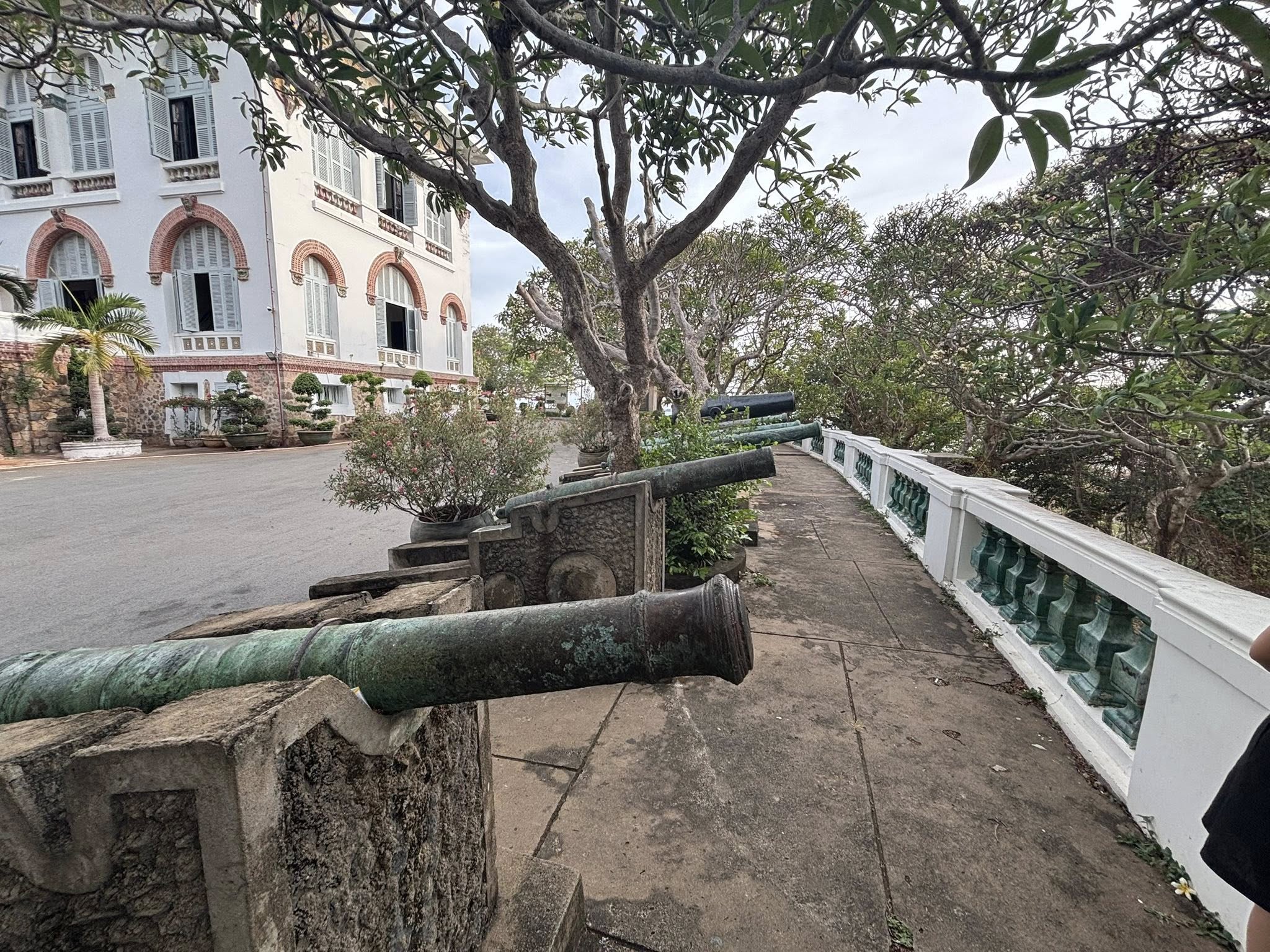
Historical records note that Malay pirates frequently raided the waters near the Saigon River estuary, threatening vessels traveling between Huế, Đà Nẵng, and Saigon. To counter this threat, Emperor Gia Long dispatched the three units, each led by an officer with the rank of Suất đội, to secure the Vũng Tàu–Cần Giờ waters and repel pirate attacks. The defensive outpost was named Phước Thắng Fort, located at the present site of Bạch Dinh.
Once piracy had been eliminated, in 1822 during the reign of Emperor Minh Mạng, the soldiers were officially discharged, granted land, and exempted from taxes so they could establish permanent settlements on the former military grounds.
The three commanding officers—Phạm Văn Dinh (Thắng Nhất), Lê Văn Lộc (Thắng Nhì), and Ngô Văn Huyền (Thắng Tam)—led land reclamation efforts and founded three villages bearing the names of their respective units. In later years, all three men were honored and worshipped at the Tiền Hiền altars of the communal houses in these villages.
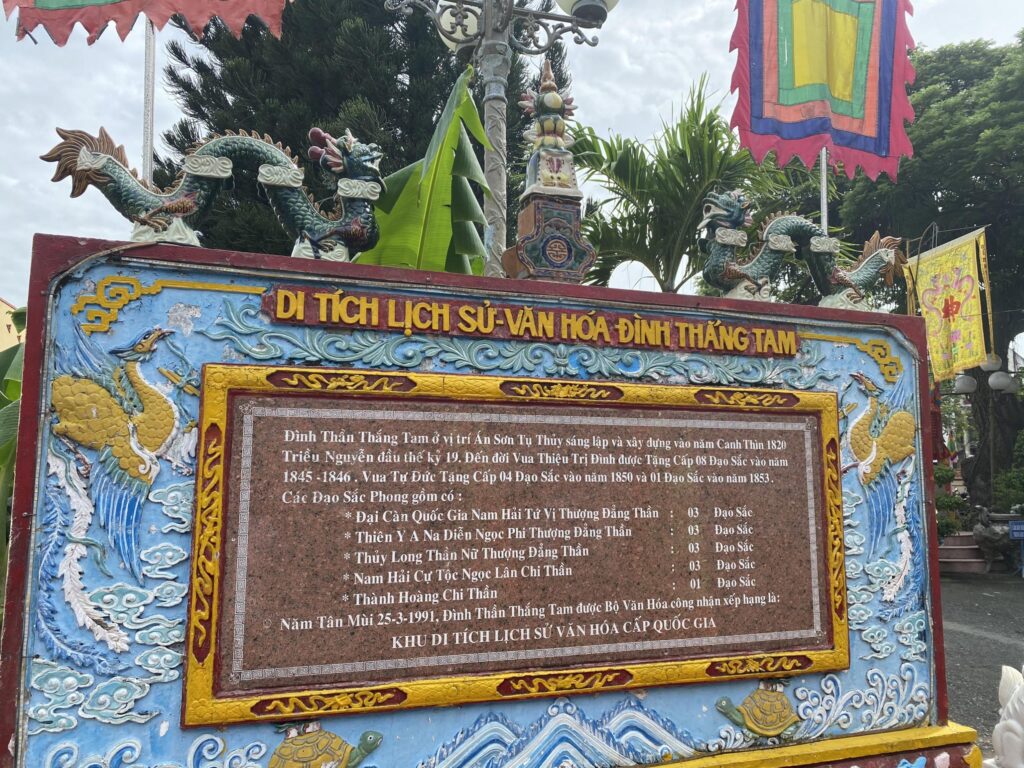
Over time, Tam Thắng evolved linguistically from Tam Thuyền or Tam Thoàn. Under the reigns of Emperors Thiệu Trị and Tự Đức, Tam Thắng belonged to Phước Thắng Prefecture, Phước An District. The Nguyễn court granted 13 royal edicts to Thắng Tam Communal House, many of which are still preserved today.
In modern times, the name Tam Thắng lives on through the wards of Tam Thắng, Rạch Dừa, and Vũng Tàu, now part of Ho Chi Minh City—serving as a lasting tribute to the pioneers who protected, reclaimed, and shaped the land of old Vũng Tàu.
Thắng Nhất – “The Land of Rolling Hills”
Thắng Nhất, the leading unit of early Vũng Tàu, was established in the early 19th century under Emperor Gia Long. After more than two centuries, the former village has grown into one of the city’s bustling urban areas.
According to the Nguyễn Dynasty Land Registers compiled by Nguyễn Đình Đầu, Thắng Nhất village was located in the Rạch Dừa region, bordered by Phước Tỉnh to the east, Thắng Nhì to the west, sand dunes and rivers forming natural boundaries. The terrain was characterized by rolling hills, burial grounds, and areas of wild forest.
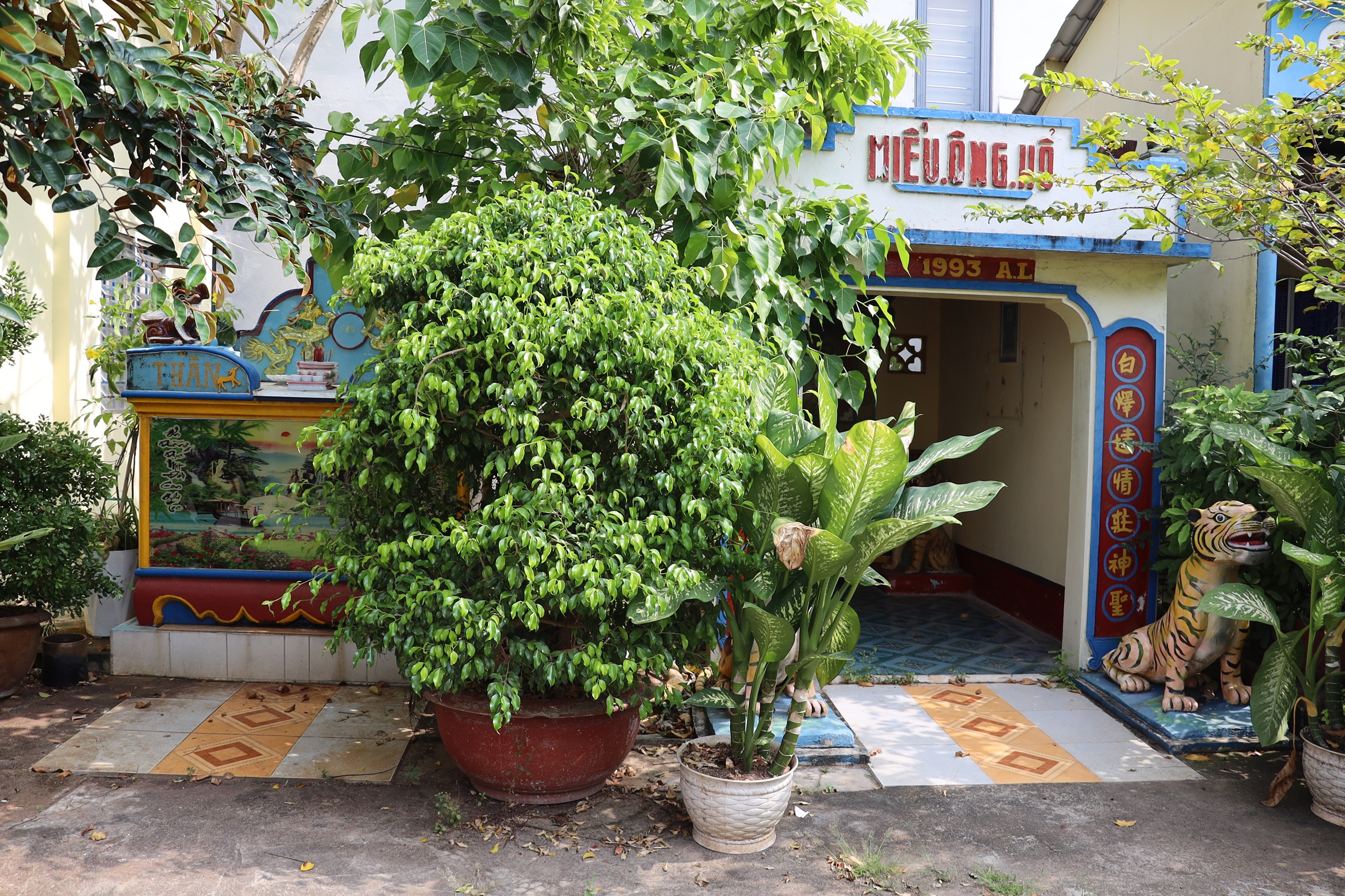
Today, the former territory of Thắng Nhất corresponds to parts of several modern wards, including Nguyễn An Ninh, Rạch Dừa, and Thắng Nhất. The most significant surviving cultural complex is the Thắng Nhất Communal House – Whale Temple – Five-Elements Goddess Shrine, with Thắng Nhất Communal House built in 1822. Its Tiền Hiền hall enshrines the pioneers, including Phạm Văn Dinh.
Late 19th-century French accounts described the local economy as modest: small-scale rice farming near marshes, fishing as the primary livelihood, salt fields covering about eight hectares (exploited from 1899), and shellfish gathering along rocky shores.
Before 1975, Thắng Nhất consisted of several hamlets such as Phương Hoa, Thủy Giang, and Nam Đồng. The area was known for fruit farming, fishing, charcoal and lime kilns, carpentry, and especially Rạch Dừa Wharf, a major port connecting Vũng Tàu and Saigon.
Thắng Nhì – A Bustling River-and-Sea Settlement
Located on the western side of the Vũng Tàu peninsula, Thắng Nhì occupied a strategic position with three sides facing the sea, bordered by Ghềnh Rái Bay and key waterways such as the Lòng Tàu and Dinh rivers.
Formed in the early 19th century, Thắng Nhì was led by Lê Văn Lộc. Nguyễn-era records from 1836 describe its boundaries in detail, confirming that today’s Vũng Tàu Ward and Tam Thắng Ward largely overlap the former village lands.

Historically, residents relied on fishing, charcoal production, small-scale agriculture on the slopes of Núi Lớn (Big Mountain), and trades such as carpentry and blacksmithing. After 1954, migrants from Nam Định introduced new fishing techniques, further diversifying local livelihoods.
The area preserves many important heritage sites, including Thang Nhi Village Communal House, the Whale Temple, Five-Elements Goddess Shrine, Phước Lâm Pagoda, Thích Ca Phật Đài, and Linh Sơn Điện Bà. Near Bãi Dâu stands the legendary Giếng Ngự (Royal Well), associated with Nguyễn Ánh’s escape from Tây Sơn forces.
A defining feature of Thắng Nhì is Chợ Bến Đình, one of the oldest markets in Vũng Tàu, once a vibrant wholesale hub where boats from central and western Vietnam traded seafood and mangrove charcoal.
Thắng Tam – From Military Post to Coastal Village
Thắng Tam, led by Ngô Văn Huyền, was originally a demobilized military unit rather than a traditionally formed village. Its population largely consisted of former soldiers under Emperor Minh Mạng.
The former territory of Thắng Tam covered much of today’s central Vũng Tàu, characterized by ponds, wetlands, and coastal lagoons stretching from Núi Nhỏ to Cửa Lấp. Many old place names—Bàu Sen, Bàu Trũng, and others—still survive in modern geography.
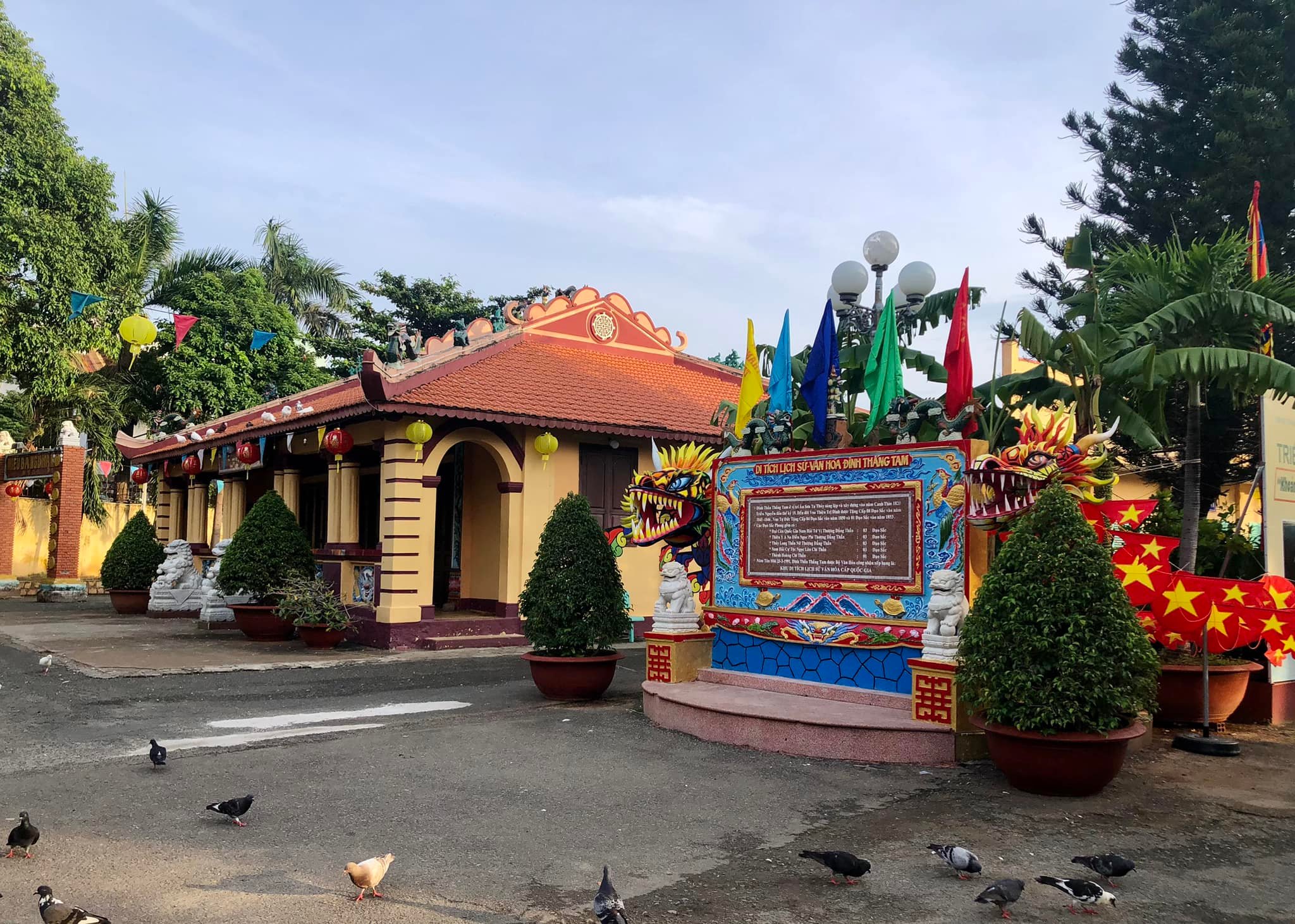
Thắng Tam is home to one of the most important heritage complexes in Vũng Tàu, centered around Thang Tam Village Communal House, built in 1820. Nearby are the Whale Temple (Lăng Ông Nam Hải), housing whale skeletons up to 18 meters long, and the Five-Elements Goddess Shrine, built in 1834.
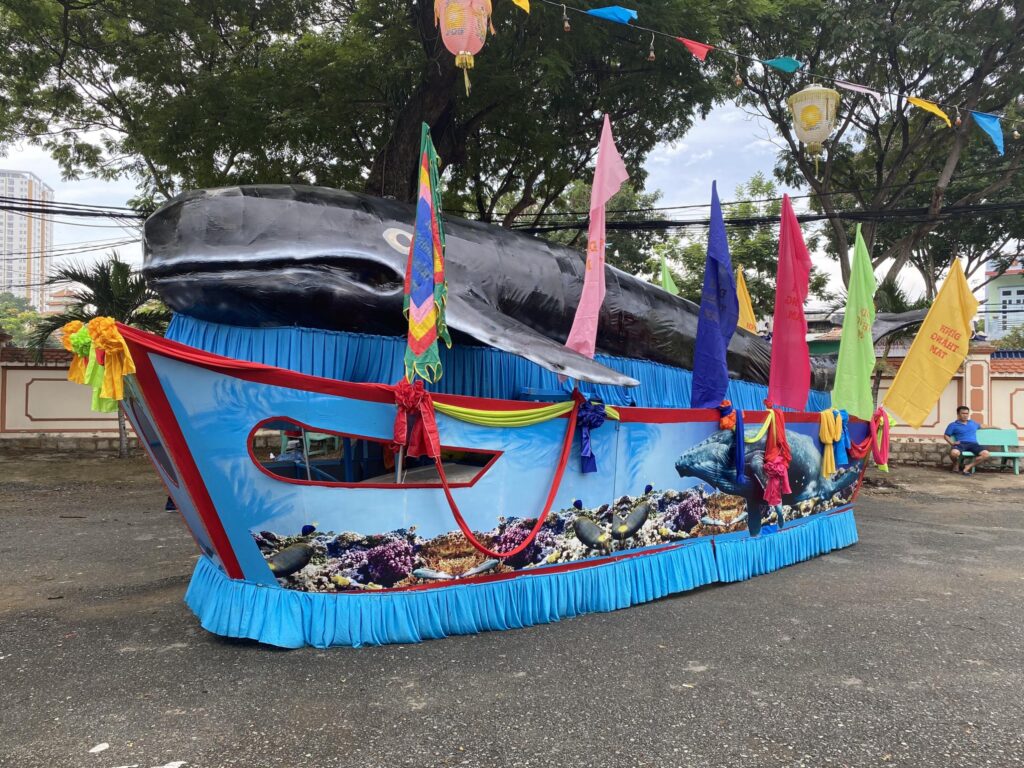
The Nghinh Ông Festival, held annually in the eighth lunar month, is recognized as one of Vietnam’s 15 National Intangible Cultural Heritage Festivals, celebrating the whale deity revered by coastal fishermen.
After two centuries, Tam Thắng has evolved from three military units into modern urban wards. Despite profound historical changes, the area continues to preserve place names, landmarks, and communal houses that reflect the pioneering spirit of early settlers.
Together, Thắng Nhất, Thắng Nhì, and Thắng Tam form the historical backbone of Vũng Tàu—marking its transformation from a frontline maritime outpost into a vibrant coastal city, while honoring the enduring legacy of those who first reclaimed and defended this land at the edge of the sea.