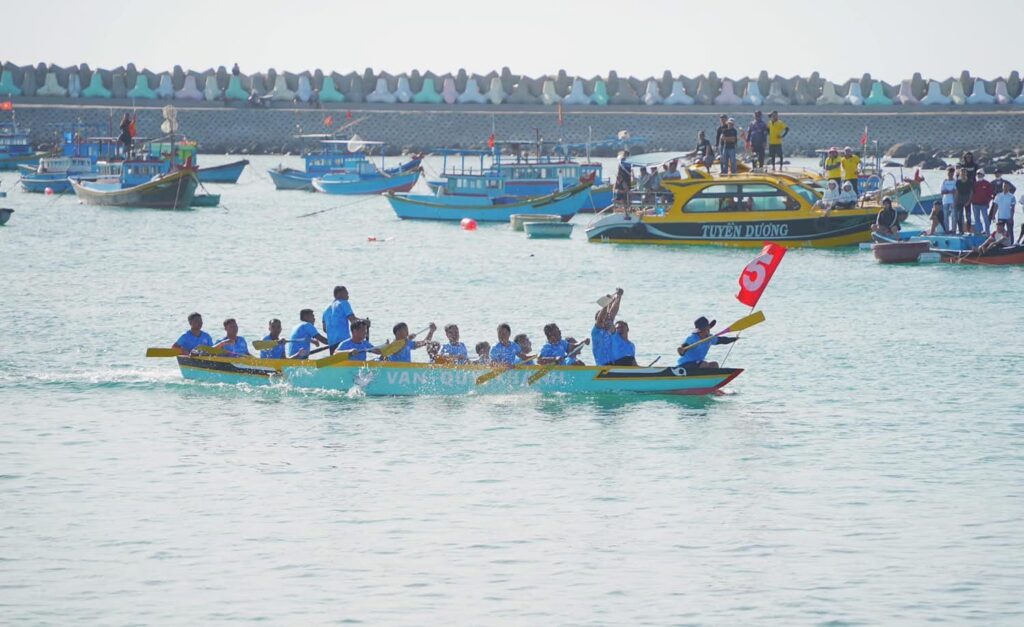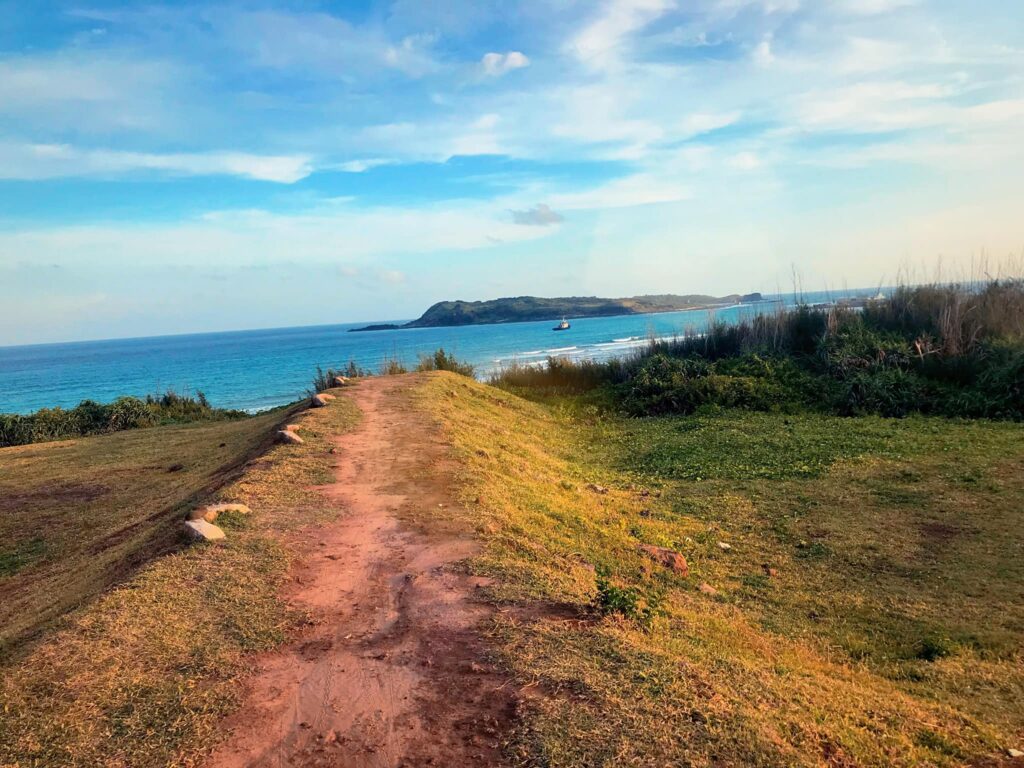
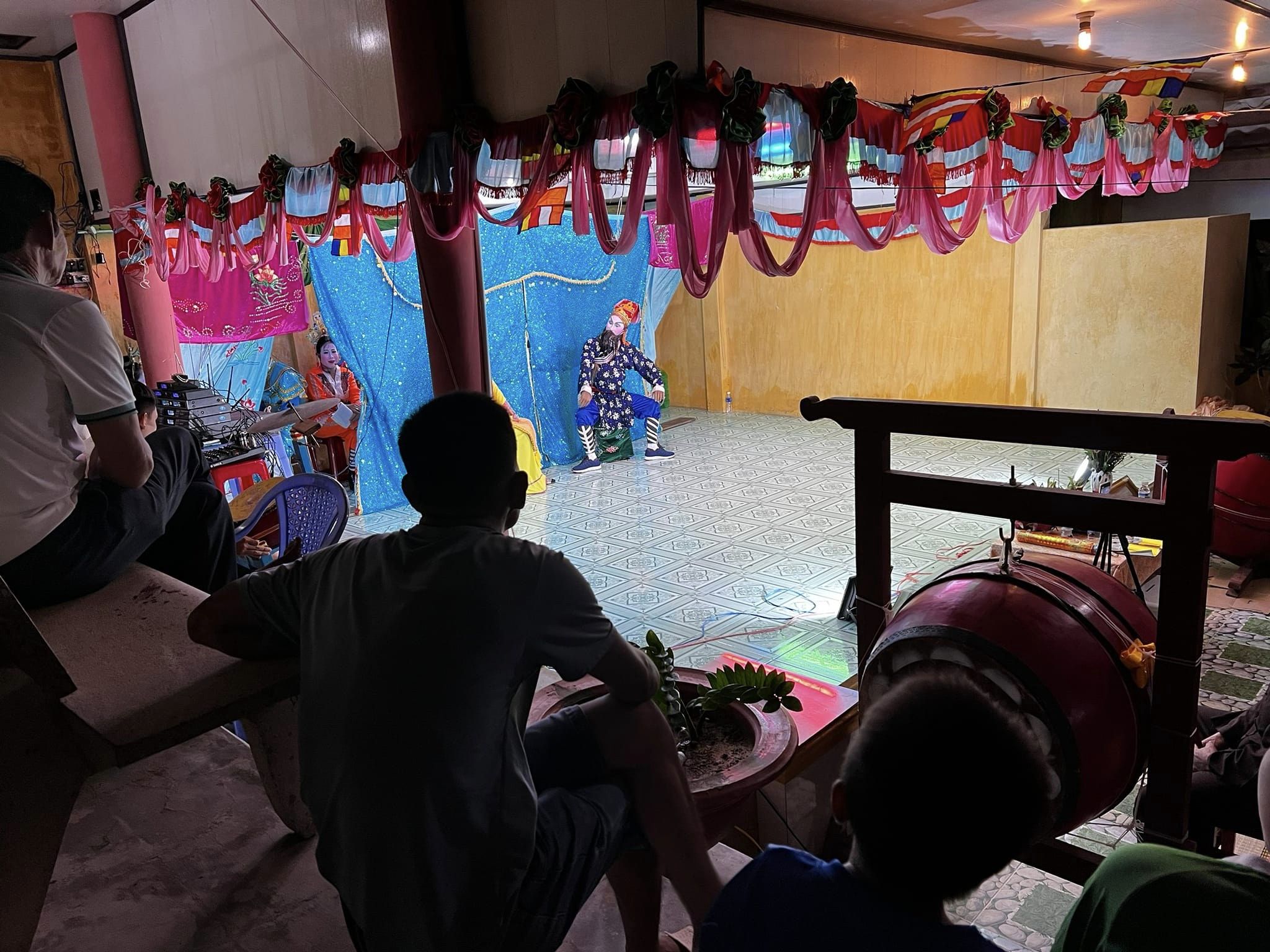
Living in the middle of the vast ocean and in an isolated environment, the people of Phu Quy Island have, for generations, built a way of life deeply tied to the sea. Most islanders originally came from other regions, bringing with them diverse customs and beliefs. These layers of cultural interaction have formed a unique island identity—both familiar and distinct from mainland Vietnam.
Traditional Customs and Community Values
Despite modern changes, Phu Quy Island still preserves many old customs, reflected in daily habits, social etiquette, and traditional rites such as weddings and funerals.
Islanders have long lived in a spirit of solidarity, mutual support, and equality. Due to a long history of self-sufficient living, class divisions never grew as sharply as in many mainland communities. People see one another almost as extended family, tied together by shared origins from the poor central region. This creates a strong sense of kinship, unity, and neighborly affection.
Most settlements stretch along the narrow coastal strip—densest in the southwest (Ngu Phung and Tam Thanh communes) and the northeastern area of Long Hai. Interestingly, houses on the island have no formal numbers. At first this seems inconvenient, but locals easily navigate by asking for the home of a well-known elder or knowledgeable villager. Names are also used differently: out of respect, older people are seldom addressed directly; instead, they are called by the name of their eldest child or grandchild.
Betel Chewing – A Living Tradition
The ancient Vietnamese custom of chewing betel and areca nut remains very much alive in Phu Quy. Almost every elderly household keeps a traditional “betel box.” Because some ingredients are scarce on the island, locals replace certain items—such as the bark of the chát tree—with island-grown tobacco leaves. The mixture of sweet areca, spicy betel leaf, lime paste, and aromatic tobacco creates a warm, distinctive flavor that enriches conversations and hospitality.
Spiritual Life and Beliefs of the Fishing Community
Life on a remote island, surrounded by unpredictable seas, profoundly shapes local spirituality. For generations, the sea has provided both livelihood and hardship, joy and loss. As a result, the people of Phu Quy hold strong beliefs in marine deities, especially the cult of Ông—the Whale God (Nam Hai).
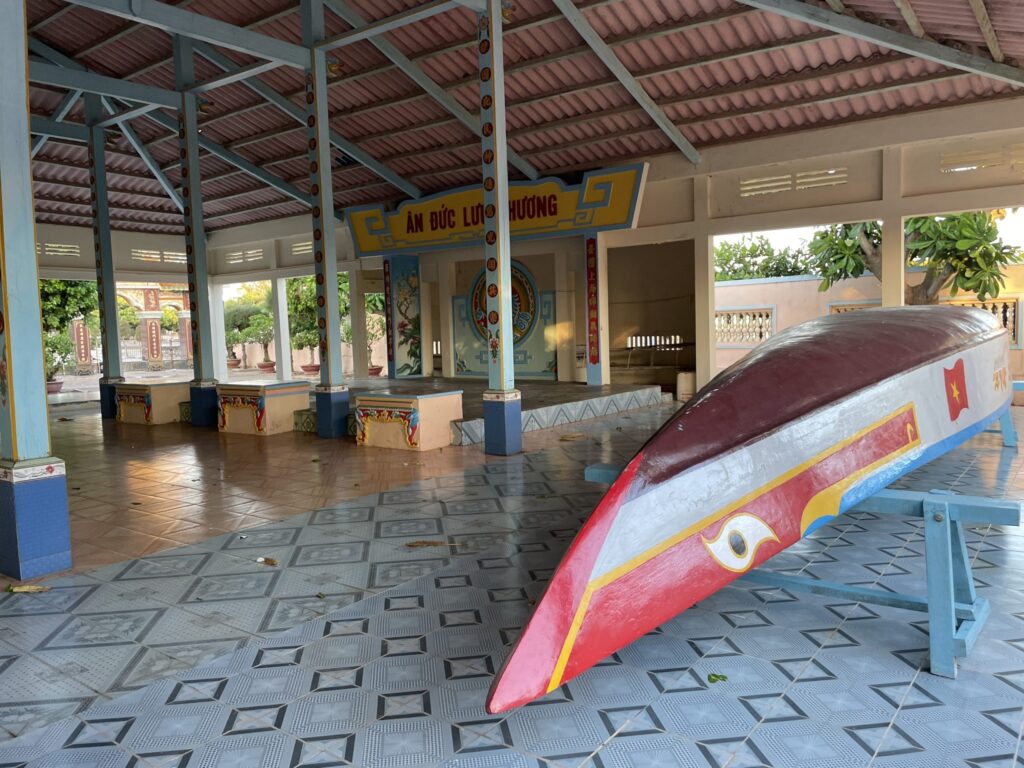
Fishermen believe whales rescue sailors in distress, and when a whale dies (ông bà lụy), it is considered sacred. Fishermen, no matter how far from shore, immediately bring the whale to land for burial. Those who first discover the body must observe mourning rituals, lasting from 24 to 36 months depending on the whale’s size. During this time, they must refrain from improper behavior to avoid offending the spirit.
Whale funerals are grand communal events. Fishermen gather to carry out rituals, chant ceremonial songs, and perform the Bá Trạo dance to honor the deity’s compassion before reinterring the bones in community shrines (lăng vạn). Phu Quy has up to ten such shrines across its three communes.
This belief reflects the islanders’ conviction that every landscape has its guardian spirit—“the land has its tutelary deity, the river its god.” Worship provides comfort, spiritual protection, and the strength to face life’s uncertainties.
The Influence of Buddhism
Alongside traditional beliefs, Buddhism plays a central role in the island’s spiritual life. Facing the hardships of isolation, storms, and limited resources, islanders turned to Buddhism for solace and moral guidance.
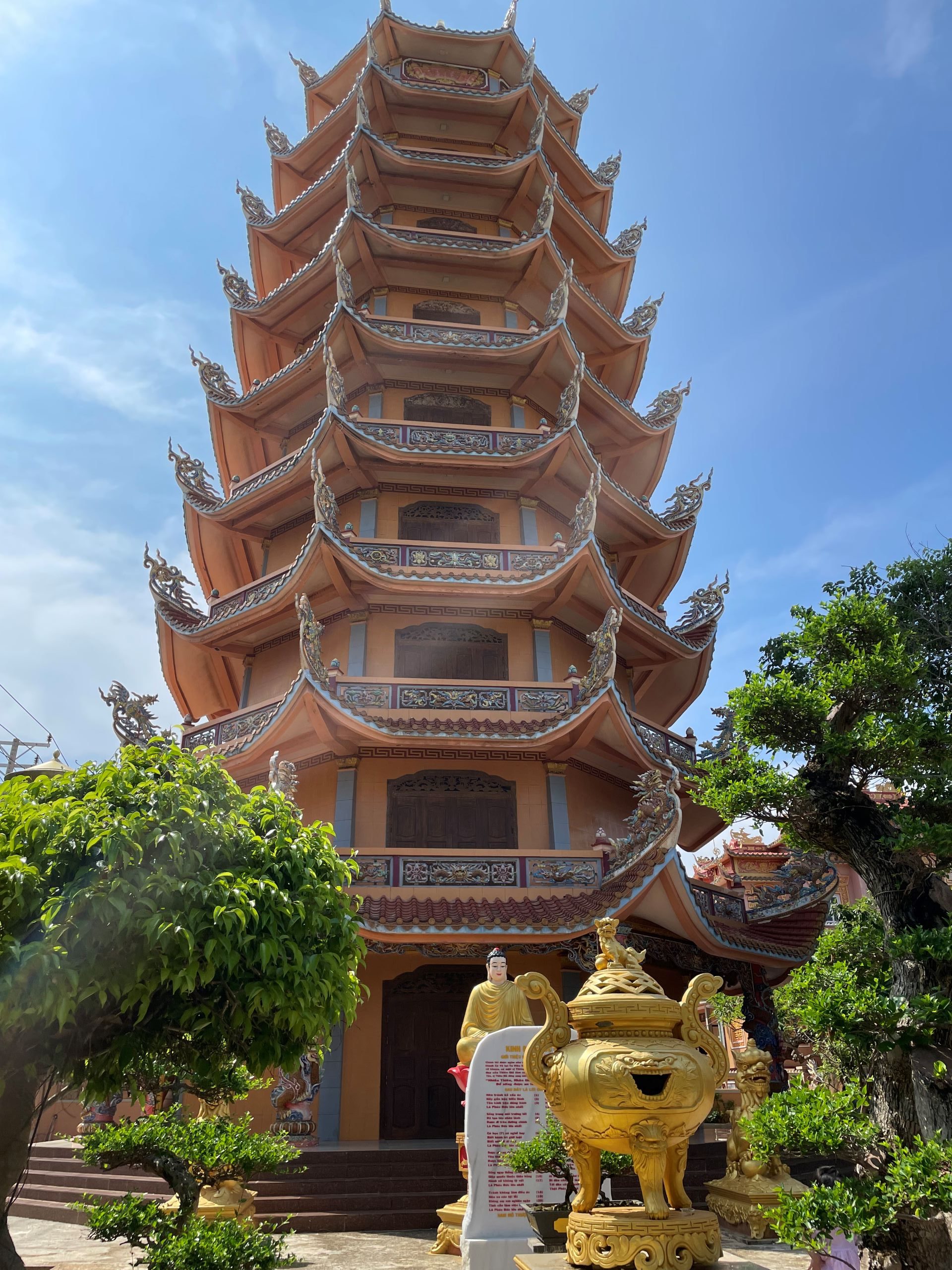
Despite its small size (only 16.4 km²), Phu Quy has seven pagodas. The most prominent is Linh Quang Pagoda, founded in 1747 and linked to King Gia Long. Its deep historical, architectural, and spiritual significance—together with many legendary stories—gives the temple an aura of mystery and reverence.
A Multilayered Cultural Landscape
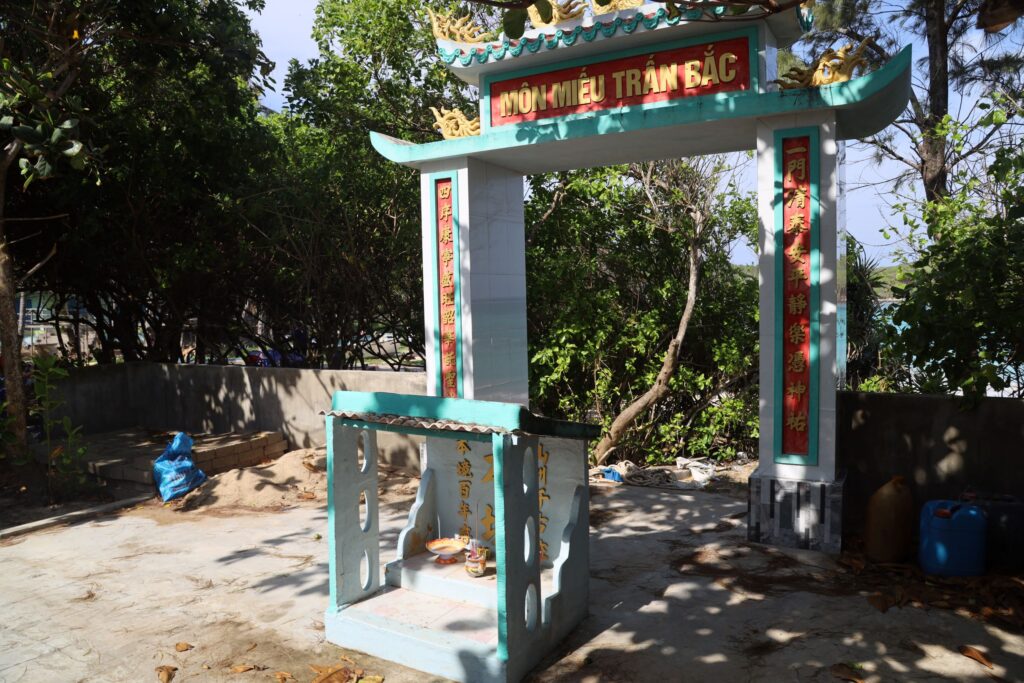
Phu Quy’s belief system is inherently polytheistic. Alongside ancestor worship and household deities, villages also honor tutelary gods (Thành Hoàng), and Tiền Hiền—the early founders of the settlement. Numerous communal houses exist across the island, such as Trieu Duong, My Khe, Hoi An, and Phu My.
Other spiritual sites include:
- Miếu Bà Giàng – dedicated to the island’s stone deity
- Miếu Cây Da – worshiping the Cham goddess Thiên Y A Na
- Miếu Bà Chúa Xứ – dedicated to Princess Bàn Tranh
- Shrines for Bà Chúa Ngọc, Bạch Mã Thái Giám, Quan Thánh, and Thầy Sài Nại (a revered Chinese protector spirit)
Each deity carries unique cultural stories that enrich the island’s spiritual tapestry.
Festivals and Cultural Heritage
Like many regions of Vietnam, Phu Quy hosts numerous traditional festivals at the start of the lunar year—when migrants return home and fishing activities slow down. Major festivals include:
- Linh Quang Pagoda Festival
- Bàn Tranh Temple Festival
- Thầy Nại Procession
- Nghinh Ông Whale-Worshiping Festival
These events allow locals to honor deities and ancestors who protect the island and its people.
A Culture Formed by Nature, History, and Migration
Phu Quy’s cultural identity is shaped by the island’s harsh natural environment—storms, winds, and waves—and by centuries of migration from different regions, including the Cham, Kinh, and Chinese communities.
Over hundreds of years, these cultural elements blended and evolved into a distinctive island culture characterized by:
- A deep spiritual connection to the sea
- Strong community bonds
- Diverse multi-ethnic heritage
- A rich body of folk literature, songs, rituals, and legends
Phu Quy is not just a beautiful island—it is a living cultural mosaic formed through resilience, harmony, and the timeless spirit of the sea.