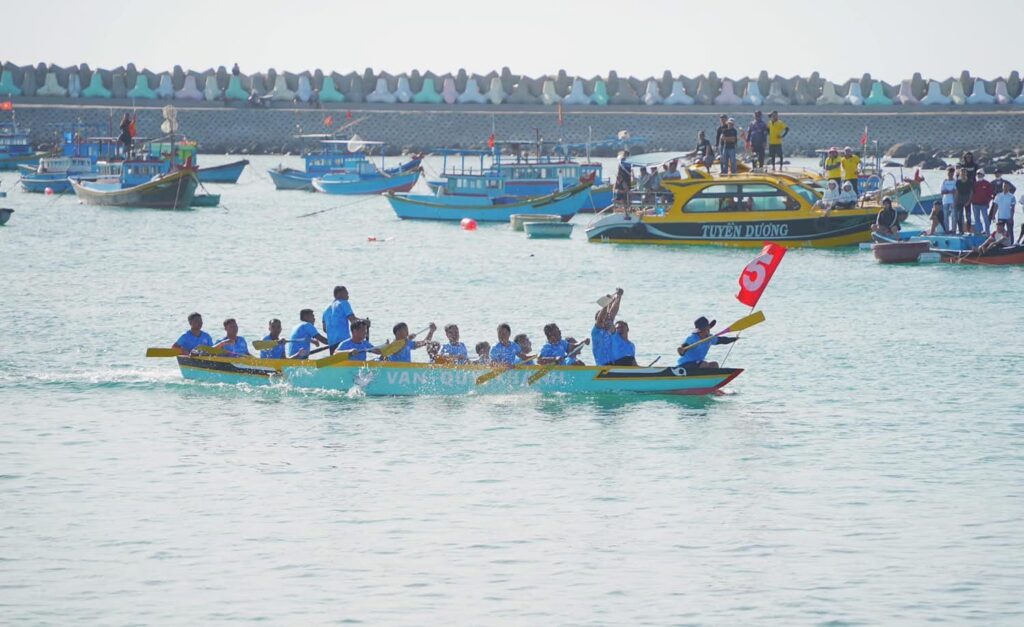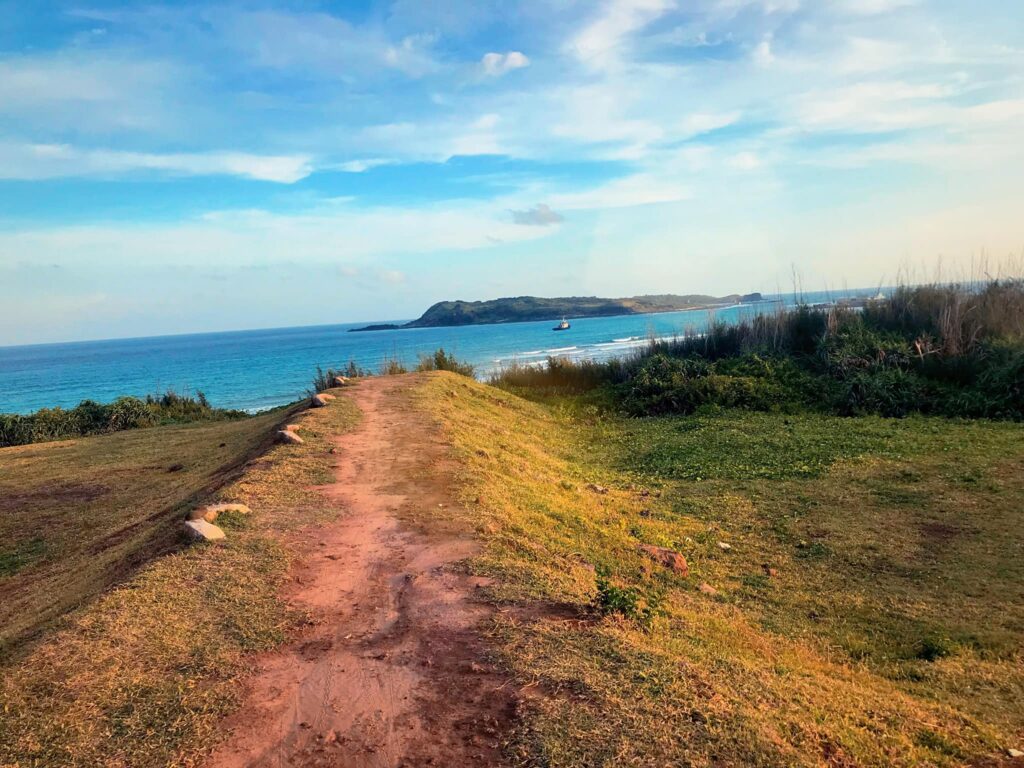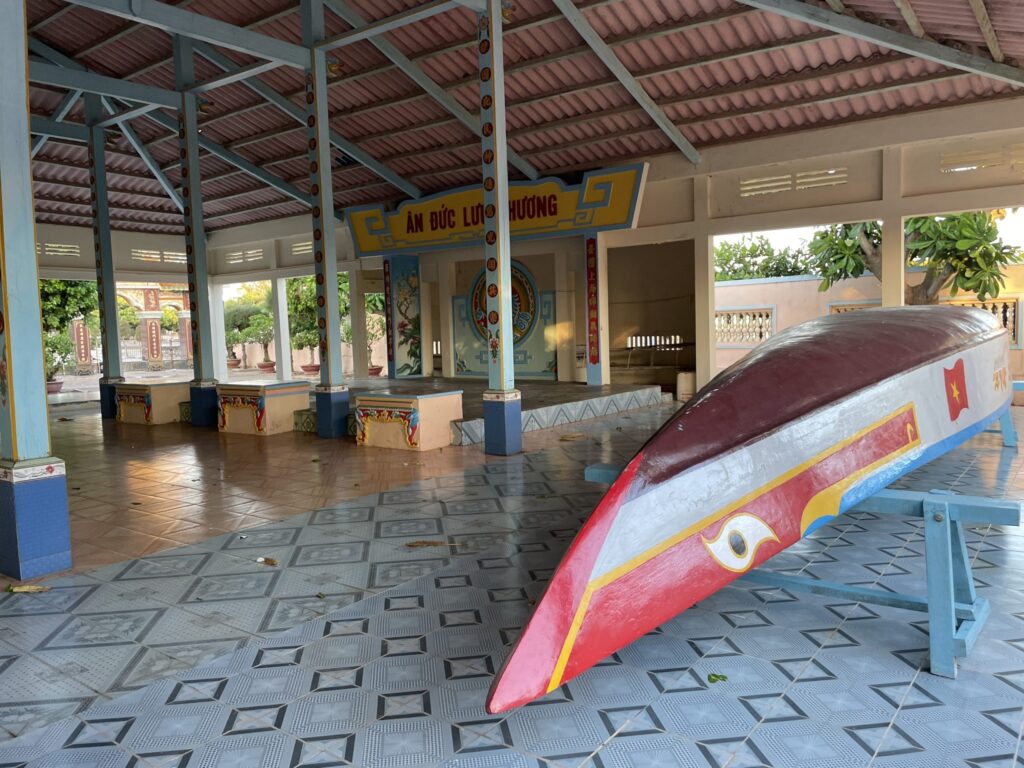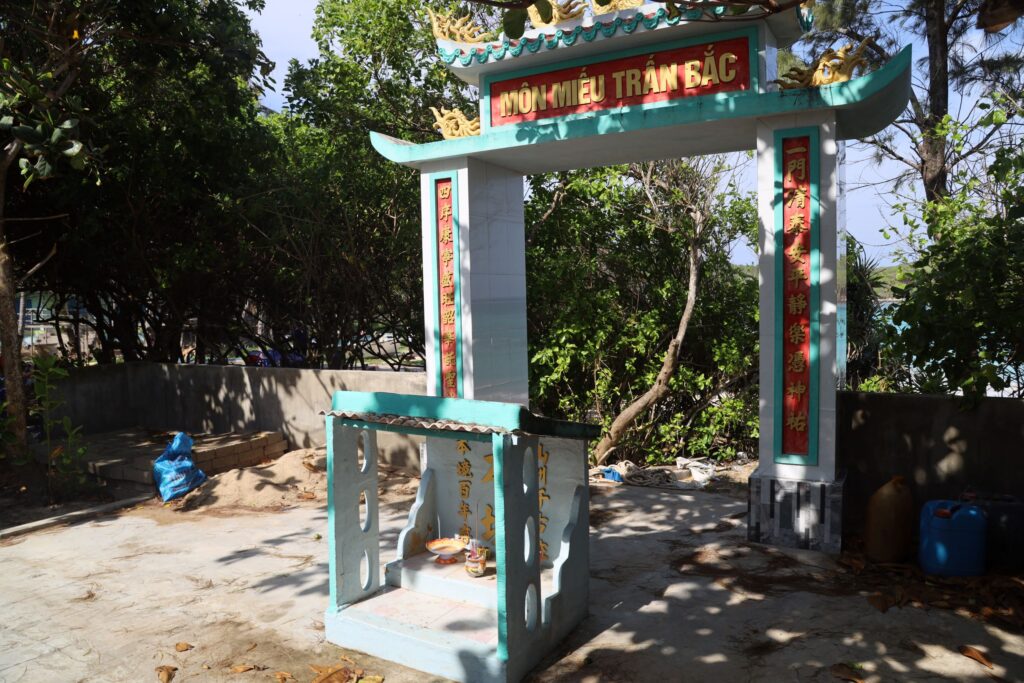

With numerous spiritual sites scattered across the island, Phu Quy hosts a rich tapestry of ceremonies and festivals throughout the year. Most worship houses and temples observe two major annual rites:
- The Spring Ritual (usually in the first or second lunar month)
- The Autumn Ritual (usually in the seventh or eighth lunar month)
This follows the traditional Vietnamese belief of “praying in spring, giving thanks in autumn” as well as ceremonial structures established during the Nguyen Dynasty. In addition, many spiritual communities on the island also hold larger festivals, such as whale worship ceremonies or the death anniversaries of deities.
The timing and scale of each festival vary by village and are determined by ritual masters (thầy lễ, thầy cúng) based on ancient texts, astrology, and traditional auspicious calendars.
Depending on the capacity of each village, a ceremony may include both the formal ritual and the festive celebration (lễ và hội), or in some cases, only the ritual. All ceremonies follow long-preserved customs and protocols. The most outstanding festive element—classical Vietnamese opera (hát bội)—is traditionally performed every two years. Overall, the island’s festivals fulfill both spiritual needs and social entertainment for its residents.
The Death Anniversary of Princess Ban Tranh
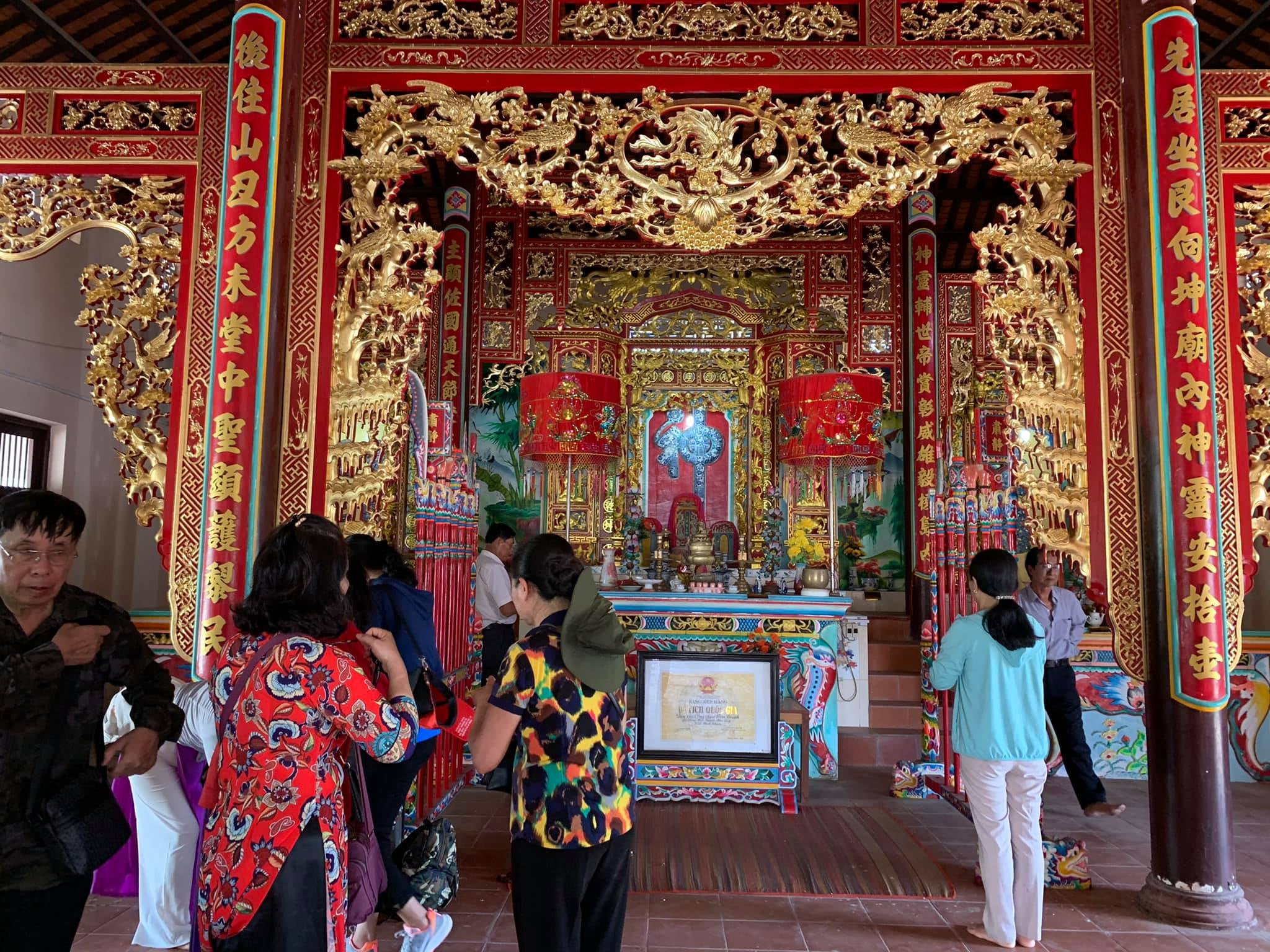
Held annually on the 3rd day of the first lunar month, this ceremony honors Princess Ban Tranh, a Cham noblewoman deeply respected for her role in protecting and developing the island.
The ritual involves a procession carrying the royal decree (sắc phong) from the village temple responsible for worship to the Princess Ban Tranh Temple for the main ceremony. From there, the decree continues to the Sai Nai Master Temple for an additional rite before being returned to its original site.
The festive activities take place only at the Sai Nai Master Temple because, according to tradition, no singing or feasting is allowed at Princess Ban Tranh’s sanctuary.
The Master Worship Transfer Ceremony (Lễ Giao Phiên Kỵ Thầy)
Held on the 4th day of the fourth lunar month, this ceremony marks the handover of ritual responsibilities from one village to the next.
A procession carries the royal decree first to the Princess Ban Tranh Temple, then to the Sai Nai Master Temple, where the formal sắc phong proclamation and main worship ceremony are conducted. At the end, the decree is transferred permanently to the next village responsible for hosting the rituals that year.
Worship at the Guan Sheng Emperor Temple (Đền Quan Thánh)
Unlike other temples or whale temples on the island, the Guan Sheng Emperor Temple does not hold large annual festivals. Instead, smaller worship rites take place on full moon days, similar to Buddhist temples. Locals frequently visit to pray for good fortune, prosperity, and protection.
The Whale Worship Festival (Lễ hội Cầu Ngư)
This is one of the island’s most important maritime festivals, held at various Whale Temples (lăng vạn).
Unlike other festivals where the nghệ sắc rite occurs on the morning of the main day, the Whale Worship Festival performs this rite the night before, followed by the decree procession the next morning.
The Welcoming the Deity Ceremony (Nghinh Thần) happens twice:
- At the whale temple on the eve of the main festival
- At sea on the morning of the main day, where villagers welcome Thần Sanh—the deity of waves and sea—from the open water or shoreline
Whale temples also host rituals associated with whale veneration, such as burial rites, the Thượng Ngọc Cốt (exhumation and re-entombment), and annual offerings—ceremonies rooted in deep maritime beliefs.
The Whale Burial Ceremony (Lễ An Táng Cá Ông)
In island folklore, whales—reverently called “Ông” (The Sir)—are sacred guardians who rescue fishermen during storms. Therefore, when a whale washes ashore (called Ông Lụy), the entire village halts fishing activities to organize a solemn burial.
The person who first discovers the whale must serve as the chief mourner, wearing mourning attire for two or three years depending on the whale’s size. After burial, offerings are made on the 3rd day, 7th day, 49th day, 100th day, and on the anniversary of death—similar to human funeral traditions.
This expresses profound gratitude and humaneness, reflecting the deep bond between fishermen and the sea.
Cham culture views whales as incarnations of the sea deity Cha-Aih-Va (Pô Ri Ak), while Buddhist legend regards whales as beings transformed from the robe of the Bodhisattva of Compassion. In both traditions, they are revered as divine protectors.
The Exhumation Ceremony – “Thượng Ngọc Cốt”
Once the mourning period ends, ritual masters choose an auspicious day to exhume the whale bones—called Ngọc Cốt (“jade bones”). The bones are washed with well water, then purified again with rice wine before being placed into a wooden chest.
The wine used to cleanse the bones is sprinkled onto fishing gear for luck.
During the exhumation and procession, ceremonial drums and traditional ngũ âm music accompany the ritual. Upon arrival at the temple, offerings are made to properly reinstall the sacred remains, which are preserved permanently inside the whale temple.
Each whale temple is considered a sacred spiritual center where Phu Quy fishermen pray for calm seas and safe voyages.