


Hang Duong Cemetery in Con Dao is one of Vietnam’s most significant historical and spiritual memorial sites. Located on Con Dao Island, the cemetery is the final resting place of thousands of Vietnamese revolutionaries, patriots, and political prisoners who died during the operation of the notorious Con Dao prison system.
For many Vietnamese visitors, Hang Duong Cemetery is more than a historical landmark. It is a sacred place of remembrance, gratitude, and reflection, where people come to honor those who sacrificed their lives for Vietnam’s independence and freedom.
Every year, especially during important national commemorations such as Reunification Day on April 30, May 1, and War Invalids and Martyrs Day on July 27, thousands of people travel to Con Dao to pay their respects.
Surrounded by trees and peaceful island scenery, the cemetery offers a solemn atmosphere that encourages visitors to reflect on Vietnam’s difficult past and the extraordinary resilience of those who endured imprisonment.
Hang Duong Cemetery: A Historical Memorial in Con Dao
Between 1862 and 1975, the Con Dao prison system was used to imprison tens of thousands of Vietnamese patriots, political prisoners, and revolutionary fighters.
The prisons became notorious for their harsh conditions, solitary confinement cells, and brutal treatment of detainees.
Often described as “Hell on Earth,” the Con Dao prison complex remains one of the most powerful symbols of imprisonment, resistance, and sacrifice in Vietnamese history.
According to historical accounts, approximately 20,000 prisoners died on Con Dao during the more than a century-long existence of the prison system.
Many were buried in burial grounds across the island, including Hang Keo Cemetery and Hang Duong Cemetery.
Hang Duong Cemetery originally developed during the prison era. After Vietnam’s reunification in 1975, the site was preserved and gradually transformed into an important national memorial.
On December 19, 1992, a major construction and restoration project began to improve the cemetery’s facilities while preserving its historical burial grounds.
Today, Hang Duong Cemetery forms part of the Con Dao Special National Historical Relic Complex, an important heritage site dedicated to remembrance and historical education.
How Many Graves Are There at Hang Duong Cemetery?
Hang Duong Cemetery covers an area of approximately 20 hectares and is divided into four main burial sections: A, B, C, and D.
According to published heritage management information, the cemetery contains 1,922 graves, including 714 identified graves and 1,208 unidentified graves.
These burial sections are associated with different periods in the history of the Con Dao prison system.
Section A: Early Vietnamese Patriots and Revolutionaries
Section A contains graves associated with the earlier periods of imprisonment, including the years before 1945.
Among the prominent figures buried here are:
- Le Hong Phong, a former General Secretary of the Communist Party of Vietnam.
- Nguyen An Ninh, a prominent Vietnamese patriot, intellectual, and anti-colonial activist.
Both figures played important roles in Vietnam’s struggle against colonial rule.
Their graves are visited by people wishing to learn about the country’s revolutionary history and honor the contributions of earlier generations.
Section B: The Resting Place of Vo Thi Sau
Section B is one of the most visited areas of Hang Duong Cemetery.
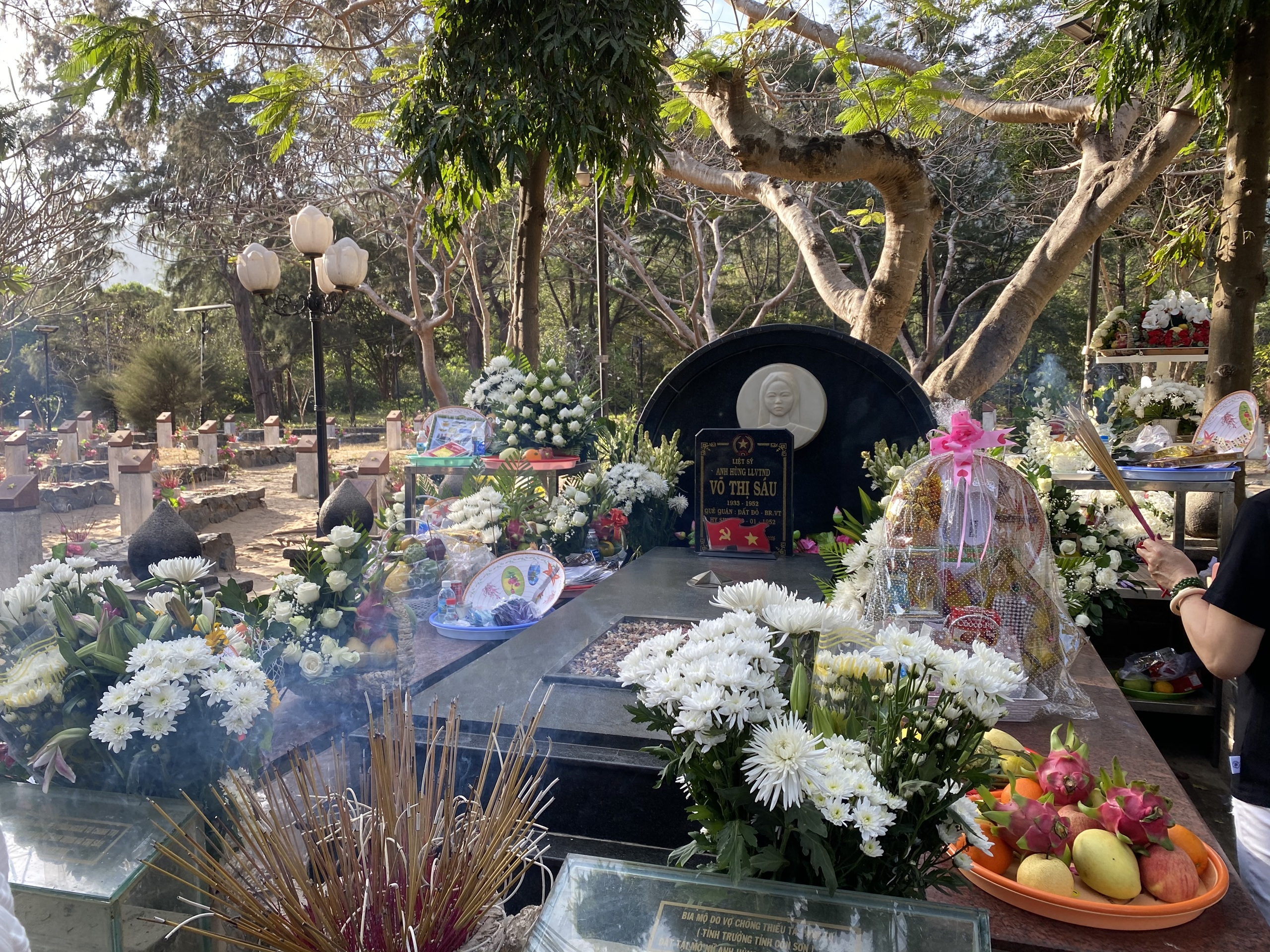
It contains the grave of Vo Thi Sau, a young Vietnamese revolutionary who is officially recognized as a Hero of the People’s Armed Forces.
Affectionately called Co Sau by Vietnamese people, she is remembered for her courage and sacrifice.
Her grave has become an important place of remembrance and spiritual devotion, attracting visitors from across Vietnam.
Section C: Remembering Prisoners Who Died During Later Conflicts
Section C contains the graves of revolutionary fighters, patriots, and other prisoners who died during later periods of the Con Dao prison system.
The graves serve as reminders of the hardships endured by those imprisoned on the island.
Visitors walking through this section can gain a deeper appreciation of the historical experiences represented by the cemetery.
Section D: Reinterred Graves and Memorial Areas
Section D includes graves transferred from Hang Keo Cemetery, Hon Cau, and other burial locations on Con Dao.
The reinterment and preservation of these graves reflect efforts to protect the memory of those who died during imprisonment.
Many graves throughout Hang Duong Cemetery remain unidentified.
Although the names of these individuals may never be known, their resting places continue to symbolize the sacrifices of countless people whose stories form part of Vietnam’s history.
Visiting Vo Thi Sau’s Grave at Hang Duong Cemetery
For many travelers, visiting the grave of Vo Thi Sau is an important part of a journey to Con Dao.
Vo Thi Sau is one of Vietnam’s most widely remembered female revolutionary heroes.
Her courage and sacrifice at a young age have made her an enduring figure in Vietnamese historical memory.
Her grave is located in Section B of Hang Duong Cemetery, where visitors regularly come to offer flowers, incense, and prayers.
Who Was Vo Thi Sau?
Vo Thi Sau was a Vietnamese revolutionary who participated in resistance activities during the period of French colonial rule.
She was arrested, imprisoned, and subsequently executed on Con Dao while still very young.
Her story became a symbol of courage, patriotism, and determination.
Today, she is commemorated through historical sites, educational materials, memorial ceremonies, and cultural traditions throughout Vietnam.
Why Do Vietnamese People Visit Vo Thi Sau’s Grave?
In addition to remembering her historical sacrifice, many Vietnamese people associate Vo Thi Sau with spiritual beliefs and traditions.
Some visitors believe that praying at her grave can bring peace, good fortune, health, and protection.
These beliefs belong to Vietnamese folk spirituality and should be understood as cultural traditions rather than scientifically established phenomena.
For many others, the visit is primarily an expression of respect toward a young woman who sacrificed her life during Vietnam’s struggle for independence.
Flowers, incense offerings, and quiet moments of reflection are common expressions of remembrance at her grave.
Hang Duong Cemetery at Night: A Unique Memorial Experience
One of the most distinctive aspects of Hang Duong Cemetery is the tradition of visiting the cemetery in the evening.
Unlike many cemeteries that receive most visitors during daylight hours, Hang Duong has long been associated with nighttime incense offerings and memorial visits.
As darkness falls, the cemetery becomes particularly quiet and atmospheric.
Soft lighting illuminates the pathways and graves, while the surrounding trees create a peaceful setting for reflection.
Groups of visitors walk slowly through the cemetery, carrying flowers and incense to honor those buried there.
The atmosphere is generally solemn rather than festive.
Visitors often speak quietly, move respectfully, and spend time remembering the lives and sacrifices associated with the site.
For many people, visiting Hang Duong Cemetery at night creates a powerful emotional experience, when the surrounding silence encourages deeper reflection on history.
Why Do Some Visitors Come to Vo Thi Sau’s Grave at Midnight?
In Vietnamese folk spirituality, certain visitors consider late-night hours, particularly around midnight, to have special spiritual significance.
As a result, visiting Vo Thi Sau’s grave in the evening has become a familiar practice among some Vietnamese pilgrims and travelers.
However, this is a cultural belief rather than a historical requirement or scientifically verified phenomenon.
There is no need to visit precisely at midnight to pay respects.
Visitors can choose a suitable time during the cemetery’s permitted visiting hours.
The most important considerations are respectful behavior, sincere remembrance, and observance of the site’s regulations.
The Emotional Significance of Visiting Hang Duong Cemetery
A visit to Hang Duong Cemetery can be a deeply moving experience.
Rows of graves stretch across the grounds, each representing a person whose life was connected to one of the most difficult chapters of Vietnam’s history.
Some graves bear names, hometowns, and dates of death.
Others remain unidentified, with no surviving information about the people buried there.
Whether identified or unnamed, these resting places are reminders of the human cost of conflict, oppression, and imprisonment.
As visitors walk through the cemetery, the atmosphere often encourages quiet contemplation.
For families whose relatives died during wartime, the visit may carry particularly personal significance.
For younger generations, it can provide an opportunity to learn about the sacrifices made by earlier generations.
International visitors may also find the experience meaningful as a way to understand Vietnam’s historical memory and the importance placed on remembrance.
A simple flower offering, a respectful bow, or a few moments of silence can express more than words.
Hang Duong Cemetery is therefore not only a historical site but also a place where visitors reflect on the meaning of peace, independence, and human dignity.
Visiting Hang Duong Cemetery: Practical Travel Information
Hang Duong Cemetery is located near the central area of Con Dao Island, making it relatively convenient to include in a historical or cultural sightseeing itinerary.
It can be visited alongside other important heritage sites on the island.
Hang Duong Cemetery Visiting Hours
According to a visiting-hours adjustment announced from April 15, 2023, the cemetery’s published visiting periods were:
| Visiting period | Hours |
|---|---|
| Morning | 7:00 AM – 11:30 AM |
| Afternoon and evening | 1:30 PM – Midnight |
Important: These are the published visiting hours from the referenced announcement. Opening arrangements may change because of site management requirements, commemorative events, or new regulations.
Travelers should verify the latest visiting hours before arriving, especially when planning an evening visit.
What Should You Bring When Visiting Vo Thi Sau’s Grave?
Visitors commonly bring simple offerings such as:
- Fresh flowers.
- Fruit.
- Incense, where permitted.
- Other appropriate ceremonial offerings.
Some Vietnamese pilgrims also bring symbolic personal items such as mirrors, combs, hats, or traditional clothing as part of local spiritual customs.
However, these items are not necessary for a meaningful visit.
A respectful attitude and sincere remembrance are more important than elaborate offerings.
Visitors should follow the cemetery’s rules regarding incense, candles, ceremonial paper, and the disposal of offerings.
Choosing simple and environmentally responsible offerings is recommended.
Visitor Etiquette at Hang Duong Cemetery
When visiting Hang Duong Cemetery, travelers should observe the following guidelines:
- Wear respectful clothing appropriate for a memorial site.
- Keep conversations quiet and avoid disruptive behavior.
- Dispose of rubbish in designated areas.
- Do not move or damage grave decorations or memorial objects.
- Respect people taking part in remembrance ceremonies.
- Follow instructions from cemetery staff.
- Avoid inappropriate photography or behavior near graves.
- Respect restricted areas and posted regulations.
Maintaining the cemetery’s peaceful atmosphere is an important way to honor those buried there.
Hang Duong Cemetery and Spiritual Tourism in Con Dao
Hang Duong Cemetery is one of the main destinations associated with historical remembrance and spiritual tourism on Con Dao Island.
A visit can be combined with several other important sites.
Con Dao Prison Historical Complex
The former Con Dao prison system includes preserved detention facilities that document the experiences of prisoners during the colonial and wartime periods.
Visiting these sites before Hang Duong Cemetery can provide valuable historical context.
Hang Keo Cemetery
Hang Keo is another historical burial ground associated with the Con Dao prison system.
It is part of the island’s wider landscape of remembrance.

Con Dao Temple
Con Dao Temple is an important memorial site dedicated to those who died during the island’s prison history.
It provides another opportunity for visitors to reflect on the sacrifices associated with Con Dao.
An Son Temple
An Son Temple, also known as Lady Phi Yen Temple, is a local spiritual site associated with one of Con Dao’s best-known folk legends.
The temple offers insight into the island’s traditional beliefs and cultural identity.
Prince Cai Temple
Prince Cai Temple is another local spiritual landmark connected to the legend of Lady Phi Yen and her son.
Together, these destinations help travelers explore Con Dao’s historical, cultural, and spiritual heritage.
Con Dao: An Island of History and Natural Beauty
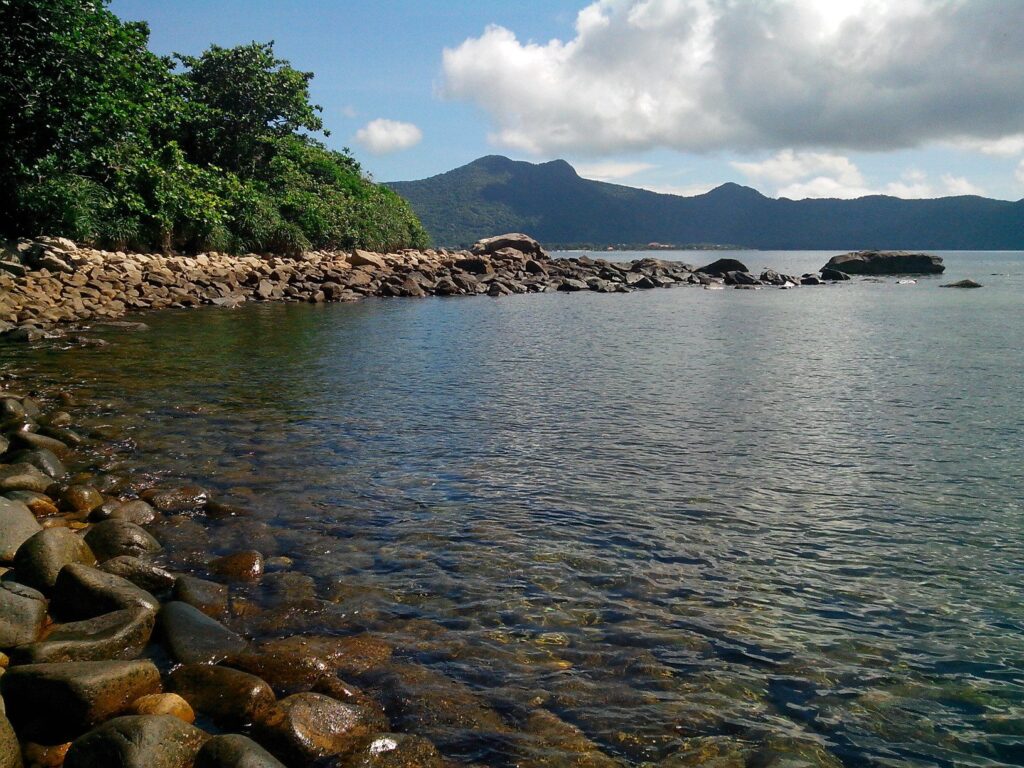
Although Con Dao is internationally known for its difficult history, the archipelago is also one of Vietnam’s remarkable natural destinations.
Its landscapes feature clear turquoise waters, sandy beaches, forested mountains, and scenic coastal roads.
In the central area, tree-lined streets, historic buildings, and a relatively peaceful atmosphere create a distinctive island character.
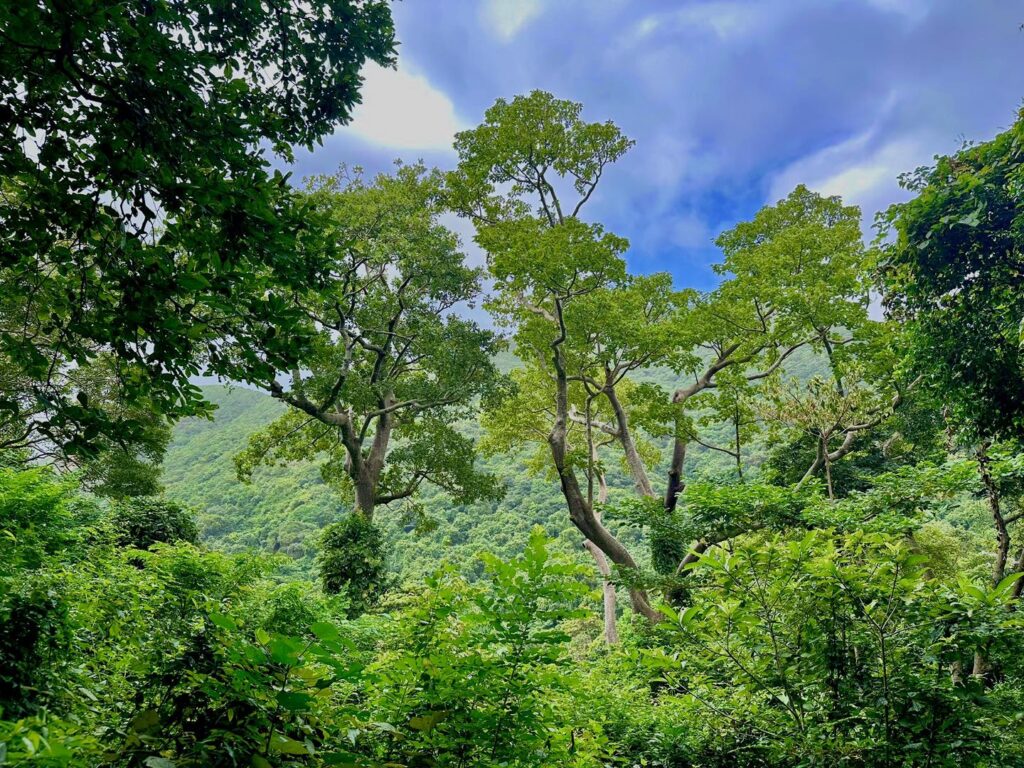
Beyond the main settlement, visitors can discover secluded beaches, small offshore islands, and the protected ecosystems of Con Dao National Park.
The surrounding waters are home to important marine habitats, while the island’s forests provide opportunities to learn about tropical biodiversity.
This combination of historical significance and natural beauty makes Con Dao a particularly meaningful destination.
Visitors can spend time exploring its beaches and forests while also discovering the stories that shaped the island’s past.
Why Hang Duong Cemetery Matters to Vietnam
Over the decades, Con Dao has transformed from a place associated with imprisonment and suffering into a destination known for history, nature, and cultural tourism.
Nevertheless, the memories of those who died during the prison era remain an essential part of its identity.
Hang Duong Cemetery preserves these memories through its graves, memorial spaces, and traditions of remembrance.
People visit for different reasons.
Some come to honor relatives or historical figures.
Others seek to understand Vietnam’s history, participate in memorial ceremonies, or reflect on personal hopes and beliefs.
International visitors may approach the cemetery primarily as a historical site, while Vietnamese visitors may also attach profound spiritual and emotional meaning to the experience.
Regardless of the reason for visiting, the cemetery deserves respect as a place of mourning, remembrance, and historical significance.
Amid the peaceful landscapes of modern Con Dao, Hang Duong Cemetery stands as a lasting reminder of sacrifice, resilience, and the value of peace and freedom.
For travelers who wish to understand Con Dao beyond its beaches and resorts, a respectful visit to Hang Duong Cemetery offers an important insight into the island’s history and Vietnam’s enduring traditions of remembrance.
References: Con Dao National Historical Relics Conservation Center; Con Dao tourism management authorities; published information about Hang Duong Cemetery and its visiting arrangements.