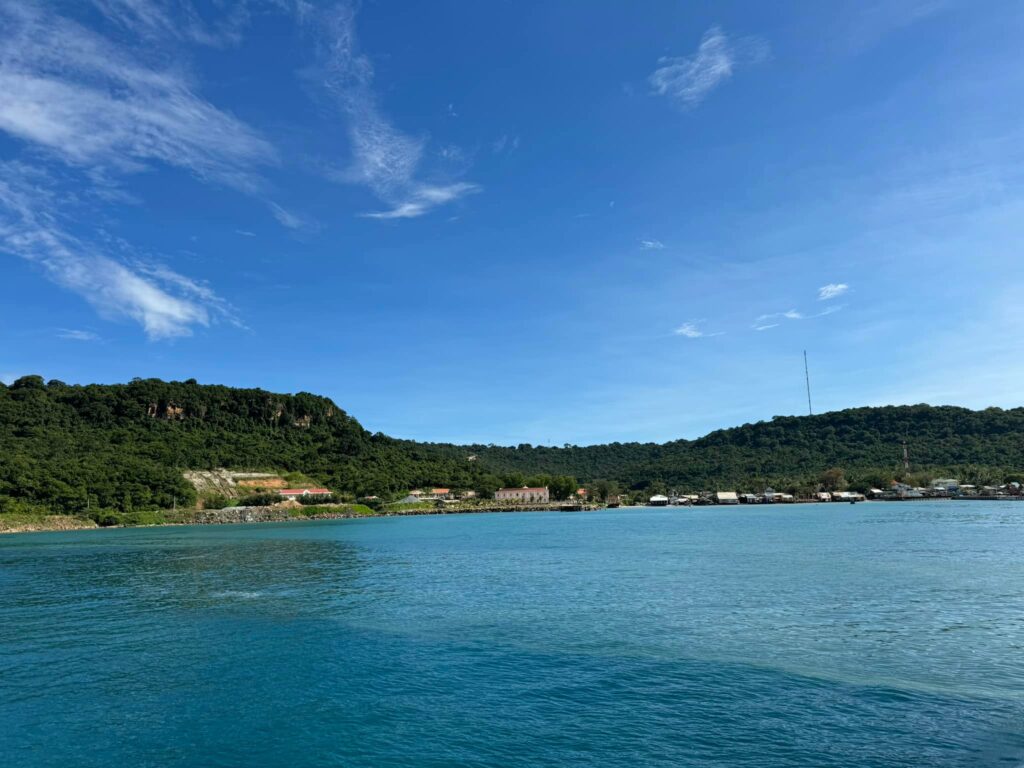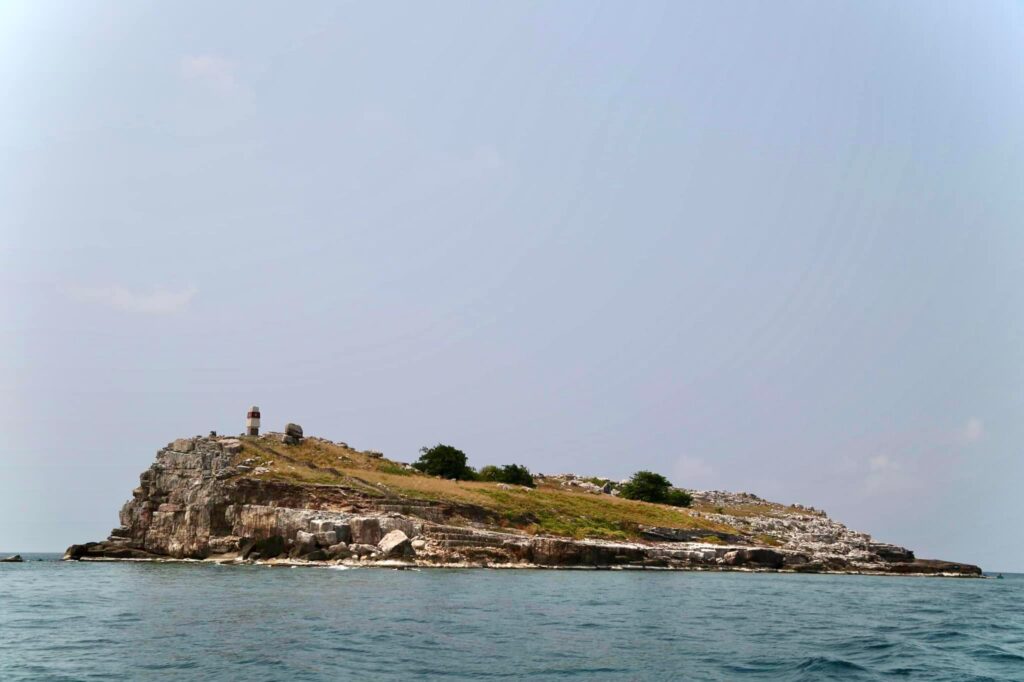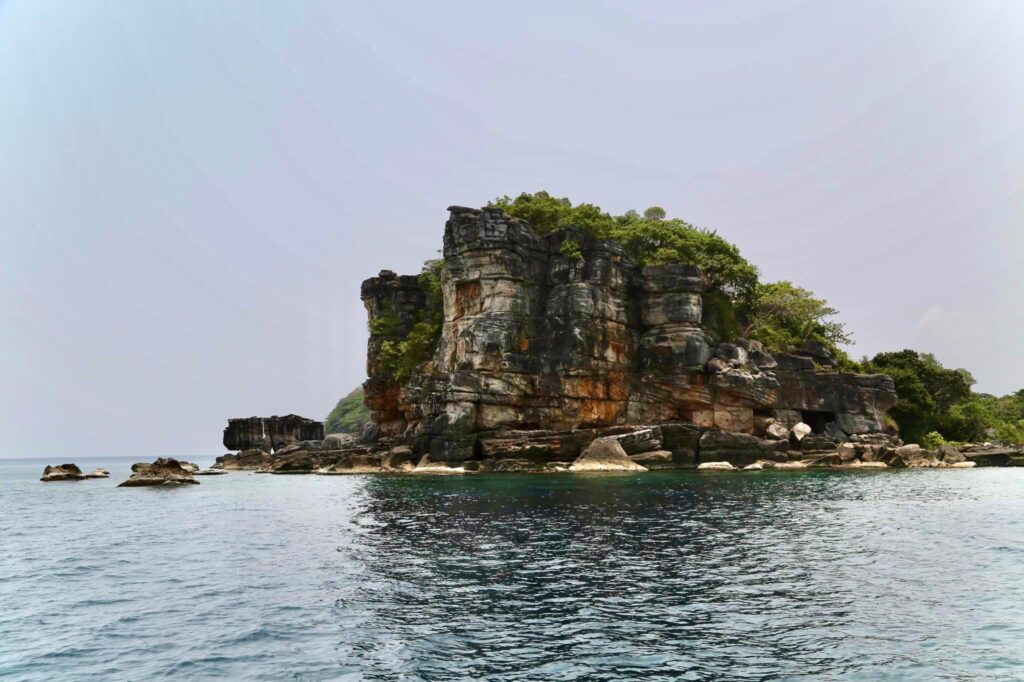

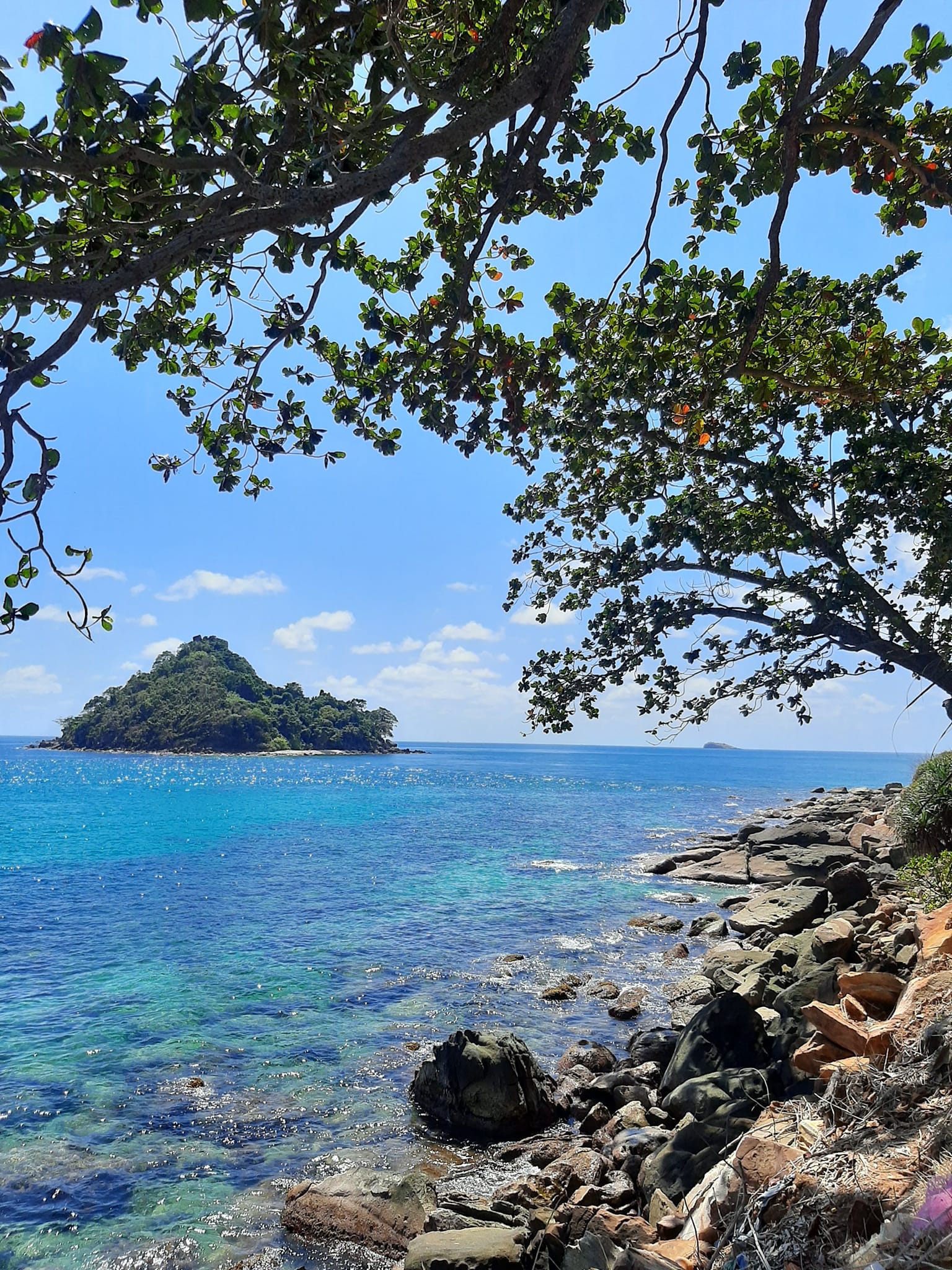
Hon Xanh Island covers an area of approximately 14.11 hectares and is one of the eight islands of the Tho Chu Archipelago, located within Tho Chu Special Zone, An Giang Province. Seen from afar, the island stands out in the southwestern sea with a continuous blanket of lush green forest, revealing almost no exposed rock or sandy beaches. This distinctive appearance is why local people have long referred to it by its simple, descriptive name: Hon Xanh, meaning “Green Island.”
Hon Xanh remains largely untouched by human activity. The island is home to a rich wild ecosystem, where species such as monkeys, pythons, monitor lizards, snakes, and squirrels still thrive. Dense forest vegetation and a quiet, isolated setting separate Hon Xanh completely from the residential areas of Tho Chu Island, creating a strong sense of wilderness and remoteness.
During favorable tidal conditions, local fishermen from Tho Chu Island occasionally visit Hon Xanh to fish for squid, making use of the natural marine resources surrounding the island. These activities are closely tied to the traditional livelihoods of island communities in the Tho Chu Archipelago.
As the Tho Chu Archipelago gradually became better known, Hon Xanh once attracted small groups of travelers who enjoyed nature exploration and wild camping. However, at present, Hon Xanh is only open for daytime visits. Camping or overnight stays are not permitted, in order to ensure safety and protect the island’s natural environment.
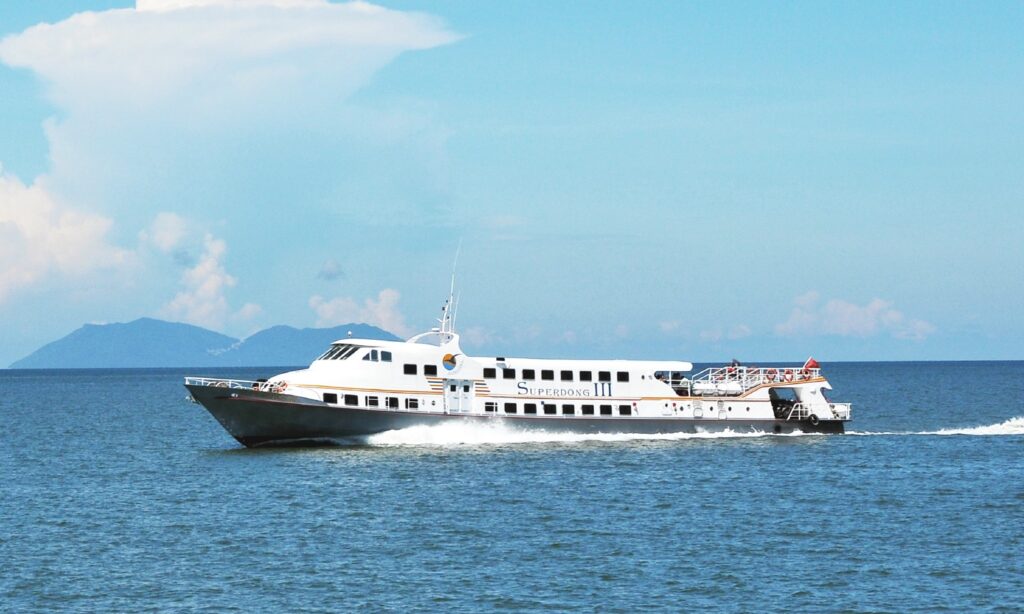
Access to Hon Xanh is also challenging. The island lies along a strong ocean current, making landings difficult and highly dependent on tides, weather conditions, and the experience of boat operators. As a result, visiting Hon Xanh is not always possible and requires careful planning.
With no tourism facilities and no accommodation services, Hon Xanh retains the character of a truly natural island in the southwestern waters of Vietnam. It is best suited for travelers seeking nature observation, ecological exploration, and a sense of authenticity, rather than mass tourism experiences.
Within the broader landscape of the Tho Chu Archipelago, Hon Xanh is a true green fragment—quiet, wild, and largely disconnected from the rhythms of human life.