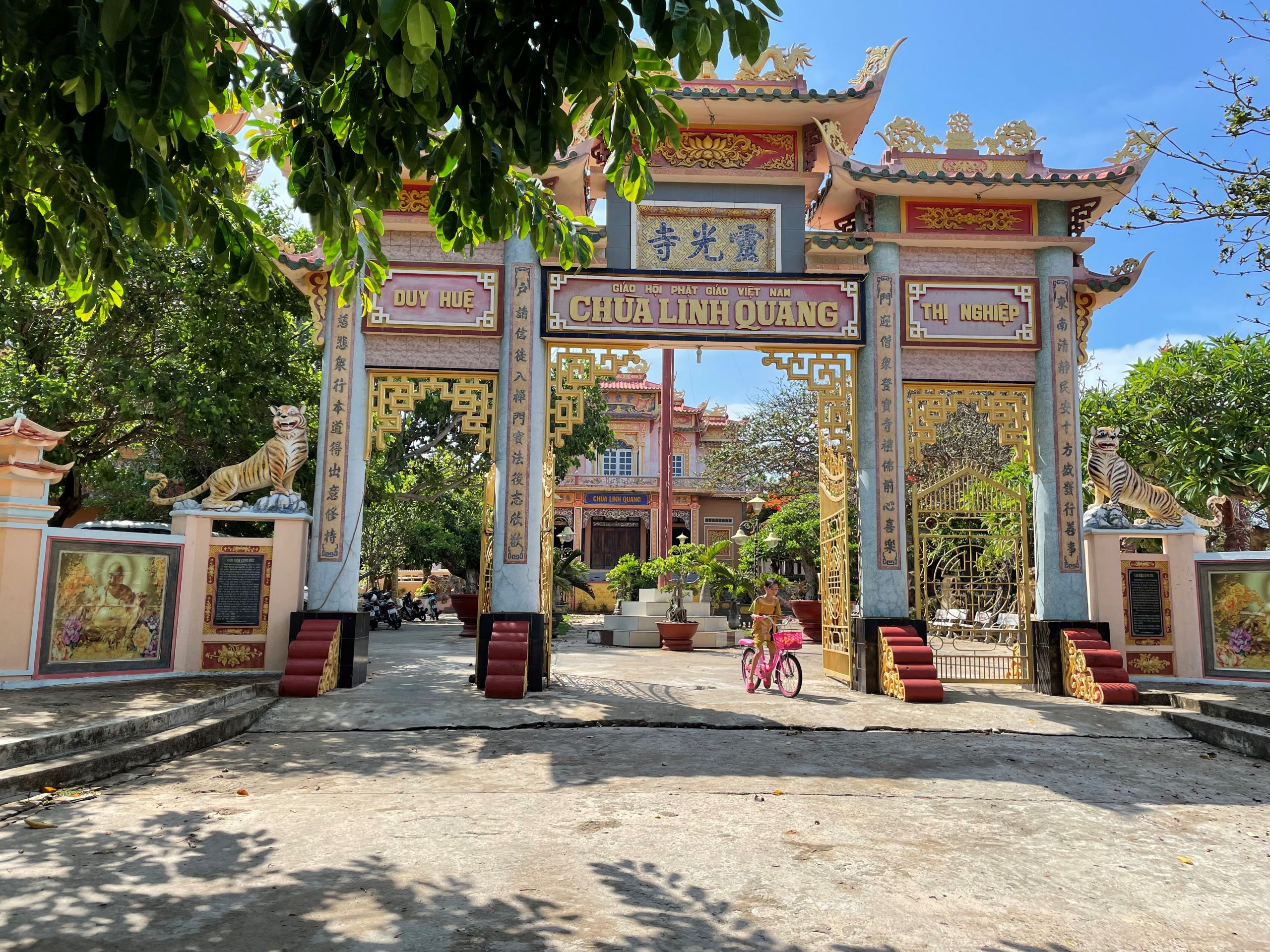
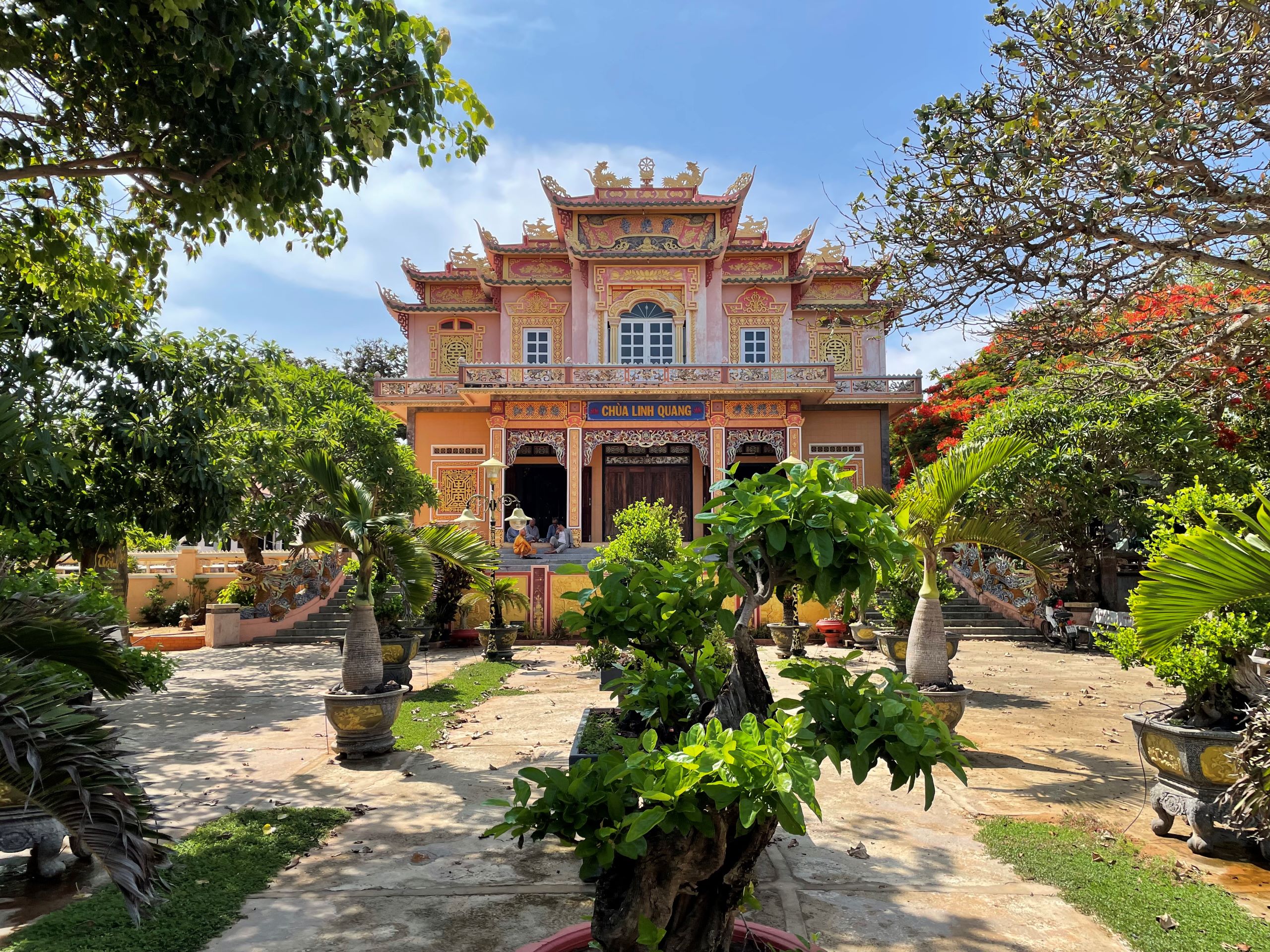
Linh Quang Pagoda (Linh Quang Tự) is one of the most ancient and significant Buddhist temples on Phu Quy Island, renowned for its historical depth, architectural artistry, spiritual rituals, and the serene natural landscape surrounding it. It stands as one of the island’s most treasured cultural and religious landmarks.
Since its establishment, islanders have called the temple “Linh Quang Tự”—meaning “the sacred and radiant place”—with the belief that its divine light will protect the island community and bring peace and prosperity. Linh Quang is recognized as the first Buddhist temple associated with the introduction and spread of Buddhism on Phu Quy, and it remains a symbol of religious heritage, literature, art, and architectural excellence.
According to ancient genealogical records, the temple was rebuilt during the Year of the Cat, 1747, under King Lê Hiển Tông (Cảnh Hưng era, 8th year). With nearly 300 years of history, Linh Quang Pagoda is considered one of the earliest religious structures in Binh Thuan Province. In recognition of its cultural and historical significance, it was officially listed as a National Scenic Relic by the Ministry of Culture and Information (Decision No. 51/QĐ/BT dated 12 January 1996).
History of Linh Quang Pagoda
Originally, Linh Quang was a small thatched hermitage built in 1747 by Zen master Nguyễn Cánh, serving both as a place of worship and residence for monks. The early surroundings were dense forests and natural rock formations—conditions that inspired Master Nguyễn Cánh to establish the pagoda as a sanctuary for praying for the safety of fishermen at sea.
A notable historical episode recounts that Lord Nguyễn Ánh (later Emperor Gia Long), while fleeing the Tây Sơn army, sought refuge on Phu Quy Island and stayed for a period at Linh Quang Pagoda. After ascending the throne, he composed a poem engraved at the temple’s upper courtyard to commemorate his time on the island:
“Gia Long fled in times of peril,
Landed on this sacred island, reached Linh Quang.
Looking westward toward blessed lands,
A great gate was raised facing the setting sun.”
At the end of the 18th century, the temple suffered a devastating fire that damaged many precious relics. Soon after, a sacred stone was found floating near Hon Tranh Islet—interpreted as a divine sign. Islanders brought the stone back to the temple, and artisans carved it into a 121 cm, 300 kg statue of Shakyamuni Buddha, still worshipped today. The spot where the stone appeared became known as “Vũng Phật” (Buddha Bay).
Inside the pagoda, visitors can also see:
- A Great Bell cast in 1795
- A Bát Nhã Drum crafted from a single block of sao wood, 1 meter in diameter
Numerous antique inscriptions, calligraphy panels, and couplets praising Buddha’s virtues and Buddhist philosophy
One of the most treasured relics is the chest containing five royal decrees granted by Nguyen emperors (2 from Emperor Tự Đức, 1 from Đồng Khánh, 1 from Duy Tân, and 1 from Khải Định). These decrees are preserved with utmost care and are only presented during major ceremonies.
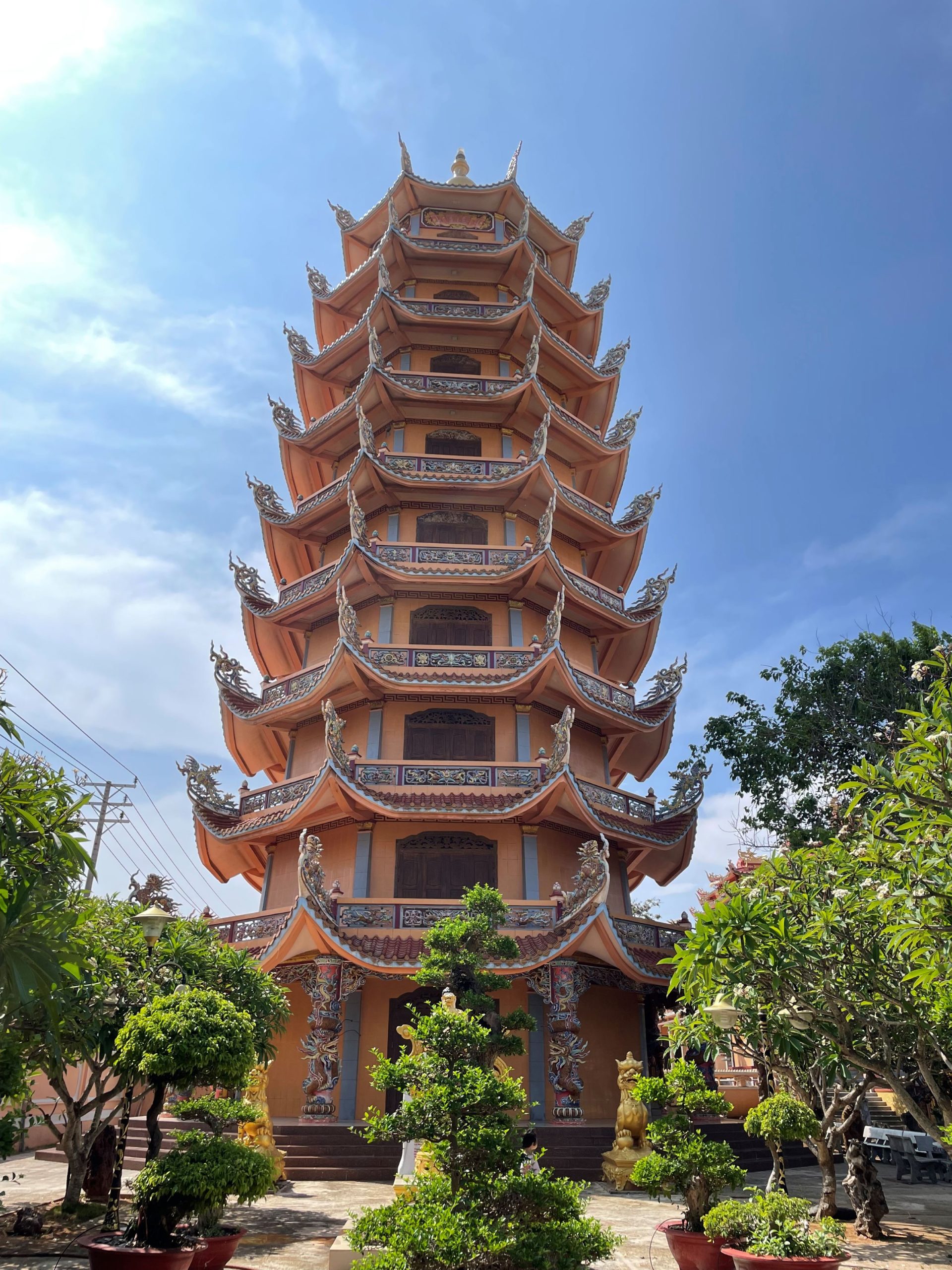
Linh Quang Stupa – The Tallest Tower of Phu Quy Island
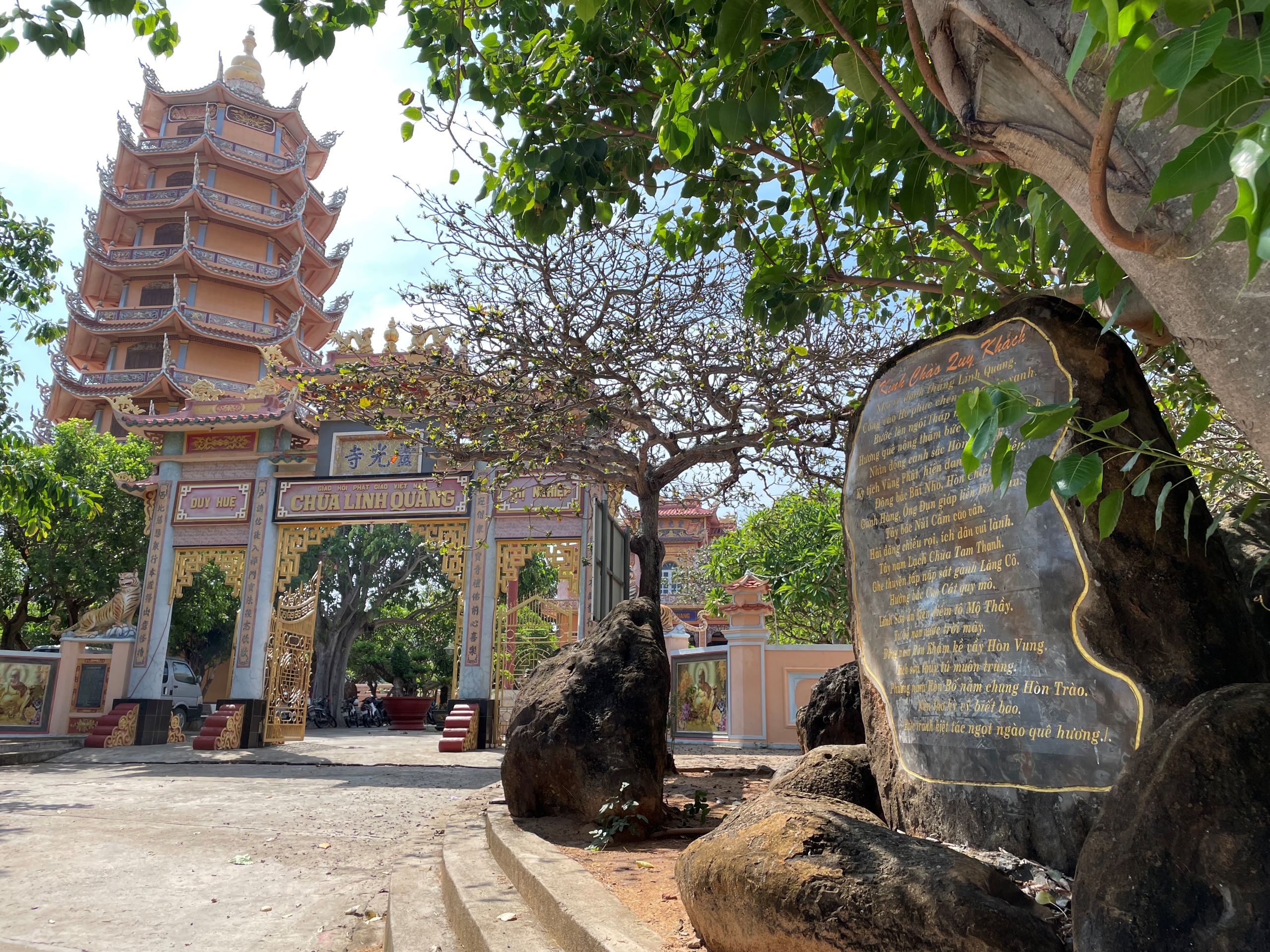
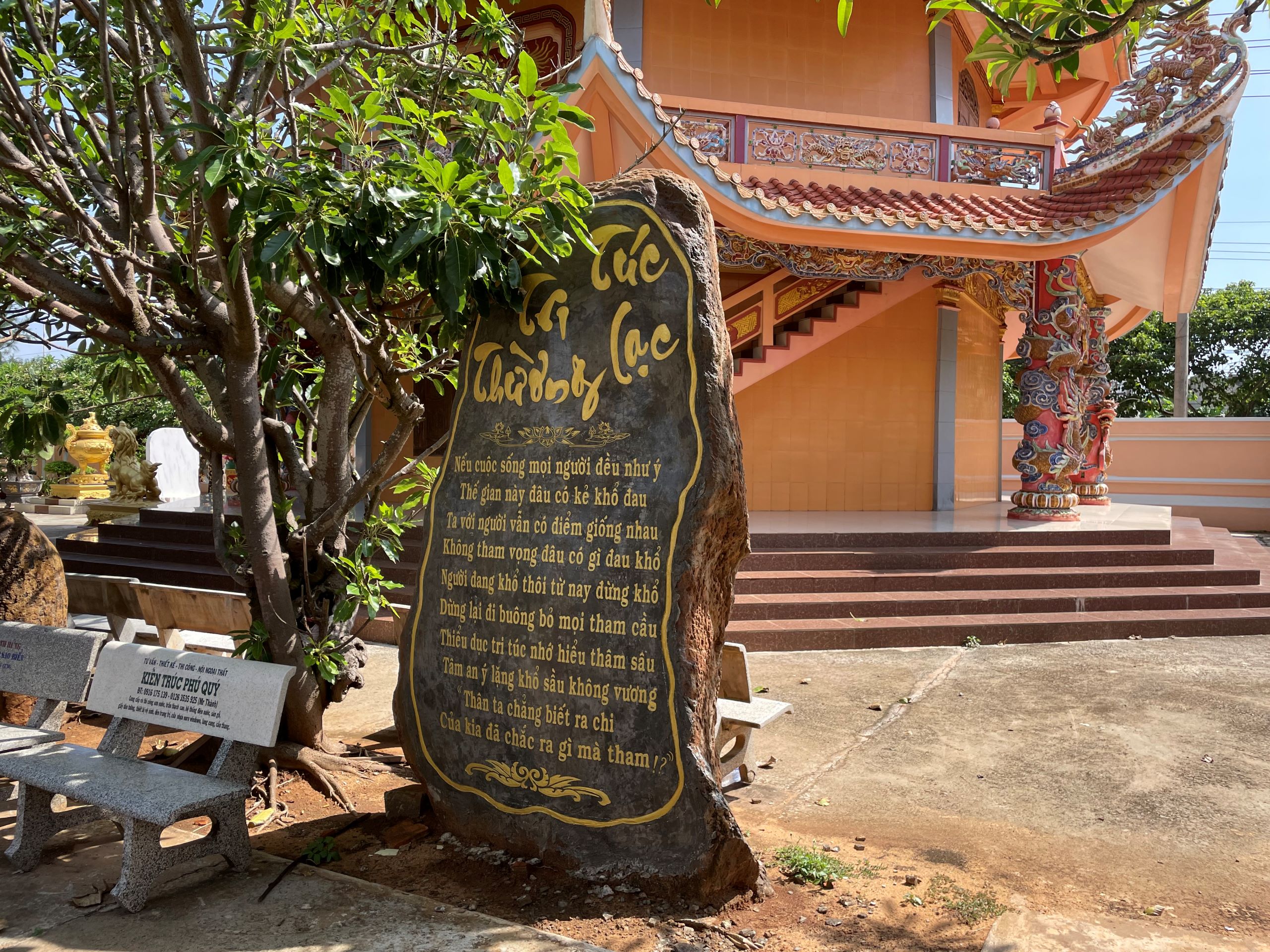
The Linh Quang Stupa (Giác Hoàng Bảo Tháp) is an iconic nine-tier octagonal tower, rising 27 meters high—taller than Hue’s famous Phuoc Duyen Tower by two stories. Each tier houses a Buddha statue, and its elegant, intricate architecture makes it one of the most captivating structures on the island.
From the top of the stupa, on clear and breezy days, visitors are rewarded with panoramic views of:
Hon Tranh, Hon Nho, Hon Khám, Hon Vung, Hon Bố, Hon Chiên, and the island’s two mountains, Cao Cát and Núi Cấm.
At the entrance, an inspiring poem is engraved on a large stone:
“Remember Linh Quang’s sacred charm,
Tiger guardians flank the gate amid evergreen trees.
Climb the tower and gaze afar,
A homeland painted in poetic hues.”
Visiting Linh Quang Pagoda
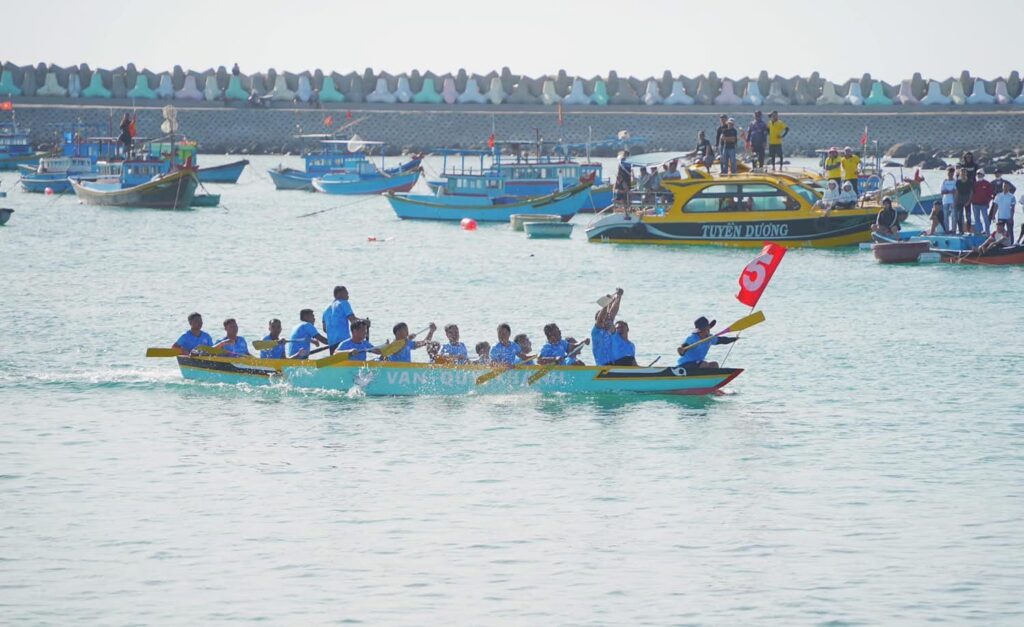
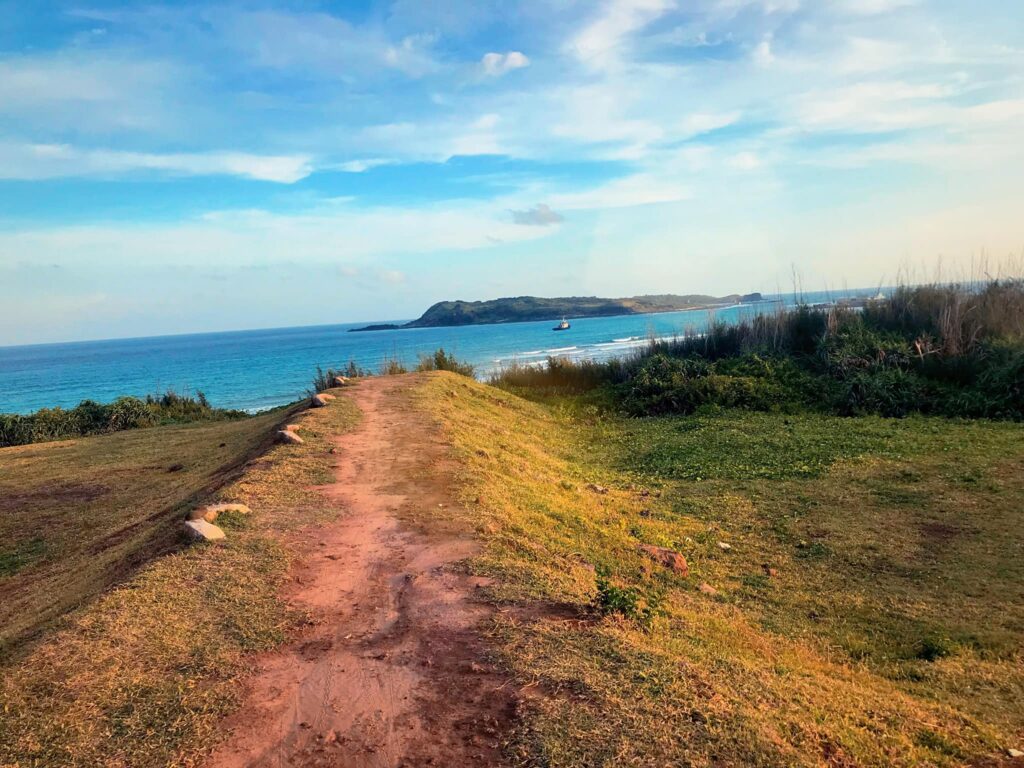
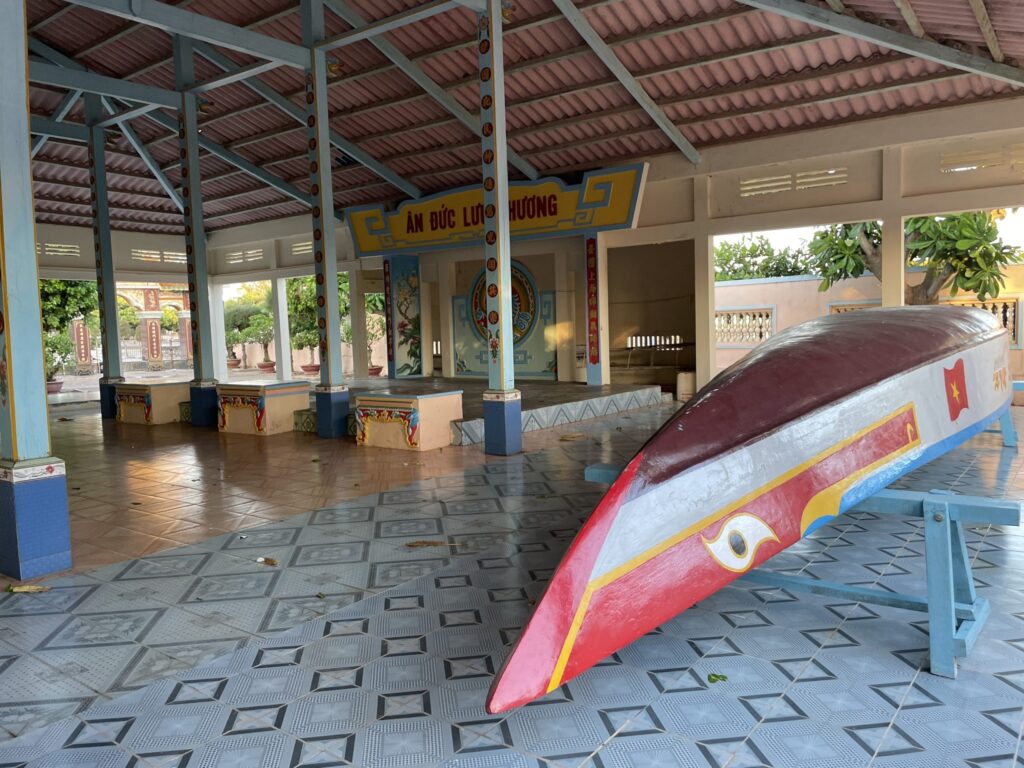
Travelin.vn invites you to explore the tranquil beauty and spiritual depth of Linh Quang Pagoda through images captured during our recent journey to this ancient temple.