


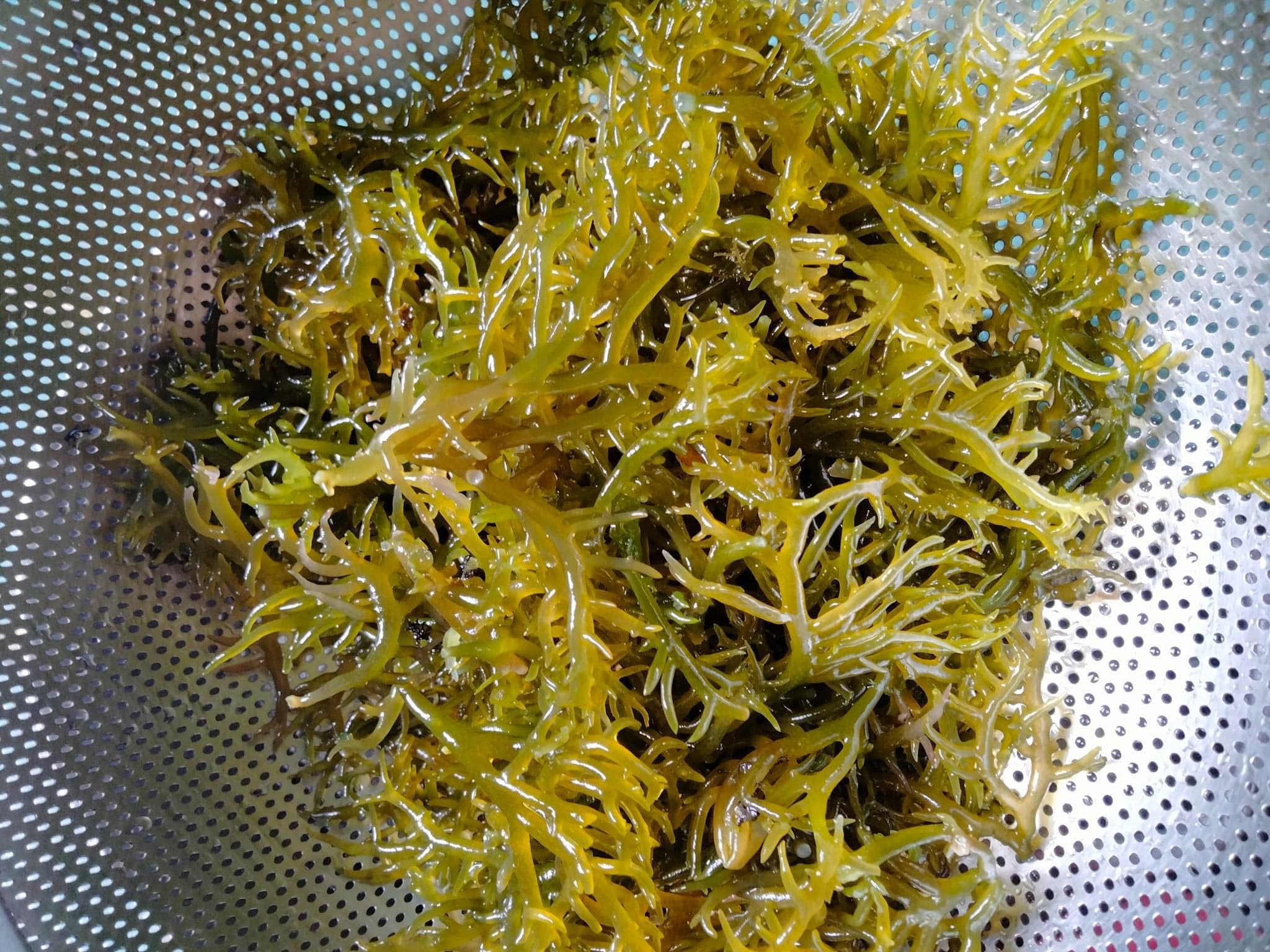
Ly Son bong bong seaweed, also known locally as cum cúm, is a distinctive type of marine algae found mainly on submerged rocky reefs located 300 to 700 meters from the shore. Scientific studies show that this seaweed is rich in nutrients, contains high levels of natural protein, and includes more than 90 different minerals. On Ly Son Island, bong bong is considered a natural “green vegetable of the sea” and is commonly used to prepare mixed salads, a rustic and popular local dish.
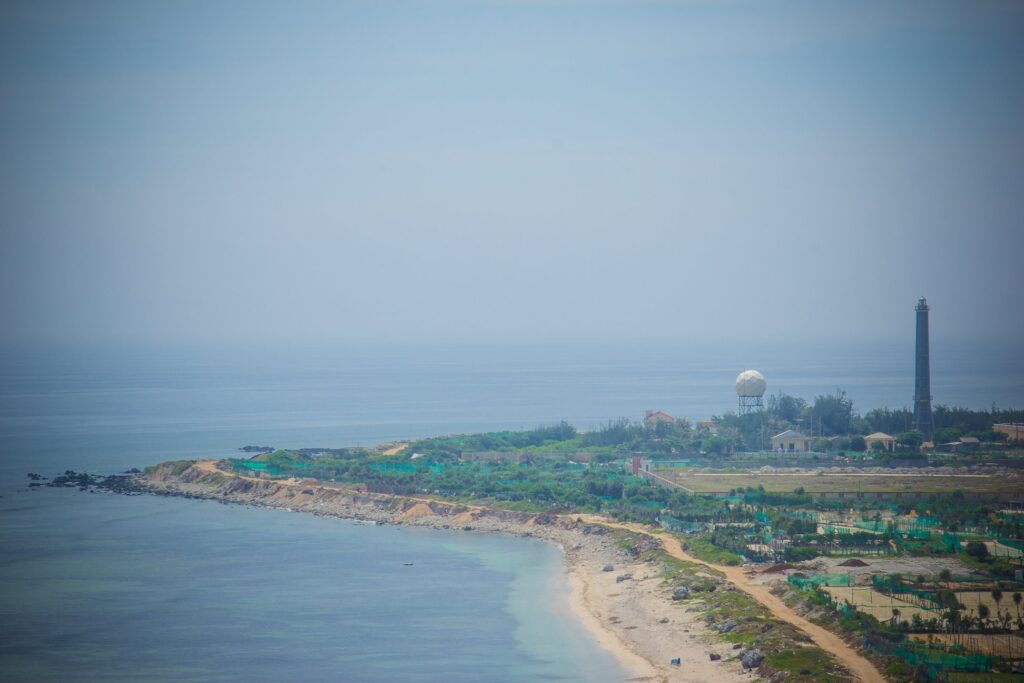
In addition to Ly Son’s famous garlic and shallots, the waters around the island are home to dozens of seaweed species. Among them, bong bong belongs to the group of cartilage-like seaweeds, known for their crunchy texture and long, firm strands. Locals harvest and process this seaweed for a variety of everyday dishes.
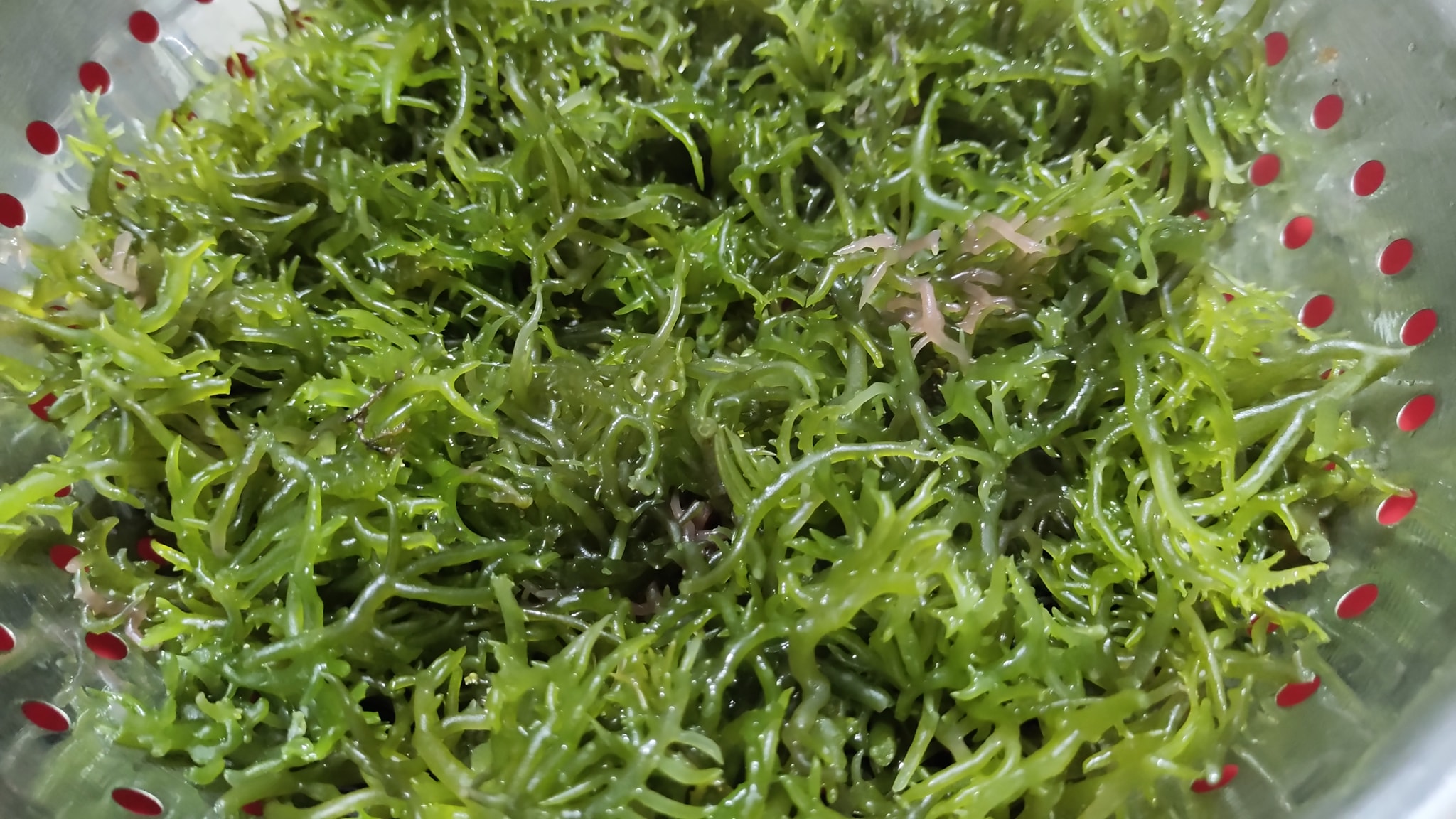
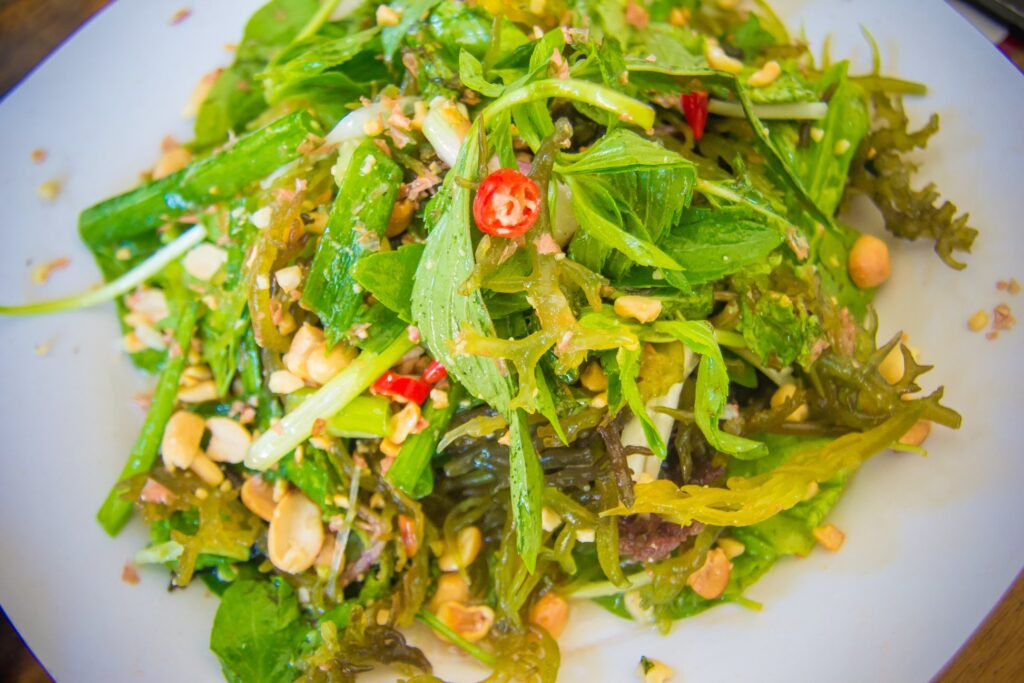
During low tide, residents wade or dive out to the rocky reefs to cut the young seaweed tips and bring them back for cleaning. The seaweed is cut into bite-sized pieces, blanched quickly in boiling water, then soaked in ice water to keep its crisp texture. After draining, it is mixed with aromatic ingredients such as fried shallots, fried garlic, roasted peanuts, salt, sugar, Ly Son fish sauce, lime juice, and herbs like Vietnamese coriander or basil. The resulting bong bong salad offers a crunchy texture with a mild taste of the sea, balanced with light acidity, richness from peanuts, and the fragrance of fresh herbs.
Besides bong bong, Bé Island (An Bình Commune) also hosts another local specialty: bông trang seaweed (commonly called tóc tiên). This species grows in clusters at depths of 1.5 to 2 meters among coral ridges, making it more difficult to harvest. Only the tips are taken, ensuring the seaweed can regenerate naturally. Both bong bong and tóc tiên are used extensively by island residents as substitutes for green vegetables and as ingredients in various traditional dishes.
During the harvest season, locals collect and dry the seaweed for later use or for sale. In recent years, as tourism to Ly Son has grown, these seaweeds—especially bong bong and tóc tiên—have become popular products for visitors to purchase as gifts, contributing to the livelihoods of island communities.

)