
Construction of Ma Thien Lanh Bridge began in 1930, when the French colonial authorities attempted to build a road from the Nui Chua junction to Ong Dung Bay. This road was intended to facilitate the extraction of timber and stone for constructing prisons, administrative buildings, and military posts, as well as to establish checkpoints to prevent prisoner escapes.
Prisoners forced to work here endured extreme hardships:
- perilous, mountainous terrain
- starvation and thirst
- toxic stream water
- falling trees and crushing rocks
- brutal beatings and relentless pressure from overseers
- backbreaking labor far beyond human limits
Before even two piers of the bridge were completed, an estimated 356 prisoners had died—a symbolic number calculated by inmates who counted each fallen comrade.
Why It Is Called “Ma Thien Lanh”
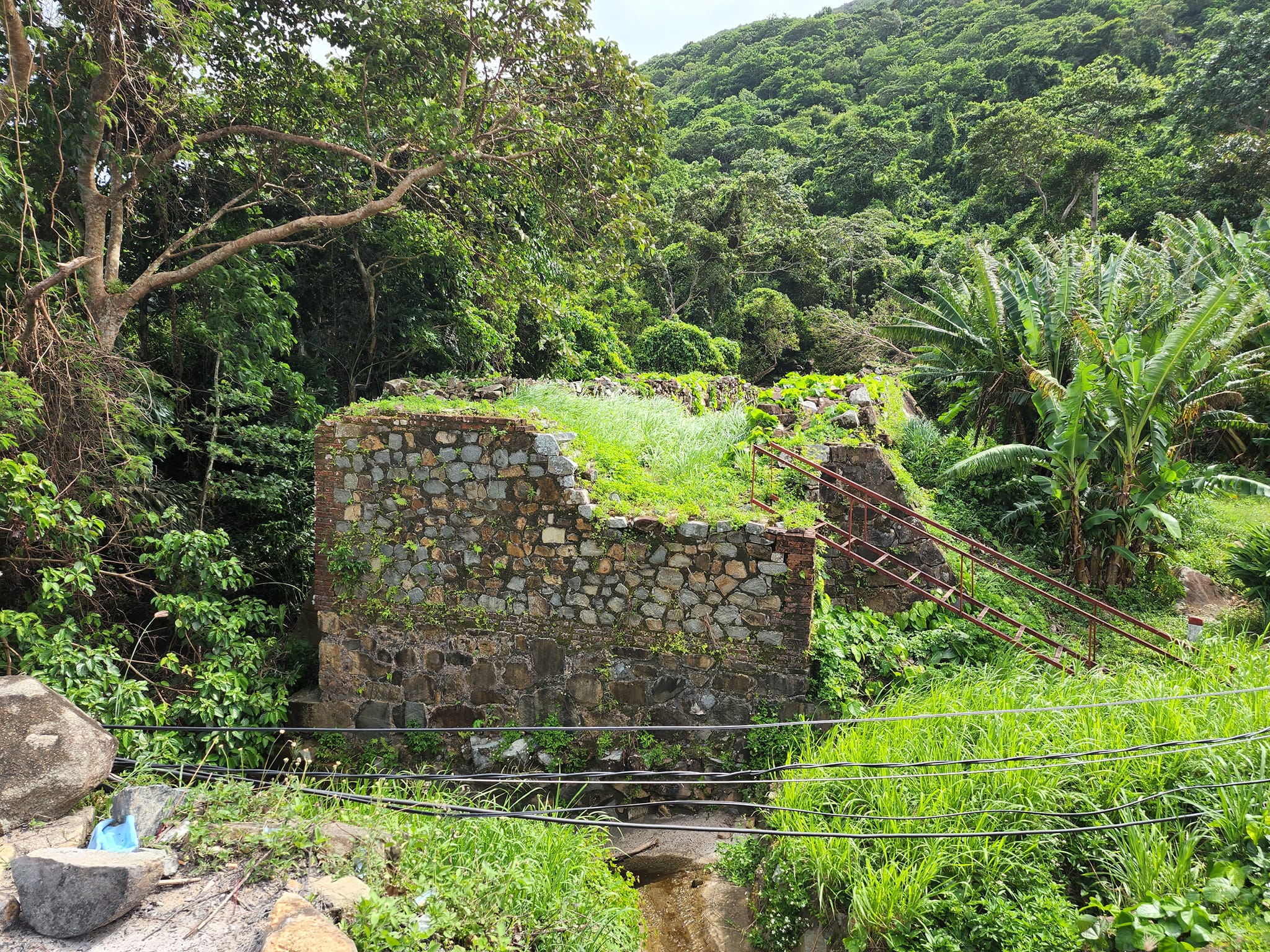
The name Ma Thien Lanh was given by prisoners to describe the two unfinished bridge pillars built with the blood and bones of hundreds of inmates. Inspired by the treacherous Ma Thien Lanh Mountain in Korea and a scene from the Chinese classic “General Xue Rengui Conquers the East”, prisoners used the name to express the deadly, haunting nature of this construction site.
To expose the cruelty of the French colonial regime, prisoners even composed a song titled “Ma Thien Lanh Bridge”, expressing their suffering and their call for patriotism:
Who walks across Ma Thien Lanh Bridge,
Pause and behold this landscape of national sorrow.
Born of the enemy’s brutality—
Who can witness this without rage?
Who can hear this without hatred for the French tyrants?
Those French invaders, steeped in blood and greed,
Have forged an eternal hatred among our people.
Rise up, rise up, all patriots—
Wipe out the enemy and save our nation
From this swamp of misery.
So much blood and bones spilled in prison
Have carved an unforgivable debt for centuries to come.
An Unfinished Work
After the August Revolution of 1945 succeeded, the construction was abandoned—and the bridge remains unfinished to this day. Its incomplete pillars stand as solemn reminders of the countless lives lost under colonial oppression.
National Recognition
On April 29, 1979, Ma Thien Lanh Bridge was designated a Special National Relic by the Ministry of Culture and Information (Decision No. 54-VHQĐ).
On May 10, 2012, the Prime Minister issued Decision 548/QĐ-TTg, reaffirming its status as a National Special Relic Site.