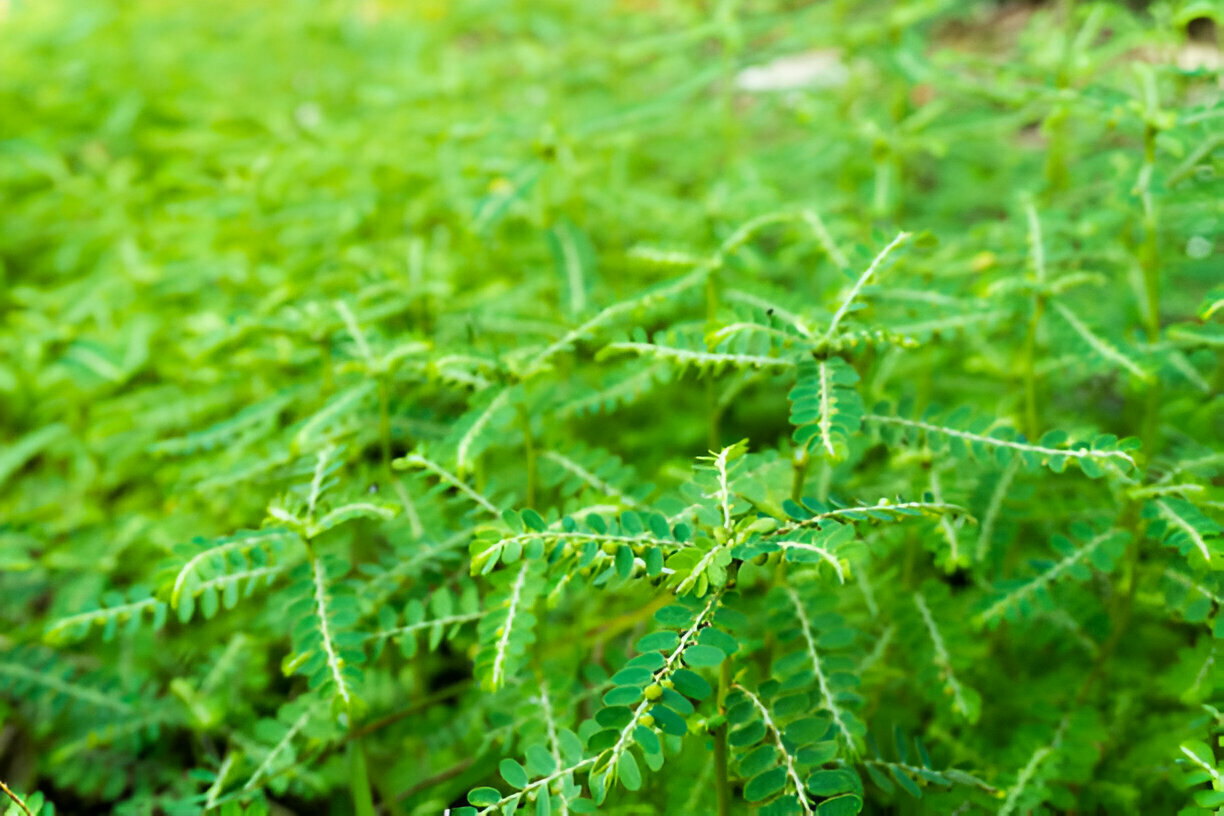
For generations, the people of Phu Quy Island have relied on local medicinal plants to treat common ailments such as colds, fever, cough, skin irritation, fatigue, poisoning, toothache, and other everyday conditions. Some of the most widely collected and used species include Phyllanthus amarus, Pandanus tectorius (Screwpine), Achyranthes aspera, Scoparia dulcis, Morinda citrifolia (Noni), Passiflora foetida, and Vitex negundo, among others.
In the past, modern healthcare services were limited on the island. As a result, these plants—especially Vitex negundo (Ngũ trảo)—became invaluable remedies in traditional medicine. According to Vietnamese herbal medicine, the leaves, bark, roots, and seeds of Vitex negundo help reduce heat and fever, improve blood circulation, relieve rheumatism, and support digestion.
Vitex negundo (Ngũ trảo)
The leaves of Vitex negundo are commonly boiled and drunk to treat symptoms such as colds, fever, headaches, nasal congestion, rheumatism, muscle and bone pain, sciatica, and menstrual cramps.
When combined with lemon leaves, grapefruit leaves, orange leaves, lemongrass, and mugwort, the mixture can be boiled for steam therapy to relieve colds, fever, headaches, and runny nose.
Its bark soaked in rice wine is used to stimulate digestion and relieve asthma.
For spinal inflammation or sprains, locals pound Vitex leaves together with crinum leaves and dandelion, mix them with salt and warm rice wine, and apply the herbal paste to the affected area.
Pandanus tectorius (Screwpine / Dứa dại)
- According to Master Herbalist Hoang Khanh Toan, the roots, leaves, flowers, and fruit of the screwpine each have different therapeutic properties:
- Young leaves: cool the blood, stop bleeding, detoxify the body, and are used for treating measles, skin rashes, infections, and bleeding gums.
Young leaves pounded with soybeans are applied to chronic ulcers or used to draw out pus from deep wounds.
A decoction of young leaves is effective for urinary disorders such as painful urination, blood in urine, or urinary inflammation. - Young leaves combined with red beans, bamboo pith, and tender bamboo shoots: brewed into a cooling tea to calm restlessness, soothe the mind, and relieve internal heat.
- Flowers: sweet, cool in nature, and used to treat inguinal hernias, scrotal pain, painful urination, urinary blockage, neck abscesses, and common colds.
- Fruit: strengthens the digestive system, restores vital energy, clears excessive yang (hyperactivity of the yang element), calms the spirit, nourishes the blood, reduces phlegm, detoxifies alcohol, clears the head, and improves vision.
- Roots: sweet and cool, used to induce sweating and treat colds, fevers, hepatitis, nephritis, urinary tract infections, edema, conjunctivitis, and injuries caused by trauma.

Promoting Safe and Effective Use of Traditional Remedies
Given the abundance of these natural medicinal resources, it is essential for the Phu Quy Traditional Medicine Association to provide clear guidance on their safe and proper use.
With appropriate instructions, residents can effectively manage many common illnesses at home—saving both time and medical expenses—while preserving the island’s rich heritage of traditional healing.