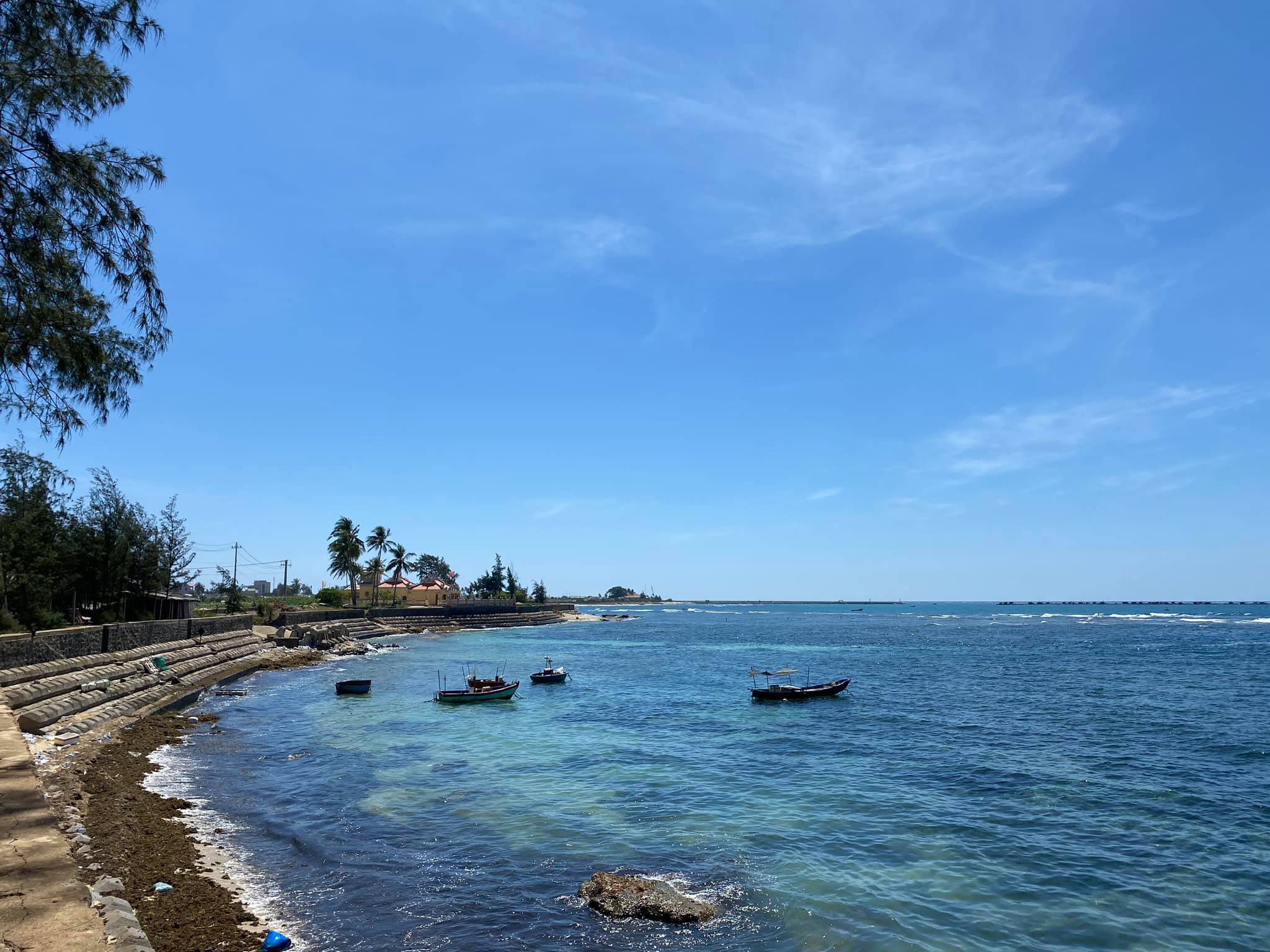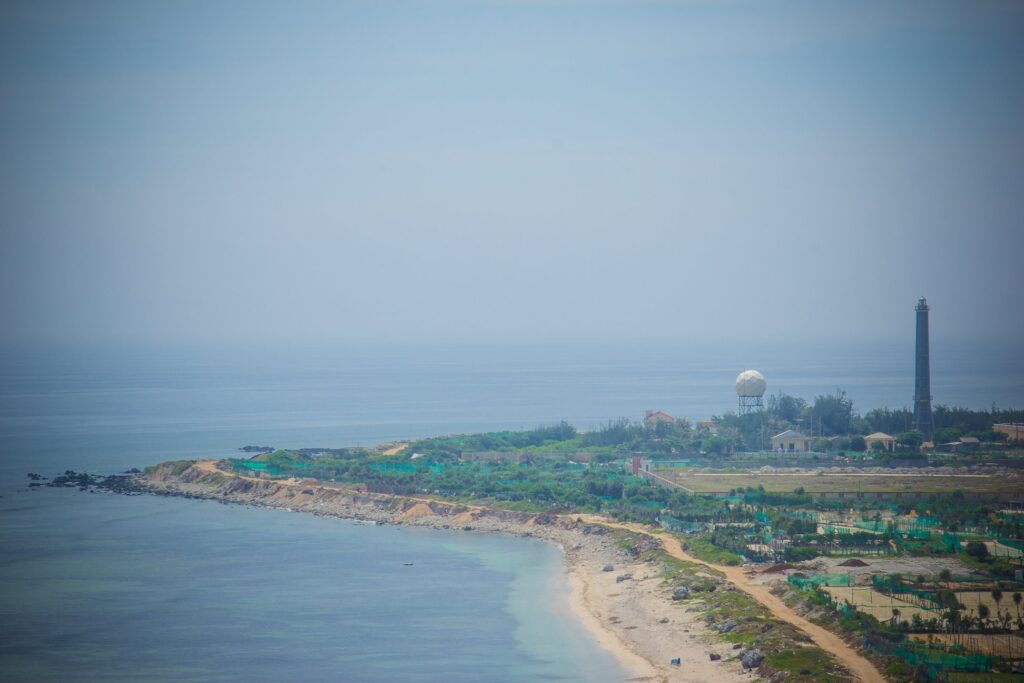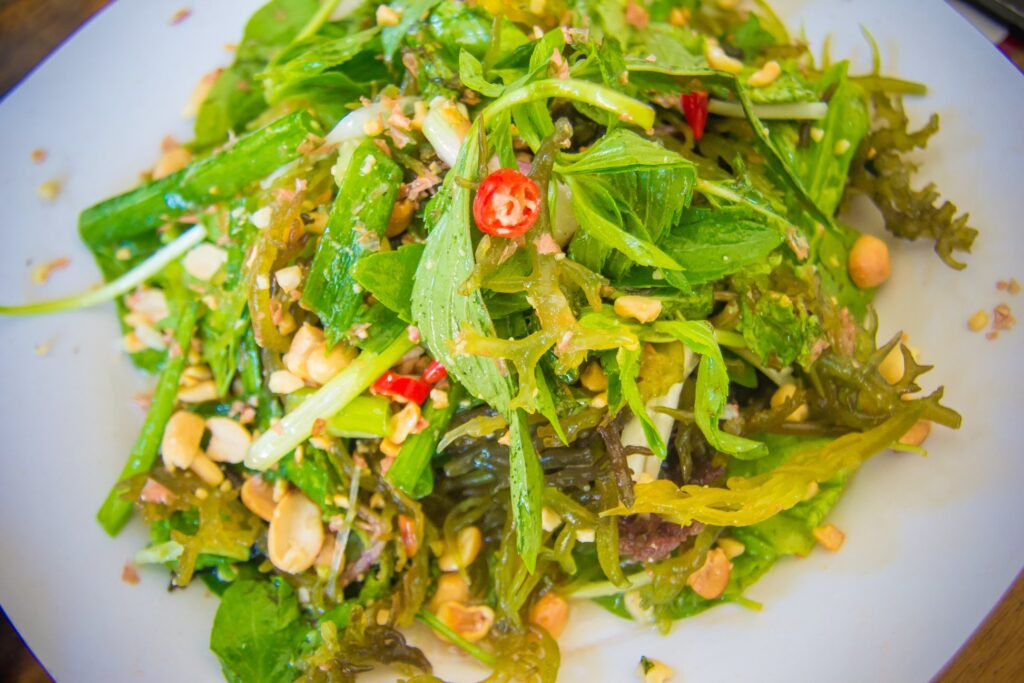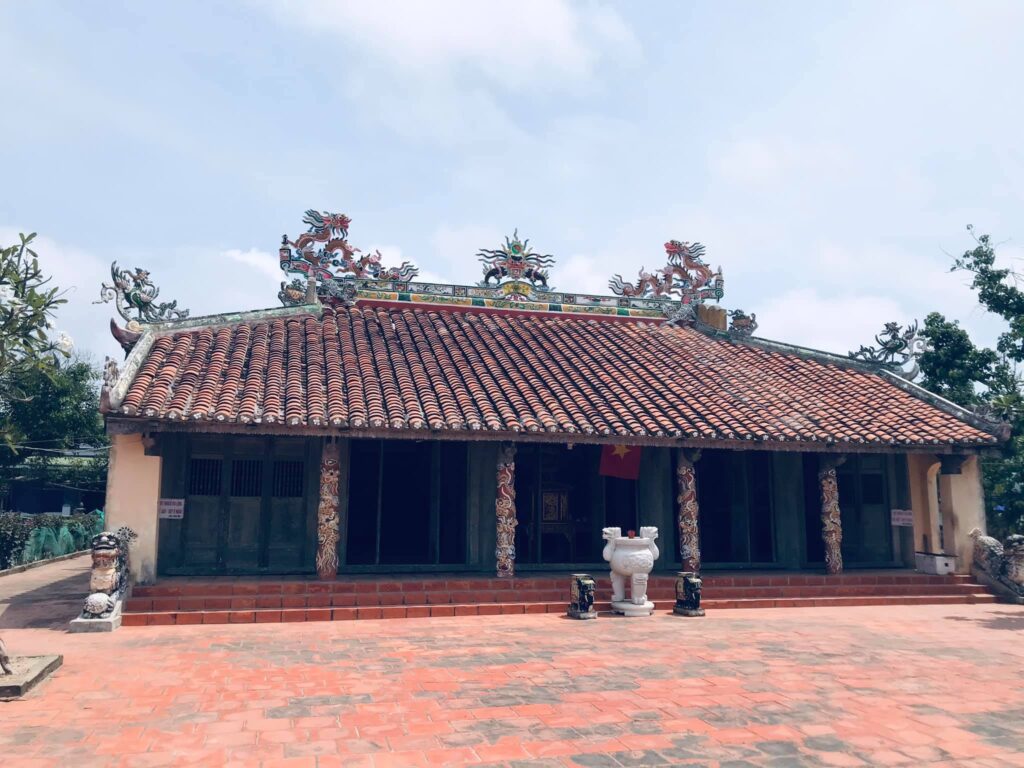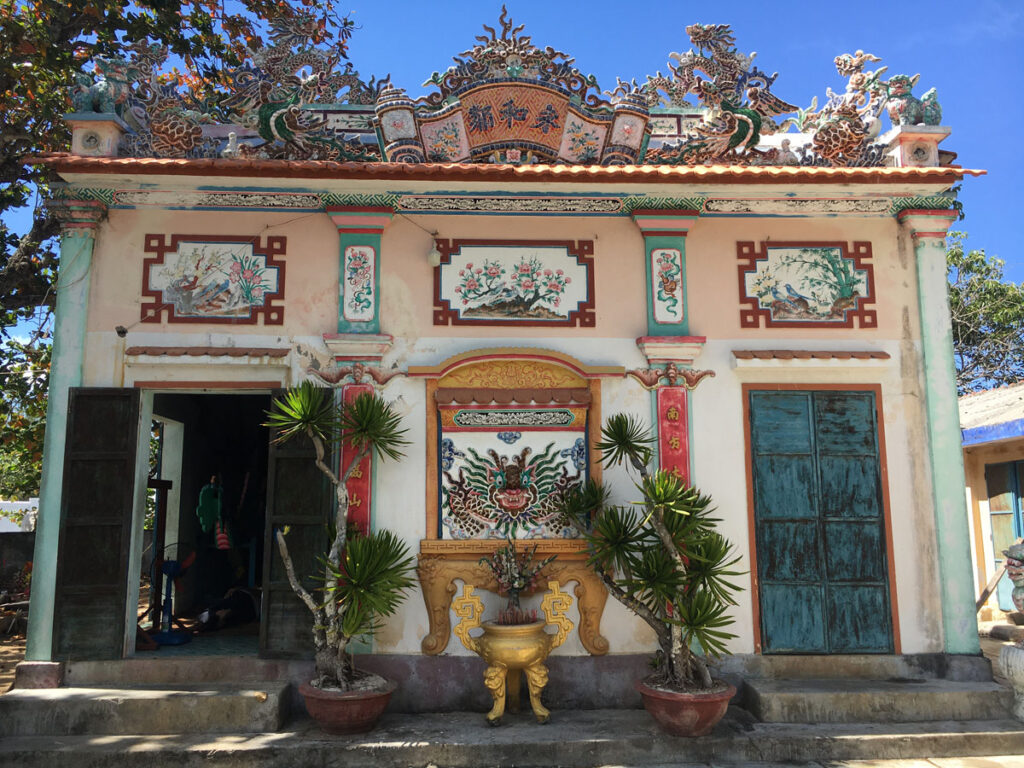
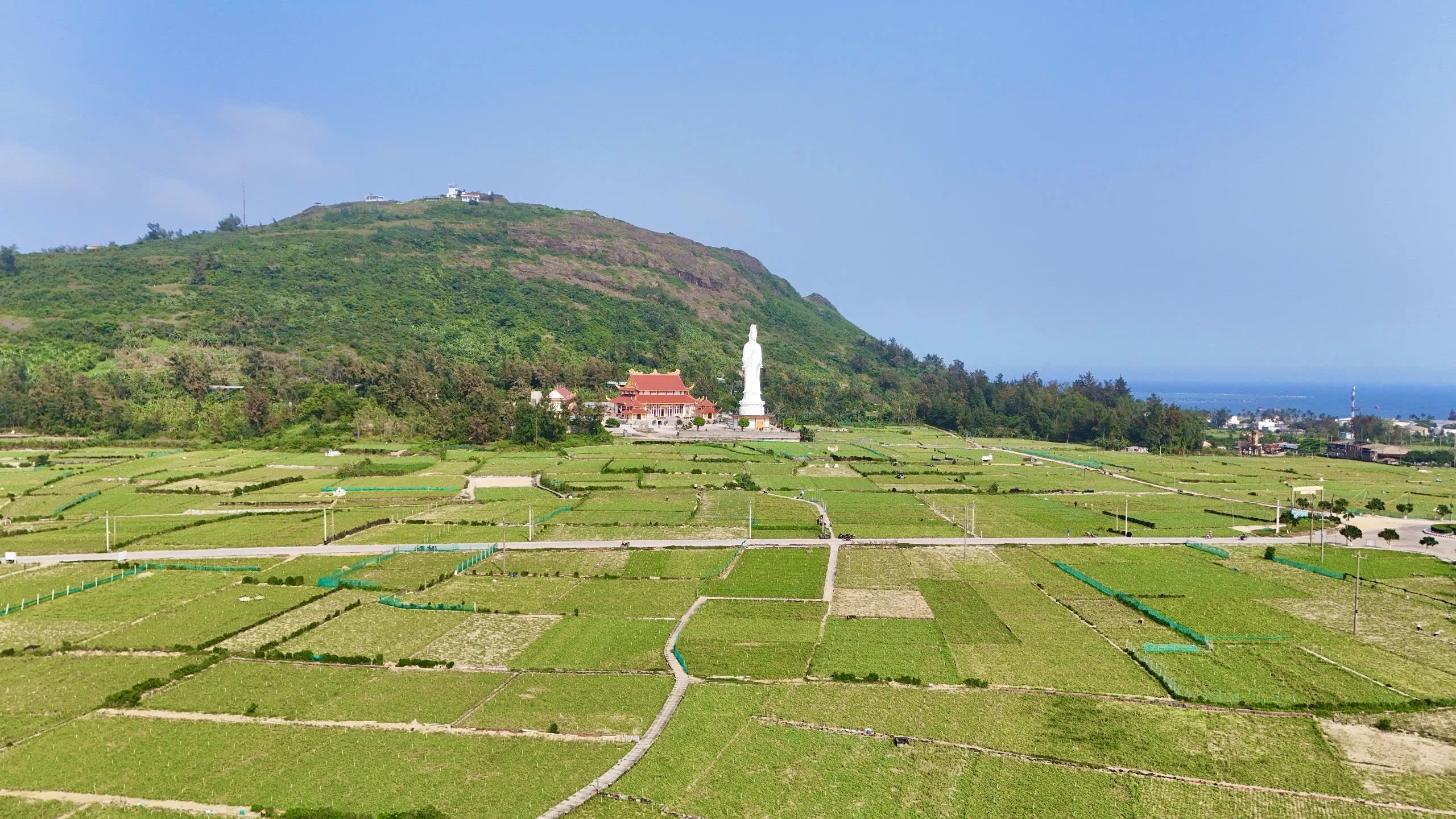
The Ly Son Special Zone covers an area of 10.39 km² with a population of more than 22,000 residents, located about 15 nautical miles off the coast of Quang Ngai. It takes approximately 40 minutes by ferry from Sa Ky Port to reach Ly Son. The island is renowned for its unique geological and geomorphological heritage, shaped entirely by ancient volcanic activity.
Geographic Location & Natural Conditions
Ly Son lies to the northeast of Quang Ngai Province and consists of three islands:
- The Big Island (Cu Lao Re)
- The Small Island (Cu Lao Bờ Bãi / An Bình)
- Hon Mu Cu Islet
The Big Island (Cu Lao Re)
Named after the Re tree that once covered the island, the Big Island is formed by five extinct volcanoes: Thoi Loi, Hon Tai, Hon Vung, Gieng Tien, and Hon Soi. These volcanic eruptions created dramatic landscapes—lava cliffs, sea caves, and natural arches—visible at sites such as Hang Pagoda, Duc Pagoda, Cau Cave, To Vo Gate, and Hon Dun.
The volcanic basalt soil supports rich vegetation, and archaeological evidence found along ancient freshwater streams like Suoi Chinh, Suoi Oc, and Suoi Can shows that human settlement existed here over 3,000 years ago.
The Small Island (An Bình)
Covering 68 hectares and home to more than 400 residents, An Bình Island is also volcanic in origin, featuring lava flows, eroded cliffs, and sea caves. Attractions include Hon Dun, Chang Thiep Cave, and Bai Hang—ideal for ecotourism and beach activities.
Hon Mu Cu
Located 500 meters off the southeastern coast of the Big Island, Hon Mu Cu is an uninhabited rocky islet dominated by the native Mu Cu plant. Today, the area serves as a safe anchorage for fishing vessels.
Administrative and Historical Background
Historically known as Cu Lao Re, Ly Son has undergone multiple administrative changes:
- Under the Nguyen Lords: two wards, An Vinh and An Hai.
- 1808 (Gia Long era): established as Ly Son District.
- 1931: reorganized as Ly Son Garrison under Quang Ngai Province.
- After 1945: renamed Tran Thanh Commune, later returning to Ly Son.
- 1993: officially established as Ly Son District.
- 2003–present: includes An Vinh, An Hai, and An Binh communes.
Strategic Importance
Due to its location guarding the Sa Ky gateway, Ly Son has long held military significance. As early as the 15th century, General Bui Ta Han used the island as a staging base during military campaigns. The Nguyen Dynasty later built defensive outposts here.
Most notably, Ly Son is the homeland of the Hoang Sa Flotilla, whose members sailed to the Paracels and Spratlys to safeguard sovereignty—commemorated in local traditions and monuments.
Formation of the Local Community
Archaeological discoveries at Xom Oc and Suoi Chinh confirm human habitation dating back three millennia.
Modern settlements began in the early 17th century (1604–1610), when families from An Vinh (present-day Tinh Ky) and An Hai (present-day Binh Chau) migrated to the island.
An Vinh was founded by seven pioneering clans: Pham Quang, Pham Van, Vo Van, Vo Xuan, Le, Nguyen, and Tran.
An Hai was established by eight founding clans: Nguyen, Duong, Truong, Tran, Vo, Nguyen Dinh, Nguyen Van, and Le.
From the very beginning, residents faced harsh natural conditions and threats from pirates. Their bravery is remembered through chants about the Hoang Sa soldiers:
“Hoang Sa đi có về không…” (“To Hoang Sa one goes, but may not return.”)
Ly Son’s culture developed through contact between Cham heritage and Vietnamese traditions, creating a distinctive spiritual landscape seen in rituals, festivals, and village architecture.
Economic Characteristics
Marine Economy
Fishing has always been the backbone of Ly Son’s economy. While traditional vessels once limited offshore fishing, modern boats now allow fishermen to reach deep-sea grounds around Hoang Sa and Truong Sa, making the marine economy the island’s strategic strength.
Ly Son currently has about 450 fishing boats, including 290 offshore vessels over 90 horsepower.
Agriculture
Due to volcanic soil and limited freshwater, the island cannot grow rice. Instead, residents cultivate:
- Garlic (Ly Son garlic – the island’s iconic product)
- Onions
- Corn, beans, peanuts, sweet potatoes
- Gai fiber plants for weaving fishing nets
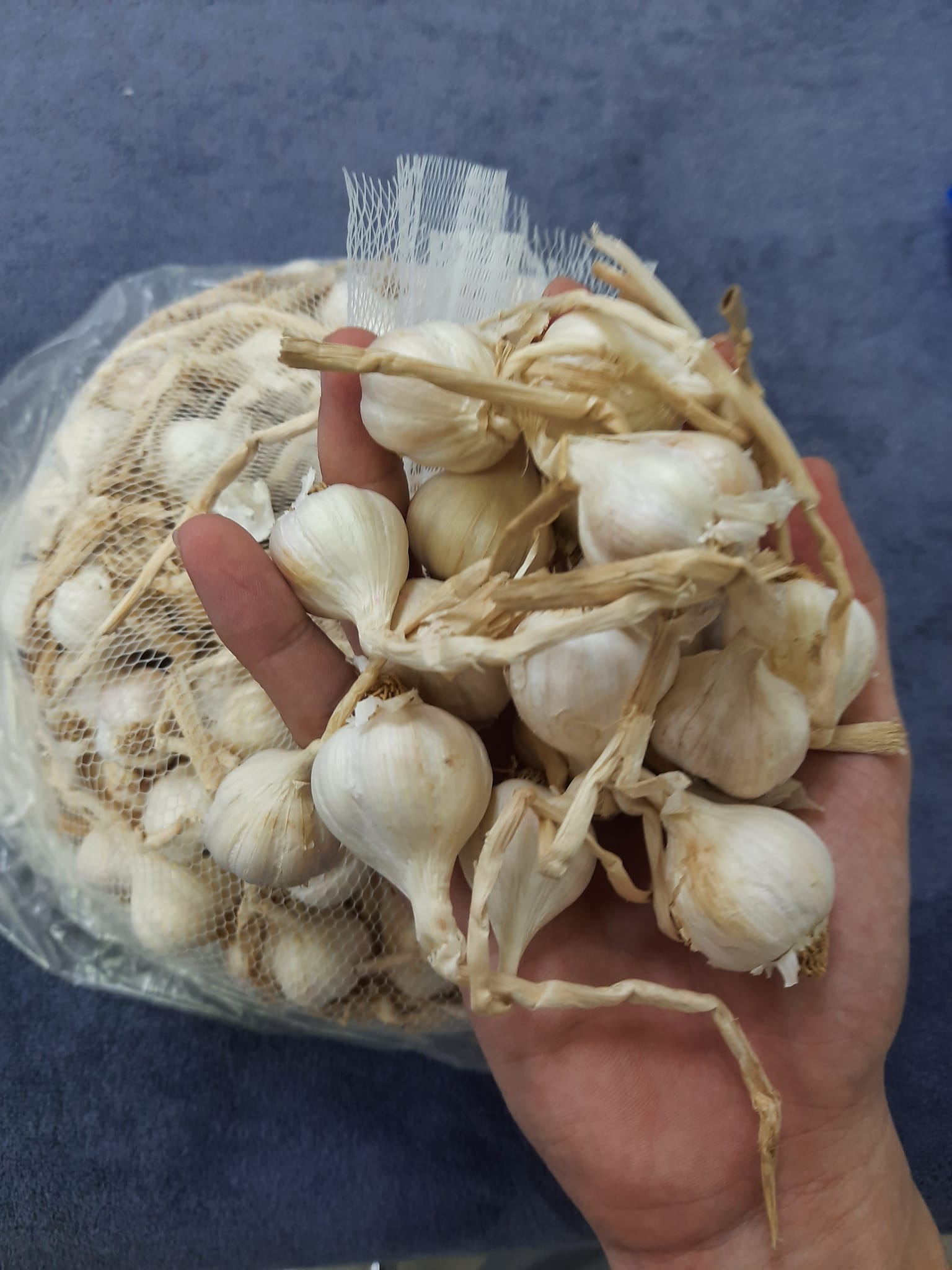
The unique white coral sand used to improve soil fertility has become scarce, threatening long-term farming sustainability.
Trade and Traditional Crafts
Historically located on maritime trade routes, Ly Son engaged in active exchanges with passing merchant ships. Locals transported goods as far as southern provinces using ghe bau (traditional wooden cargo boats).
Notable crafts include:
- Boat-building
- Wood carpentry for temples and traditional houses
- Net weaving
- Fish processing
Culture, Education & Religion
Ly Son preserves a wealth of cultural and spiritual heritage:
- Festivals & Rituals
- Hoang Sa Soldiers Commemoration Festival
- Boat Racing Festival
- Doi Bong Festival
- Village guardian deity ceremonies
- Harvest and seasonal rituals
Religion
Local temples, pagodas, and shrines include:
- Duc Pagoda, Hang Pagoda, Tu Quang Pagoda
- Ngoc Duc Monastery
- Yen Goddess Shrine (Thiên Y A Na)
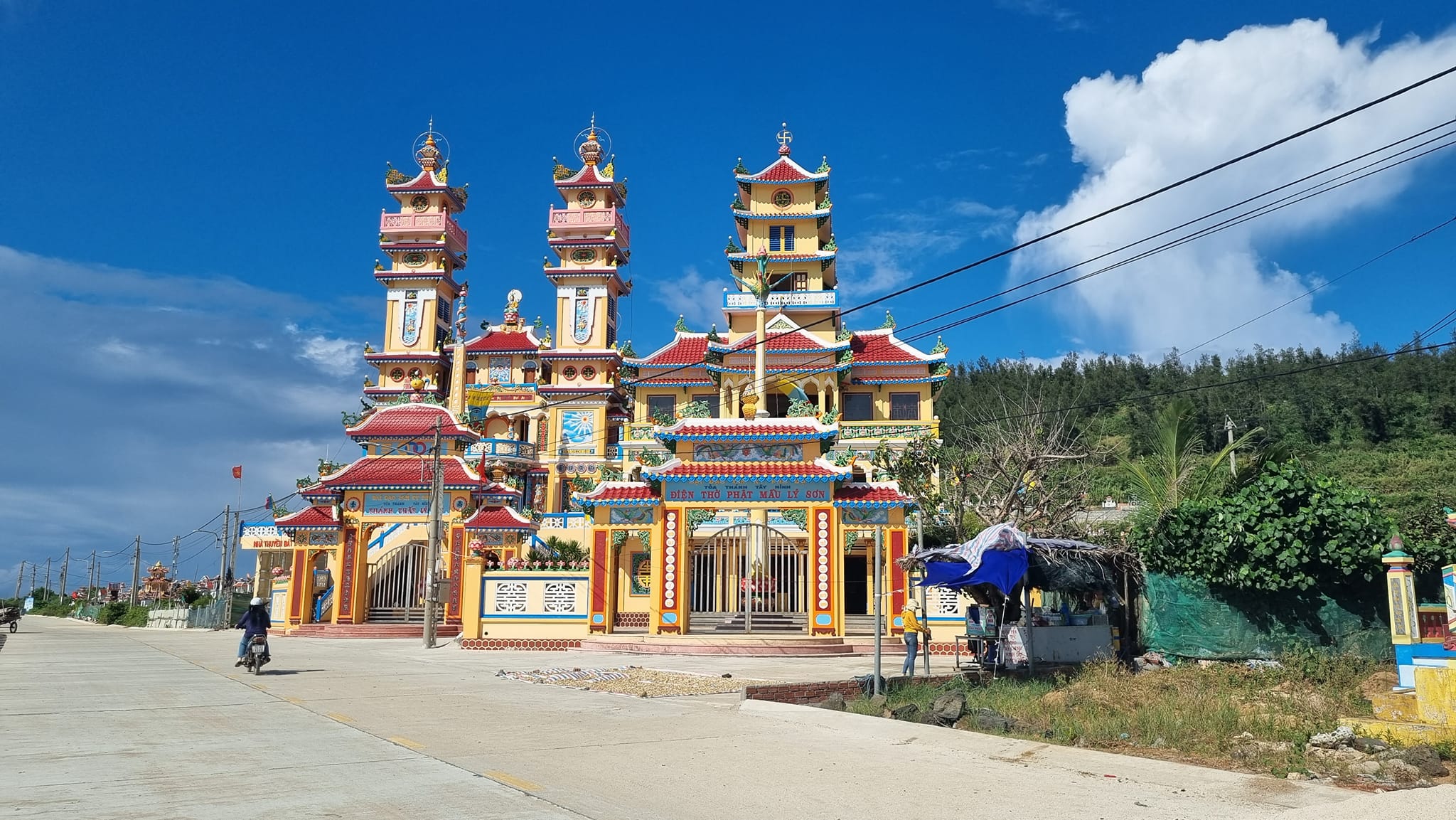
- Cao Dai Temple
- A Catholic congregation
Education facilities include one high school, two secondary schools, four primary schools, and three kindergartens.
Tourism Highlights
Ly Son offers diverse attractions across its three communes:
- An Vinh Commune
- To Vo Gate
- Duc Pagoda
- Gieng Tien Volcano
- An Vinh Communal House
- Hoang Sa – Bac Hai Museum
- Xo La Well
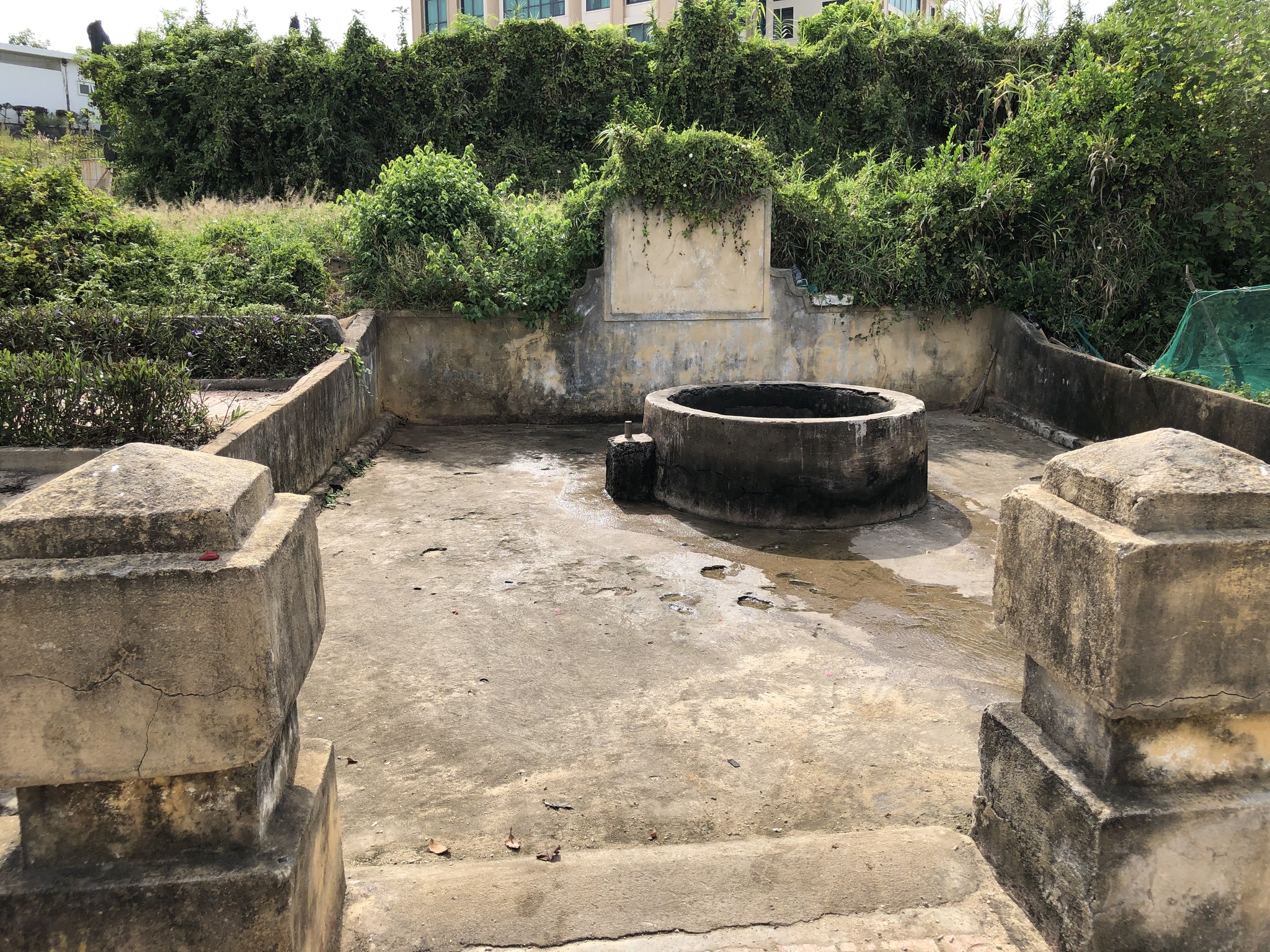
An Hai Commune
- Hang Pagoda
- Cau Cave
- Thoi Loi Volcano
- Hon Mu Cu Lighthouse Area
- An Hai Communal House
- Thiên Y A Na Shrine
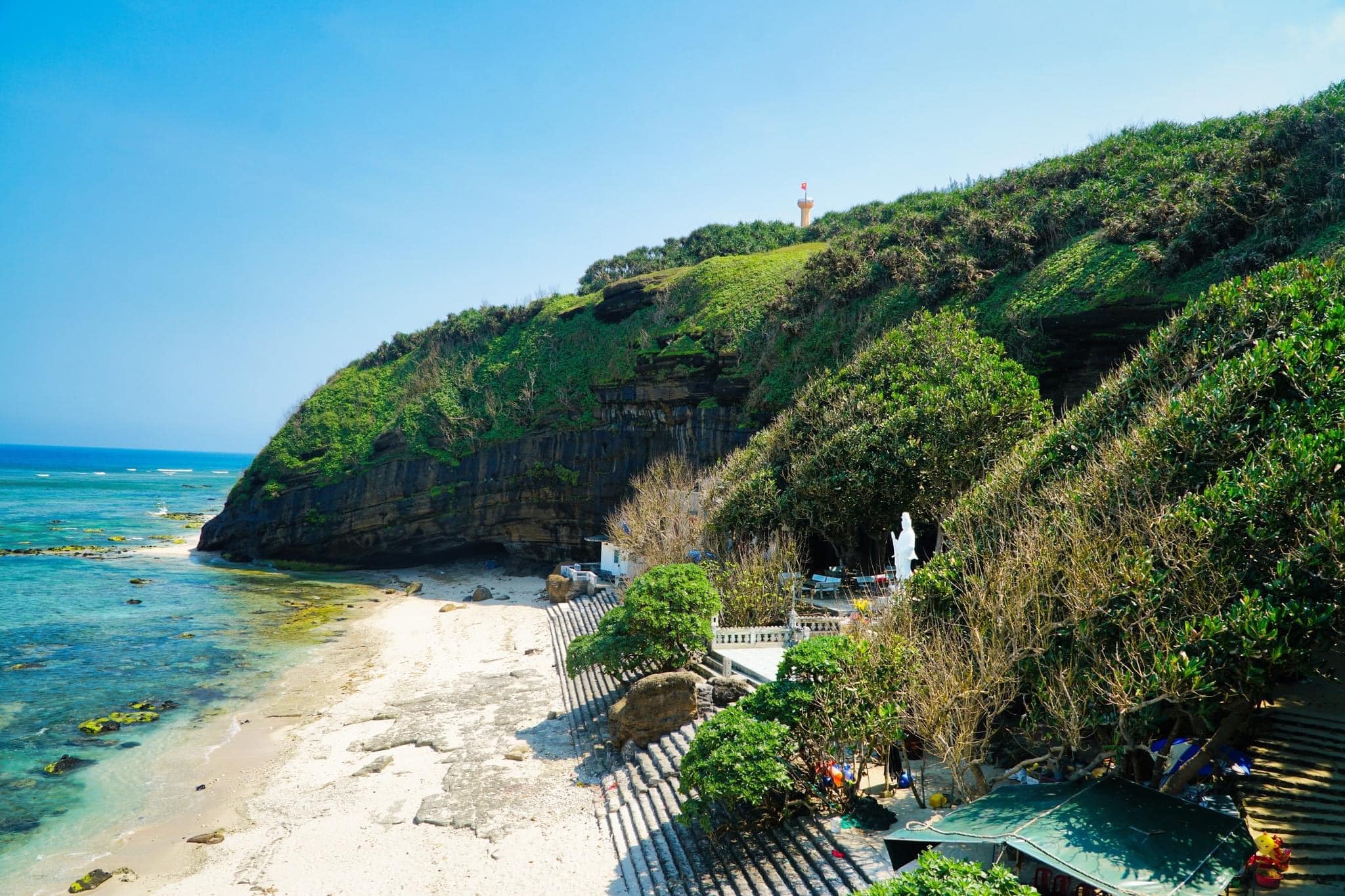
An Binh (The Small Island)
- Bai Hang
- Mom Tau
- Hon Dun
Untouched beaches, coral reefs, and eco-tourism landscapes