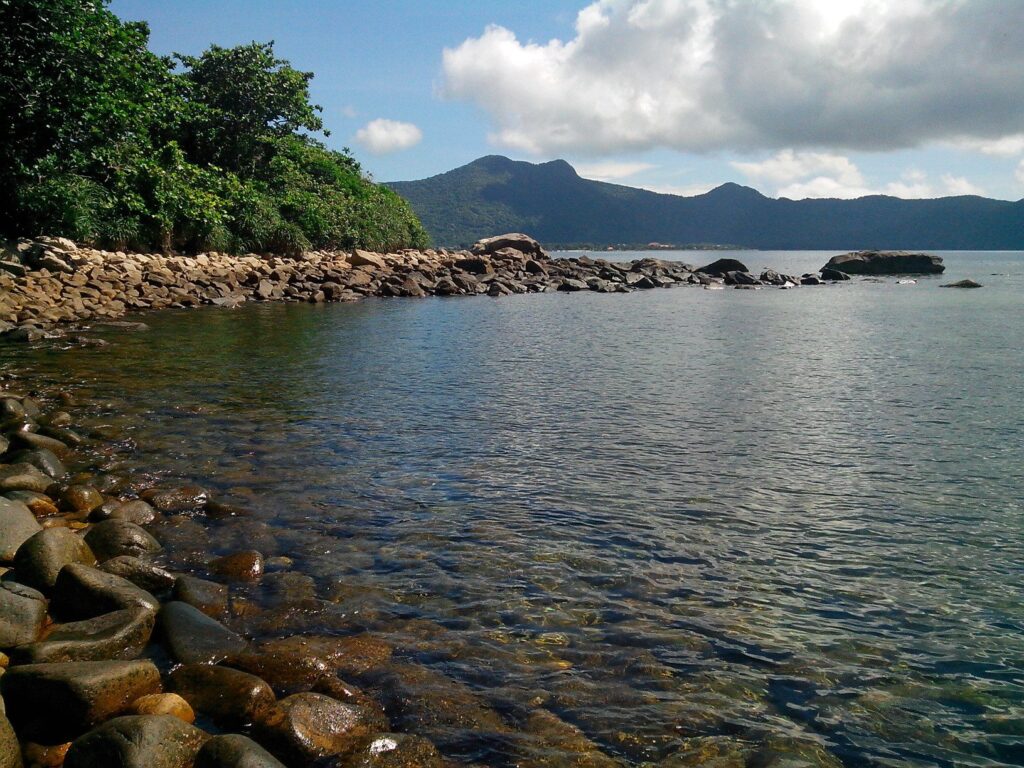

When visiting Con Dao, you’ll not only be enchanted by pristine beaches and unforgettable local delicacies, but also by the spiritual stories that have shaped this island for centuries. Among the most revered places are the Phi Yen Shrine and the Cau Shrine – two mysterious, sacred sites deeply rooted in the island’s culture and history. According to local tradition, the Phi Yen Shrine honors Lady Phi Yen (Lê Thị Răm), while the Cau Shrine commemorates her son, Prince Cai.
A Heartbreaking Legend: Lady Phi Yen and Prince Cai
The story of Lady Phi Yen and her young son is one of the most tragic and emotional tales associated with Con Dao.
During the period when Nguyễn Ánh (later Emperor Gia Long) sought refuge on Con Dao, he planned to seek military assistance from France. Lady Phi Yen strongly opposed this idea, fearing it would bring foreign powers into the country. Misunderstanding her intentions, Nguyễn Ánh suspected betrayal and accused her of siding with the Tây Sơn. In anger, he ordered her to be imprisoned in a cave on a deserted islet — today known as Hon Ba.
Soon after, Nguyễn Ánh, together with his entourage and family members, set sail for Phu Quoc. At the moment of departure, Prince Cai, only five years old, cried desperately for his mother. Unable to calm him and blinded by rage, Nguyễn Ánh made a cruel decision: he ordered his men to throw the young prince into the cold sea. His body later washed ashore and was found by islanders, who buried him deep within the forest near Dam Trau Beach.
When Lady Phi Yen was finally rescued by local residents — aided by the mythical Black Tiger and White Monkey — she learned of her son’s tragic death. Her cries beside his grave moved everyone who heard them, echoing a grief impossible to measure.
Locals still recite the poignant lines:
“Gió đưa cây Cải về trời
Rau Răm ở lại chịu đời đắng cay…”
A Life of Virtue and Courage
But tragedy did not end there. According to elders on the island, Lady Phi Yen stayed in Con Dao to tend to her son’s grave. During the village festival at An Hai, she was invited to attend. That night, an immoral man tried to assault her. Determined to protect her dignity, Lady Phi Yen resisted, cried for help, and, unable to endure the humiliation, chose to take her own life.
Admiring her purity, loyalty, and courage — and grieving for young Prince Cai — the people of Con Dao built the Phi Yen Shrine and the Cau Shrine to honor mother and son for generations to come.
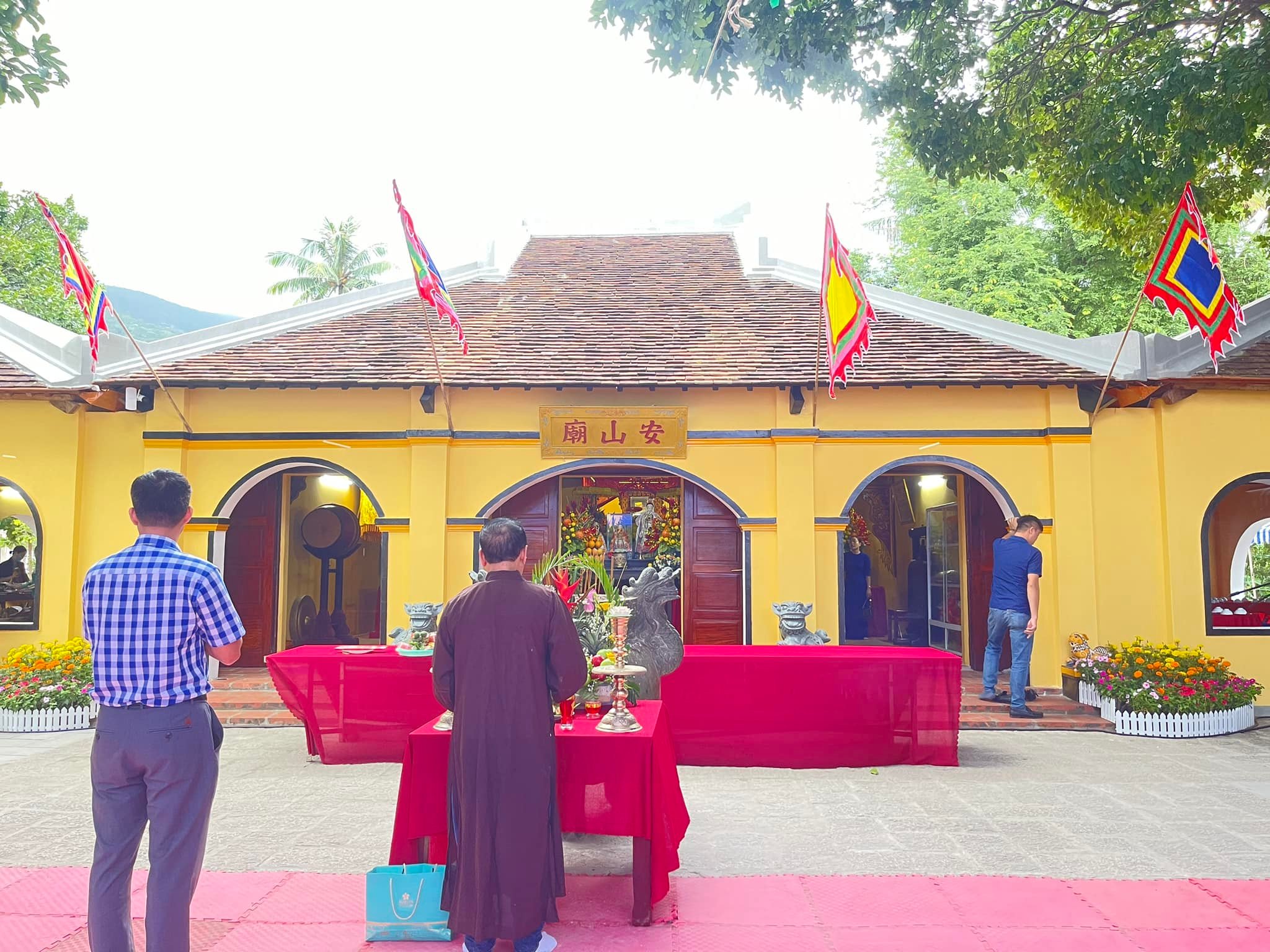
Phi Yen Shrine – Where Prayers Are Heard
Every year on the 18th day of the 10th lunar month, the people of Con Dao hold a solemn ceremony to commemorate Lady Phi Yen. Offerings of vegetarian dishes, fruits, flowers, sticky rice, and tea are beautifully arranged in her honor.
To the locals, Phi Yen Shrine is deeply sacred — a place where Lady Phi Yen is revered as a protective spirit of the island. Although the shrine was once destroyed during colonial times, it has been restored and welcomes thousands of visitors each year. Many believe that sincere wishes made here will be blessed by Lady Phi Yen.
Stepping into Phi Yen Shrine, visitors can feel the peaceful atmosphere and hear the moving stories that have become part of Con Dao’s soul.
Cau Shrine – Resting Place of Prince Cai
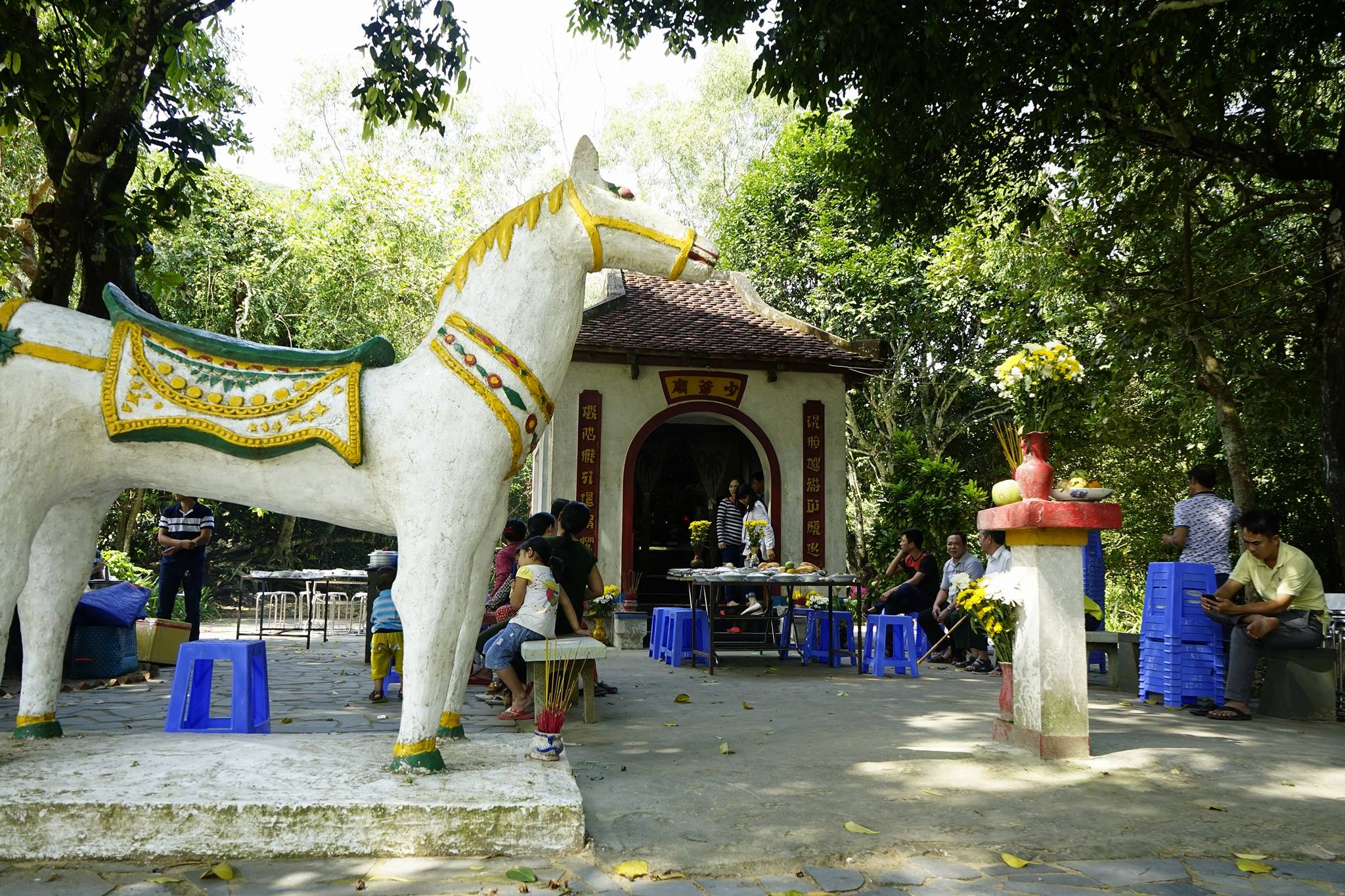
A short distance from the Phi Yen Shrine lies Cau Shrine, dedicated to the young Prince Cai. His grave remains in the quiet forest near Dam Trau Beach, creating a serene and solemn setting that deeply touches the hearts of those who visit.
A Spiritual Journey in Con Dao
Visiting these sacred sites is not just a cultural experience — it is a profound emotional journey. Many travelers combine their visit to Phi Yen Shrine and Cau Shrine with a pilgrimage to Hang Duong Cemetery, where heroine Võ Thị Sáu and thousands of revolutionary martyrs rest.
If you have the chance to visit Con Dao, don’t miss these two sacred shrines. They offer a deeper understanding of the island’s heritage, its legends, and the enduring strength of the human spirit.