As the war in Vietnam escalated, the Côn Đảo prison system was expanded to serve the U.S.–Saigon regime’s escalating repression. Following multiple surveys conducted in 1967–1968, the U.S. military mission proposed using funds from the American Military and Economic Assistance Program to build model prison facilities on Côn Đảo.
The well-known American contractor RMK–BRJ was awarded the project and rapidly constructed a system of new prison camps: Camp VI, Camp VII, and Camp VIII, all begun simultaneously in 1968. Camp IX was started but left unfinished when the Paris Peace Accords were signed.
Unlike French-built prisons, which placed detention cells near the front, the American-designed camps arranged kitchens, infirmaries, and storage buildings at the entrance, while hiding the detention blocks deep inside.
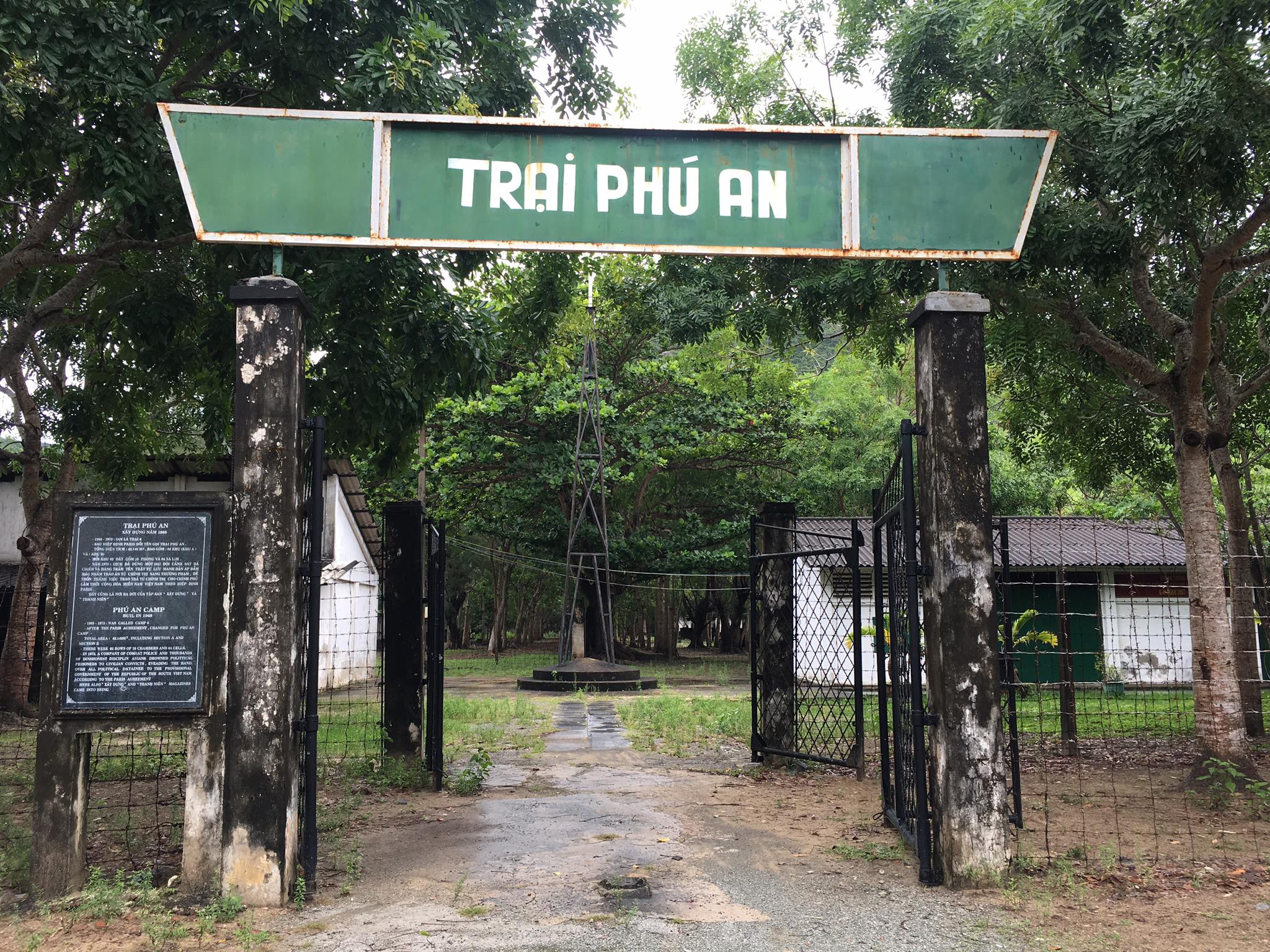
Structure of Phu An Camp (Camp VI)
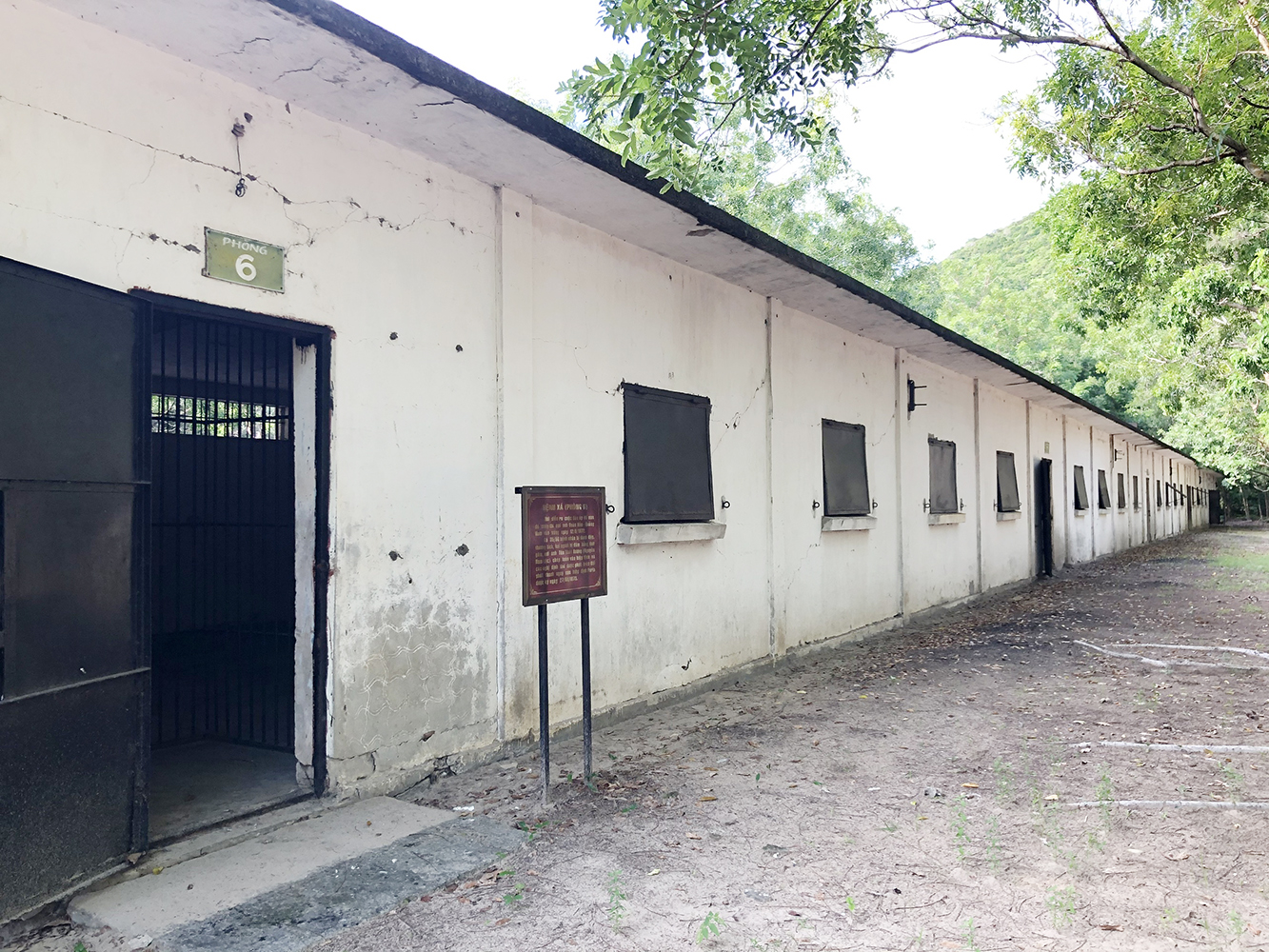
Phu An Prison Camp consisted of 20 detention rooms, divided into two areas — Zone A and Zone B, each with 10 rooms, arranged in two facing rows. A separate block of four solitary confinement cells (xà lim) was also included.
The entire compound covered 42,140 m².
Zone A (Rooms 1–10): In early 1970, this area held detainees who had not yet been formally sentenced (“câu lưu” or “hồi cứu”), many arrested after the 1968 Tet Offensive.
August 1970: The U.S.–Saigon regime established the Pilot Psychological Warfare Battalion of Côn Sơn in this block.
Zone B: Originally used to imprison hardened political prisoners — those who survived repeated “screenings” and resisted anti-communist indoctrination campaigns dating back to the U.S.–Diệm era.
In 1972, after the failure of the Psychological Warfare Battalion, the regime reversed the numbering: Rooms 11–20 became Zone A, and Rooms 1–10 were reassigned as Zone B.
Formation of the Luu Chi Hieu Party Cell and Major Resistance Movements
On February 3, 1972, the Luu Chi Hieu Party Cell was established, named after the fallen revolutionary. Comrade Trần Văn Cao (Tư Cao) served as its Secretary. Under his leadership, political prisoners in Zone B organized numerous significant resistance movements, including:
- A 19-day hunger strike (October 1972)
- A movement opposing fingerprinting and photographing to prevent the regime’s attempt to reclassify political prisoners as “criminal gang members” (May 1973)
- The creation of the clandestine publication “Sinh Hoạt và Xây Dựng” to maintain morale and ideological unity
- By late 1974, anticipating opportunities from the Paris Peace Accords, the Party Cell established a Military Committee and Security Committee in preparation for the possibility of self-liberation.
Recognition as a National Special Historic Site
The historical value of Phu An Camp has been formally recognized by the State:
- April 29, 1979: The Ministry of Culture and Information issued Decision 54-VHQĐ, designating Phu An Camp as a Nationally Important Historic Site.
- May 10, 2012: The Prime Minister issued Decision 548/QĐ-TTg, classifying the camp as a National Special Historic Site.
Phu An Camp Today
Today, the Phu An Prison Camp is one of the key historical sites in the Côn Đảo memorial complex. Visiting the site allows travelers to:
- Understand the advanced architecture and oppressive methods used by the U.S.–Saigon regime
- Learn about the unyielding resistance and solidarity of political prisoners
- Reflect on the sacrifice, endurance, and revolutionary spirit that contributed to Vietnam’s eventual liberation
Every wall, every corridor, and every cell here whispers stories of courage, loyalty, and the unbreakable will of those who fought for freedom.