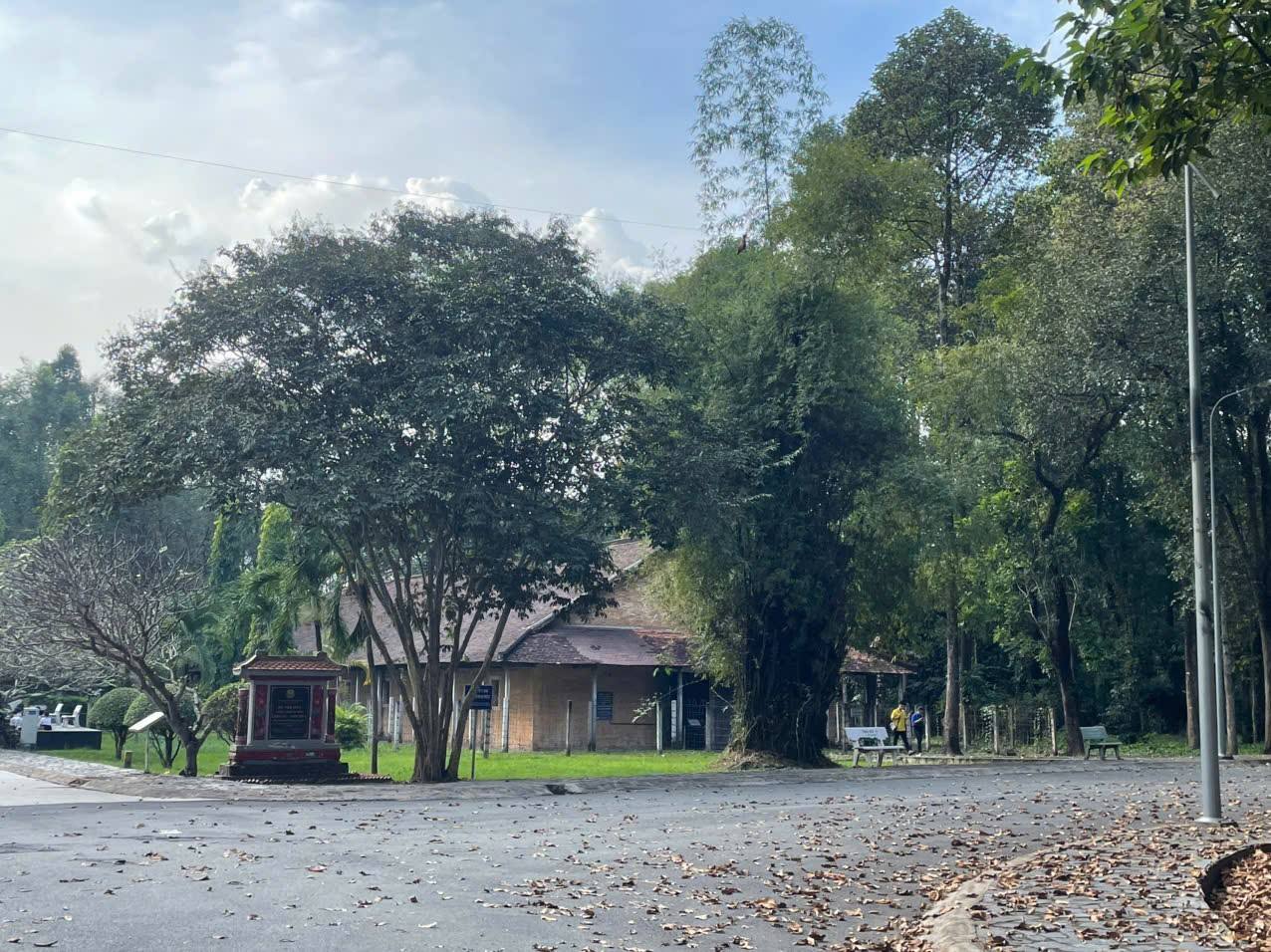
Phú Lợi Prison was built in 1957 and remained in operation until 1964. It was one of the most notorious prisons in southern Vietnam during the Mỹ–Diệm period. Known for its brutal detention and torture regimes, the prison was grimly referred to as a “living hell”, where thousands of revolutionary fighters and patriotic civilians were incarcerated.
The most horrific crime associated with Phú Lợi Prison was the mass poisoning of political prisoners on December 1, 1958. This event shocked public opinion both domestically and internationally and has since remained an indelible symbol of the cruelty of the time in Vietnam’s revolutionary history.
From Military Base to Infamous Prison
Originally, the site served as a military base for Japanese fascist forces and later French colonial troops. In mid-1957, the Mỹ–Diệm administration converted the area into a prison to detain revolutionary cadres and patriotic civilians. At the time, it was located in Phú Mỹ Hamlet, Phú Hòa Commune, Châu Thành District, Thủ Dầu Một Province (now part of Bình Dương).
The prison was initially disguised under the name “Phú Lợi Re-education Center,” later renamed the “Phú Lợi Correctional Center.” Covering an area of approximately 12 hectares, the complex lay adjacent to a military base and was divided into several zones, including administrative quarters, soldiers’ family housing, and the detention area—misleadingly called the “An Trí Institute,” which in reality was a political prison.
Prison Structure and Brutal Conditions
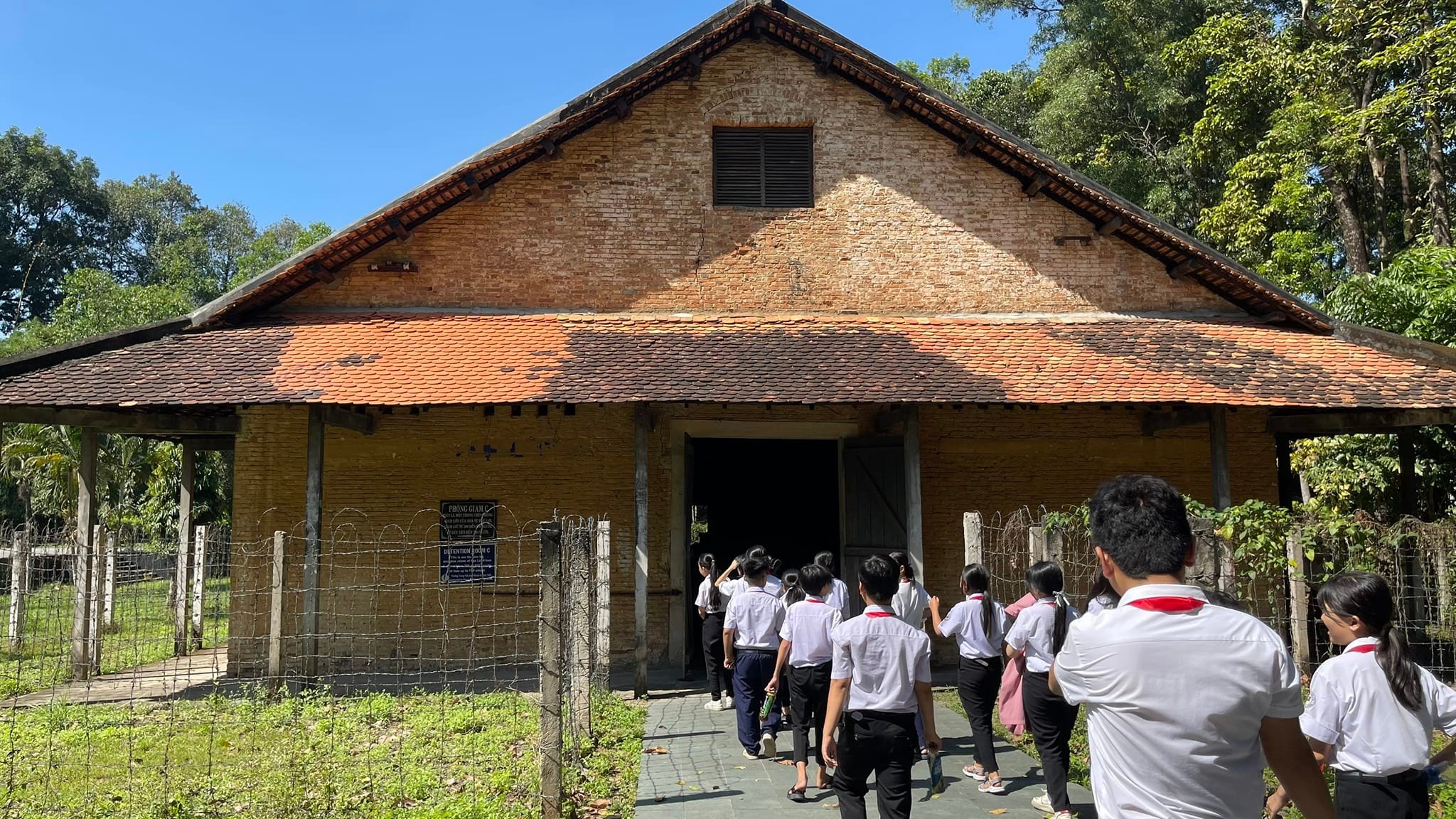
The detention compound consisted of three main camps—Bạch Đằng, Chi Lăng, and Đống Đa—with a total of nine cell blocks, labeled from A to H and N. Each camp held between 300 and 500 prisoners under cramped conditions, lacking light, ventilation, and adequate water supply.
The entire prison was encircled by high walls, multiple layers of barbed wire, and floodlights operating throughout the night, completely isolating inmates from the outside world. A central watchtower stood in the middle of the compound, with four additional guard towers at the corners to monitor all activities.
Daily life inside Phú Lợi Prison was exceptionally harsh:
- Prisoners were fed moldy rice, spoiled fish, coarse salt, and fish sauce infested with maggots.
- Living conditions were filthy, with severe shortages of clean water and medical care.
Torture, beatings, solitary confinement, and “tiger cages” were routinely used, enforced by an extremely harsh set of “24 prohibitions” designed to crush prisoners’ morale.
The Mass Poisoning of December 1, 1958 – A Shocking Crime
At the end of 1958, the Mỹ–Diệm authorities plotted to eliminate a large number of so-called “Category A” political prisoners by mixing poison into their bread and meals. When rough seas prevented the planned transfer of prisoners to Côn Đảo, the authorities carried out the poisoning directly inside the prison.
From November 30 to December 1, 1958, hundreds of inmates suffered severe poisoning, experiencing intense abdominal pain, vomiting, and convulsions. Many died, while others fell into comas. Some victims were secretly removed from the prison and never returned.
In response, prisoners launched an open and collective protest, tearing off parts of the prison roofs and using loudspeakers to call for help, forcing the authorities to confront the crime. News of the incident spread rapidly, provoking widespread condemnation from local communities and the international public alike.
A Prison Turned “Revolutionary Classroom”
Despite extreme oppression, political prisoners at Phú Lợi Prison remained unbroken. With the spirit of “turning prison into a revolutionary classroom,” clandestine Party cells were established, communication networks formed, and creative, persistent resistance activities carried out.
Phú Lợi Prison thus became not only a place of physical confinement but also a powerful symbol of resilience, unwavering patriotism, and the unyielding pursuit of independence and freedom by Vietnam’s revolutionaries.
A National Historical Site Today
By 1964, Phú Lợi Prison was dismantled, and the area was converted into a military sub-zone until the complete liberation of southern Vietnam on April 30, 1975.
Recognizing its profound historical and political significance, Phú Lợi Prison was designated a National Historical Site under Decision No. 92/VH/QĐ dated July 10, 1980. The site has since undergone several restoration and conservation phases (1995, 2007, 2011) and is now open to the public for visits and research.
Today, the site includes key features such as exhibition halls, documentary screening rooms, Cell Block C, and disciplinary rooms, making it a well-known “red address” for heritage education and remembrance.
Visitor Information
- Address: Một Tháng Mười Hai Street, Phú Lợi Ward, Ho Chi Minh City
- Contact: (+84) 274 3841 606 – Bình Dương Provincial Museum
More than a historical attraction, Phú Lợi Prison stands as a solemn reminder of the immense sacrifices made by previous generations and continues to inspire patriotism, peace, and responsibility for safeguarding Vietnam’s independence and freedom.