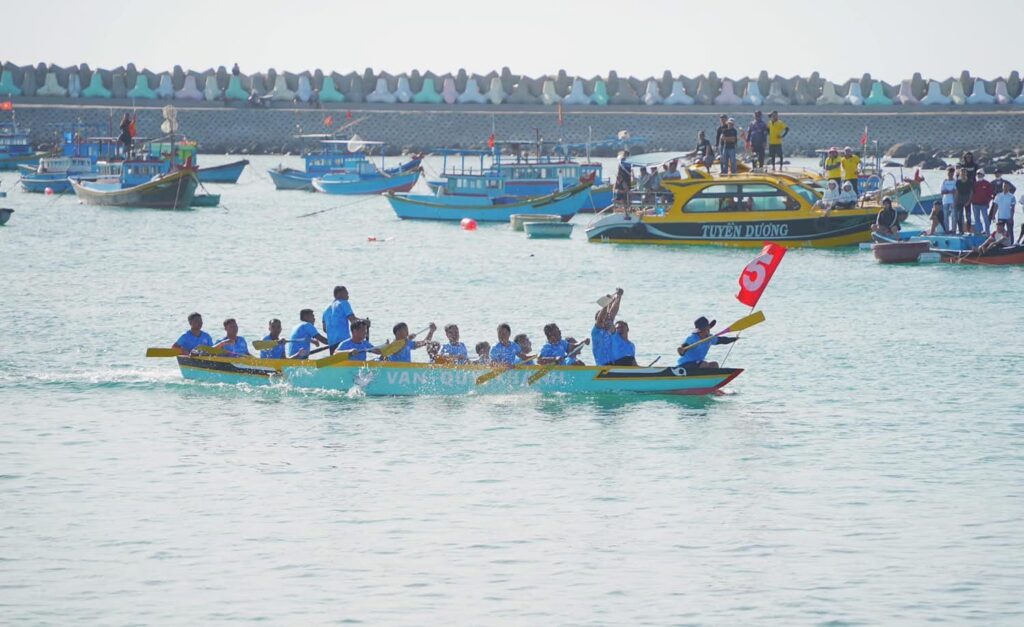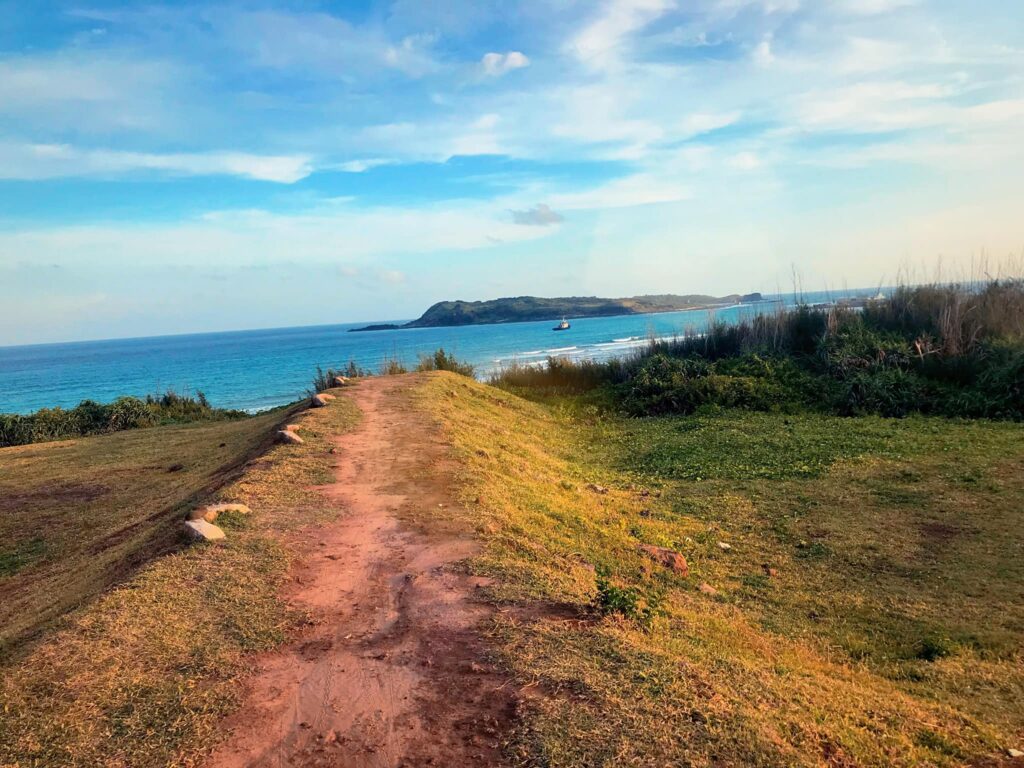
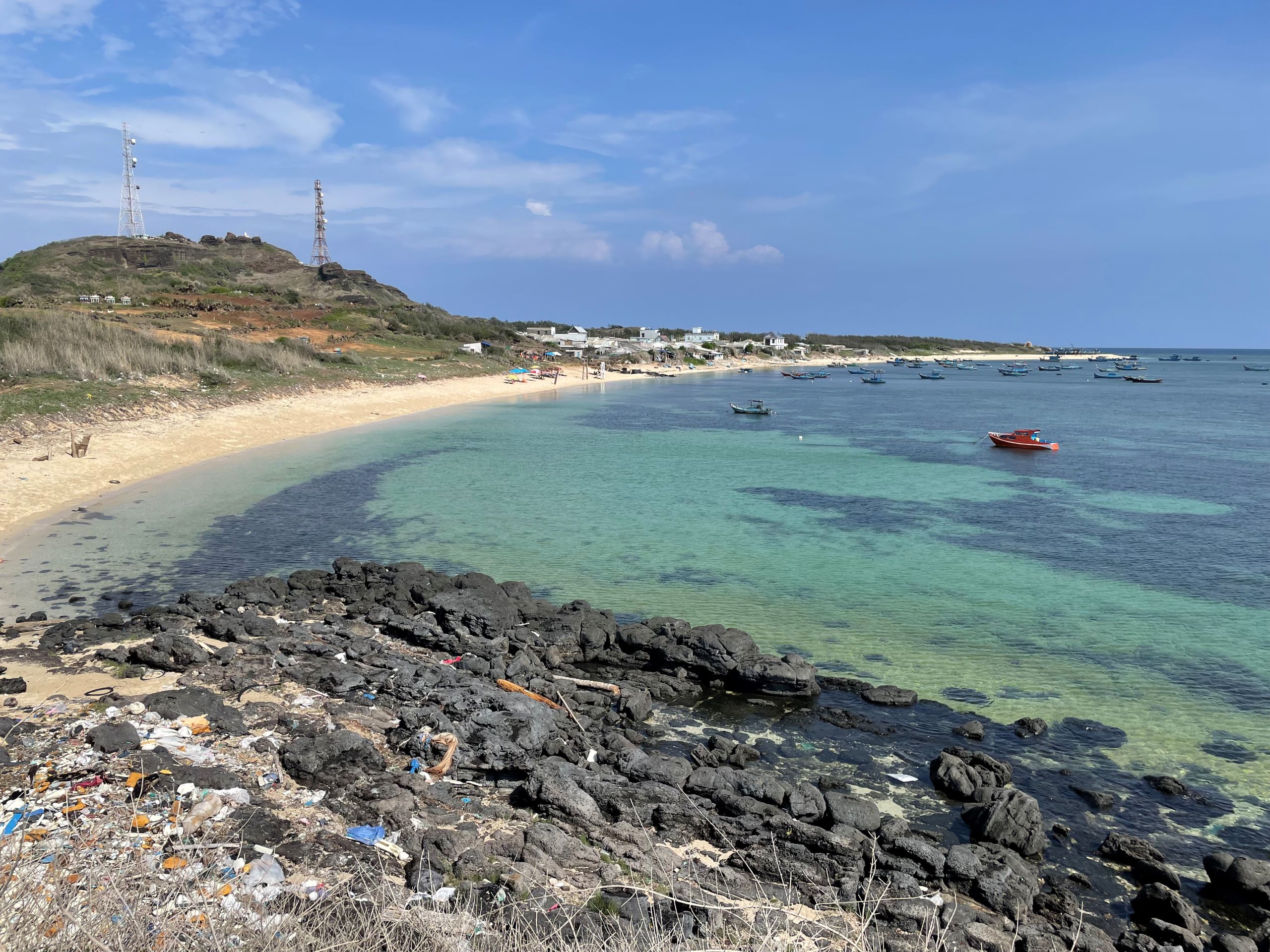
Phu Quy is the only special administrative district of Lam Dong Province, located between 105°55’–108°58′ East longitude and 10°29’–10°33′ North latitude. The island lies 56 nautical miles (over 100 km) southeast of Phan Thiet, 540 km southwest of the Truong Sa (Spratly) Archipelago, and about 725 km from the Hoang Sa (Paracel) Archipelago.
Blessed with remarkable natural beauty, Phu Quy offers pristine beaches, coral reefs, volcanic rock formations, and a gentle year-round climate. Its waters form an abundant fishing ground rich in premium seafood. The island is also home to numerous cultural, historical, and architectural heritage sites. Combined with the warm, hardworking, and hospitable nature of its people, Phu Quy is emerging as both a fascinating destination and a promising hub for marine tourism in Lam Dong Province.
Despite its modest size—just over 18 km² with a circumference of about 35 km and a population of 29,000—Phu Quy has 28 religious and spiritual sites, including several national-level heritage monuments such as Van An Thanh, recognized in 1996.
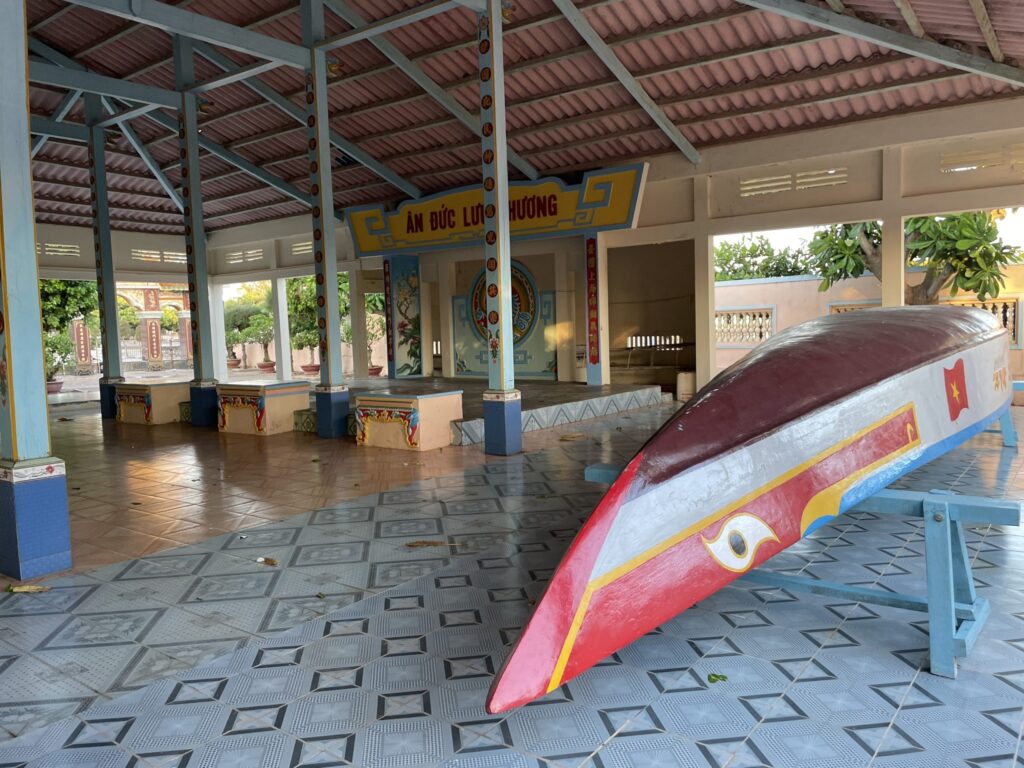
Van An Thanh
Van An Thanh is a sacred site dedicated to whale worship, a longstanding spiritual practice among coastal fishing communities in Vietnam. The sanctuary preserves nearly 100 whale and leatherback turtle skeletons, revered by locals as ancestral relics.
One of its highlights is the 17-meter skeleton of a sperm whale, weighing an estimated 40 tons when it first washed ashore. This is the second-largest whale skeleton in Binh Thuan Province, after that of Van Thuy Tu in Phan Thiet. The site is an invaluable resource for marine researchers and a spiritual cornerstone for local fishermen.
Linh Quang Pagoda
Recognized as a national scenic and historical site in 1996, Linh Quang Pagoda is believed to be the earliest Buddhist temple established on Phu Quy Island. Visitors come not only to admire its peaceful scenery and Buddhist architecture but also to learn legends about the island’s early settlers and the spiritual origins of Buddhism on Phu Quy.
The Tomb of Master Sai Nai
Another sacred landmark is the Tomb of Master Sai Nai, honoring a Chinese merchant and healer who, according to legend, was shipwrecked on Phu Quy during a storm in the 17th century. Captivated by the island’s beauty, he chose to remain and serve its people until his passing.
Since then, locals have regarded him as a guardian spirit, visiting the tomb to pray for smooth journeys, successful fishing seasons, and blessings in times of difficulty.
Every year on the 4th day of the 4th lunar month, the island hosts his memorial festival, featuring traditional rituals and hat boi (classical opera).
The Shrine of Princess Ban Tranh
A cherished site of folk worship, the Shrine of Princess Ban Tranh was built by the Cham people in the late 15th century. According to legend, the princess was exiled for refusing a forced marriage and arrived at Phu Quy by sea. She settled here, helped cultivate the land, built irrigation systems, and later aided the people in resisting invaders.
Honored as Lady of the Island (Bà Chúa Đảo), she is deeply revered for her protection and blessings. The shrine showcases unique Cham–Vietnamese cultural influences and offers stunning views of Cao Cat Mountain.
Linh Son Pagoda
Located atop a 200-meter peak, Linh Son Pagoda is over a century old, offering panoramic views of the vast ocean surrounding the island. The temple’s architecture, carvings, and spiritual heritage create a tranquil refuge for visitors seeking peace and mindfulness.

Hon Tranh Island
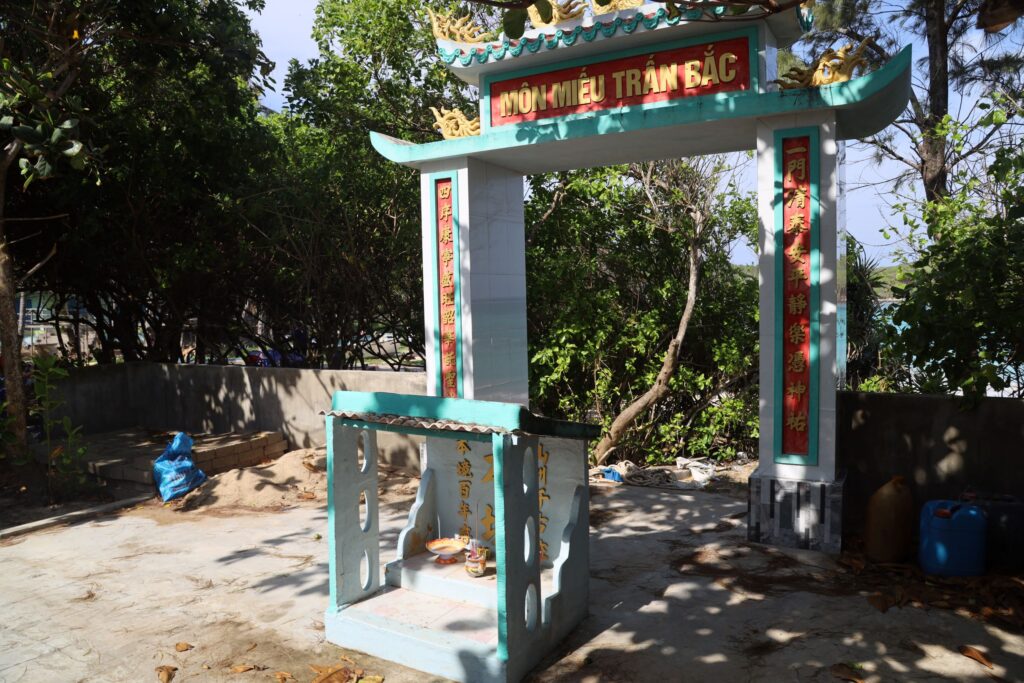
A must-visit site in Phu Quy, Hon Tranh is shaped by ancient volcanic activity. Once a wild island covered in cogon grass, it is now known for its crystal-clear waters, fine white sand, and vibrant coral reefs. The island also features a natural sea cave and the historic Tran Bac Shrine from the early 19th century.
Hon Tranh is intertwined with the legend of King Gia Long, who is said to have sought refuge here during his struggles against the Tay Son dynasty.
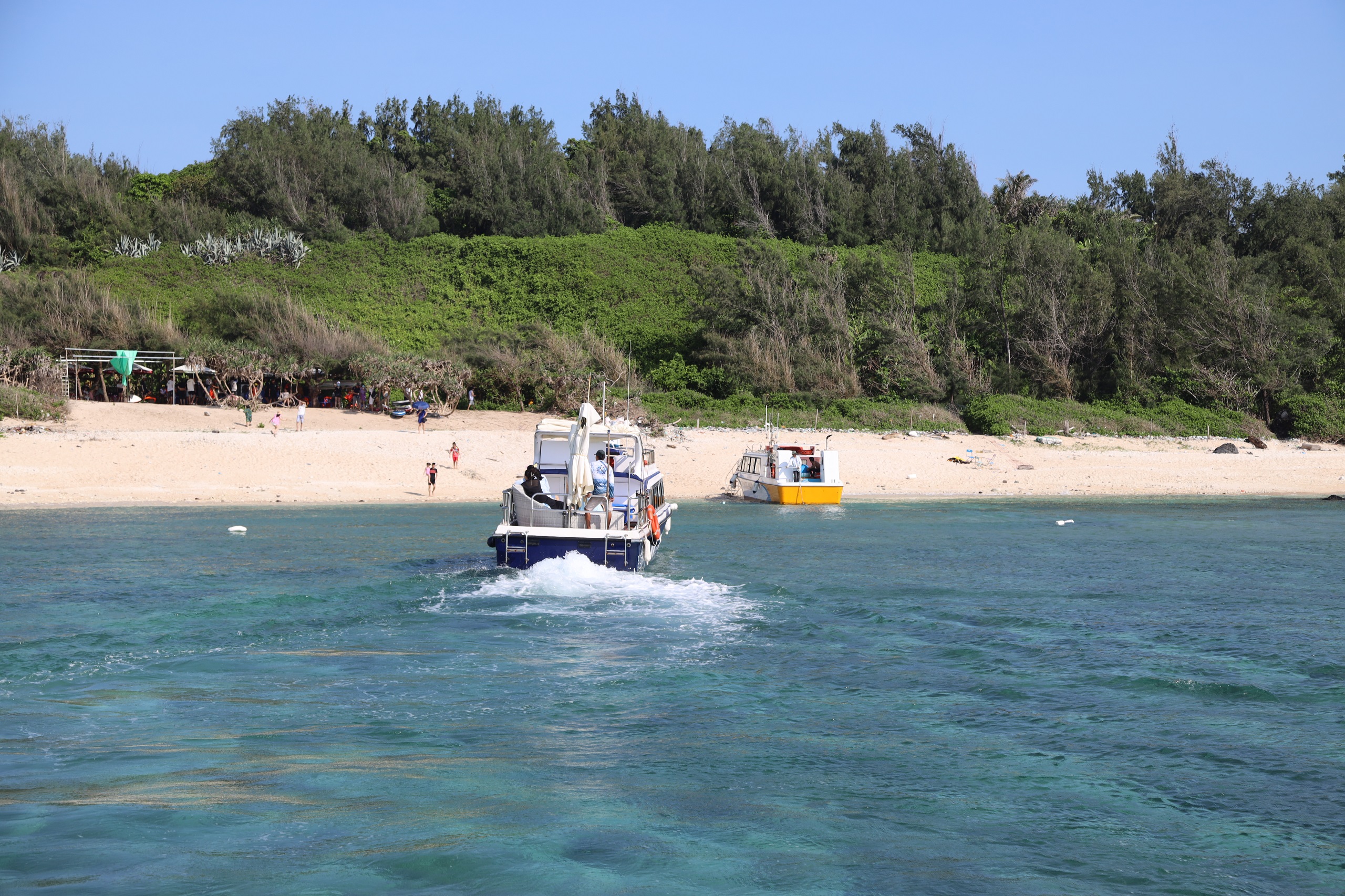
Triều Dương Bay & Other Scenic Beaches
The main island boasts some of the most unspoiled beaches in Vietnam:
- Triều Dương Bay – soft white sand, calm turquoise waters, and a serene watercolor-like landscape.
- Doi Duong Beach – picturesque with forested areas, rocky slopes, and traditional fishing villages.
Bai Nho – Ganh Hang – dramatic black volcanic cliffs, natural sea pools, and surreal wave-carved formations, often described as one of Phu Quy’s hidden gems.
A Seafood Paradise
Phu Quy is renowned for its exceptional seafood: lobster, king crab, moon crab, red grouper, sea cucumber, sea snail salads, and more. Visitors can explore floating fish farms raising lobsters, groupers, and sea snails—and enjoy seafood at remarkably fresh and reasonable prices.
Popular activities include snorkeling, coral diving, fishing, canoeing, swimming, and marine life exploration.
Sustainable Tourism Potential
Beyond its cultural heritage and natural beauty, Phu Quy’s long-term tourism identity lies in its fishing villages, untouched beaches, unspoiled mountains, and the simple, genuine lifestyle of its people.
Its raw and authentic charm is the foundation for developing a sustainable tourism model—one rooted in respect for nature, cultural traditions, and the everyday life of the island community.
Phu Quy Island is not just a destination to visit—it is a place to return to, again and again.