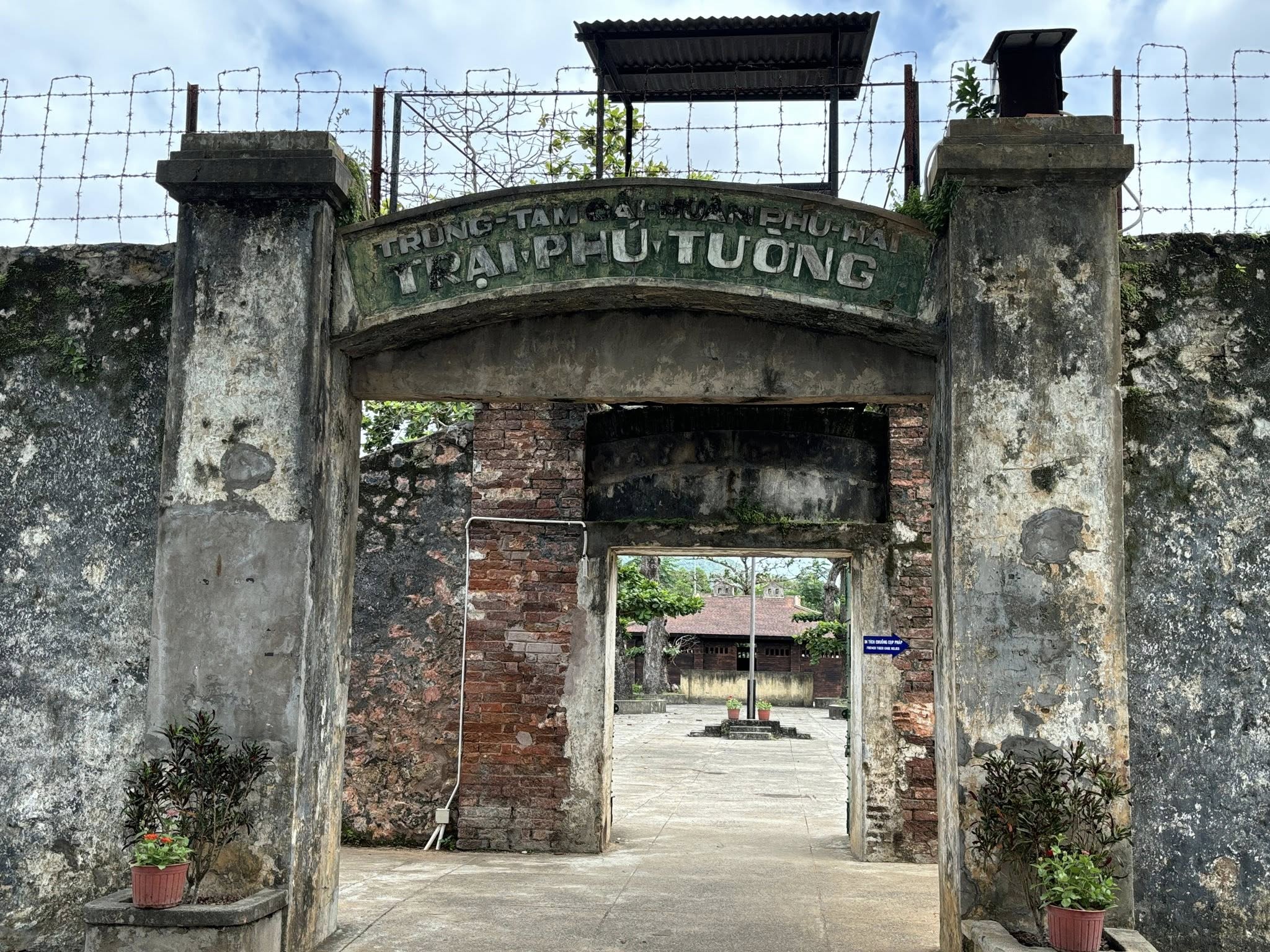
Phu Tuong Prison Camp, originally known as Banh III Annex, was built by the French colonial administration in 1940, alongside the main Banh III and Camp 5. Throughout its existence, the facility carried several names:
- Lao III Phụ
- Trại Phụ Bác Ái
- Camp IV
- And finally, Phu Tuong Prison Camp
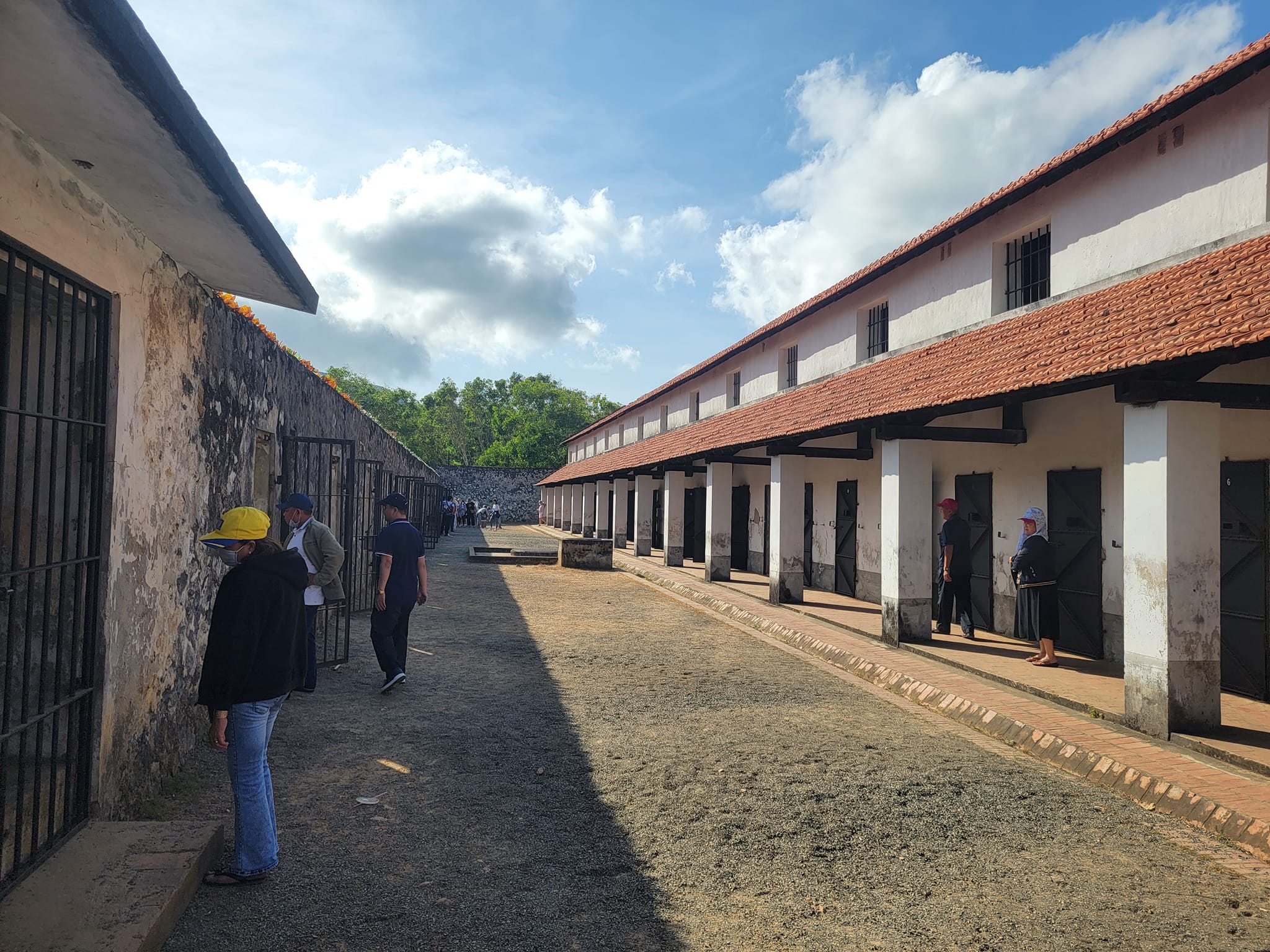
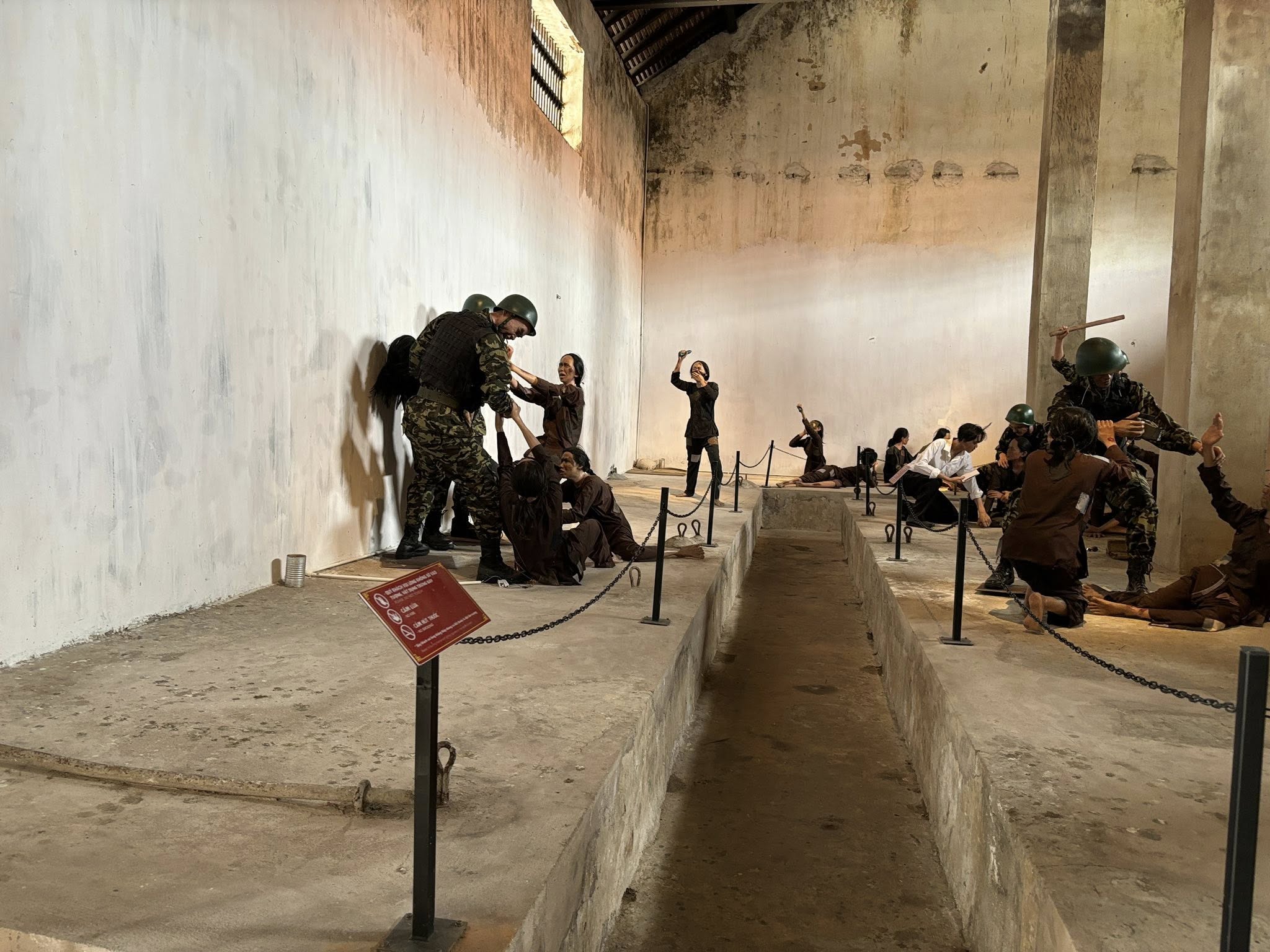
Covering approximately 5,804 m², the camp consisted of eight detention rooms arranged in two rows, as well as supporting structures such as a kitchen, warehouse, infirmary, and courtyard.
Strategically located within the cluster of Banh III and Camp 5, Phu Tuong formed part of the enclosed compound surrounding the notorious French Tiger Cages—the most brutal solitary confinement area in the entire Côn Đảo prison system.
Historical Role and Major Periods of Operation
Upon completion, Banh III Annex (later Phu Tuong Camp) was initially used to detain newly arrived prisoners from the mainland.
The 1952 “Active Offensive Against the Enemy” Movement
In 1952, a significant revolutionary movement was initiated here, laying the ideological foundation for resistance inside the prison:
“The prison is a battlefield – Prisoners are soldiers.”
This guiding principle fueled countless uprisings and acts of defiance by political prisoners across Côn Đảo in the years that followed.
A Place for Political Prisoners and Infectious Detainees
For a period, Phu Tuong Camp was designated as an isolation zone for prisoners suffering from infectious diseases, under extremely harsh and inadequate medical conditions.
By 1959, the Saigon regime transferred more than 1,500 political prisoners from Camp I to Phu Tuong in an attempt to divide revolutionary forces and suppress the anti-renunciation movement within the prison system.
Simultaneously, Banh III and the French Tiger Cages were also employed for this purpose, turning the entire area into one of the most oppressive centers of political repression on Côn Đảo.
A Symbol of Courage, Loyalty, and Revolutionary Solidarity
Under the brutal rule of French colonialists and later the U.S.–Saigon regime, Phu Tuong Prison Camp became a true “hell on earth” for thousands of Vietnamese revolutionaries.
Yet, amidst suffering and deprivation, the prisoners demonstrated:
- Unwavering revolutionary will
- Unbreakable solidarity
- The courage to resist despite torture and hardship
- The spirit of turning prison into a school of revolution
Even in the harshest confinement, they preserved their ideals, nurtured one another’s strength, and emerged as many of the steadfast cadres and leaders of the Vietnamese revolution.
Phu Tuong Camp thus stands as a powerful testament to the resilience and determination of the Vietnamese people in their struggle for independence.
Recognition as a National Special Historic Site
With profound historical significance, Phu Tuong Prison Camp has been officially acknowledged by the State of Vietnam:
- April 29, 1979: The Ministry of Culture and Information issued Decision 54-VHQĐ, designating Phu Tuong as a Nationally Important Historic Site.
- May 10, 2012: The Prime Minister issued Decision 548/QĐ-TTg, recognizing the entire Côn Đảo Prison System, including Phu Tuong Camp, as a National Special Historic Site.
Phu Tuong Today – A Memorial of Sacrifice and Freedom
Today, Phu Tuong Prison Camp is not only a place of remembrance for the suffering endured by the Vietnamese people but also a monument to their indomitable spirit and unyielding love for their homeland.
Every wall, every barred window, every stone within the camp carries the echo of those who stood firm in the face of oppression—reminding future generations of the priceless value of freedom, independence, and loyalty to the nation.
Phu Tuong Camp remains a solemn and meaningful destination for visitors seeking to understand the depth of Côn Đảo’s revolutionary history.