For travelers who are drawn to cultural and spiritual destinations, Phuoc Lam Tu Pagoda stands out as one of Vung Tau’s must-visit sites. As one of the city’s oldest temples, it offers a unique blend of historic architecture, tranquil landscape, and deep-rooted cultural value—making it a timeless sanctuary amid the modern coastal city.
A Brief Introduction
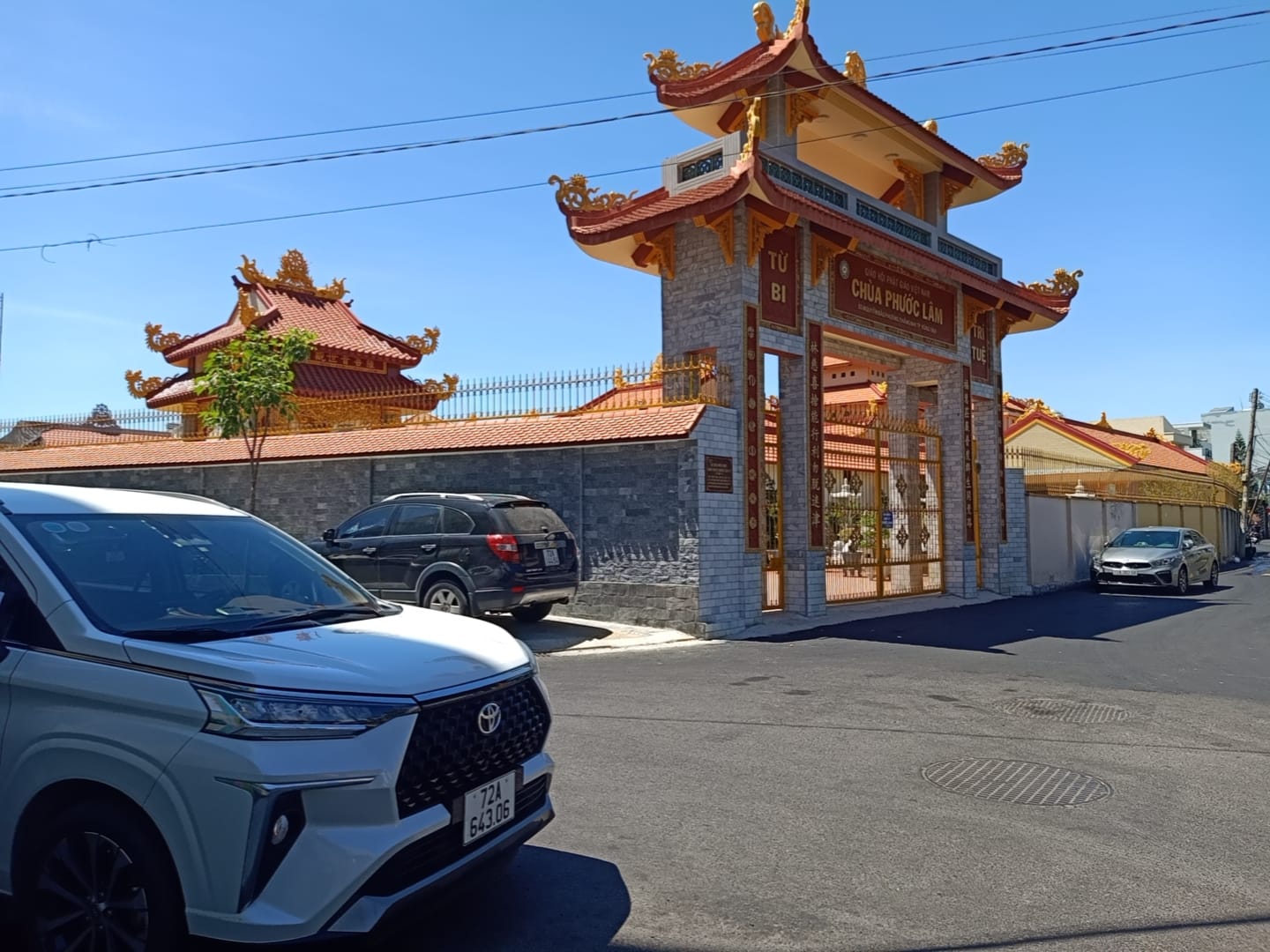
Located on Nguyen Bao Street in Vung Tau, Phuoc Lam Tu covers more than 6,000 square meters. Built around 1886, the pagoda has stood for nearly two centuries and was officially recognized as a National Historical Site in 1992 due to its religious, architectural, and cultural importance.
Historical Background
The original pagoda consisted of a modest three-room, two-wing structure built in the traditional tứ tượng style. Inside were precious wooden statues such as Amitabha Buddha, Dharma Protectors, and Tiêu Diện, while other images were depicted in mural form.
A major restoration took place in 1956: the old structure was dismantled and rebuilt on a larger scale. Three bell towers were added to the roof, forming a distinctive silhouette that remains one of the temple’s most recognizable features.
Another renovation in 1993 further refined the overall layout and landscape, shaping the harmonious grounds visitors see today.
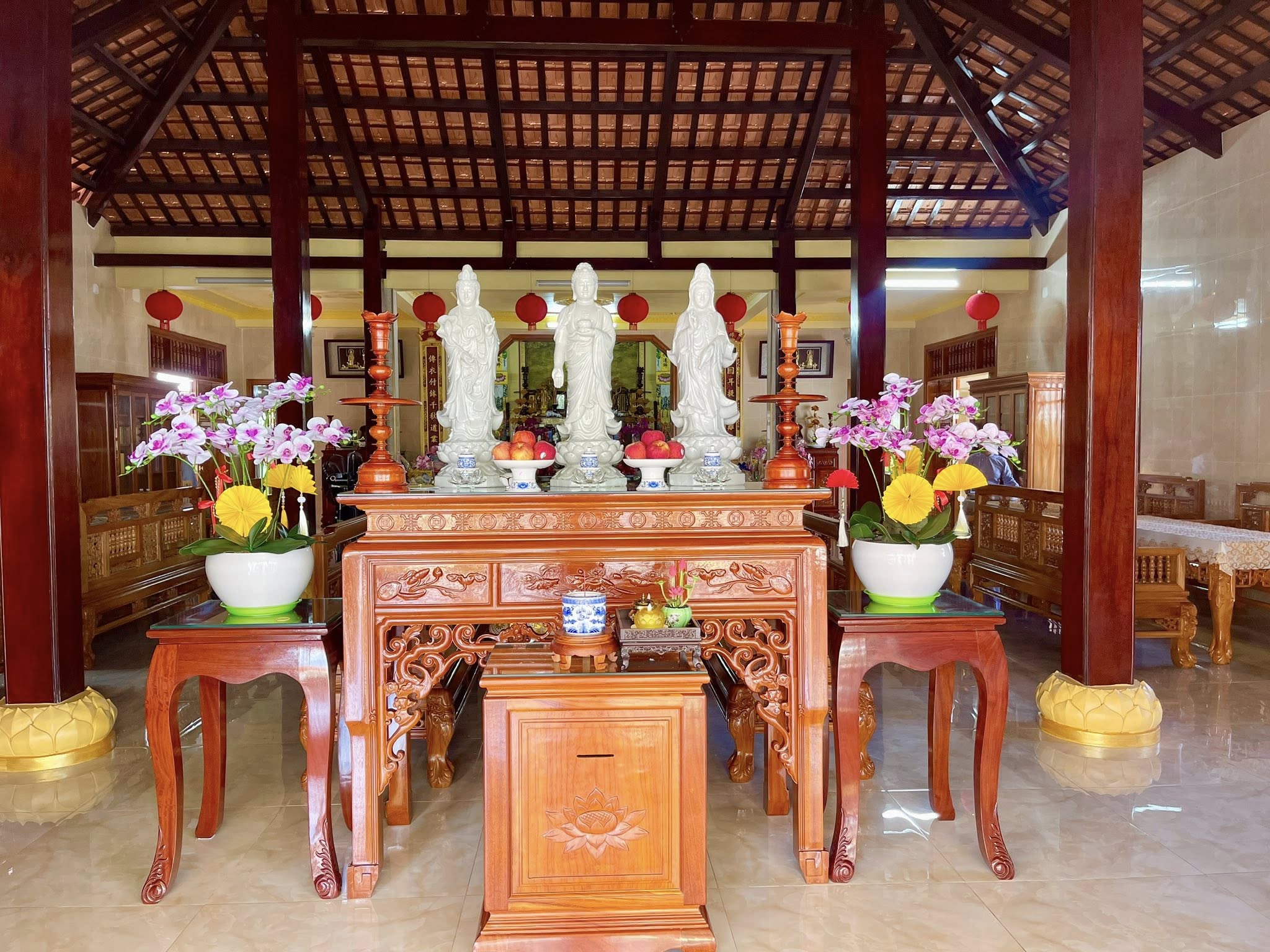
Architectural Highlights
The architecture of Phuoc Lam Tu presents an elegant fusion of traditional Vietnamese design, Indian influence, and subtle Western elements.
Key features include:
- A two-gate entrance leading directly to the main hall, with a façade decorated in patterned ceramic tiles.
- Curved arches and square pillars reflecting Western architectural impacts.
- Two sacred, centuries-old trees on the grounds:
- A Ta-la tree, a gift from Sri Lankan monk Narada in 1968.
- A large cajeput tree, offering abundant shade.
- A charming lotus pond housing a 3.5-meter statue of Quan Âm Nam Hai, sheltered by a four-sided pavilion.
- The main hall is roofed with traditional tiles (replaced in 1978), while the ancestral hall and monastic quarters retain their classical aesthetic.
Sacred Statues and Heritage Artifacts
Phuoc Lam Tu preserves a valuable collection of statues and ritual objects, including:
- Quan Âm Nam Hai statue
- Reclining Buddha (Nirvana)
- Wooden statue of Goddess Chuẩn Đề
- A bronze great bell
- And most notably, an ancient Visnu sandstone statue dating back to the 7th century—a rare archaeological artifact of exceptional significance.
Temple Layout and Atmosphere
The pagoda is organized into four main areas:
- The Three-Entrance Gate (Tam Quan)
- The Main Hall
- The Quan Âm Pavilion and Lotus Pond
- Monastic residences and the stupa garden
With its open layout, shaded walkways, and abundant greenery, Phuoc Lam Tu welcomes a constant flow of visitors, worshippers, and locals seeking peace and reflection.
A Spiritual Haven in Vung Tau
Blending Eastern and Western architectural styles, steeped in nearly 200 years of history, and surrounded by a serene, contemplative atmosphere, Phuoc Lam Tu is an essential stop for anyone exploring Vung Tau. Whether you seek cultural insight, spiritual connection, or simply a quiet moment amid ancient trees, this historic pagoda offers a calm and enduring presence in the heart of the city.