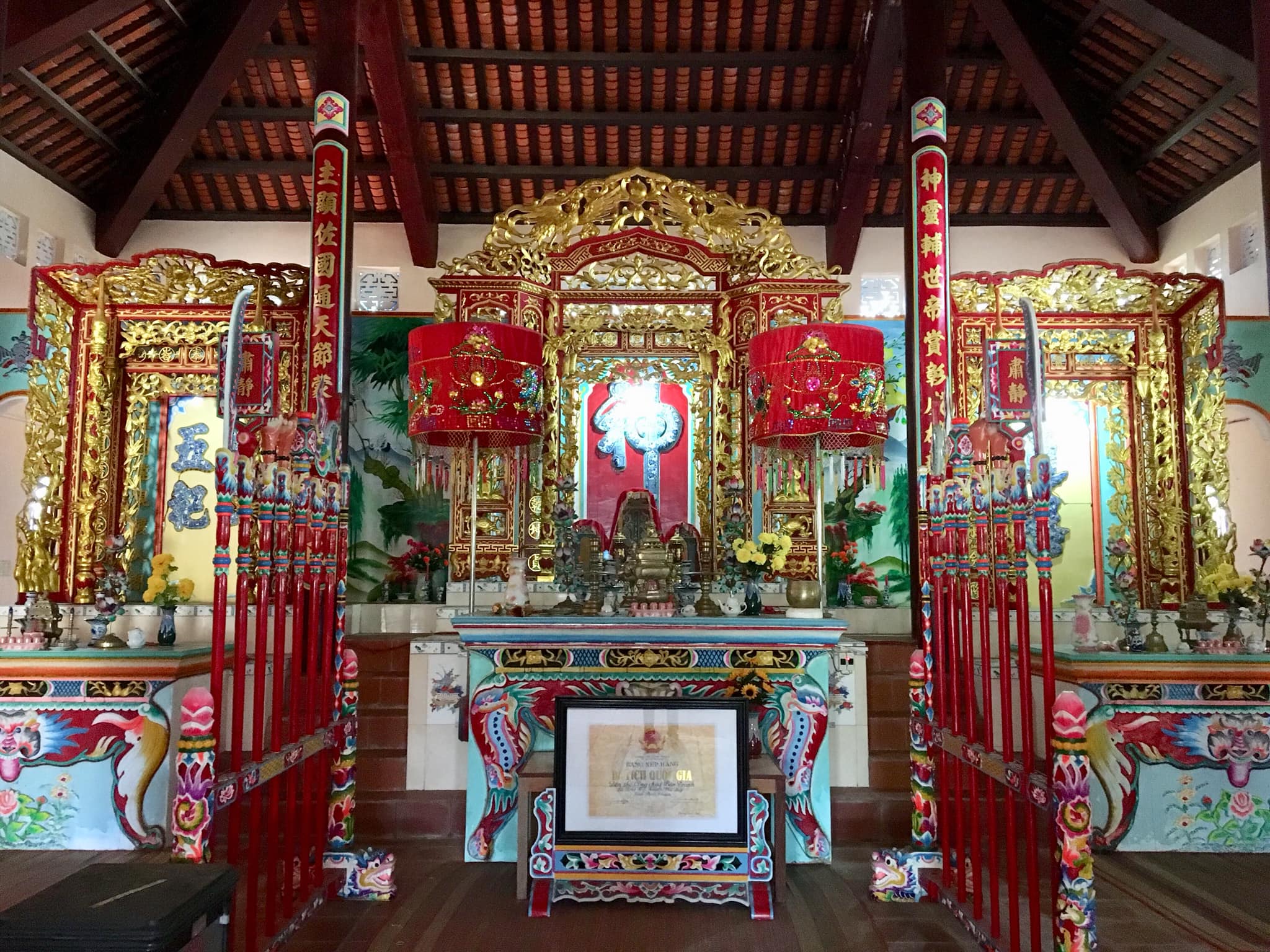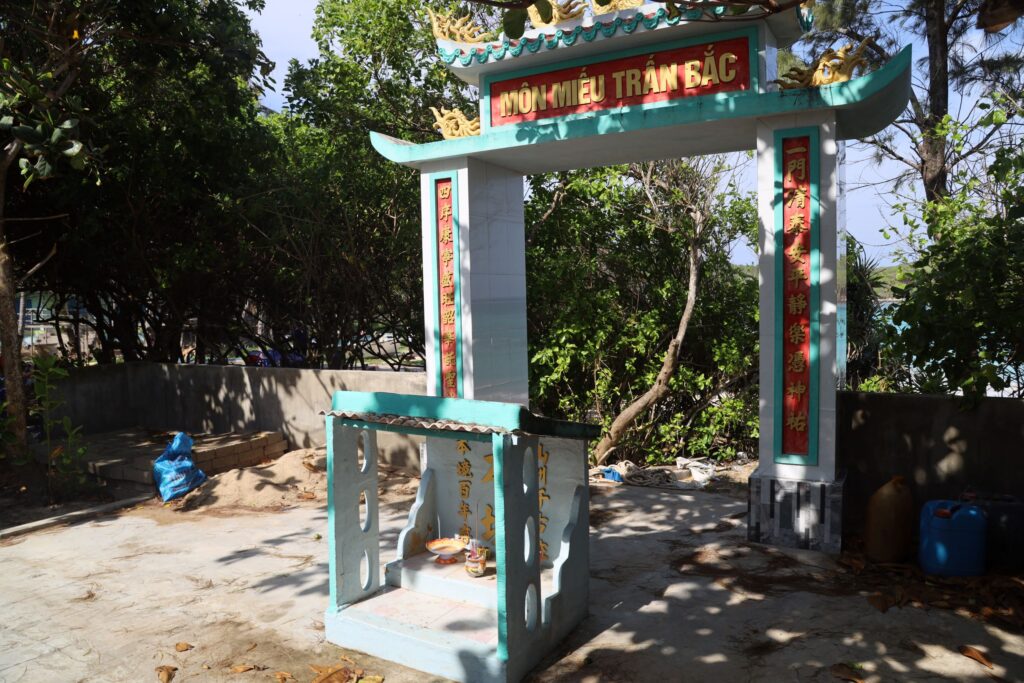
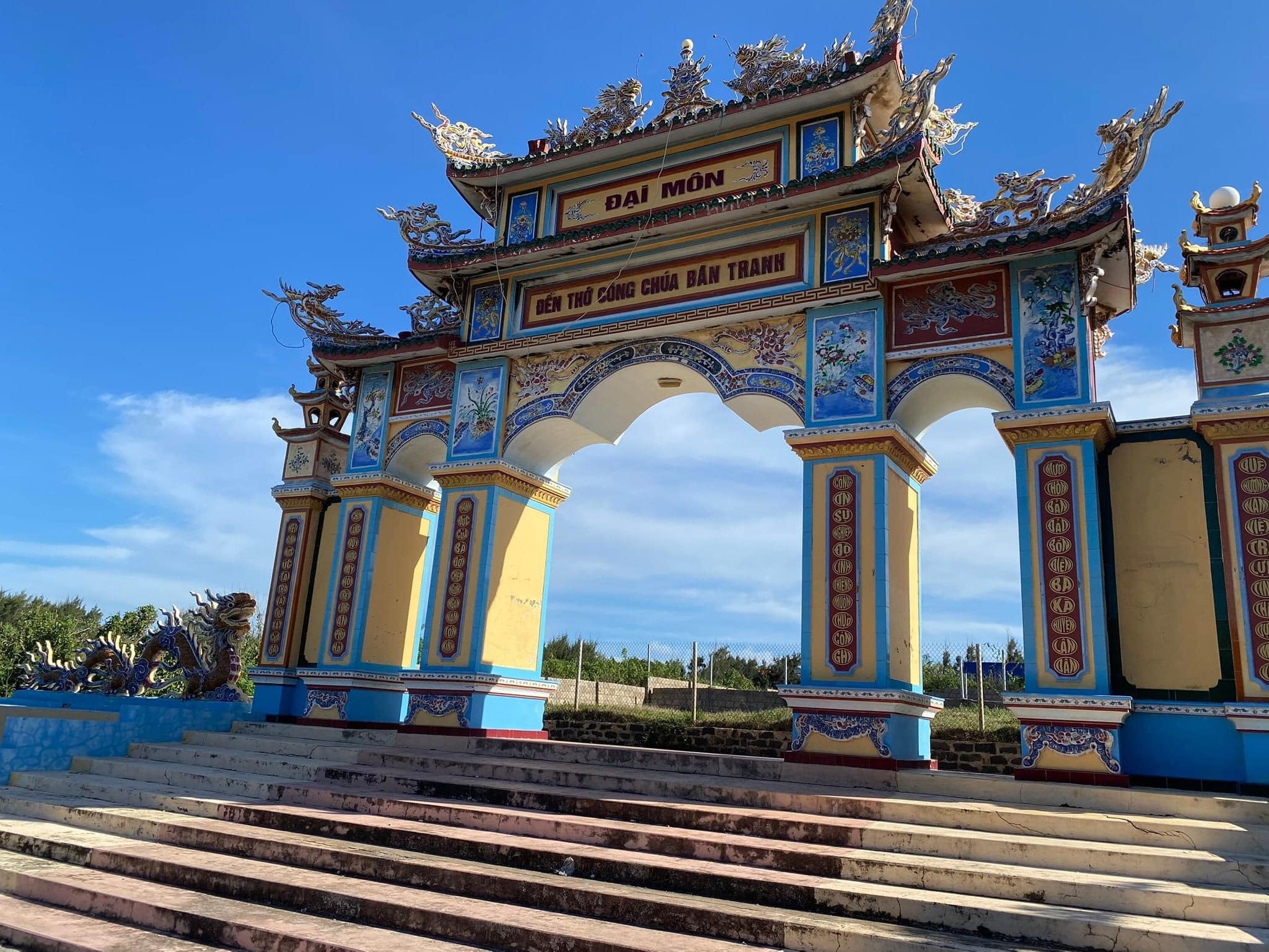
The Princess Ban Tranh Sanctuary—known locally as Miếu Bà Chúa Xứ—is one of the most sacred and historically significant sites on Phu Quy Island. Built by the Cham community in the late 16th century, the sanctuary was officially recognized as a National Historical Site under Decision No. 227/QĐ-BVHTTDL (January 28, 2015). According to legend, Princess Ban Tranh, the youngest daughter of the Champa king, was exiled to this remote island and lived here until her final days. Her remains were laid to rest within the sanctuary, and since the 17th century, Vietnamese settlers who arrived on the island have preserved and worshipped her.
Location & Architecture
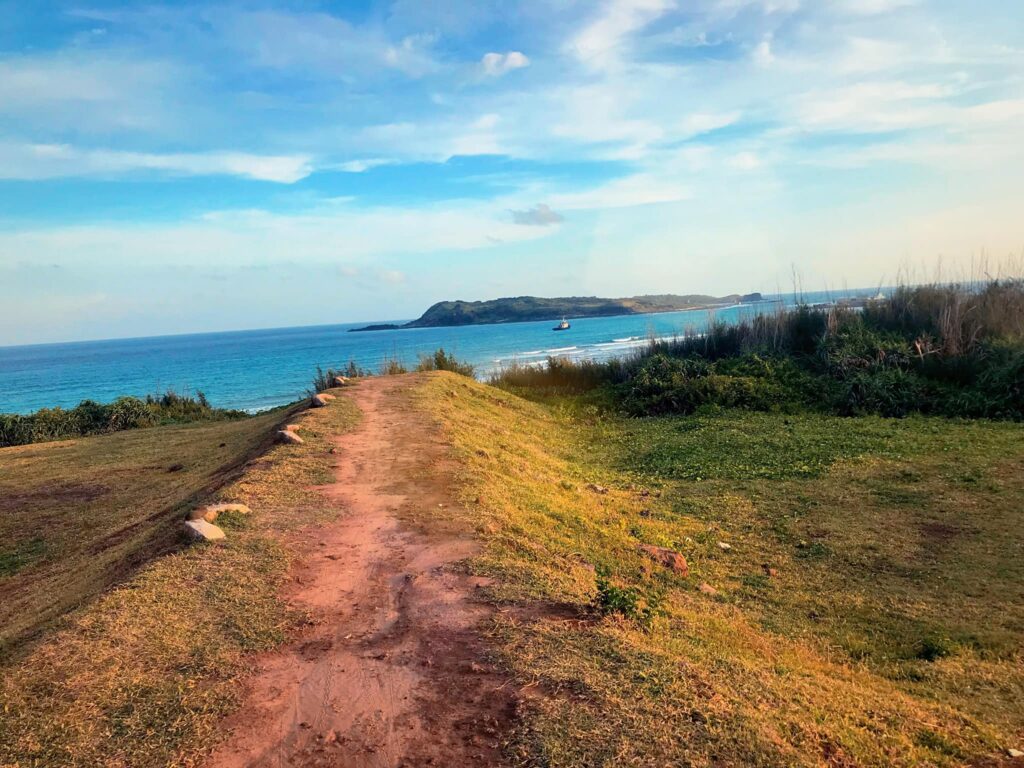
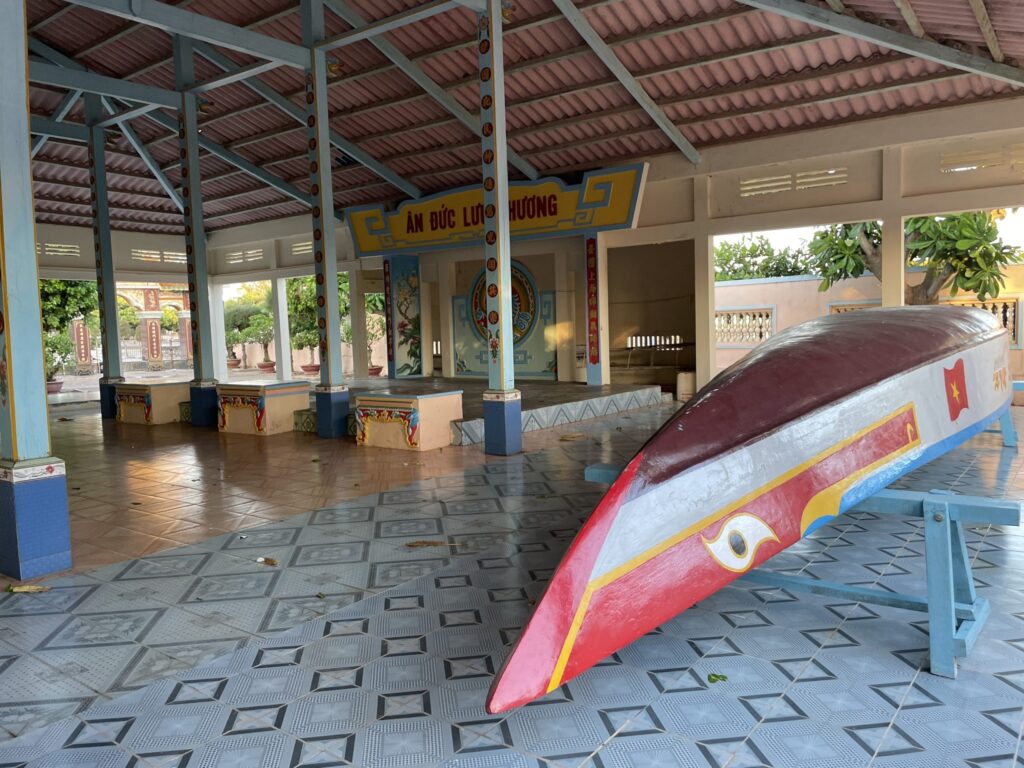
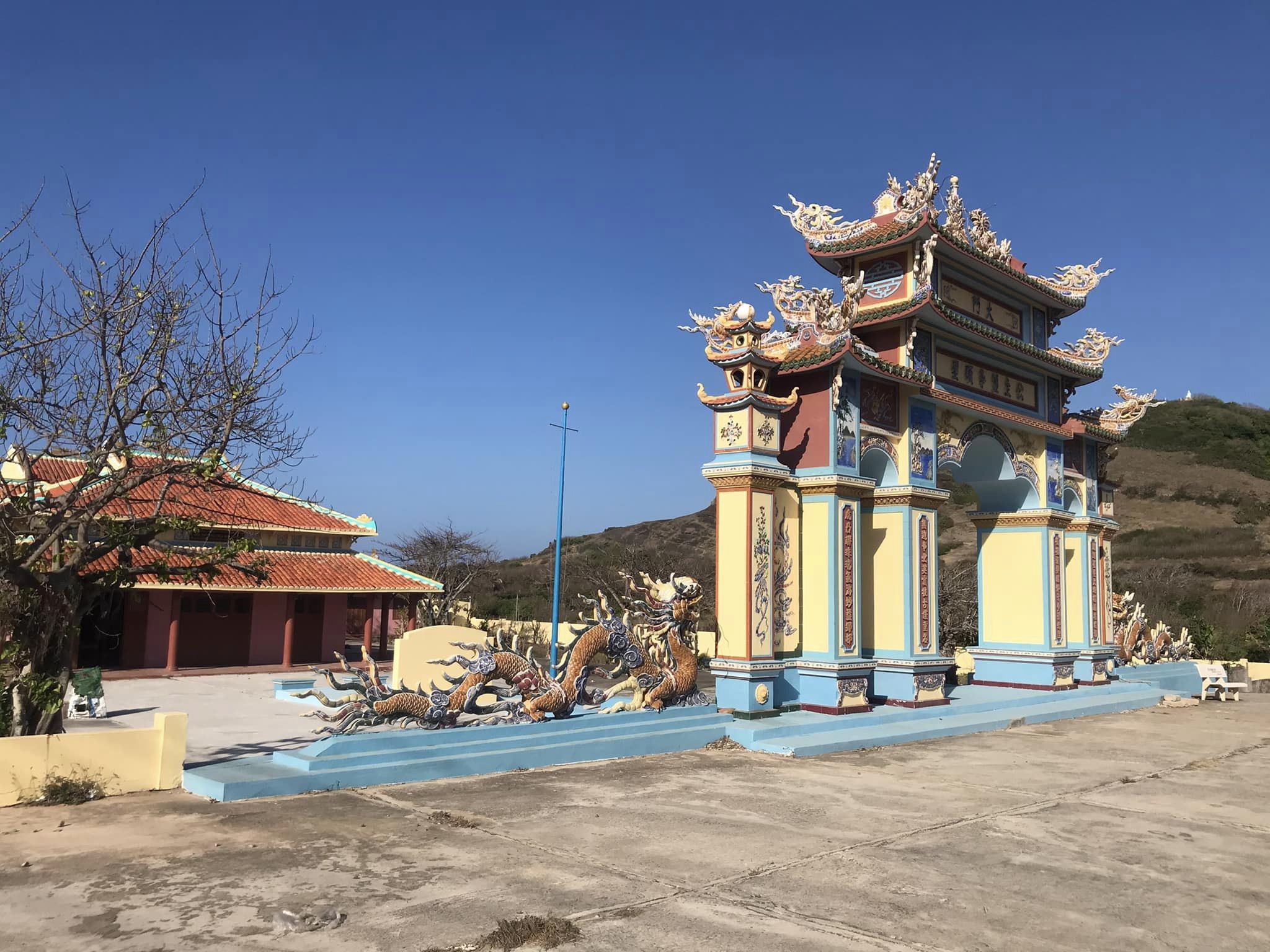
Located in Long Hai Commune, Phu Quy District, the sanctuary faces south and lies about 500 meters from Cao Cat Mountain, one of the island’s most iconic landscapes. From Phan Thiet, the journey spans 56 nautical miles (105 km) to reach Phu Quy; from the port, a short 8 km drive leads to the site. The sanctuary reflects a fusion of Cham and Vietnamese cultural elements, with a ceremonial gate, flag tower, front screen, martial hall, and main hall arranged along a central axis. The 2009 restoration greatly enhanced the structure while preserving the original orientation and the princess’s tomb beneath the main altar.

Historical & Cultural Significance
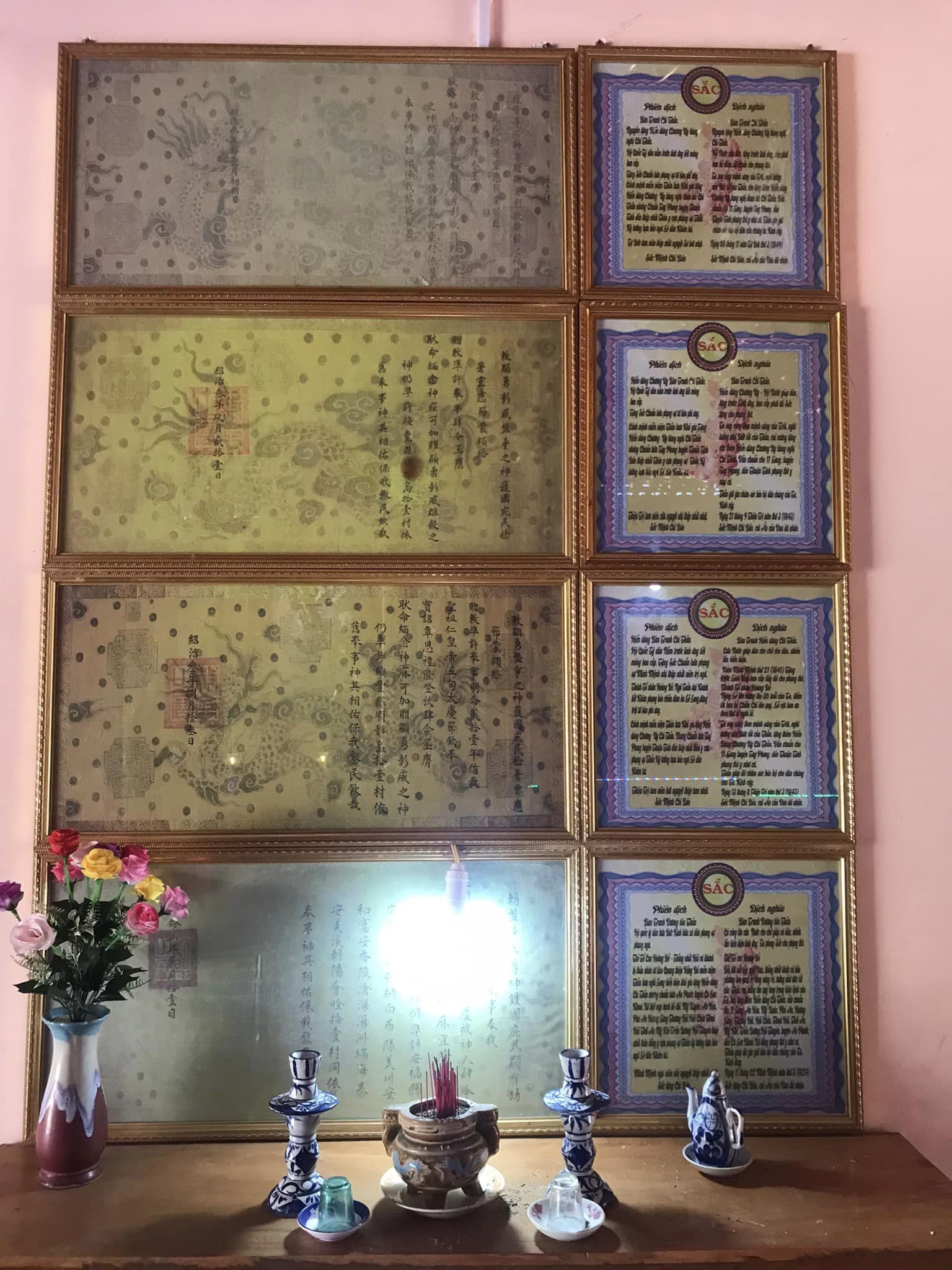
The sanctuary houses three ancient Kut steles carved from blue-gray granite (approximately 400 years old), along with valuable relics such as hanging scrolls, wooden panels, bronze bells, drums, incense burners, and five imperial decrees granted by Nguyen Dynasty emperors. An additional three decrees jointly honor both Princess Ban Tranh and Master Sai Nai. For generations, the people of Phu Quy have revered the princess as their divine guardian—Bà Chúa Đảo—who taught early settlers to cultivate the land, fish the surrounding seas, and survive the island’s harsh environment.
The Legend of Princess Ban Tranh
According to Cham chronicles, Princess Ban Tranh was the youngest daughter of King Po Kathit (Po Dam), known by her title Ban La Tra Nguyet. She defied royal law by falling in love with Po Sanimpan, a fellow Cham man of the Islamic faith—strictly forbidden by the Balamon (Hindu) tradition at the time. Despite the king’s love for his daughter, the backlash from the royal court forced him to sentence her to permanent exile on a desolate island.
She and two trusted maidservants were sent across the sea with basic tools, seeds, and rations. After days drifting through waves in the direction of the sacred East, the escorting fleet landed her on Cù Lao Thu—present-day Phu Quy Island. The princess and her companions built a thatched shelter beneath Cao Cat Mountain and began clearing land, finding freshwater, and cultivating crops. Their resilience transformed the barren island into a thriving land of rice, beans, and coastal agriculture. Over time, fishermen from the Central Coast sought refuge from storms here, eventually settling and forming the earliest villages.
Because of her contributions to early agriculture, settlement, and spiritual protection of fishermen, Princess Ban Tranh became the revered guardian deity of Phu Quy.
Master Sai Nai – Loyal Companion and Healer
Master Sai Nai, a Cham merchant and skilled physician of the 16th century, once drifted to Phu Quy after a storm and met Princess Ban Tranh. They formed a sibling-like bond. He stayed on the island to heal the sick and help locals, and after his passing, the people built a shrine to honor him. Several Nguyen Dynasty imperial decrees recognize both figures, demonstrating their deeply rooted status in the island’s spiritual heritage.
Unique Island Rituals
One of the most distinctive traditions is the annual rotation of the imperial decree (sắc phong). Each year, a different village is entrusted with safeguarding the decree and conducting the ceremonies—symbolizing unity and shared devotion. Locals believe the princess’s spirit is powerful and protective; thus, on regular days they avoid disturbing the sanctuary and only visit during designated rituals.
Festivals: A Celebration of Island Heritage
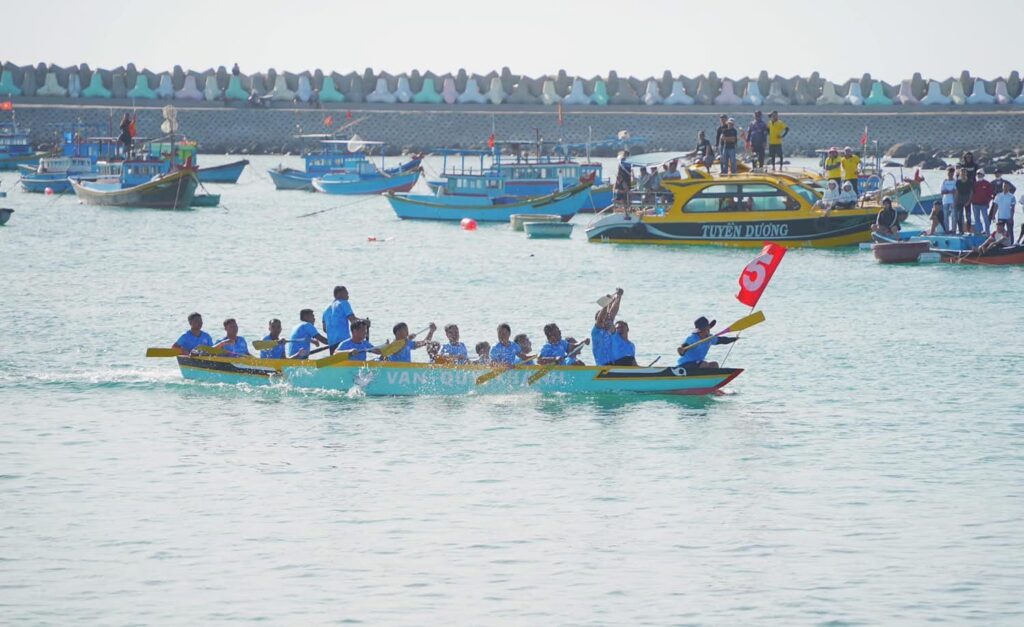
The Princess Ban Tranh Festival is held annually on the 3rd day of the first lunar month, commemorating her death anniversary. The solemn procession to escort the imperial decree back to the sanctuary is accompanied by traditional music, villagers in ceremonial attire, and crowds from across the island. The following day, on the 4th day of the 4th lunar month, the Master Sai Nai Festival takes place, also marking the handover of decrees between villages.
During festival days, Phu Quy Island becomes vibrant with folk performances such as Chèo Bả Trạo (boat blessing chants), classical opera (Hát Bội), and the Four Sacred Animals Dance (Múa Tứ Linh)—rare artistic traditions seldom found on the mainland.
Heritage and Sovereignty
The Princess Ban Tranh Sanctuary has survived nearly four centuries of storms, wars, and shifting settlements. Today, it stands as not only a sacred site but also a testament to the long-standing presence and sovereignty of early Vietnamese–Cham communities in the East Sea. It remains one of the island’s most treasured cultural landmarks and a profound symbol of Phu Quy’s spiritual identity.