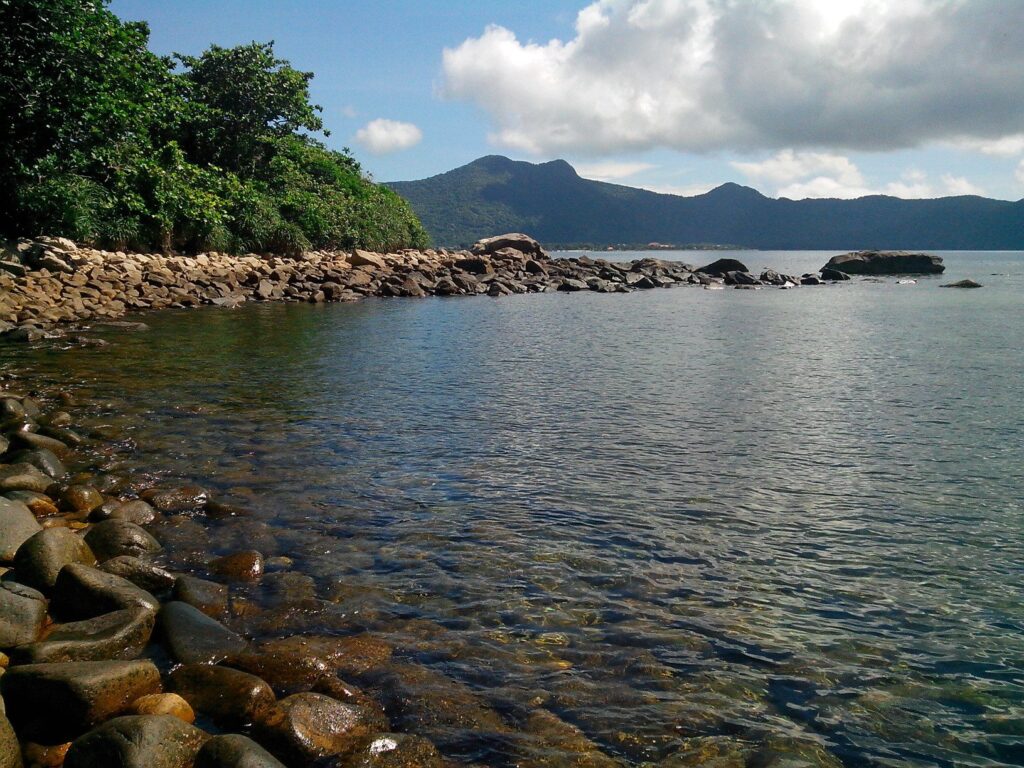
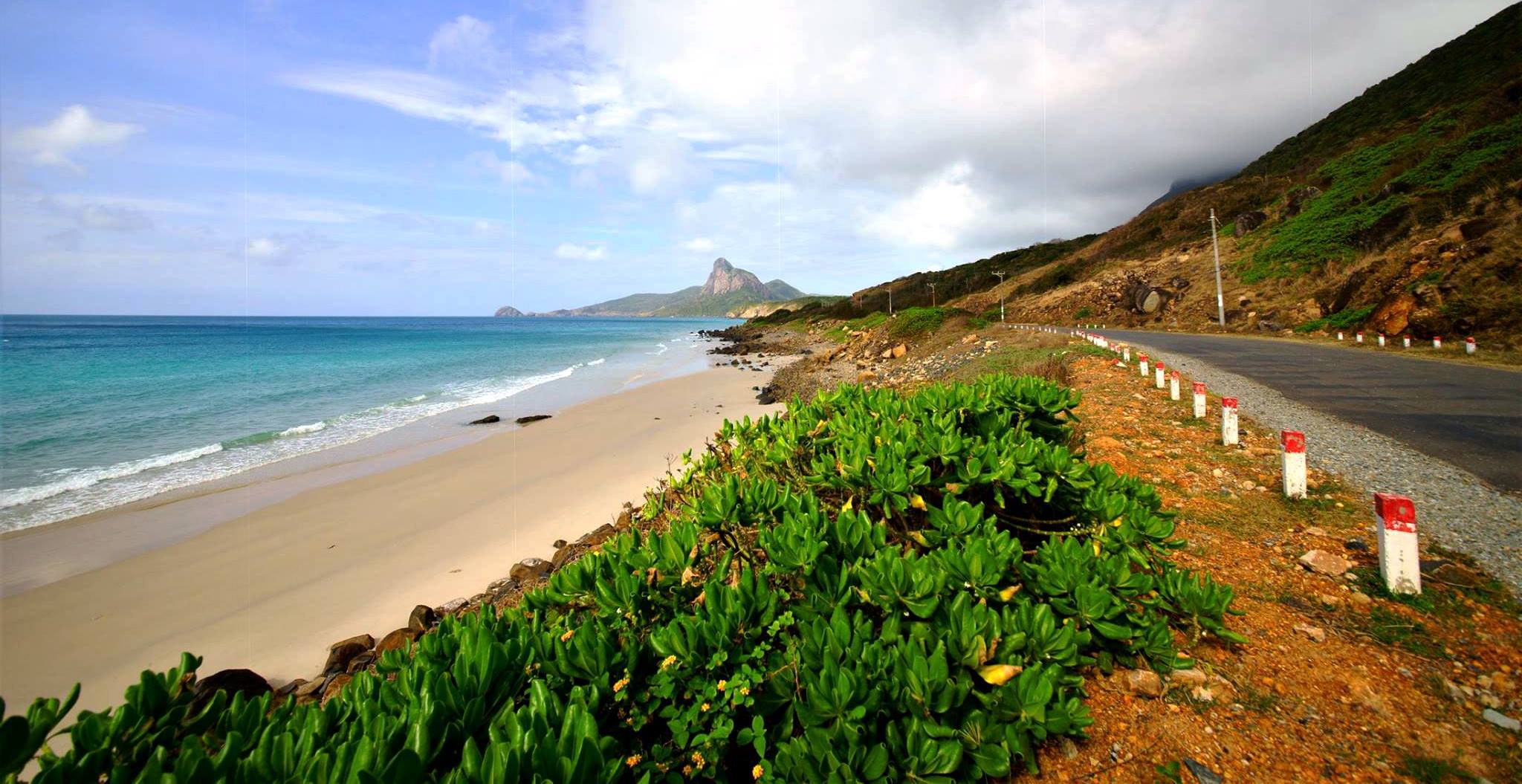
A friend of mine recently returned from a four-day trip to Côn Đảo, followed by a short stay in Vũng Tàu before heading back to Đà Nẵng. He shared that beyond its sacred spiritual landmarks, Côn Đảo today captivates visitors with untouched natural beauty — from Côn Sơn Bay, Đầm Trầu Beach, Ông Đụng rainforest, Đất Dốc and Chim Chim viewpoints to hidden coves and tranquil coastal trails. The locals, he added, are warm, genuine and hospitable.
However, like many popular island destinations, Côn Đảo is facing increasing pressure from waste — especially plastic waste. Rubbish comes from both residents and tourists, as well as debris drifting in from offshore currents. If not addressed decisively, environmental pollution could soon overshadow the island’s image and quality of life.
A Growing Waste Crisis on Vietnam’s Islands
Vietnam has 12 island districts, many of which — Côn Đảo, Phú Quốc, Phú Quý, Lý Sơn, Cô Tô, Cát Bà — are experiencing rapid tourism growth. While tourism boosts local economies, it also generates large volumes of waste. Landfills are limited, waste-to-energy technologies are not widely available, and transporting waste back to the mainland is costly. As a result, beaches, piers, markets and public roads in many islands often struggle with waste accumulation.
Côn Đảo has explored multiple solutions: attracting investment for waste-treatment plants, reorganising dumpsites, partially incinerating waste to create space, compressing waste to ship back to the mainland, and launching awareness campaigns. Yet with visitor numbers rising quickly each year, the challenge remains significant.
Communication – A Proven and Sustainable Strategy
While large-scale infrastructure upgrades require time and funding, many islands have turned to community-based communication programs — and they work. The success of Cù Lao Chàm with its “Say No to Plastic Bags” initiative is a leading example: when residents and visitors understand, support and voluntarily change behaviour, environmental results follow.
Across Vietnam’s island districts, similar green campaigns have emerged:
- “Phú Quốc Environment Day” (monthly)
- “Lý Sơn Without Plastic Waste”
- “Every Citizen a Volunteer for the Environment” (Cô Tô)
- “Together We Preserve the Blue Sea” (Cát Bà)
The shared goal is clear: reduce waste at the source, encourage responsible consumption and promote sustainable tourism.
Côn Đảo’s Steps Toward Becoming a ‘Green Destination’
In 2018, Côn Đảo launched a major communication project to raise environmental awareness while promoting eco-tourism. Even in its early phase, the project helped shape Côn Đảo’s emerging identity as a “green destination”, receiving strong support from locals and travellers.
The district has since continued developing key initiatives, such as:
- “Côn Đảo Says No to Plastic Bags”
- A capacity-building program to strengthen environmental management agencies
These programs aim to reduce waste generation, shift community habits and protect the island’s ecological integrity.
Awareness Must Be Backed by Enforcement
Communication alone is not enough. For long-term environmental protection, clear and strict enforcement is essential. Many island districts have not yet fully implemented penalties for behaviours harmful to the marine environment. Only when awareness, infrastructure and legal compliance work together can Vietnam’s islands — including Côn Đảo — truly overcome the growing burden of waste.