Our first destination was Côn Đảo — once known as “hell on earth,” now treasured as a national sanctuary and a sacred landmark of Vietnam.
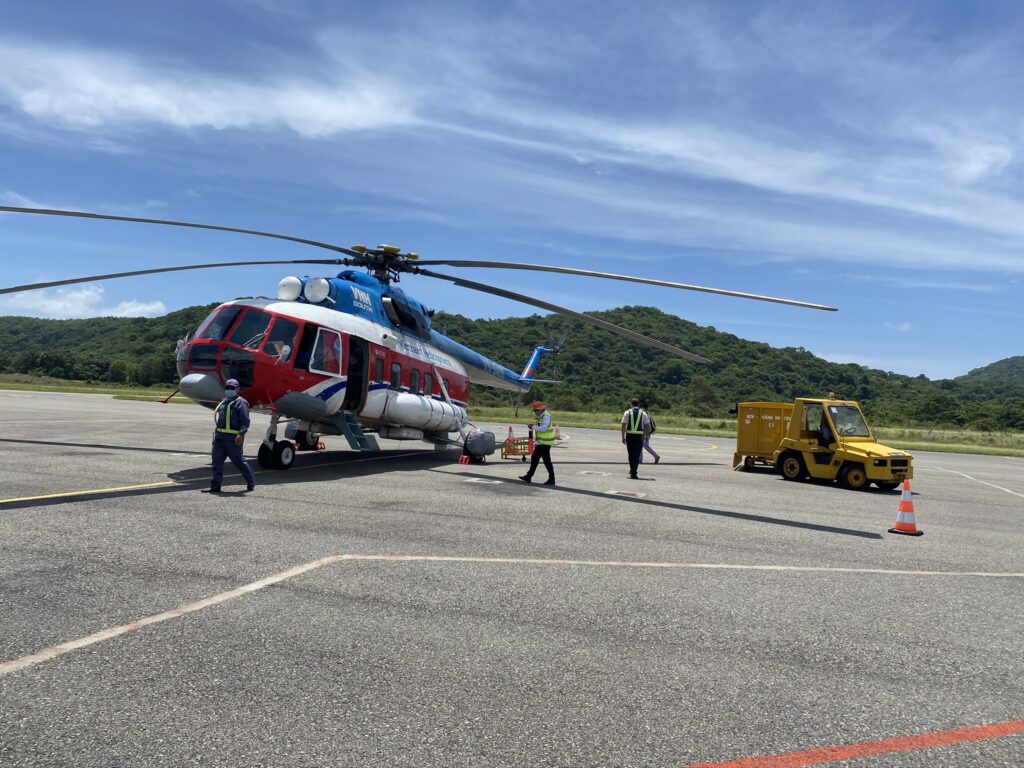
Initially, we planned to arrive by sea so that young lecturers and officials in our group could, in some small way, experience the hardship once endured by revolutionary soldiers who escaped the island by boat. However, unfavorable weather conditions forced us to fly instead — a twist of fate that offered us a rare chance to admire Côn Đảo from above. From the aircraft window, all we could see at first were endless clouds, occasionally parting to reveal streaks of shimmering water — the vast East Sea.
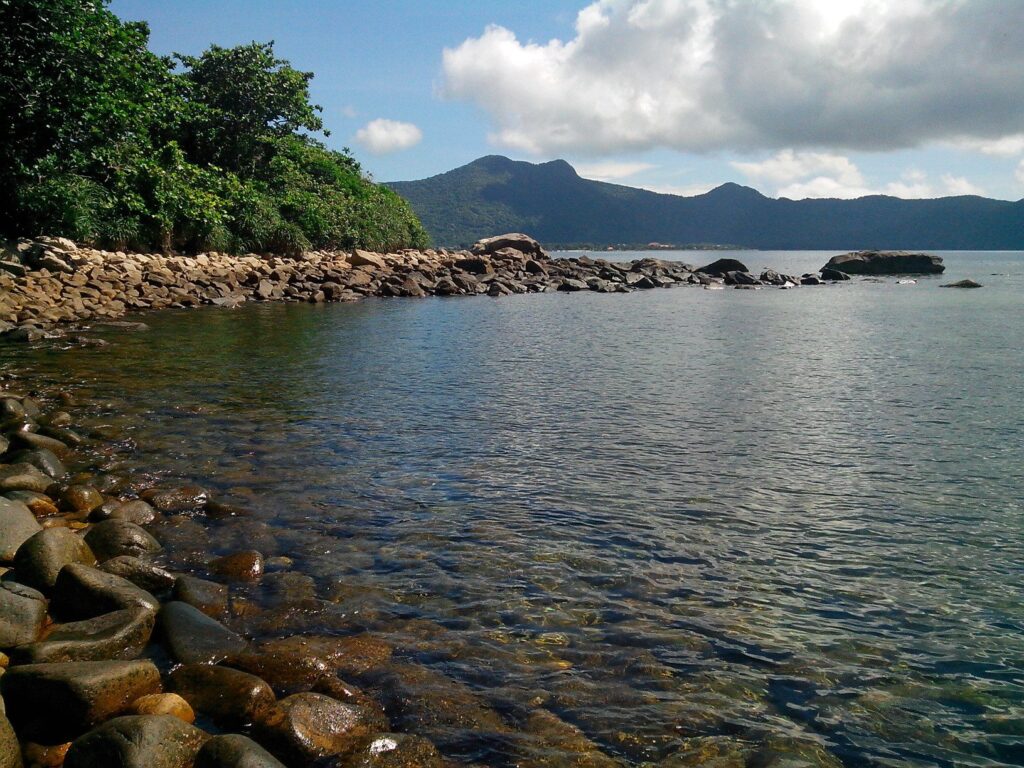
After 45 minutes in the air, the flight attendant announced our descent. Everyone turned toward the windows, eager to catch their first glimpse of the island: a deep green silhouette rising boldly amid the rolling silver waves, its mountain ridges overlapping like a mighty fleet anchored in the ocean.
A remote archipelago with a storied past
Côn Đảo (formerly Côn Sơn) is an archipelago of 16 islands with a total area of 76 km², located off the coast of Bà Rịa – Vũng Tàu Province. Historically known as Poulo Condor in French and English documents, the name was officially changed to Côn Đảo in 1977. Today, it is administered as a district-level island authority.
The road from Cỏ Ống Airport to the town center is about 10 km, winding between mountains on one side and the sea on the other — an unforgettable drive through pristine coastal scenery, where one easily feels humbled by nature.
Côn Đảo is home to roughly 7,000 residents across 10 communities. Despite its isolation, the island boasts well-developed infrastructure: clean paved roads, modern schools, mobile network coverage, high-speed internet, banks, a local radio station, resorts, hotels, and full tourist services. Few would imagine that this peaceful island was once one of the most feared prison systems in Southeast Asia.
Côn Đảo — a land shaped by sacrifice
Unlike the Great Wall or the rugged Trường Sơn Range, Côn Đảo does not overwhelm with sheer scale. Its power lies in its history. For more than a century, colonial and imperial forces turned the islands into a massive prison complex. Sixteen islands covered in lush forests and turquoise waters once bore the weight of stone cells, watchtowers, barracks, and torture chambers.
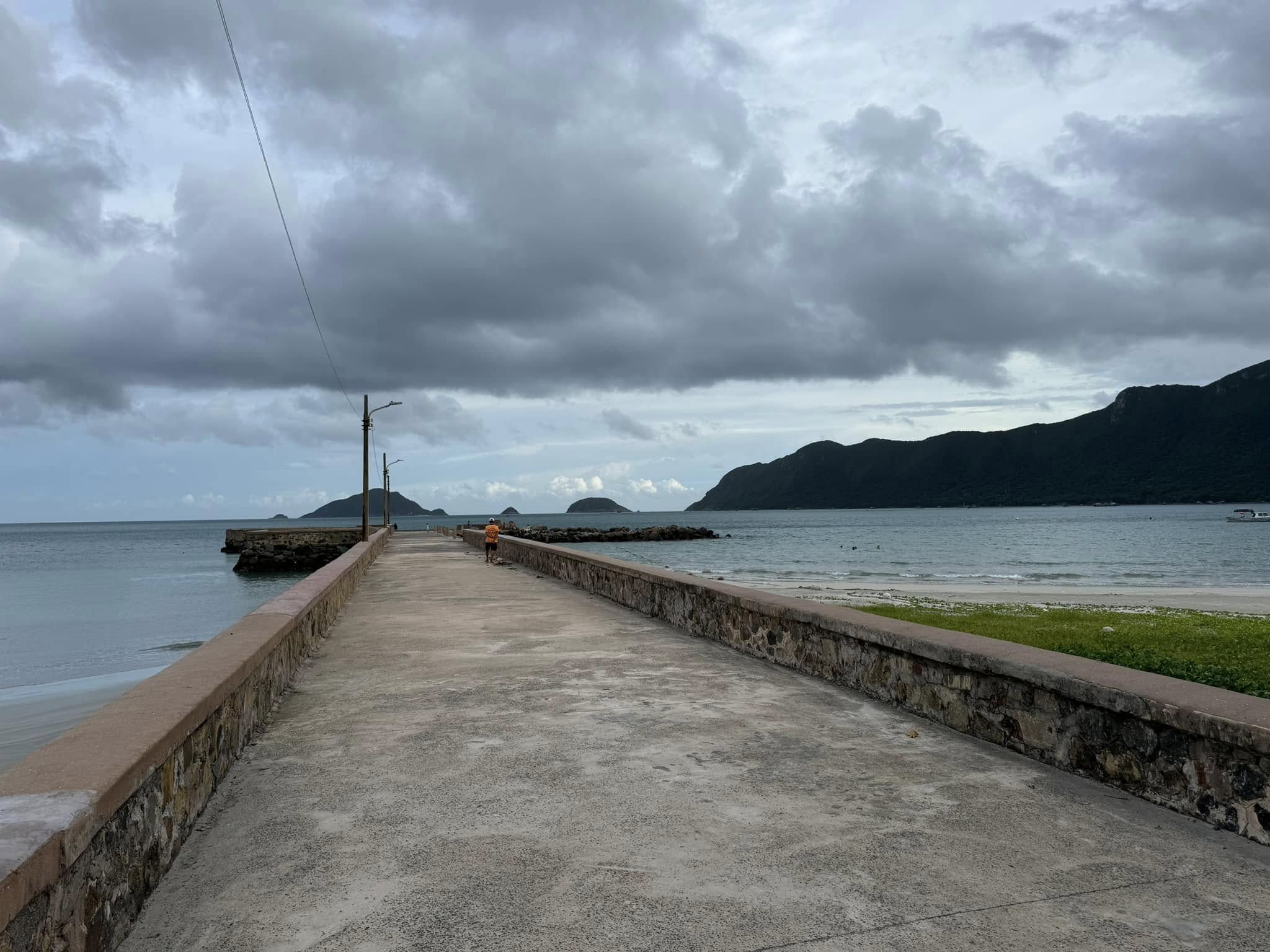
Places like Pier 914 — where at least 914 people died while hauling stones — and Ma Thiên Lãnh Bridge, where hundreds perished under unimaginable brutality, stand as stark reminders of human suffering. The notorious “tiger cages,” isolation cells, and punishment yards earned Côn Đảo the chilling reputation: “Easy to enter, impossible to leave.”
Yet this land also nurtured extraordinary courage. Revolutionary leaders such as Phan Châu Trinh, Huỳnh Thúc Kháng, Ngô Đức Kế, Lê Hồng Phong, Nguyễn An Ninh, Nguyễn Văn Cừ, Võ Thị Sáu, Lê Duẩn, Trương Mỹ Hoa and many others endured torture but never surrendered. In the darkest cells, they protected one another, shared their last food, and even their last breath.
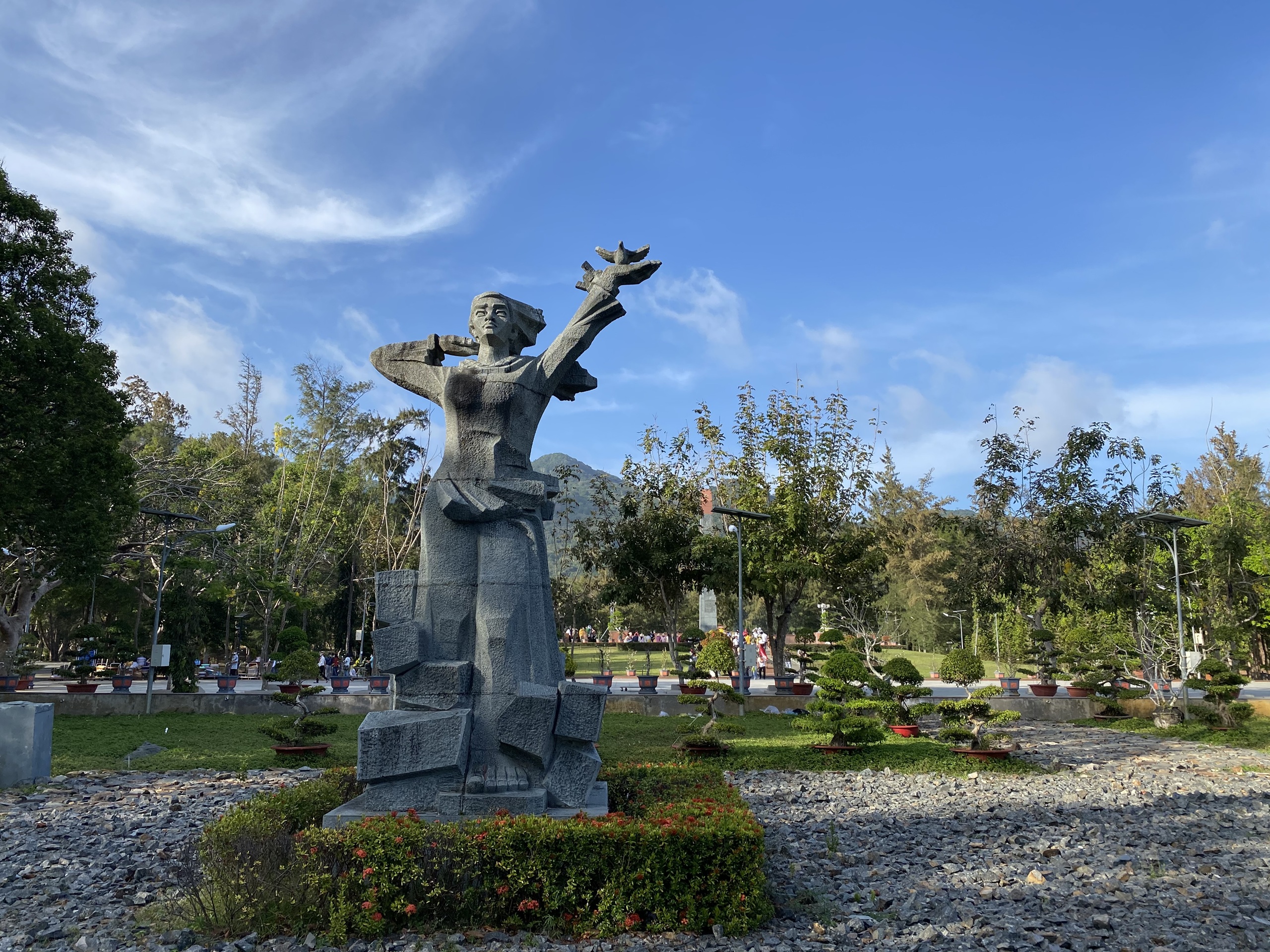
The spirit of solidarity is immortalized in the statue “Sharing the Last Shirt” at Hàng Dương Cemetery — depicting Vũ Văn Hiếu giving his only shirt to Lê Duẩn. It symbolizes compassion, comradeship, and unwavering revolutionary faith.
A national sanctuary of memory and gratitude
Between 1862 and 1975, more than 20,000 patriots were imprisoned here; only about 2,000 graves have been formally identified today. Côn Đảo was not merely a detention site — it was a battlefield of willpower, where courage confronted oppression every day.
In 2012, the entire prison system was recognized as a Special National Historical Relic. Today, Côn Đảo is one of Vietnam’s 21 designated national tourist areas, renowned for pristine nature, ecological tours, and spiritual journeys honoring the heroes who never returned.
A journey that lingers in the heart
Leaving Côn Đảo, we felt as though we were departing from a sacred altar of the nation. The trip left us with profound emotions — pain, admiration, pride — and deepened our gratitude for the generations who sacrificed their lives for independence and freedom.
Our visit strengthened our resolve to contribute to the country’s development, honoring the legacy of those who endured unimaginable suffering so that future generations could stand tall.
Côn Đảo is more than a destination.
It is a reminder, a lesson, and a spiritual homeland.
— M.A. Phan Văn Thuận
Head of Party Building Faculty,
Ben Tre School of Politics