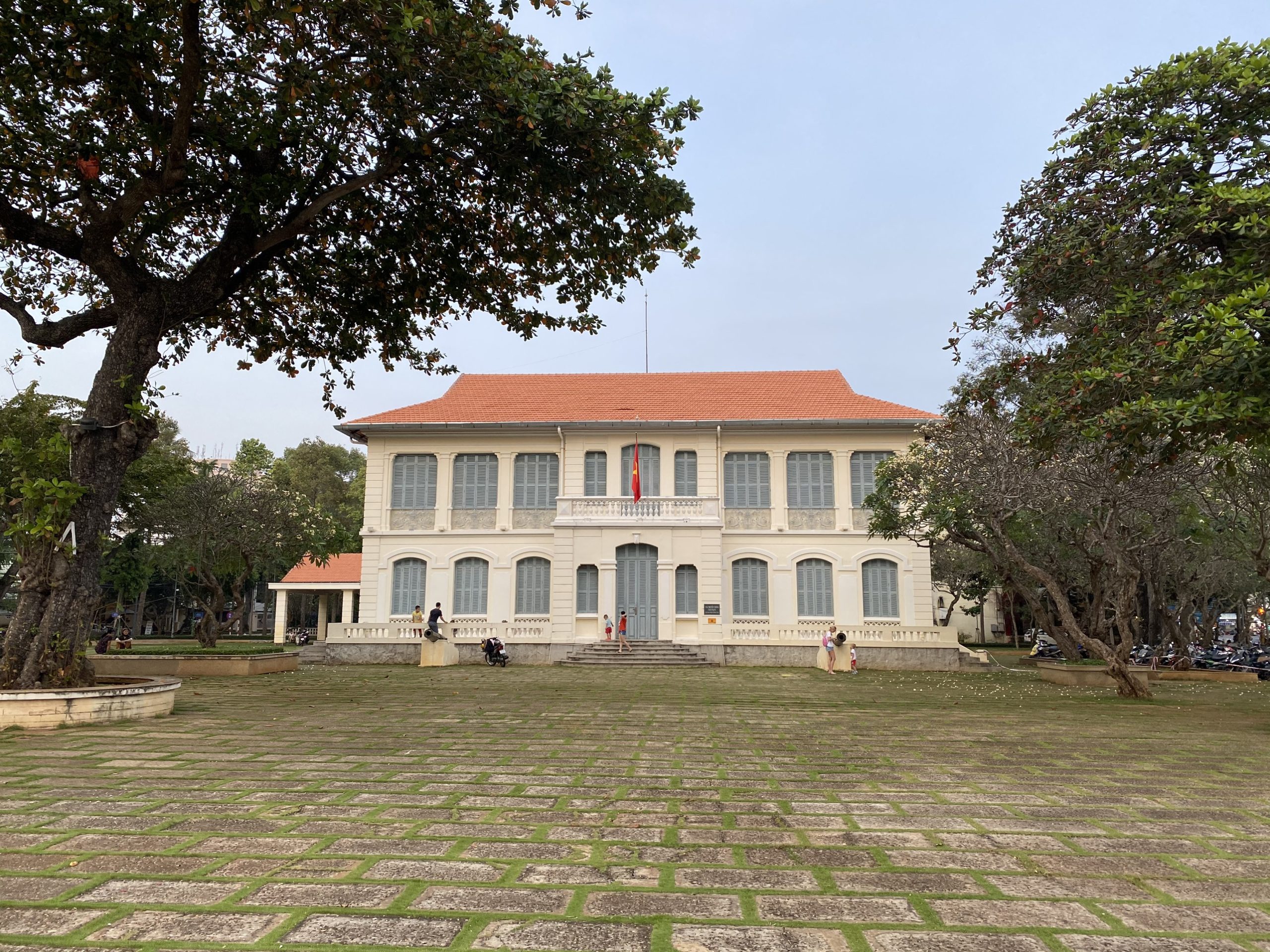
The former headquarters of the Viet Minh Committee—now known as the Vung Tau Revolutionary Tradition House—is a historically significant “red address,” deeply connected to the revolutionary struggle of Vung Tau and the wider Ba Ria–Vung Tau region.
The site was officially recognized as a National Revolutionary Historical Relic under Decision No. 457/QĐ dated March 25, 1991 by the Ministry of Culture and Information (now the Ministry of Culture, Sports and Tourism).
Location & Origins
The Vung Tau Revolutionary Tradition House is located at 1 Ba Cu Street, Vung Tau Ward, Ho Chi Minh City (formerly Vung Tau City), right in the Bãi Trước (Front Beach) area.
In the early 20th century, the site was originally the residence of the French “Quan Nam” (Major)—the military commander’s office of Vung Tau until the Japanese coup d’état against the French in 1945.
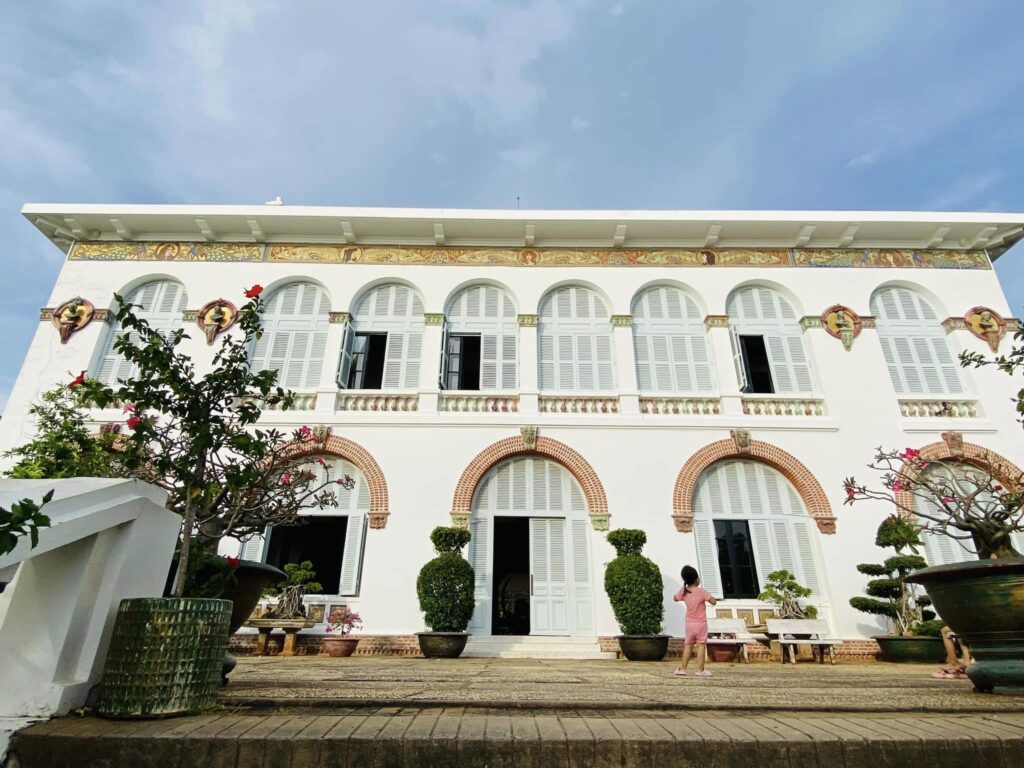
The estate, commonly referred to as the “P.O” building, was constructed in grand French colonial style:
- Two spacious floors
- Full amenities for military officers
- A direct view of Front Beach
- Located within a well-protected military zone
On August 25, 1945, after the victory of the August Revolution, the French commander’s residence was taken over and became the headquarters of the Viet Minh Committee of Vung Tau Town.
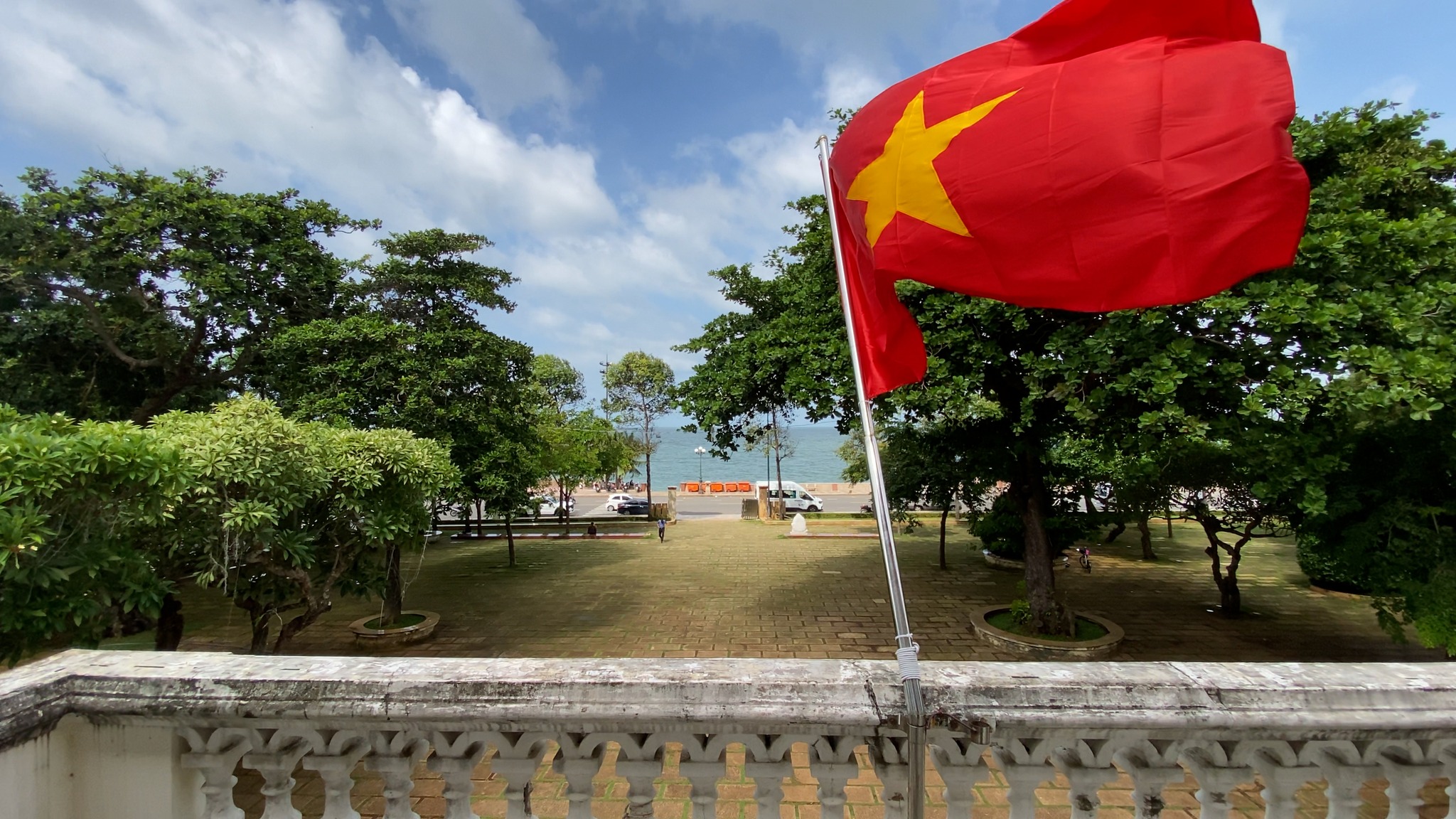
Architecture & Revolutionary Functions
Covering 6,580 m², the complex maintains typical French administrative architecture:
- Two-story building with high steps and wide corridors
- Windows on all sides for ventilation
- Traditional straw-mixed plaster ceiling for heat insulation
- Ground floor: meeting spaces and activity rooms
- Upper floor: living and working quarters for Viet Minh cadres
The first room on the upper floor—22 m²—served as the working office of Secretary Nguyen Van Phuc.
During the Japanese coup d’état, French commander Quillikini and his officers were arrested and transferred to Saigon, making the building an ideal cover for Viet Minh’s secret activities.
From 1956 to 1959, many strategic meetings of the Ba Ria – Long Khanh Provincial Party Committee took place here, shaping the direction of the revolutionary movement in the region.
Key Historical Events
On August 28, 1945, just 300 meters from the Viet Minh headquarters, a massive rally was held at Lam Son Stadium, marking the complete success of the revolutionary takeover in Vung Tau.
From this point onward, the Viet Minh Committee:
- Led the newly established local government
- Consolidated political power
- Mobilized the masses for the long resistance against French colonialism
The building stands today as a powerful reminder of:
- The activities of revolutionary leaders
- Important policy-making meetings
- The determination and courage of Vung Tau’s people in their fight for independence
Post-1975 Period & Restoration
After national reunification in 1975, the building was overseen by Dong Nai Tourism Company, and later OSC Vietnam (Oil Service Company), with minimal renovations for tourism and cultural purposes.
In 1991, the site officially became the Revolutionary Tradition House of Vung Tau City.
The interior was reorganized into:
- Ground Floor: library, conference hall, and exhibition space
- Upper Floor: photographic displays, documents, and historical artifacts recounting the revolutionary movement of Vung Tau
Thanks to its prime location in the heart of Front Beach, the Tradition House has become both an architectural landmark and a cultural symbol of the city.
Contemporary Value
Today, the former Viet Minh Headquarters remains:
- A repository of priceless historical documents
- A center for patriotic education for younger generations
- A venue for cultural, sports, and tourism activities in Vung Tau
It stands as a meaningful testament to the perseverance, sacrifice, and revolutionary heritage of the people of Ba Ria – Vung Tau.