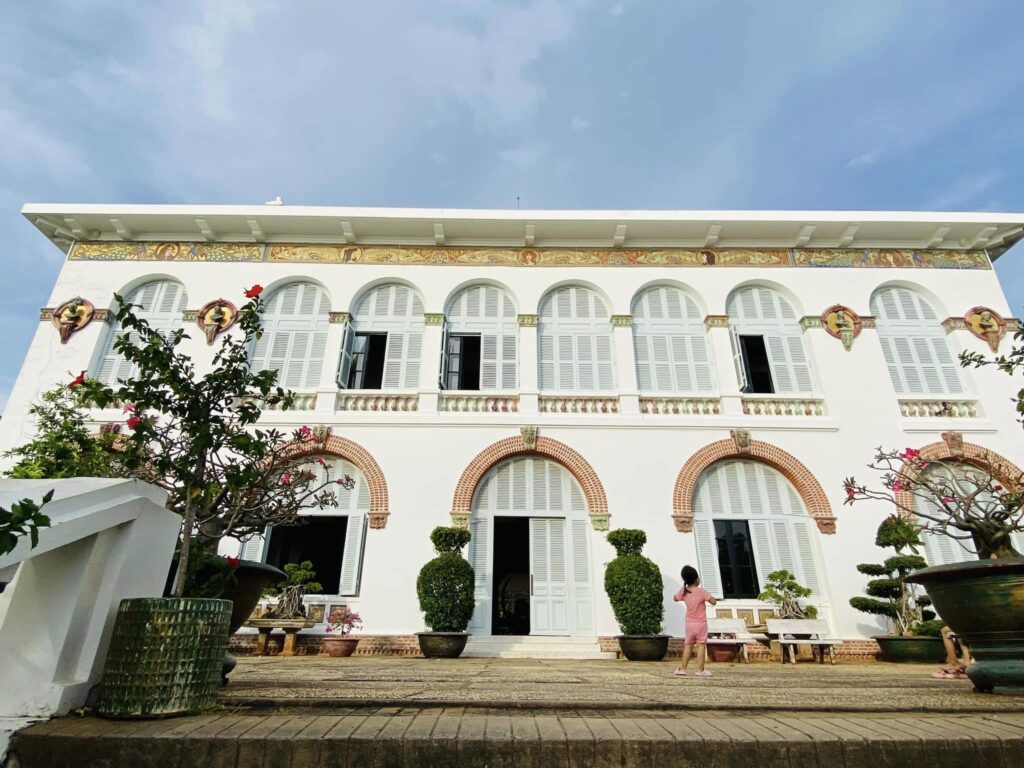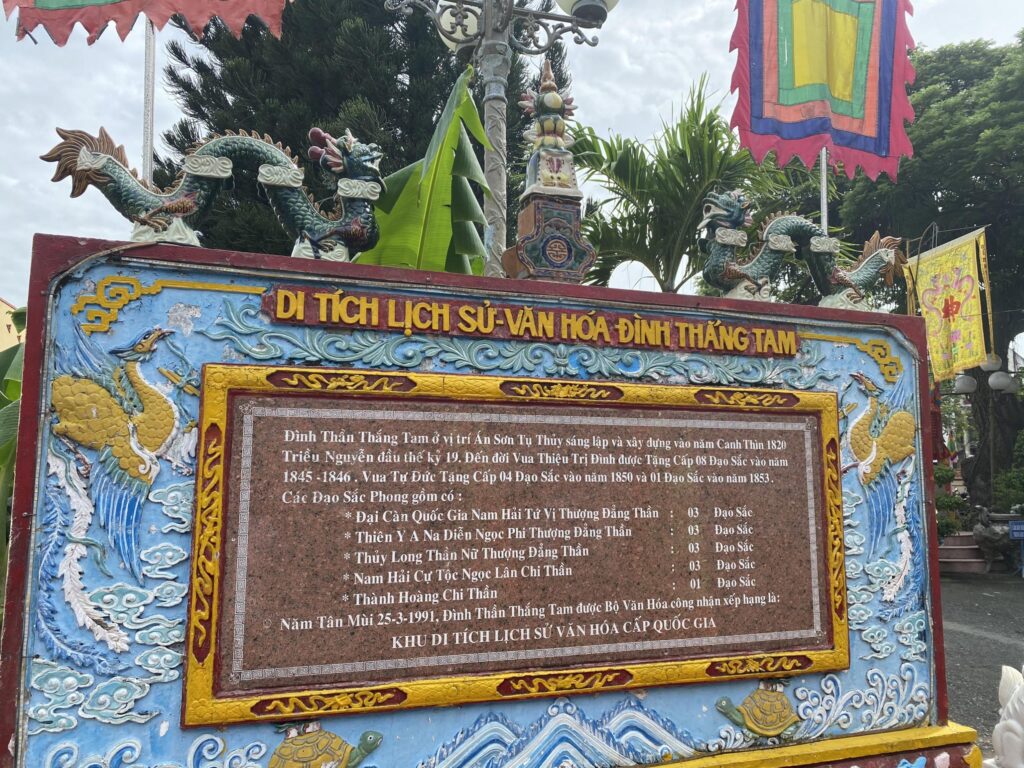
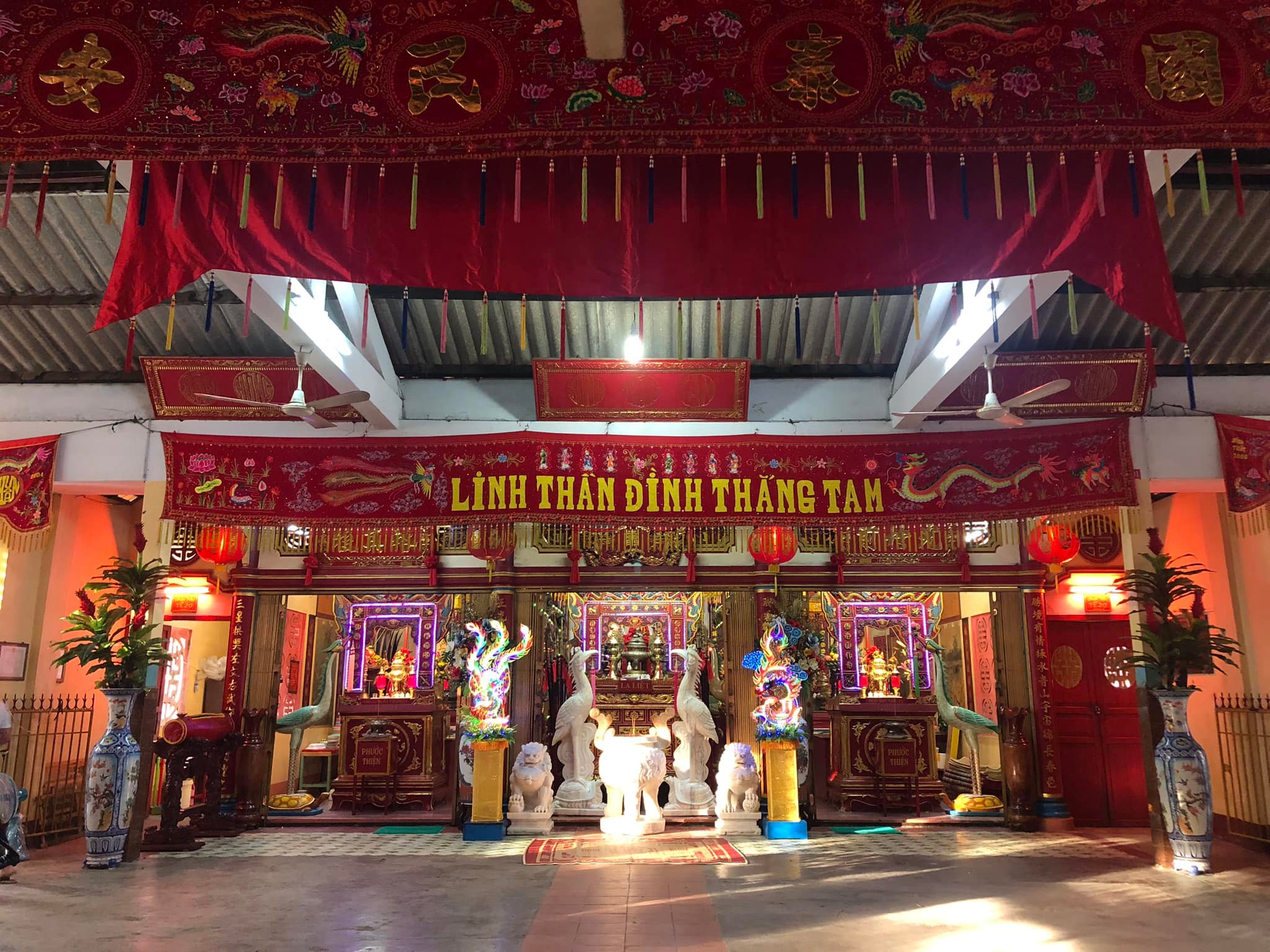
The Thang Tam Communal House Historical and Cultural Site, located in Vung Tau Ward, Ho Chi Minh City, preserves 13 royal edicts (sắc phong) issued by emperors of the Nguyen Dynasty. These documents are considered priceless treasures, carrying profound historical, cultural, and spiritual value.
In traditional Vietnamese village beliefs, the worship of tutelary deities (Thanh Hoang) and guardian spirits was a central part of community life. When a village received a royal edict from the emperor, it was not only a religious honor but also an official recognition by the imperial court, confirming the village’s legal and spiritual legitimacy. These sacred documents recorded the village’s name, its protective deities, and the moral prestige of the community.
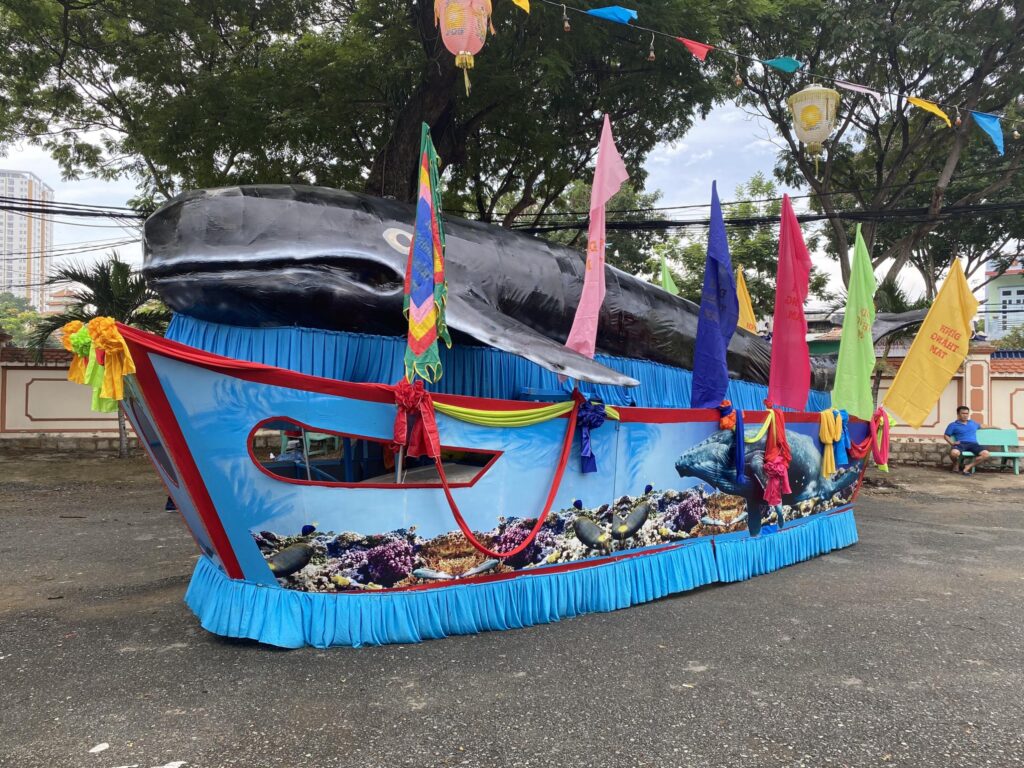
The deities honored at Thang Tam Communal House are also worshiped at three sacred sites: Lang Ong Nam Hai (Whale Temple), Thang Tam Communal House, and the Five Elements Goddess Temple (Mieu Ngu Hanh). These spirits were believed to have protected the land, aided the people, and safeguarded fishermen and villagers, becoming divine guardians of the community.
Among the 13 royal edicts preserved here are:
- Three edicts honoring the Great Southern Sea Deity (Dai Can Quoc Gia Nam Hai) and Nam Hai Cu Toc Ngoc Lan (the Whale God), granted in 1845 (5th year of Thieu Tri) and 1850 (3rd year of Tu Duc), praising the deity for “protecting the nation and saving the people through many miraculous manifestations.”
- Three edicts for Thien Y A Na, a revered mother goddess, recognizing her as a supreme and compassionate deity who repeatedly showed divine intervention.
- Two edicts honoring Thuy Long Goddess, protector of water and seas, also credited with helping the nation and its people.
- One edict dedicated to the local Tutelary Deity (Thanh Hoang) of Thang Tam village.
One of the most remarkable documents is the edict dated January 29, 1850 (5th year of Emperor Tu Duc), which confirms the divine status of the Tutelary Deity of Thang Tam village, then belonging to Phuoc Thang district, Phuoc An county (now Vung Tau Ward). This royal decree elevated the deity’s title in recognition of continued protection and blessings bestowed upon the people.
According to Mr. Truong Van Khoi, Head of the Thang Tam Communal House Management Board, the 13 royal edicts are kept inside a gold-lacquered chest with a lock, placed at the highest altar in the Tien Hien Shrine. They are guarded around the clock by temple caretakers and protected by security systems to prevent theft. Three times a year, during major festivals—the Peace-Praying Festival (2nd lunar month), the Whale Worship Festival (8th lunar month), and the Five Elements Goddess Festival (10th lunar month)—the edicts are solemnly brought out and displayed for public veneration.
In addition to these royal documents, the site also preserves hundreds of calligraphy panels and parallel sentences. Across Ba Ria–Vung Tau Province, a total of 17 royal edicts related to communal houses, temples, and shrines have been documented, translated, and published in the book Han–Nom Heritage in the Historical and Cultural Monuments of Ba Ria–Vung Tau (2014).
Today, the royal edicts at Thang Tam Communal House are carefully preserved and beautifully displayed, allowing both locals and visitors to admire these rare imperial documents and connect with the spiritual and historical roots of coastal Vietnam.
For those exploring Vung Tau’s cultural heritage, the sacred edicts of Thang Tam Communal House offer a powerful window into the spiritual life and royal history of this seaside community.
Read more: