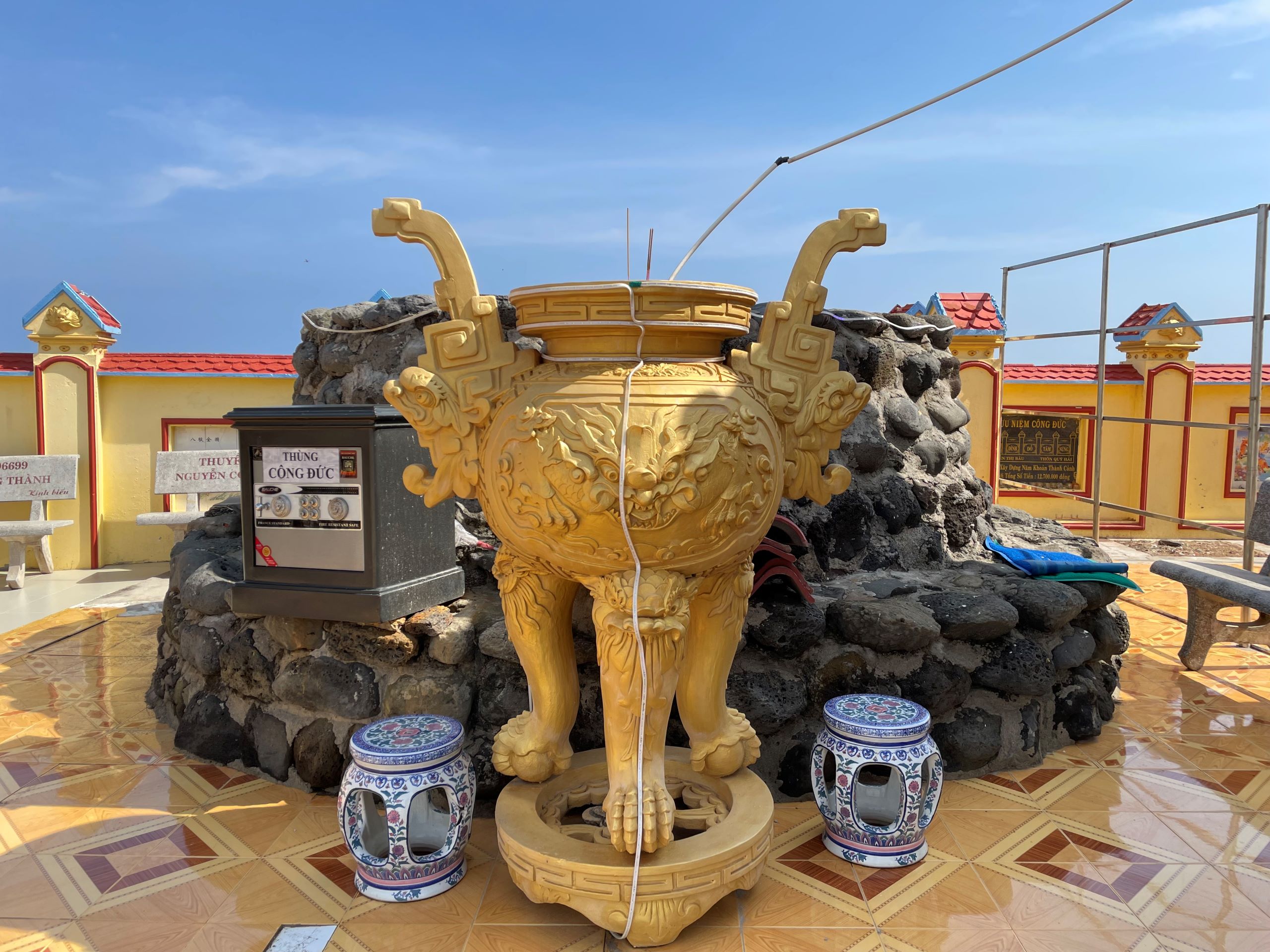
The Tomb of Sai Nai Master (Mộ Thầy Sài Nại) is located in Dong Hai Hamlet, Long Hai Commune, Phu Quy Special Zone. Built at the end of the 17th century, it honors Thầy Sài Nại, a respectful name given by the islanders to a Chinese merchant who protected, supported, and cared for generations of Phu Quy residents throughout his life.
Historical Background
The original burial followed the ancient Cham tradition of Ninh Thuan and Binh Thuan—Sai Nai Master was laid to rest in a terracotta jar. Over time, the site evolved into a sacred complex deeply woven into the spiritual life of the island community.
Architectural Structure
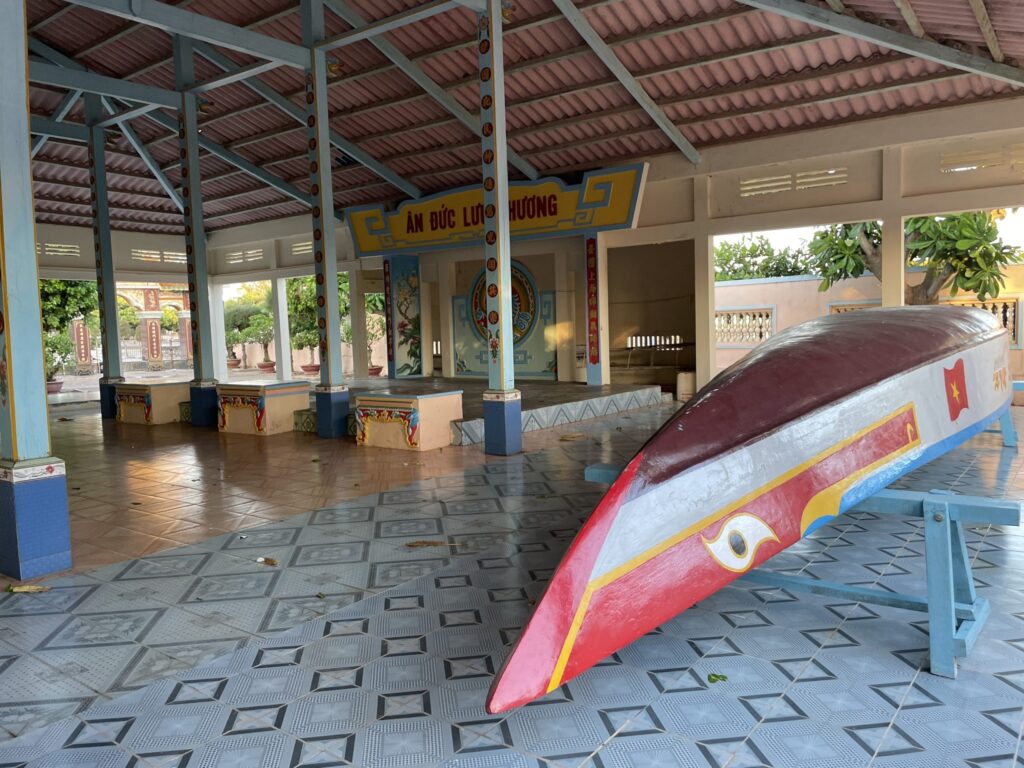
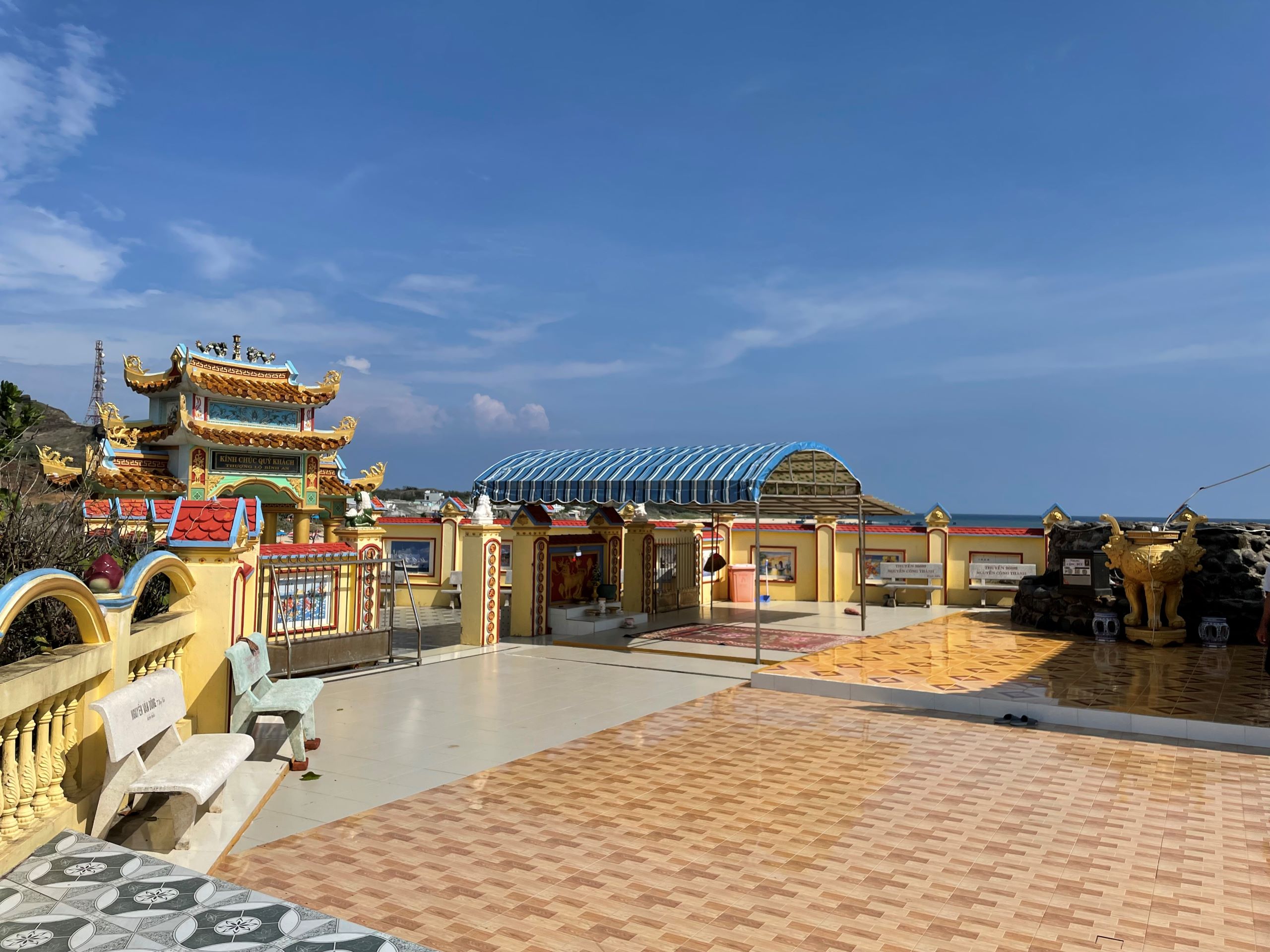
The architectural ensemble consists of the tomb, the Sai Nai Shrine, a guest house, and an incense hall.
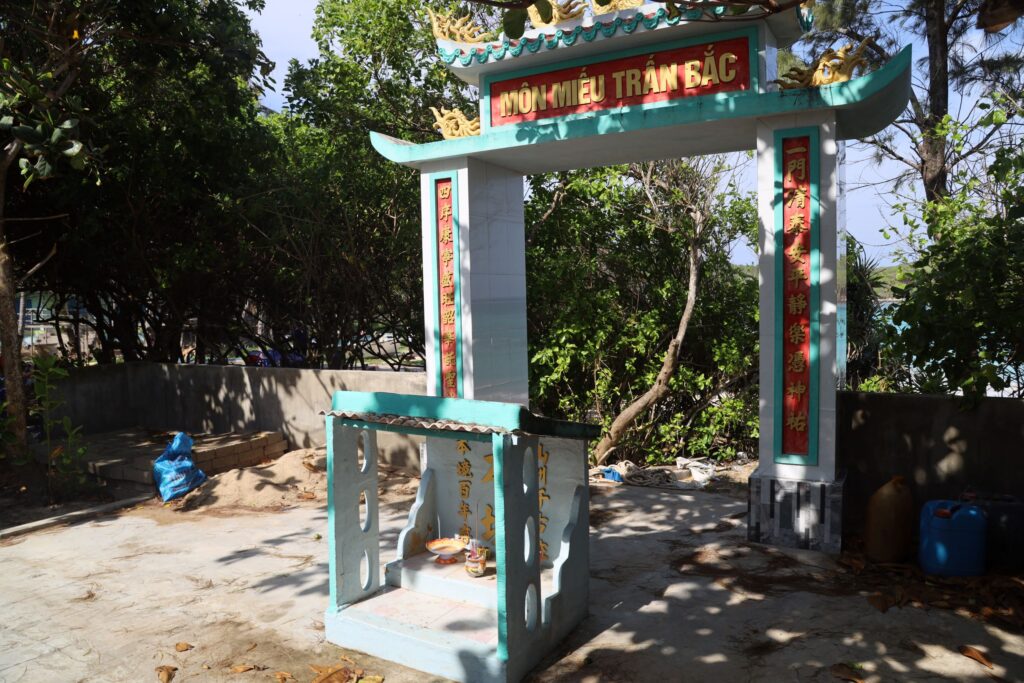
The tomb itself is circular, built from multiple layers of stacked coral stones, measuring 2.2 meters in diameter, 90 cm high, with a wall thickness of 55 cm. Behind the tomb stands the shrine, featuring a dual-roof design decorated with symbolic motifs such as dragons, carp transforming into dragons, turtles, and mythical sea creatures. The structure follows a “four-pillar” architectural style.
Inside, the shrine contains three altars:
- The central altar honors Sai Nai Master
- The left altar honors the Forefathers (Tiền Hiền)
- The right altar honors the Later Ancestors (Hậu Hiền)
The carvings showcase traditional motifs: dragons chasing the moon, unicorns, flowers, birds, and ornamental vines. Three carved wooden panels in front of the altars depict bats, phoenixes, floral patterns, and sacred animals.
The full temple complex includes:
a Main Gate, Flagpole, Screen Wall, Ceremonial Courtyard (Võ Ca), and the Main Sanctuary, built in the architectural style of traditional Vietnamese communal houses.
Royal Recognition
Over the centuries, Sai Nai Master was awarded eight royal decrees (sắc phong) by Nguyen Dynasty emperors, recognizing his virtue and contribution to the island. These decrees are carefully preserved by nine villages across three communes, and are rotated among them each year.
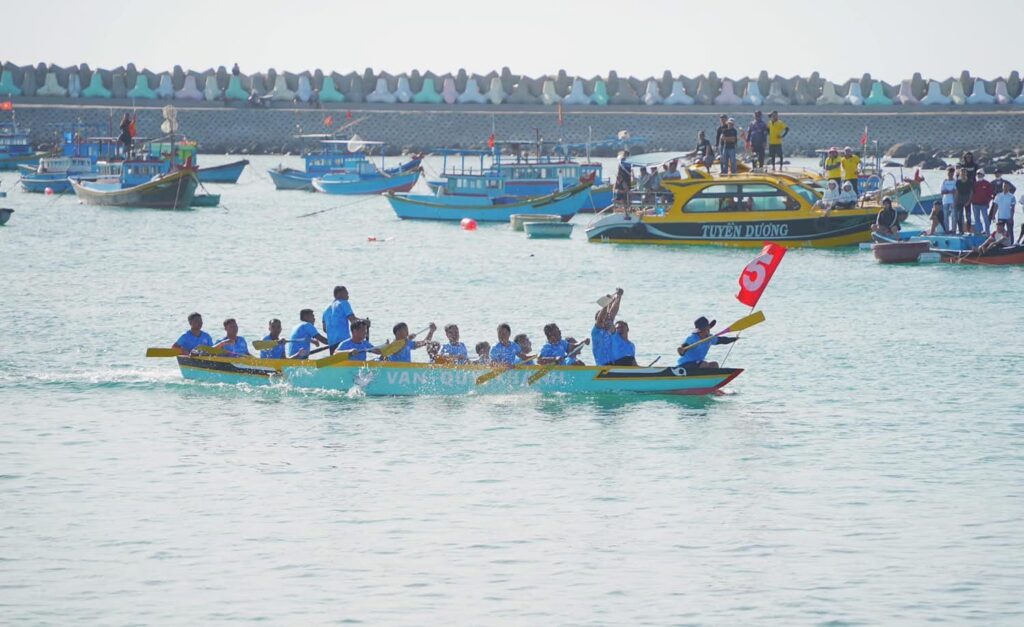
On the 4th day of the 4th lunar month, the islanders hold the annual Sai Nai Festival, featuring a solemn procession of the royal decrees from the custodial village to the temple. Hundreds of participants join with ceremonial flags, palanquins, musical troupes, offerings, and traditional rituals.
Offerings typically include:
oxen, pigs, chickens, wine, tea, incense, and fruits—presented with great reverence following ancient ceremonial traditions.
Cultural Significance
Sai Nai Master’s Temple is a major cultural and historical site, reflecting centuries of Vietnamese–Chinese cultural exchange and the spiritual beliefs of Phu Quy islanders. For more than 300 years, generations of Cham and Vietnamese residents have preserved this sacred place, maintaining rituals and ancestral worship in accordance with longstanding customs.
In 2010, the People’s Committee of Binh Thuan Province officially recognized the temple as a Provincial-Level Historical and Cultural Relic (Decision No. 1993/QĐ-UBND, dated 07/09/2010).
Legends of Sai Nai Master
Islanders preserve two main legends about Sai Nai Master:
Legend 1 – The Geomancer from the North
Sai Nai Master was said to be a Chinese geomancer and astronomer who frequently sailed across the seas with merchant fleets. During one voyage, he discovered that Phu Quy Island possessed an auspicious spiritual energy. Before his passing, he requested that his ashes be brought to Phu Quy for burial. On the night of his death (4th day of the 4th lunar month, Year of the Dragon), a fleet carried his remains to the island, buried him at the rocky headland, and departed silently at dawn. Islanders found offerings and a ceramic urn at the site, confirming the sacred burial.
Legend 2 – The Merchant and the Princess
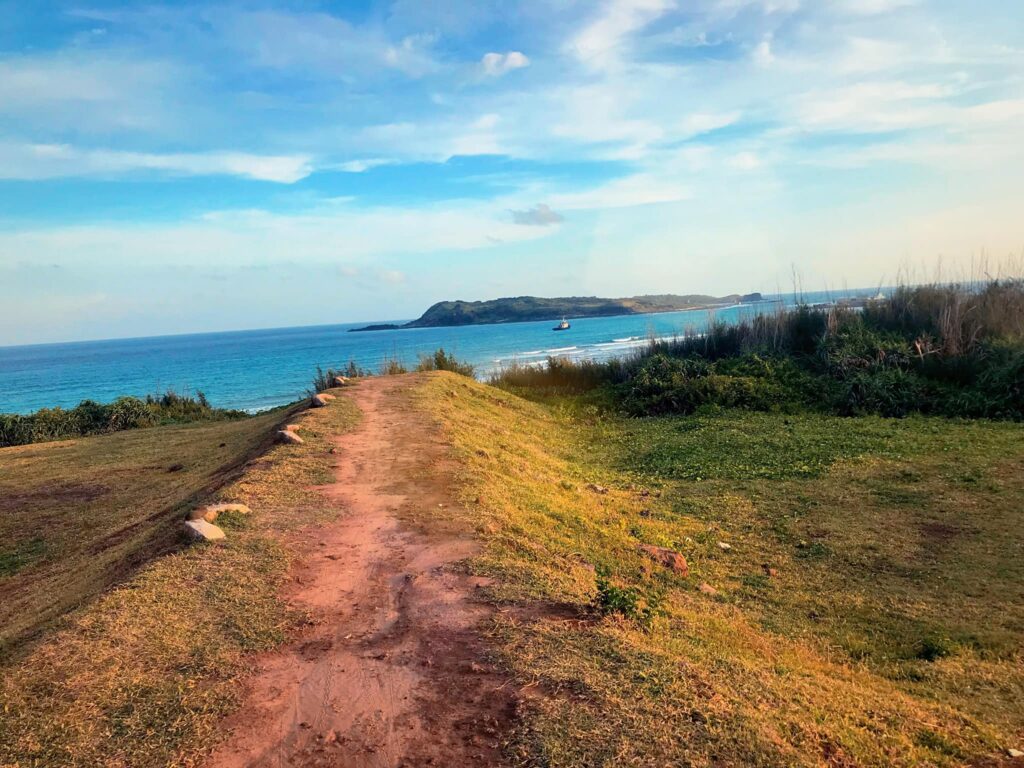
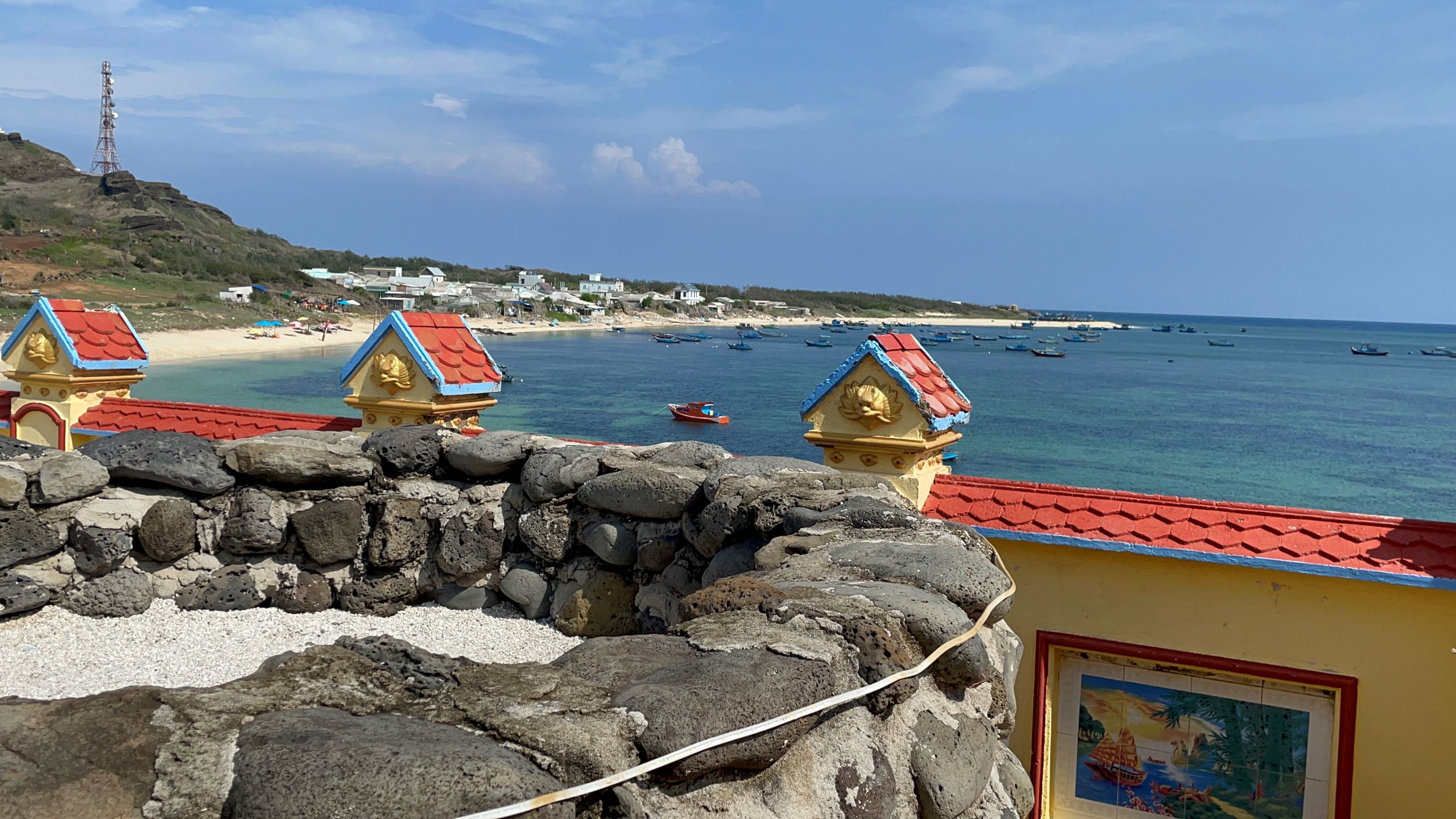
Another legend says that Sai Nai Master was a Chinese merchant and skilled physician whose ship was blown ashore during a storm. While taking refuge on the island, he met Princess Bàn Tranh, became her sworn brother, and stayed to heal and support the local community. After his death, the islanders buried him at Doi Thầy—the headland where his tomb now stands.
Regardless of which legend one believes, Phu Quy people honor Sai Nai Master as a guardian ancestor, whose spiritual presence protects fishermen and islanders amid the vast ocean.
Annual Worship Ritual
During the annual festival, villages take turns hosting the sacred decrees, performing processions, prayers, and communal feasts. Once the ceremony ends, the decrees are respectfully carried back to the next custodial village.
To this day, locals believe that after his passing, Sai Nai Master became a powerful protective deity. Highlights of the legends mention three claps of thunder and a radiant light marking his divine ascension. Many islanders recount personal stories of being saved during storms or hardships after praying to him.
The Nguyen Dynasty acknowledged these miracles, awarding Sai Nai Master three royal titles, and ordered all villages to worship him with utmost devotion.
This rotational worship system—where each village holds responsibility for one year—is a unique cultural tradition rarely seen elsewhere in Vietnam.