

Seafood dishes are always a highlight for visitors to Bà Rịa – Vũng Tàu in general and Côn Đảo in particular. Not only delicious, seafood is also a rich source of nutrients. However, to fully enjoy these dishes without health risks, consumers need to choose, handle, and use seafood properly to avoid allergies, food poisoning, or parasitic infections.
Is it safe to eat raw or undercooked seafood?
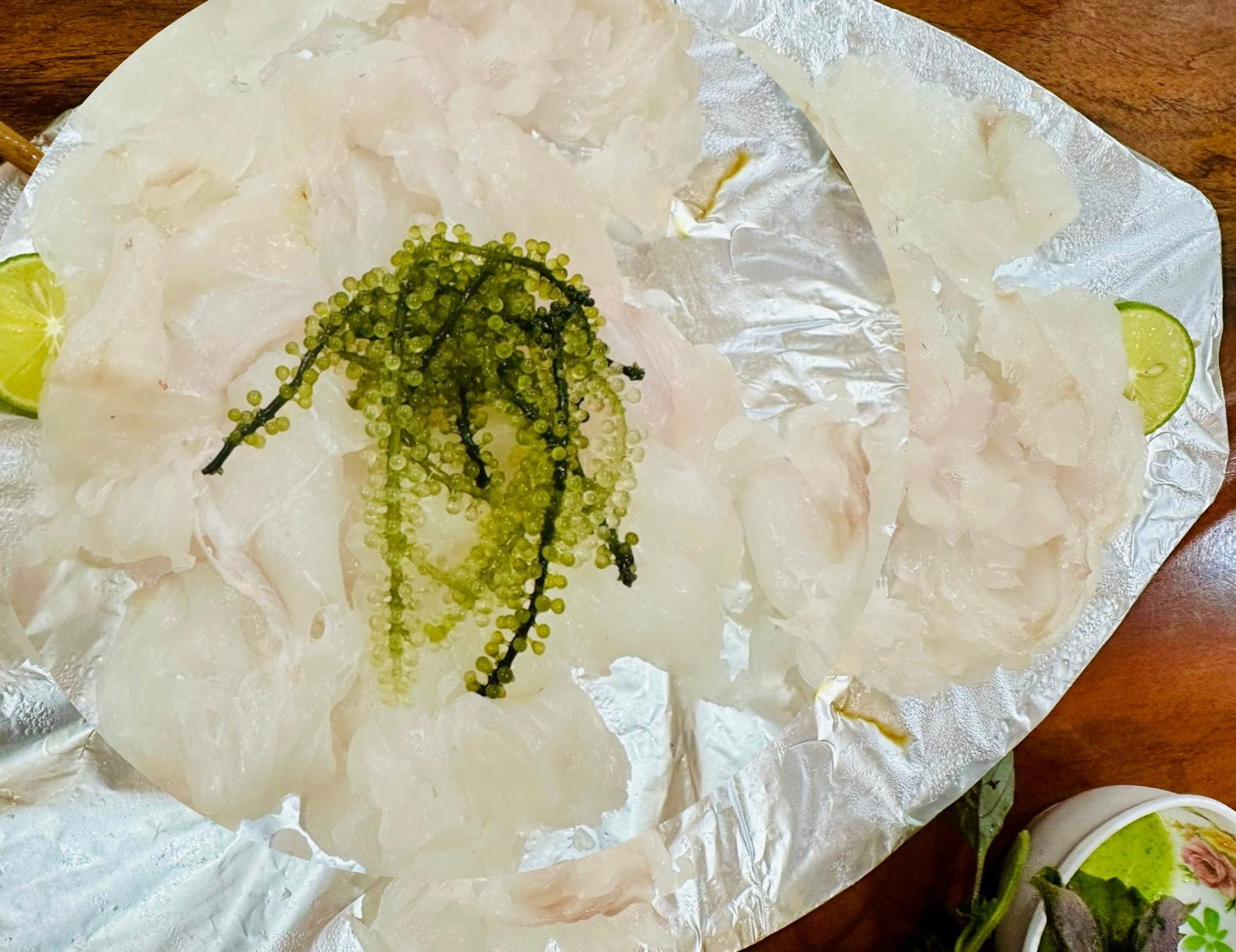
Many popular dishes such as raw oysters with lime, grouper sashimi, tuna salad, and sushi are tempting but carry significant health risks. Food safety experts advise avoiding raw or lightly cooked seafood because it can contain dangerous parasites such as roundworms, tapeworms, and liver flukes.
Parasite eggs and larvae can attach to fish, squid, shrimp, and shellfish in the ocean. Eating these foods raw increases the risk of infection. Some cases have even involved parasites entering the lungs, brain, or liver after eating inadequately cooked crab, shellfish, or mollusks.
According to Dr. Tiêu Văn Linh, seafood that is only lightly cooked still poses the same risk as raw seafood. Dishes should be eaten fresh, fully cooked, and served hot. Consumers should never buy dead shrimp, crab, clams, or snails because histamine in decaying seafood increases quickly and can cause severe allergic reactions or poisoning.
When dining out, choose reputable restaurants and request additional cooking if the dish appears undercooked.
Raw dishes are only considered safe when the ingredients are extremely fresh, come from clean, non-polluted waters, and are processed and stored under strict hygiene and freezing conditions. Even so, cooking thoroughly remains the safest option.
Be aware of natural toxins in seafood
Some types of seafood, though commonly consumed, may contain toxins that cannot be destroyed by heat, such as pufferfish or horseshoe crab. Several fatal poisoning cases have occurred simply because people did not know the species they were eating was toxic.
To stay safe, consumers should avoid species known to carry natural toxins. Likewise, seafood harvested in areas experiencing algal blooms (“red tide”) should not be consumed, especially clams, mussels, oysters, and other filter-feeders, which can accumulate harmful algae toxins.
Symptoms of toxin-related poisoning include: abdominal pain, sweating, diarrhea, tightness in the chest, drooling, slurred speech, nausea, tremors, muscle rigidity, difficulty breathing, and in severe cases, paralysis or respiratory failure.
Seafood allergies – a common and serious risk
Many people are allergic to shrimp, crab, lobster, tuna, shark, and other species. Reactions can appear within minutes to hours: hives, itching, swelling, difficulty breathing, abdominal pain, vomiting, or even life-threatening anaphylaxis.
When trying a new or unfamiliar seafood, taste only a small amount first. If you have a known seafood allergy, never attempt to eat that seafood again.
MINH THIÊN – Bà Rịa–Vũng Tàu Newspaper