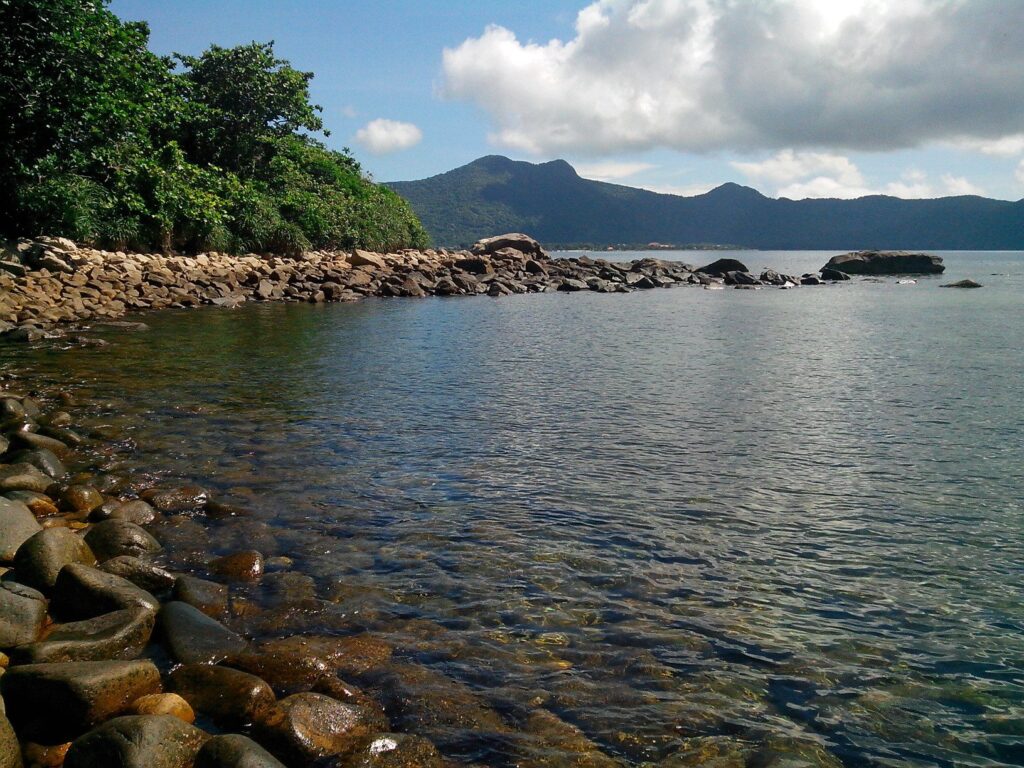

After visiting and shopping at Côn Đảo Market, guests continue along Võ Thị Sáu Street toward the Cow Shed Relic (Chuồng Bò) and Skeleton Beach (Bãi Sọ Người) — the area where the South Vietnamese regime once confined political prisoners who refused to salute the flag. Many were shackled for long periods, leading to severe muscle atrophy and paralysis.
Ma Thiên Lãnh Bridge Relic Site
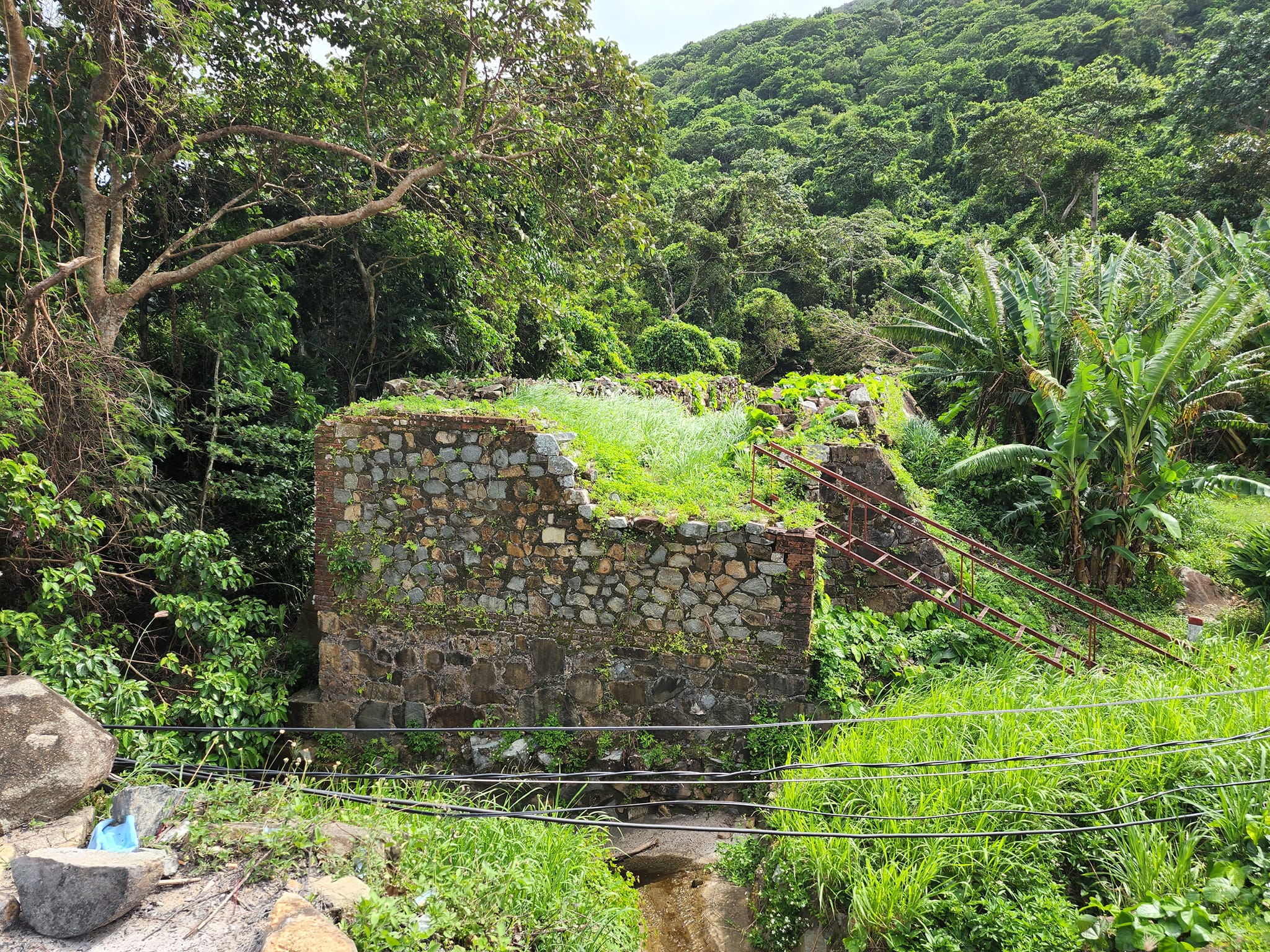
Following Võ Thị Sáu Street to its end, visitors reach the historic Ma Thiên Lãnh Bridge, a place engraved with immense pain and sacrifice.
The name Ma Thiên Lãnh refers to two unfinished bridge pillars, built with the blood and bones of hundreds of prisoners forced into brutal hard labor on steep mountain cliffs.
An Sơn Miếu – Shrine of Lady Phi Yến
The tour continues to the sacred An Sơn Miếu, also known as the Shrine of Lady Phi Yến, where the second consort of Lord Nguyễn Phúc Ánh (Nguyễn Ánh) is worshipped.
Every year on the 18th day of the 10th lunar month, the people of Côn Đảo hold a solemn memorial ceremony honoring her loyalty, resilience, and sacrifice.
Núi Một Pagoda (Vân Sơn Tự)
A short drive further brings visitors to Núi Một Pagoda, also called Vân Sơn Tự.
Construction of the pagoda began on August 13, 2010, and it was inaugurated on December 4, 2011.
This hilltop pagoda is considered one of the most beautiful spiritual sites in Vietnam, featuring traditional Vietnamese architecture and offering panoramic views of mountains, the sea, and An Hải Lake.
Sở Cò – Exhibition Site of Heroine Võ Thị Sáu
Continuing along the coastal road, visitors arrive at Sở Cò, a small exhibition area showcasing photographs and personal memorabilia of national heroine Võ Thị Sáu — a symbol of courage and patriotism whose legacy is deeply embedded in Côn Đảo’s history.
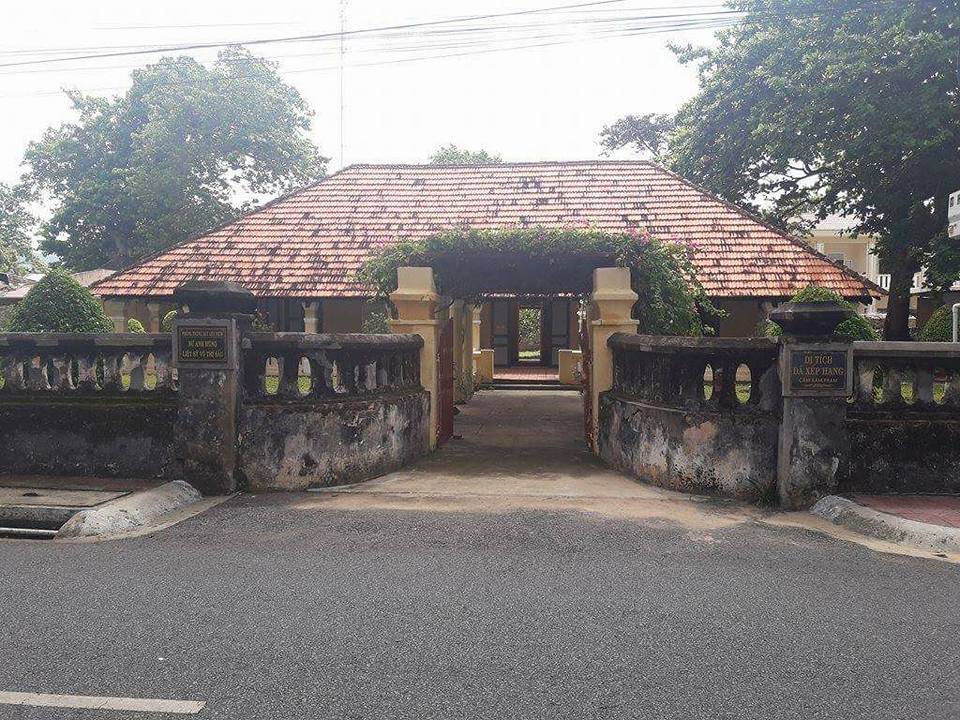
Côn Đảo Museum – Final Stop
The final stop is the Côn Đảo Museum, where guests can explore a comprehensive collection of historical artifacts, documents, and images reflecting the island’s past.
Here, tour guides recount stories of colonial brutality under the French and American regimes, as well as the indomitable spirit and heroic struggle of the prisoners who fought for Vietnam’s independence.