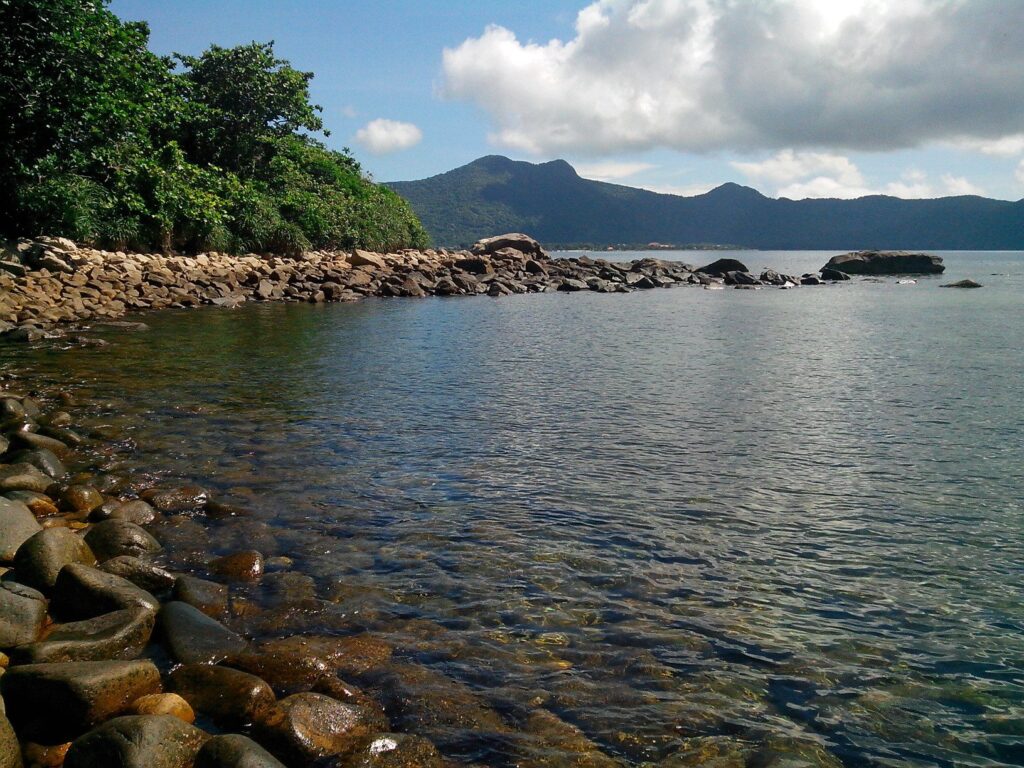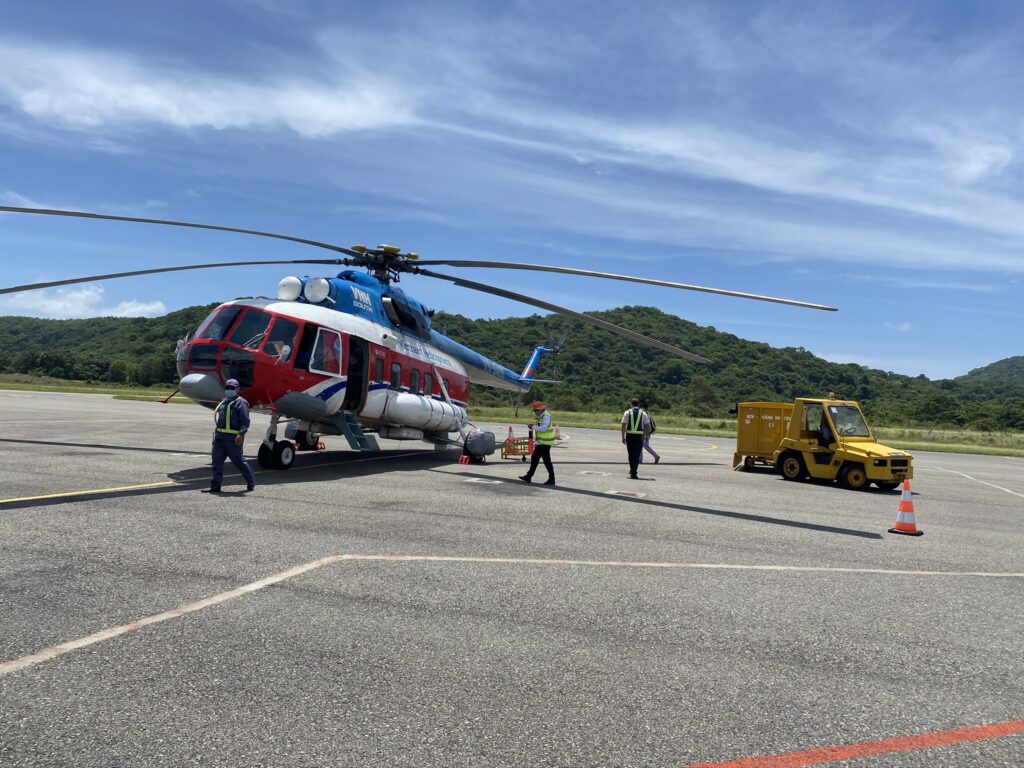
Con Dao District is located in the southeastern waters of Vietnam, about 185 km from Vung Tau City, 83 km from the Hau River estuary, and 60 km from major international shipping routes. Positioned at the crossroads of global maritime corridors—where northbound routes intersect with east–west shipping lanes—Con Dao holds an exceptional strategic value. It also lies within the East–West–South coastal economic belt linking Con Dao, Nam Can, Ha Tien, Phu Quoc, and Singapore, and sits at the heart of one of Vietnam’s richest marine fishing grounds. As such, Con Dao serves as an important maritime gateway connecting Vietnam with other ASEAN countries.
At the same time, Con Dao is envisioned as a high-quality coastal tourism and service urban area of national and international significance, equipped with modern infrastructure, protected natural resources, and preserved historical and cultural heritage. The archipelago also fulfills an essential role in safeguarding national defense and security in Vietnam’s southeastern sea region. Strengthening the economy while improving local living conditions is therefore an urgent mission supported by the Central Government, the provincial authorities, and local administration. Over the years, the Government has issued several key decisions shaping Con Dao’s long-term development, including the master plan for the district’s construction to 2030, the master plan for developing Con Dao National Tourism Area, and provincial resolutions on high-quality tourism development.
These strategic documents show that Con Dao has been comprehensively and consistently planned, providing a strong legal foundation for detailed zoning, infrastructure investment, and coastal tourism development. To improve the effectiveness of planning, attract investment, and enhance the quality of tourism products—especially those requiring sensitive coastal land use—the Department of Construction proposes a series of green and sustainable planning solutions aligned with international standards, focusing on seven key criteria: green space, green buildings, green mobility, water resources, green energy, conservation of landscapes and heritage, and environmentally friendly communities.
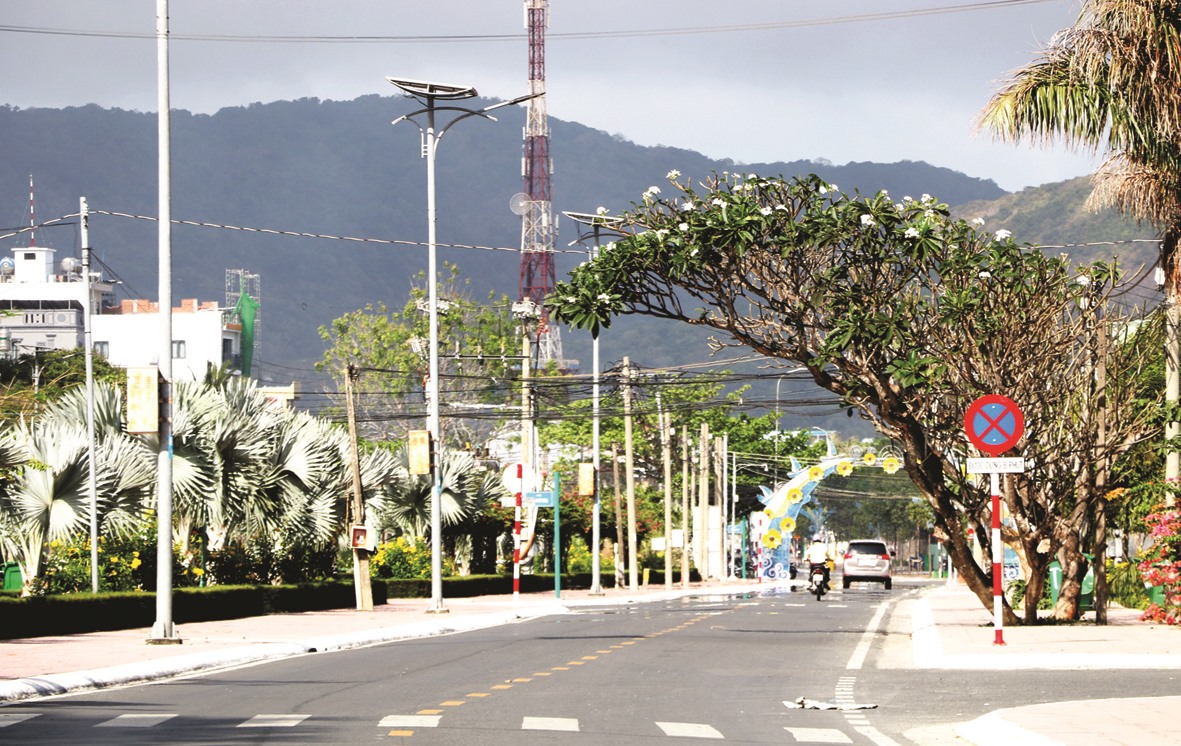
In terms of green spatial planning, urban development must leverage natural conditions, social advantages, and existing infrastructure. Con Dao’s spatial structure should be based on its natural landscape, ecological resilience, and cultural identity, ensuring sustainable growth. Green public spaces—particularly shaded streets and coastal pedestrian promenades—should be expanded, creating a harmonious integration between cultural landmarks, communal squares, and waterfront leisure areas.
Green architecture must be implemented from the very beginning of each project, ensuring that construction does not disrupt sensitive ecosystems. Buildings should incorporate rooftop gardens, vertical greenery, and natural ventilation, while minimizing environmental pollution and heat radiation. These solutions preserve Con Dao’s environmental integrity while enhancing visitor comfort. Transportation planning must prioritize walking, cycling, and the widespread use of electric vehicles such as e-bikes, e-taxis, and electric buses, gradually replacing fossil-fuel vehicles to protect the island’s fragile environment.
Water resource management is also essential. Drainage and wastewater systems should make use of natural topography to reduce energy consumption, while natural and artificial lakes—such as Quang Trung Lake, An Hai Lake, Dat Tham Lake, and Co Ong—must be preserved as landscape features, ecological buffers, and emergency water reserves. Clean water loss should be minimized through modernized supply networks.
In terms of energy, Con Dao must prioritize renewable sources such as solar and wind power while reducing reliance on fossil fuels. Eco-friendly building materials and design solutions that curb excessive heat gain should be widely applied. Strict conservation measures are required to protect natural landscapes, beaches, mountain ranges, coral reefs, and historical sites, which together form the core of Con Dao’s tourism identity. Heritage-based tourism must continue to highlight community culture, local traditions, and meaningful spiritual values.
Community engagement is equally important. Con Dao needs a comprehensive “Green Con Dao Action Plan” involving government, residents, businesses, and organizations, with the shared goal of transforming the island into a paradise of ecological and spiritual tourism—shedding the painful historical image of the “Hell on Earth” and replacing it with a message of renewal, peace, and sustainable growth.
The above proposals represent the vision of the Ba Ria – Vung Tau Department of Construction for advancing green planning toward the high-quality and sustainable development of Con Dao tourism in the coming decades.