In recent years, as Vietnam continues to integrate and develop, the preservation and promotion of cultural heritage have received strong attention from the Party and the State, achieving notable results. A key focus has been strengthening the management, conservation, and effective promotion of historical and cultural values to contribute to the tourism development of Ba Ria–Vung Tau Province.
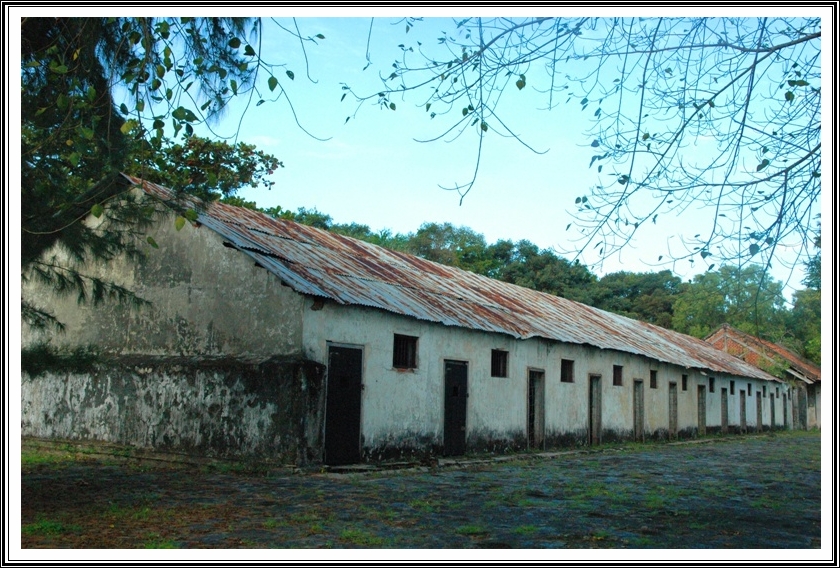
Ba Ria–Vung Tau is home to 48 recognized heritage sites, including 28 national relics, one national special relic—the Con Dao Prison System—and 19 provincial-level relics, among a total of 218 sites preliminarily inventoried. When people mention Con Dao, they immediately think of the Revolutionary Historical Complex, one of Vietnam’s largest and oldest prison systems. For 113 years (1862–1975), this archipelago became infamous as “Hell on Earth,” where the French colonial regime and later the U.S.-backed Saigon administration built an apparatus of imprisonment and torture for Vietnamese revolutionaries and patriots. Yet under the harshest conditions, communist soldiers and political prisoners turned Con Dao into a “school of revolutionary struggle,” where many future leaders of the Party and State were trained, including Le Hong Phong, Ngo Gia Tu, Nguyen Van Cu, Ton Duc Thang, Le Duan, Pham Van Dong, Nguyen Van Linh, and Pham Hung.
Recognizing its extraordinary historical value, the Ministry of Culture and Information issued Decision 54-VHTT/QĐ on April 29, 1979, granting special protection to the Con Dao Historical Site. Later, on May 10, 2012, the Prime Minister signed Decision 548/QĐ-TTg officially designating Con Dao as a National Special Relic Site, covering a protected area of 110.69 hectares.
Managing Historical–Cultural Activities Linked with Tourism Development
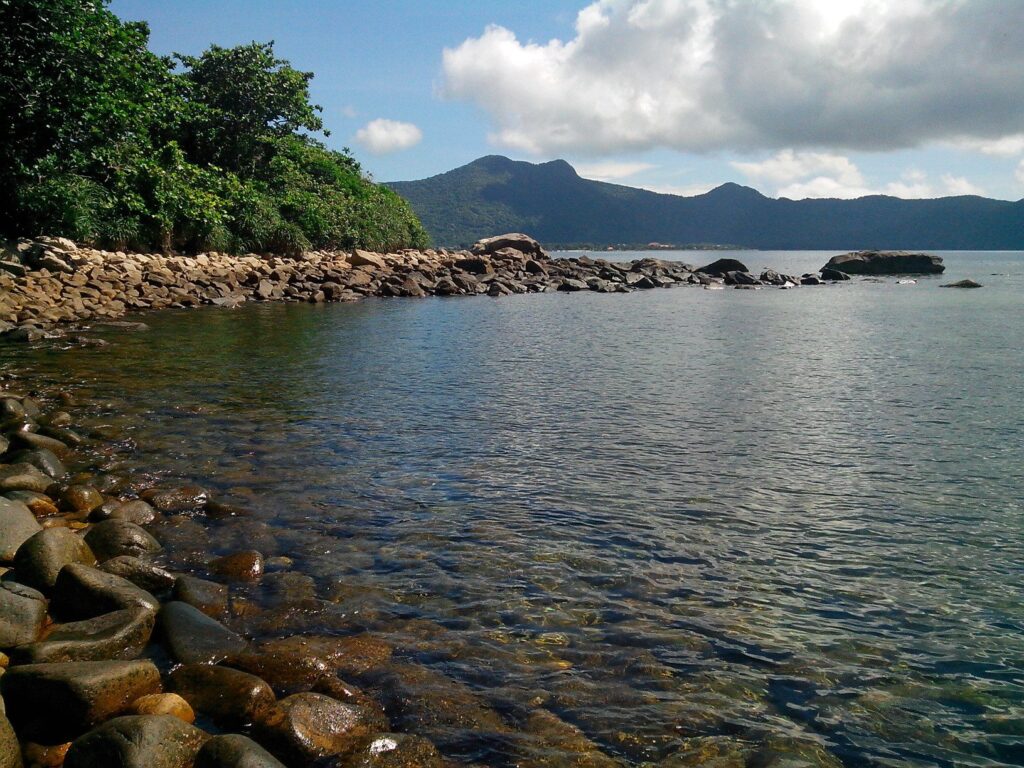
Con Dao is considered one of the signature destinations of Ba Ria–Vung Tau Province. With 16 islands and islets representing ecological characteristics of all three regions of Vietnam—North, Central, and South—the archipelago still retains its pristine, pure, and mysterious beauty. International travel magazines often list Con Dao among the world’s most impressive or intriguing island destinations. In 2017, the Vietnam Record Organization recognized Con Dao as the locality with the country’s largest prison complex. For decades, Con Dao has captured the deep affection and admiration of Vietnamese people and international friends alike, symbolizing the unyielding spirit and revolutionary heroism of the nation.
Spiritual tourism has grown strongly here. A distinctive feature is that most visitors choose to visit Hang Duong Cemetery at night—usually between 9:00 PM and midnight—believing their prayers will be more blessed. The grave of martyr Vo Thi Sau, the young heroine executed by the French at Con Dao, has become a sacred place of remembrance, drawing thousands each day.
Today, Con Dao attracts major investors developing high-end tourism services: Six Senses Con Dao, Poulo Condor Boutique Resort, Con Dao Resort, the Vietnam–Russia Resort, and more. Several prime areas—An Hai, Suoi Ot, Bai Vong, Bai Dam Trau—are under active investment planning, creating momentum for sustainable tourism while preserving landscape and environment. However, despite its strengths, Con Dao still faces certain challenges.
Root Causes
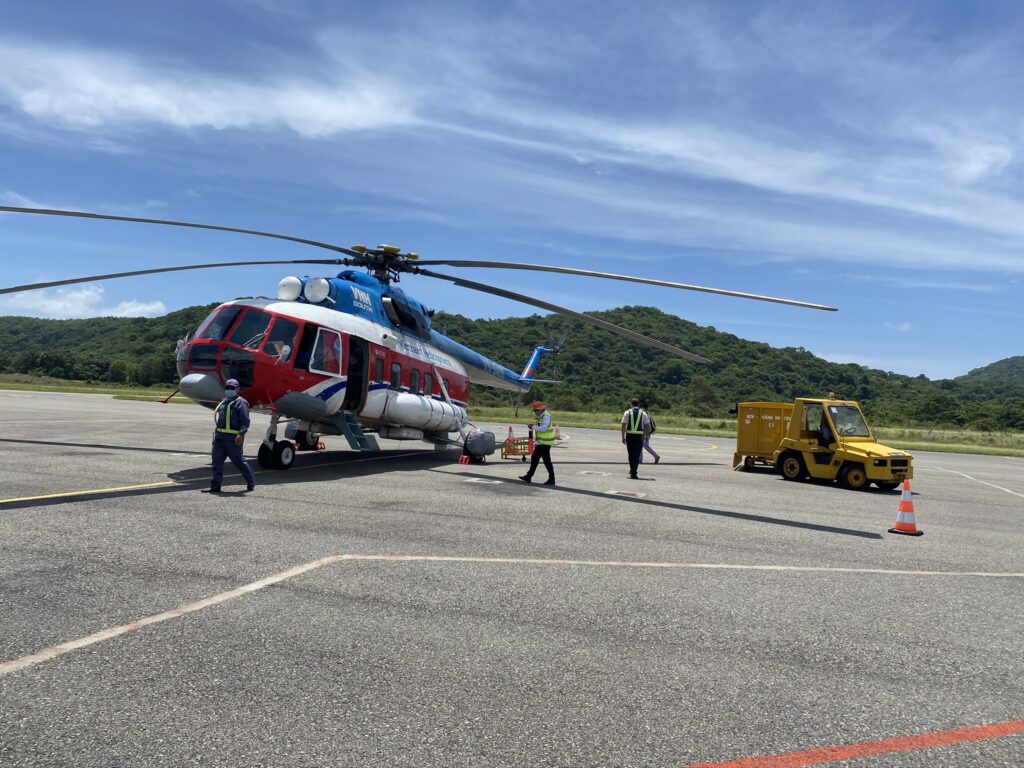
Tourism programs for large groups, especially international visitors, are difficult to develop due to limited air transport capacity—insufficient seats and lack of long-term booking options (6 to 12 months in advance). As a result, most visitors are individual travelers.
Marketing and promotion on major global media channels such as CNN, CBN, or VBS remain limited and inconsistent. Although local authorities implemented a promotional plan for 2016–2020, a comprehensive marketing strategy has not been fully established.
In addition, most visitors come for ecological and leisure tourism—snorkeling, forest trekking, or diving—while cultural and historical tourism remains modest. Entertainment and nighttime products are not yet diverse, resulting in shorter stays and lower spending per visitor.
Assessment
Visitor numbers fluctuate significantly, peaking from March to September each year. International arrivals mainly come from Europe, Asia, and Southeast Asia; visitors from the Americas remain few. Local travel companies have actively promoted Con Dao in Germany, the UK, France, Japan, South Korea, Myanmar, Ho Chi Minh City, and Hanoi through international travel fairs, but overall recognition remains limited.
Opportunities and Challenges in Heritage Management and Tourism Promotion
Opportunities
Con Dao possesses exceptional natural conditions—ideal climate, fertile soil, rich forests and seas, pristine beaches, and a vibrant national park with diverse flora and fauna. Preserving the historic prison system alongside natural ecological landscapes creates distinctly attractive cultural–ecological tourism products.
National planning documents reaffirm Con Dao’s priority development. The Prime Minister’s decisions on socio-economic planning, the master plan for Con Dao National Tourism Area, and the master plan for preserving the National Special Relic Site all emphasize transforming Con Dao into a high-quality tourism–service economic zone while conserving its revolutionary heritage.
Restoration and conservation efforts have been carried out systematically. Many relics have been repaired or upgraded: the French Tiger Cages, An Son Shrine, Phu Phong, the Governor’s Residence, Phu Tho Camp, and others. Landscape maintenance, tree planting, expanded parking areas, ceremonial courtyards, and new service facilities have all been implemented. Funding comes from both provincial budgets and social contributions.
Cultural heritage promotion plays a vital educational role. From 2015 to Q1 2020, Con Dao Relic Site welcomed more than 726,000 visitors at the museum and over 876,000 at Hang Duong Cemetery. Numerous national TV programs, live broadcasts, and commemorative events have been held at Con Dao, further enhancing its image.
With over 200 km of coastline, beautiful beaches, and a national park encompassing 6,000 hectares of terrestrial forest and 14,000 hectares of marine ecosystems, Con Dao offers tremendous tourism potential—ranging from historical and spiritual tourism to diving, trekking, and ecological exploration. Transport infrastructure has improved significantly, with new express boat routes and increasing air transport capacity, helping bridge the gap between island and mainland.
Challenges
Con Dao’s tourism is highly seasonal, with difficult travel conditions during the stormy months. High airfare and the lack of national grid electricity (reliance on diesel generators) contribute to high costs, making tourism comparatively expensive.
Cultural tourism products remain underdeveloped. International marketing is still limited. Recruiting multilingual tour guides (French, Chinese, Japanese, Korean) is challenging due to high living costs and lack of long-term incentives.
Historical research also faces difficulties—some events remain insufficiently documented and require deeper verification. Land encroachment in protected areas has not been fully resolved. Restoration funding is limited, and natural disasters accelerate the deterioration of relics.
Solutions
Heritage conservation and promotion must be implemented promptly and comprehensively to meet societal development needs.
First, diversify museum and exhibition activities. Expand mobile exhibitions with the principle “bringing the museum to the public.” Improve guide training with strong historical knowledge, communication skills, and foreign language proficiency to ensure professional, respectful, and engaging visitor experiences.
Second, introduce incentive policies for qualified professionals—especially those proficient in foreign languages—to attract and retain high-quality human resources in Con Dao.
Third, strengthen social engagement in heritage preservation. Conservation must involve all stakeholders—government, local communities, and businesses—following the principle “the State and the people work together.”
Fourth, effectively implement the Prime Minister’s Decision 2163/QĐ-TTg on the adjusted master plan for conserving and promoting the Con Dao National Special Relic Site. Ensure long-term sustainability and authenticity in all preservation efforts.
Fifth, integrate and coordinate heritage and tourism management to create cohesive visitor programs. Develop multilingual websites, publications, guidebooks, memoirs, and brochures to improve accessibility and international appeal.
Sixth, expand investment promotion in tourism and services, focusing on unique, high-quality products aligned with Con Dao’s potential and environment. Establish clear, attractive investment policies to draw diverse tourist markets.
Conclusion
The Con Dao National Special Relic Site carries profound historical and cultural significance, serving as a vital source of national education while creating new opportunities for tourism development and elevating Con Dao’s position. Yet these opportunities come with substantial challenges in heritage management. Success requires a dedicated, knowledgeable, professional team, along with the active participation of the entire community.
Despite geographical isolation and limitations in resources, Con Dao’s cultural sector has made remarkable efforts over the past four decades—preserving, restoring, and honoring its priceless heritage. As General Secretary Le Duẩn, who spent 10 years imprisoned here, once said during his visit on August 27, 1976:
“Con Dao is a heroic island, a monumental historical site. It is a great school for future generations. We must strive to build Con Dao into a prosperous island, strong in national defense, while preserving its historical relics as invaluable treasures for countless future generations.”
Today, that message remains the guiding light for protecting and promoting the historic Con Dao Prison Relic Site in harmony with sustainable tourism development.