For more than a century, Côn Đảo was known to the world as a “hell on earth” — a place defined by chains, darkness, and inhuman torture imposed by colonial and imperialist regimes. Yet, amidst the brutality, it also became a cradle of unbreakable revolutionary spirit, where countless Vietnamese patriots turned pain into strength and transformed a remote prison island into a beacon of resilience.
Côn Đảo – From Remote Outpost to Historic Witness
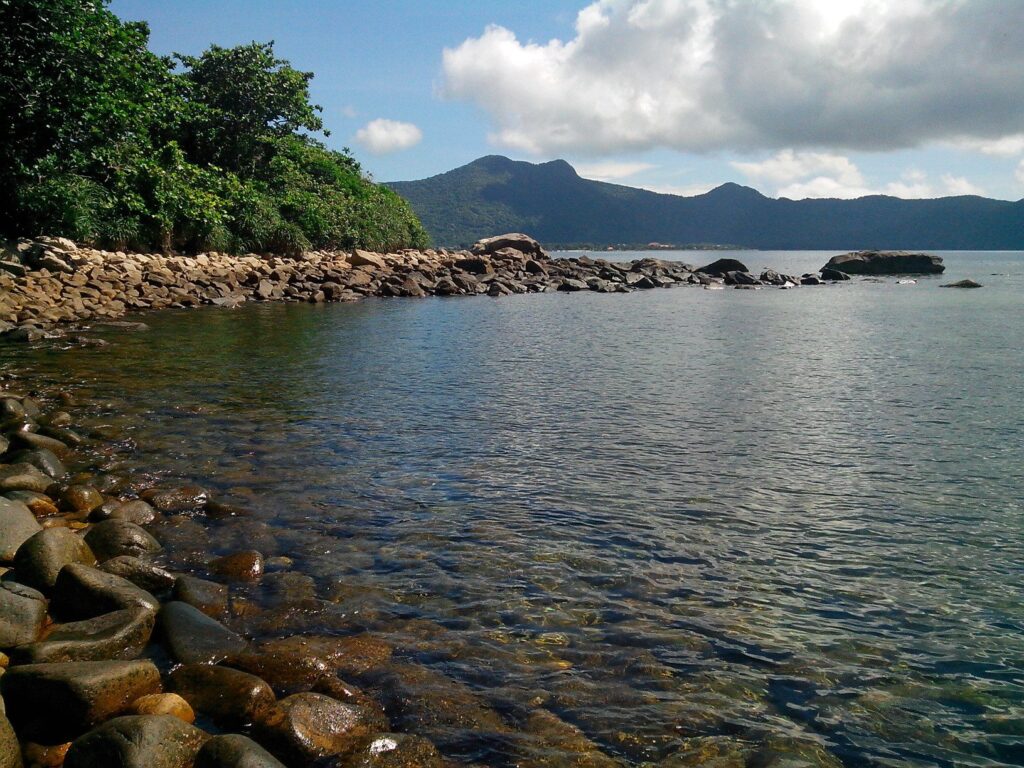
Located 94 nautical miles from Vũng Tàu, the Côn Đảo archipelago consists of 16 islands with Côn Sơn as the administrative center. Its name has evolved through history — Côn Lôn, Côn Nôn, Côn Sơn — until officially becoming Côn Đảo in 1979.
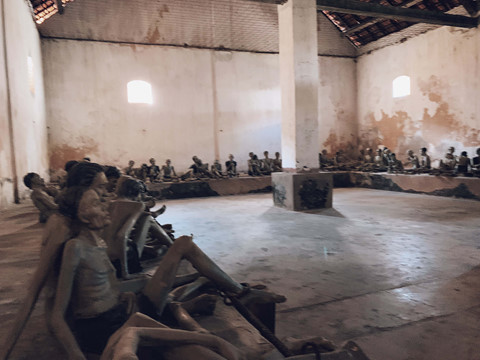
But to generations of Vietnamese, Côn Đảo is remembered not for its scenic beauty, but for its role as one of the most notorious prison systems in Southeast Asia. Here, colonial powers built a complex of torture chambers, isolation cells, and “tiger cages,” designed to break the will of those who dared to oppose them.
113 Years of Chains and Courage
From 1862 to 1975, tens of thousands of prisoners were incarcerated on the island. By the time of liberation, Côn Đảo held:
- 7,448 inmates, including
- 4,234 political prisoners
- 3,214 common-law prisoners
- 494 women
Among these political prisoners were some of Vietnam’s most revered revolutionaries: Tôn Đức Thắng, Lê Hồng Phong, Ngô Gia Tự, Lê Duẩn, Phạm Hùng, Lê Văn Lương, Nguyễn Duy Trinh, Võ Thị Sáu, and many others.
They faced starvation, electric shocks, beatings, forced labor, and unimaginable cruelty. Yet, they remained unshaken in their belief in national independence. Their willpower and spirit forged a glorious chapter in Vietnam’s revolutionary history.
A Book Preserving the Voices of the Past
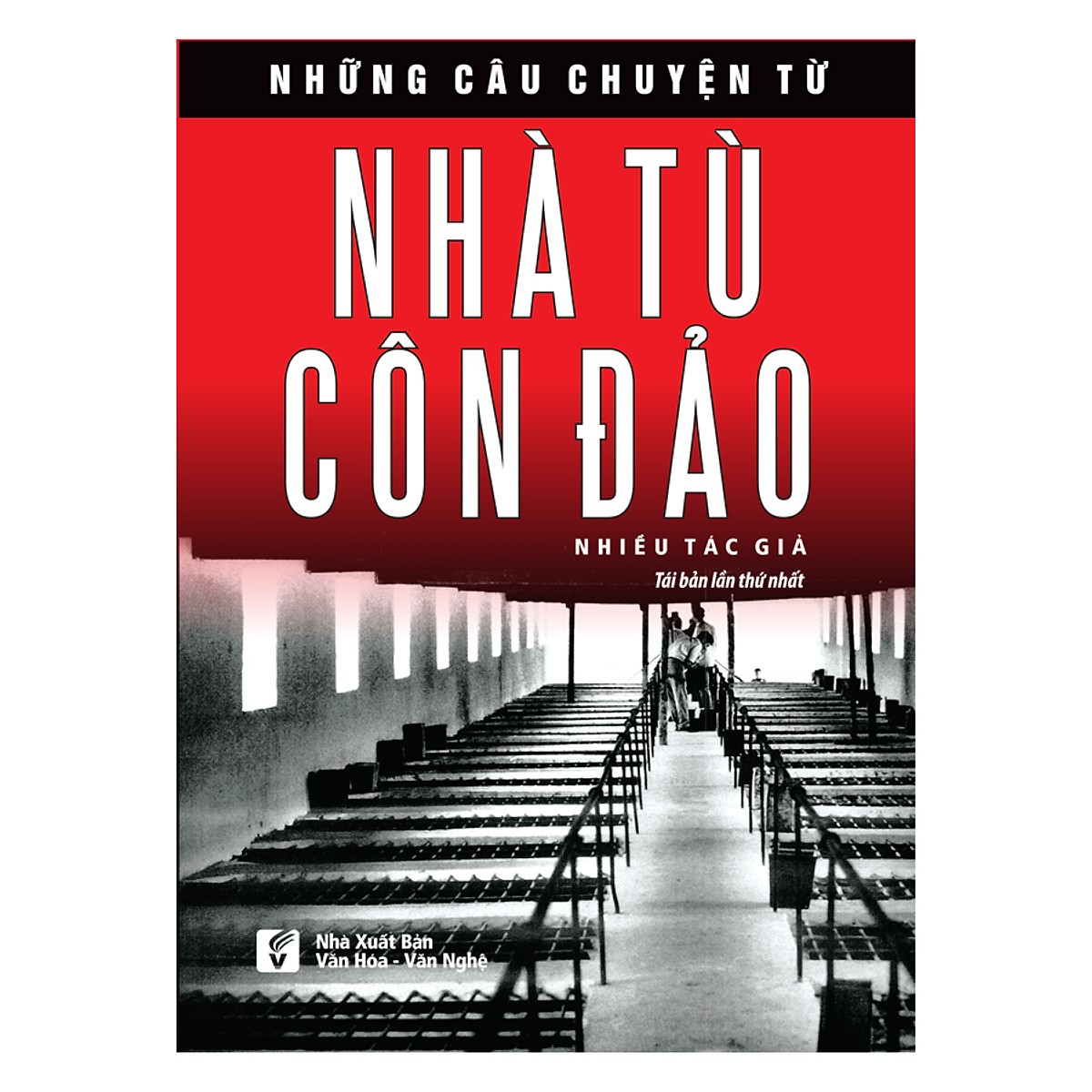
Stories from the Côn Đảo Prison is a valuable anthology compiled by multiple authors and republished by the Ho Chi Minh City Publishing House of Culture and Arts in 2018. The book offers vivid insights into:
- the natural geography and early history of the archipelago,
- the true face of the prison system,
- and the heroic resistance of political prisoners across generations.
It is a powerful reminder of how the island — once a place haunted by pain and death — became a revolutionary school, where prisoners secretly organized, educated one another, and nurtured the ideals of independence despite living under constant threat of torture.
Four Parts of a Historic Chronicle
1. Côn Đảo – A Revolutionary Museum Amidst the Sea
An overview of the archipelago’s history before the construction of the prison, and the establishment of the first prison blocks by the French.
2. Côn Lôn – The Island of Hell (Through Nguyễn Văn Nguyễn)
Extracts from journalist Nguyễn Văn Nguyễn’s investigative series published in La Lutte in 1934, documenting the brutality he witnessed inside the prison.
3. Côn Đảo Through the Resistance Periods
Accounts of unwavering resistance by revolutionary prisoners during both the French and American wartime eras.
4. Stories from the Prison
Personal narratives that illuminate the creativity, determination, and sacrifices of political prisoners — from protests demanding implementation of the Paris Agreement to the final days leading to the liberation of Côn Đảo.
A Revolutionary Epic That Lives Forever
To the Vietnamese people, Côn Đảo is not merely an island — it is a monument of courage.
The stories from its prison cells form an enduring epic of sacrifice, perseverance, and unwavering faith in the nation’s freedom.
Generations of prisoners who walked out of Côn Đảo — or never did — left behind more than memories. They left a legacy that continues to inspire every Vietnamese citizen: a legacy of resilience, dignity, and the eternal quest for independence.
Their voices still echo across Hàng Dương Cemetery, across the old prison walls, and across the hearts of millions who visit the island every year to pay tribute.
“Stories from the Côn Đảo Prison” is not just a book — it is a testament to the unbreakable spirit of a people who chose freedom, no matter the cost.