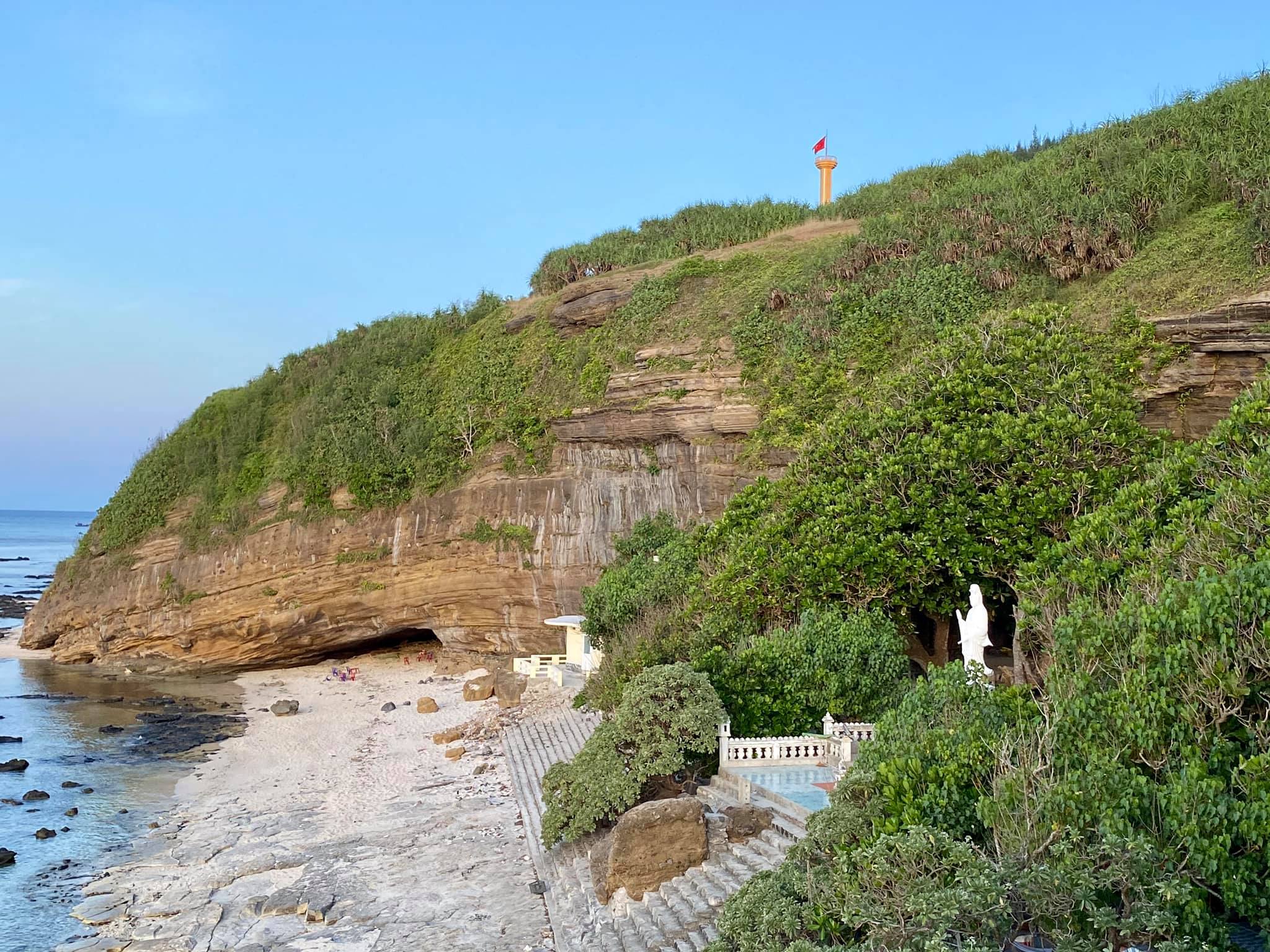
Lý Sơn Special Zone is not only renowned for its volcanic landscapes and pristine seas, but also for a dense system of temples and spiritual sites formed alongside the island’s settlement history, maritime life, and the legacy of the Hoàng Sa flotilla. Below is a complete overview of the existing temples and religious sites on Lý Sơn Island, presented by location.
Pagoda Hang (Thiên Khổng Thạch Tự)
Chùa Hang is the most iconic spiritual landmark on Lý Sơn, nestled beneath the volcanic cliffs of Thới Lới Mountain. The temple is set entirely inside a natural lava cave, cool throughout the year and facing the open sea. Historical records suggest it was once a Cham Brahmanical sanctuary before being converted into a Buddhist temple around 300 years ago. Recognized as a National Historical–Cultural Monument, Chùa Hang symbolizes the fusion of faith, nature, and early island settlement.
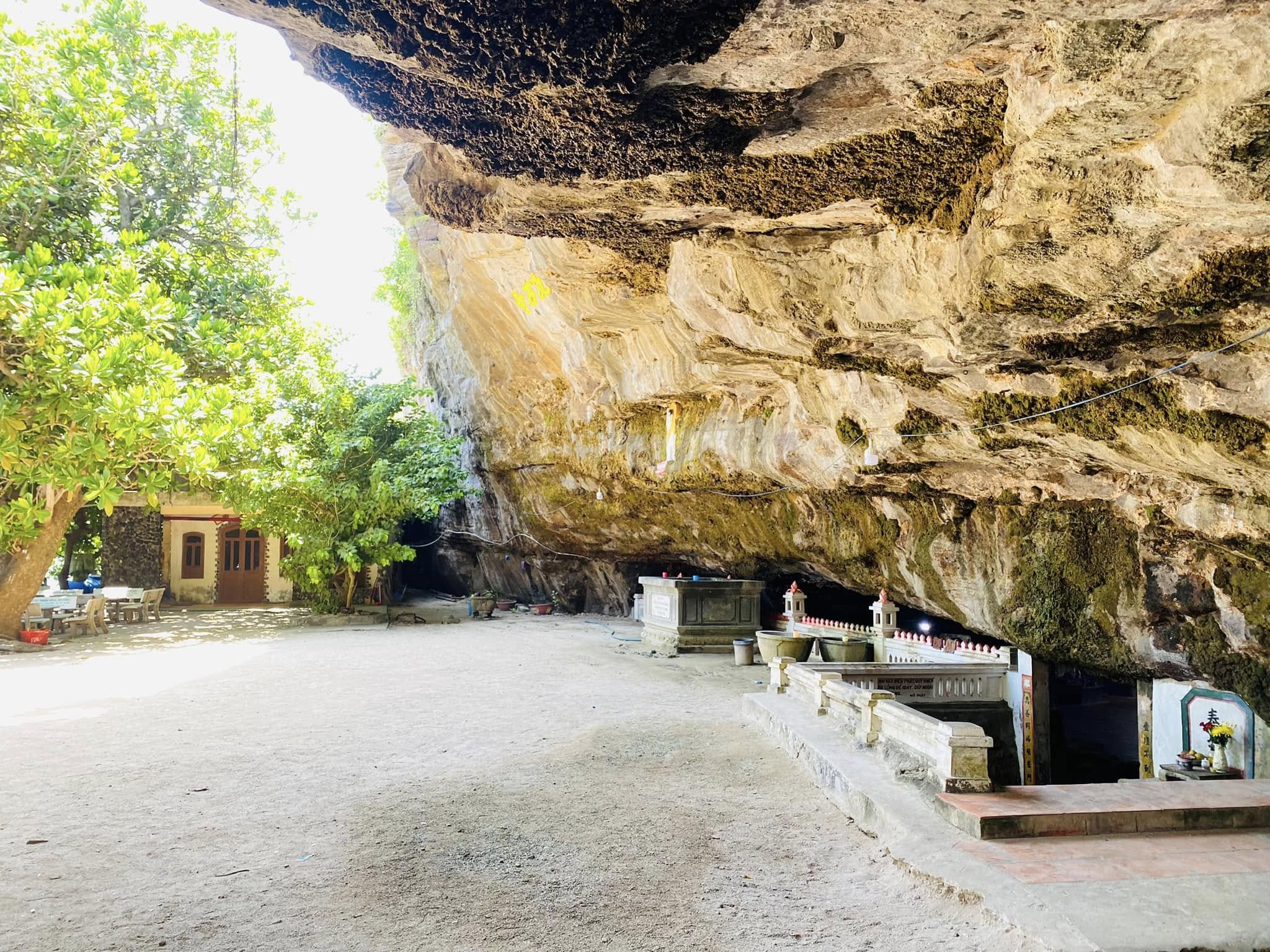
Âm Linh Tự
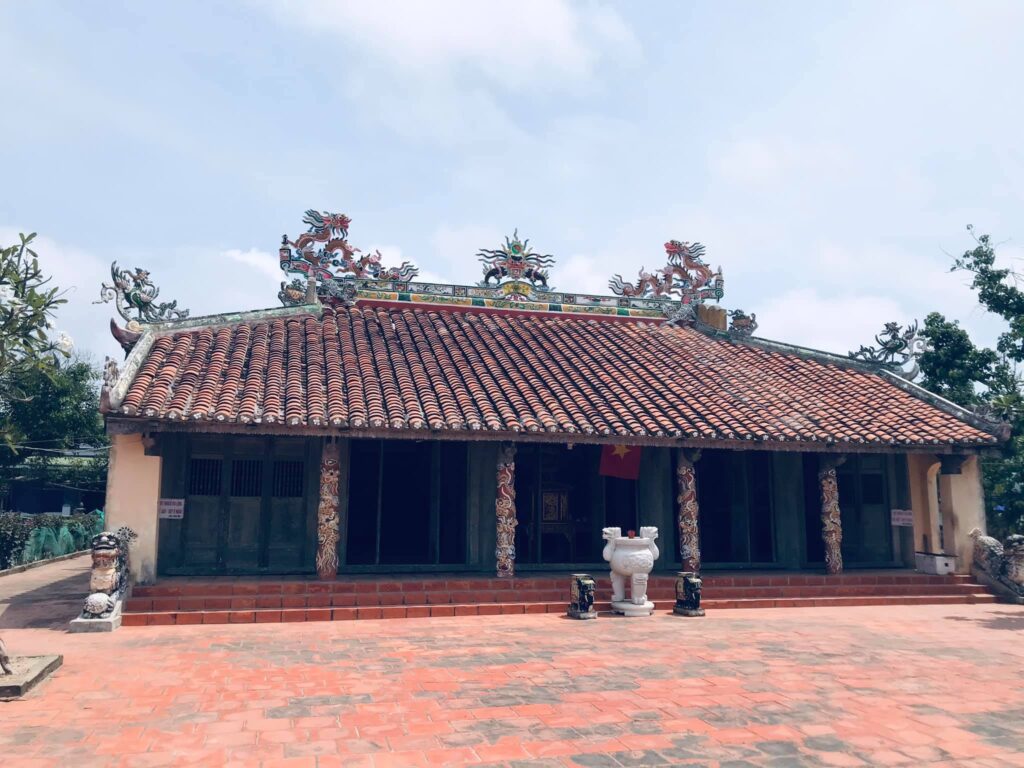
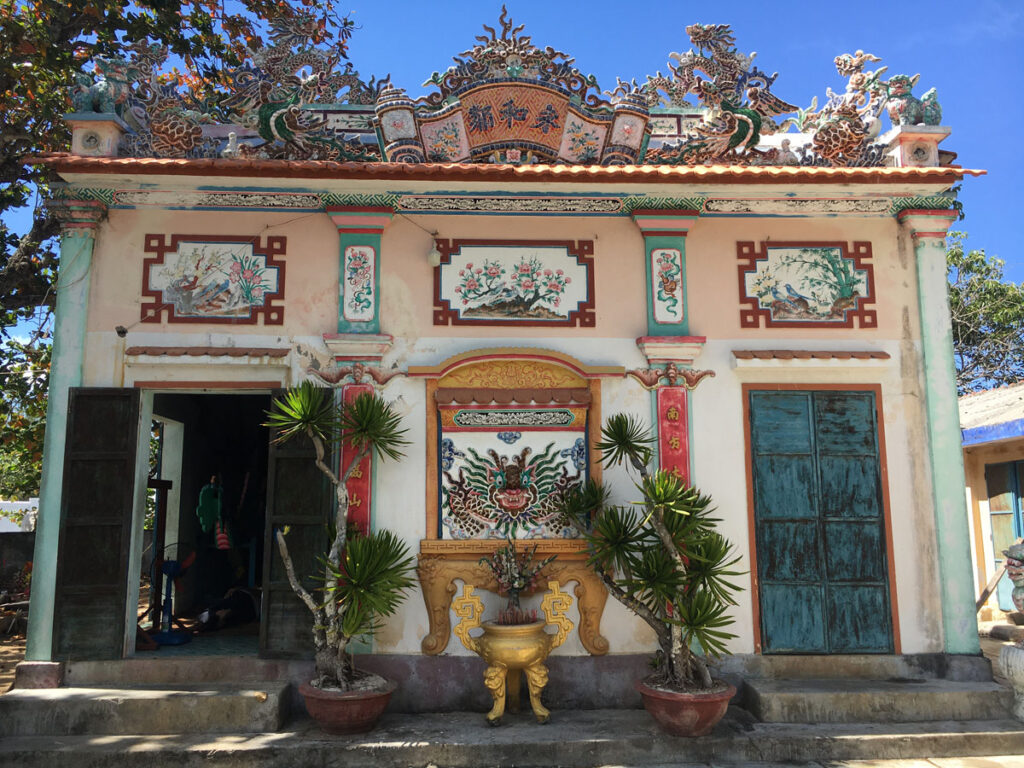
Âm Linh Tự is the island’s most sacred communal shrine, dedicated to the Hoàng Sa soldiers who sailed to the Paracel and Spratly Islands to assert Vietnam’s maritime sovereignty. Deeply rooted in Quảng Ngãi folk beliefs, the shrine hosts major rituals such as peace-praying ceremonies, seasonal offerings, and the Hoàng Sa soldiers’ memorial rite. It is officially designated as a National Historical Monument and remains a spiritual anchor for the island community.
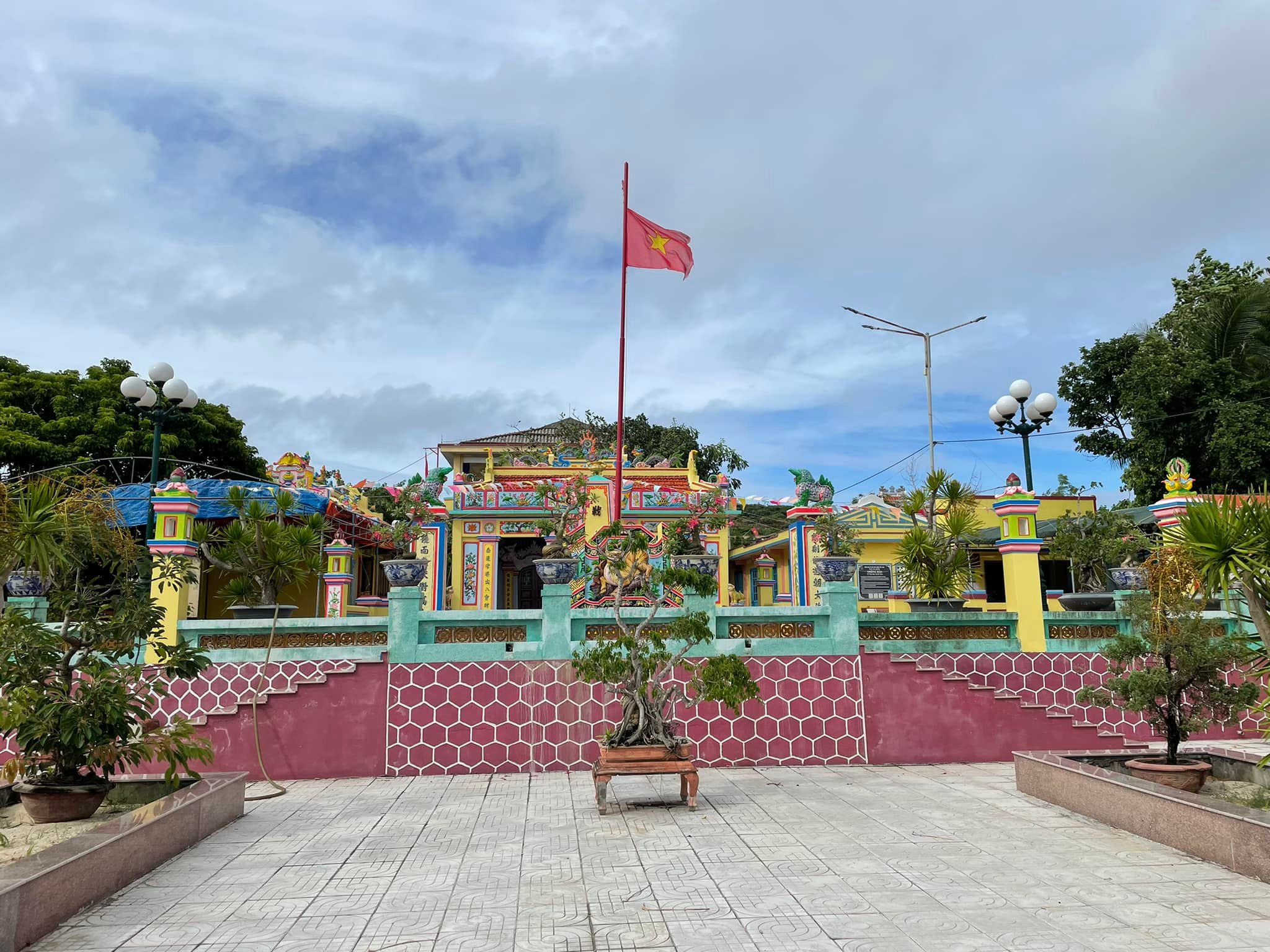
Duc Pagoda (Đỉnh Liêm Tự)
Perched halfway up the slopes of the Giếng Tiền volcano, Chùa Đục offers a secluded and contemplative atmosphere. The most striking feature is the 27-meter-tall statue of Avalokiteśvara (Guanyin) facing the sea, symbolizing protection for fishermen. From the temple grounds, visitors can admire panoramic views of the volcanic crater and the vast ocean—one of the island’s most scenic viewpoints.
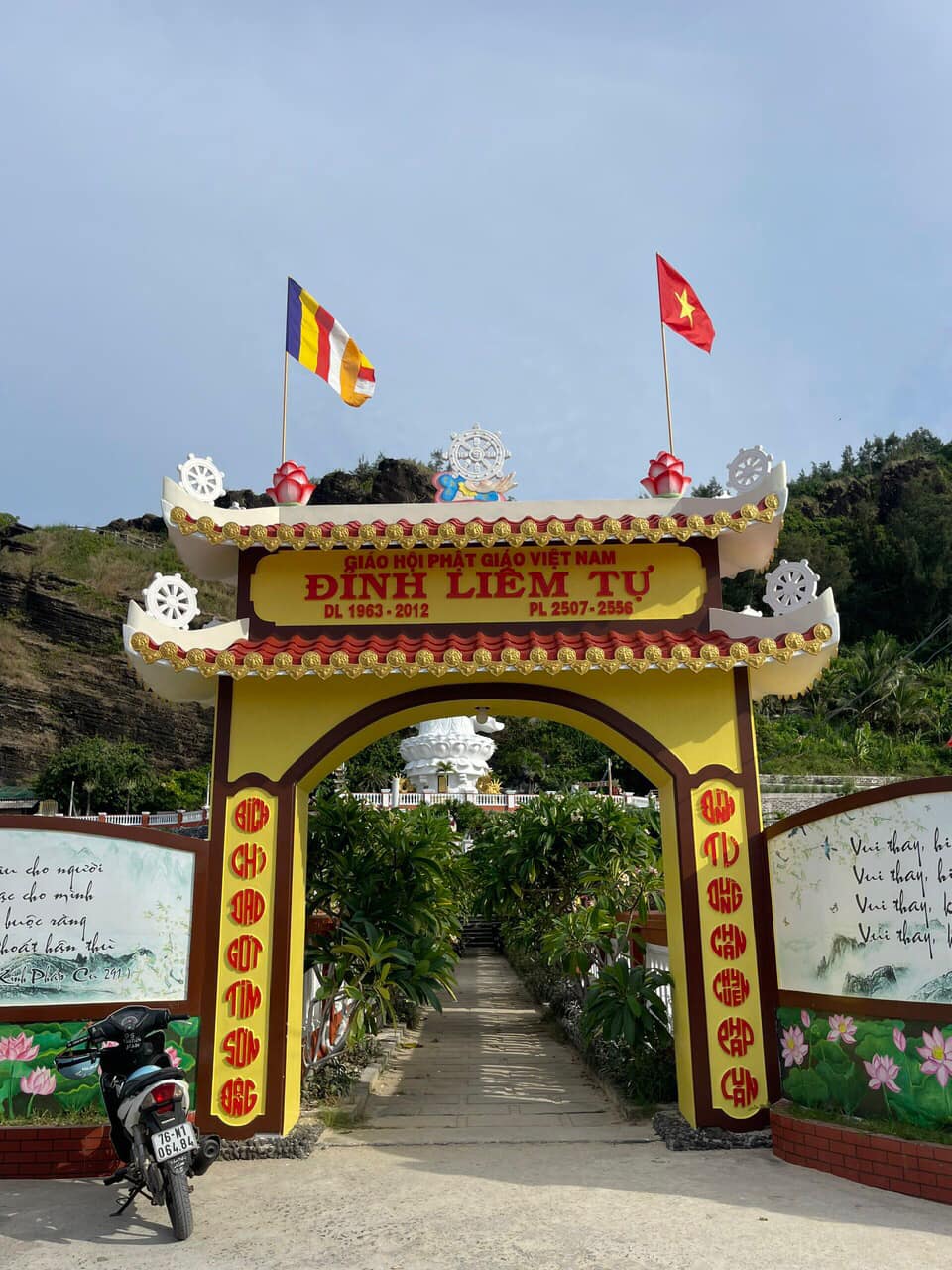
Điện thờ Phật Mẫu Lý Sơn
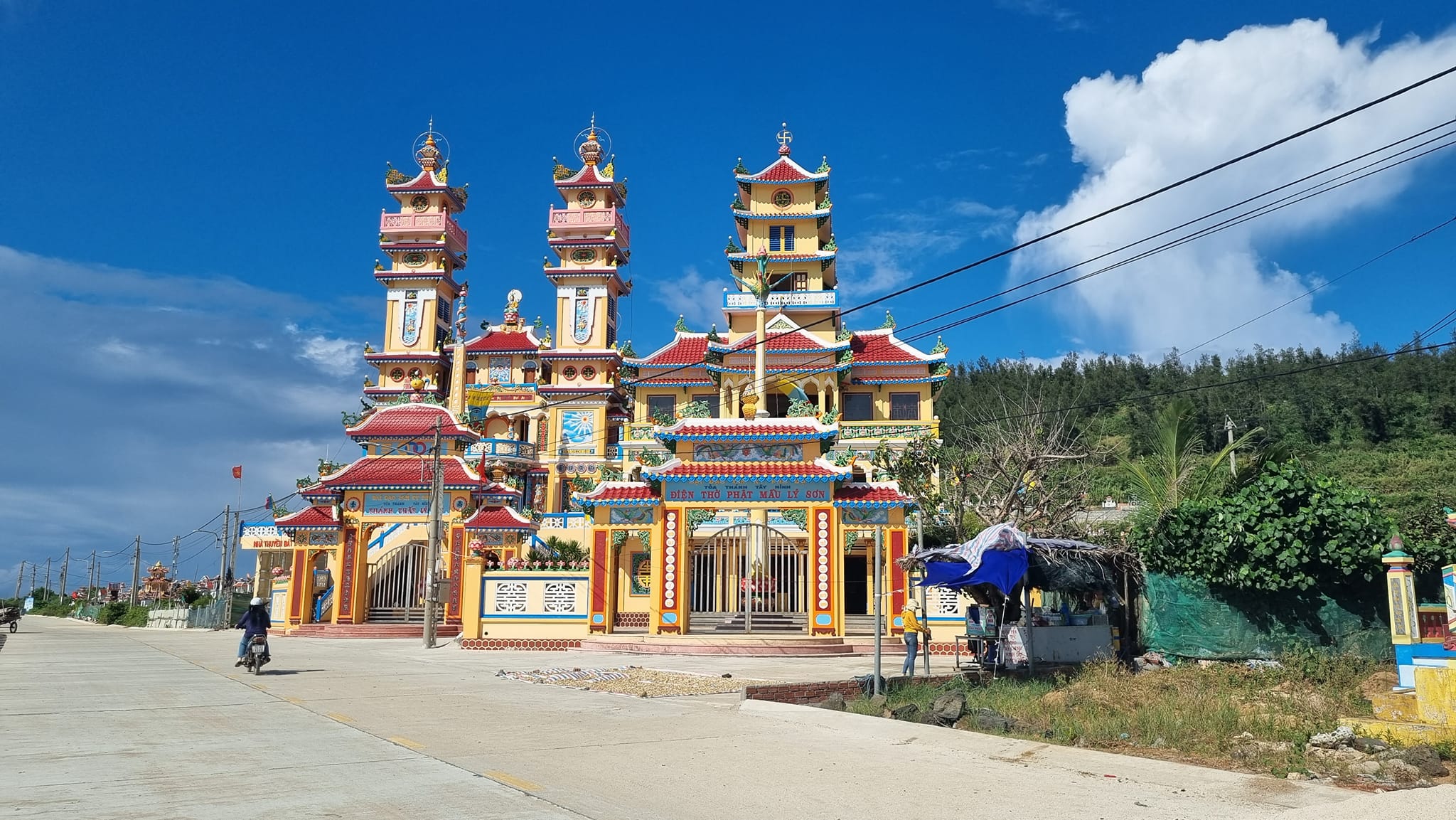
Located along the island’s western shoreline, the Temple of the Holy Mother (Phật Mẫu) is a prominent Cao Đài religious structure on Lý Sơn. Built between 2009 and 2013 in the style of a Cao Đài Holy See, the three-tiered complex leans against the mountain and faces the sea. Its towering bell tower and formal symmetry make it a distinctive spiritual and architectural landmark.
Vinh An Pagoda
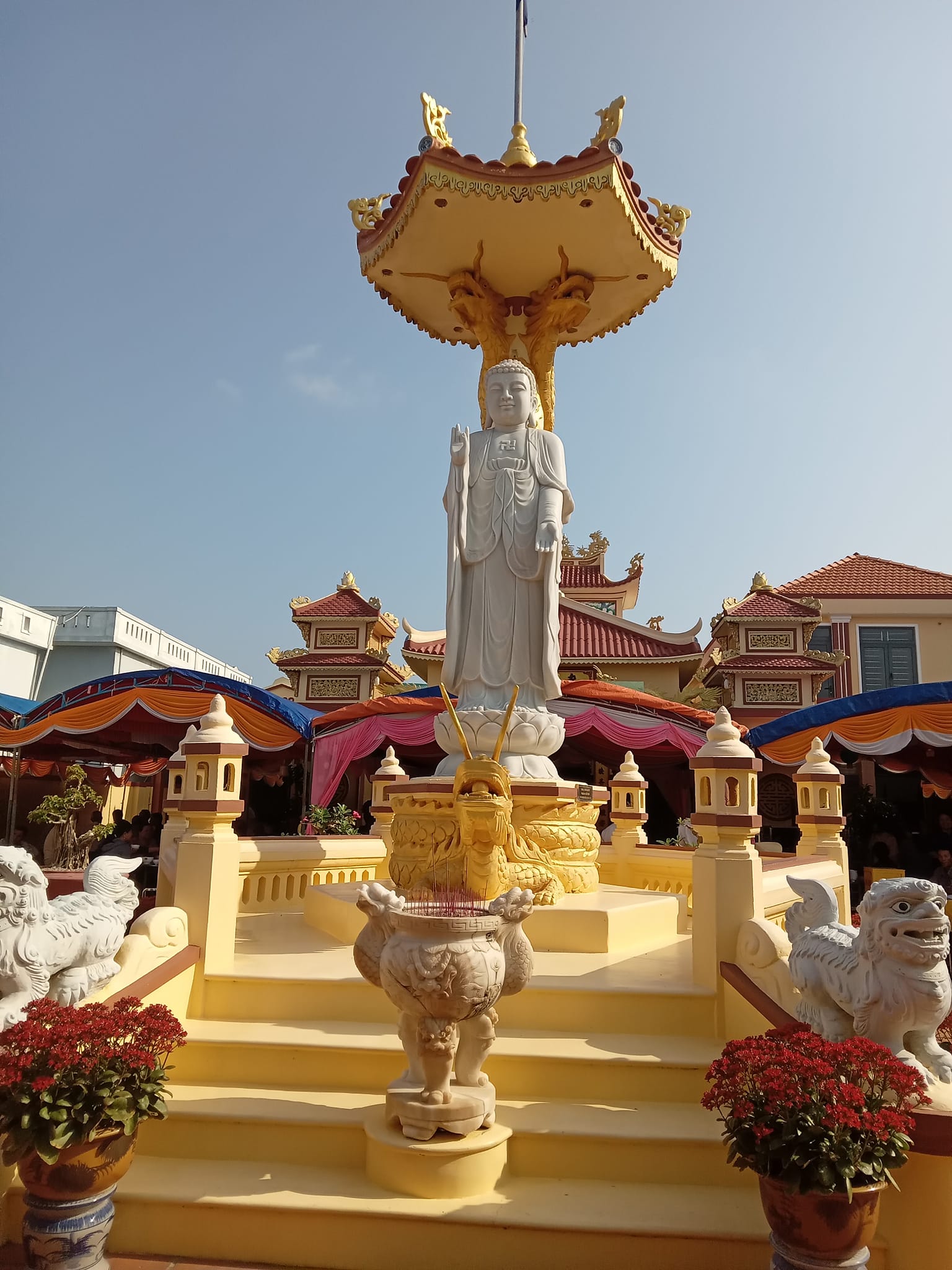
Chùa Vĩnh Ân is a large and well-structured Buddhist temple situated within the residential area of An Vĩnh Commune. The yellow-and-red triple gate and multi-tiered curved roofs give the temple a dignified presence. It serves as a central place of worship for local Buddhists and a tranquil stop for visitors seeking insight into island spiritual life.
Hai Lam Pagoda
Founded in 1928, Hải Lâm Pagoda holds special historical significance. During a critical period of national defense, the temple’s monastic community voluntarily donated its land to the State for military use. This act of “protecting the nation and serving the people” stands as a powerful testament to the close bond between Buddhism and national destiny on Vietnam’s frontline islands.

Tu Quang Pagoda
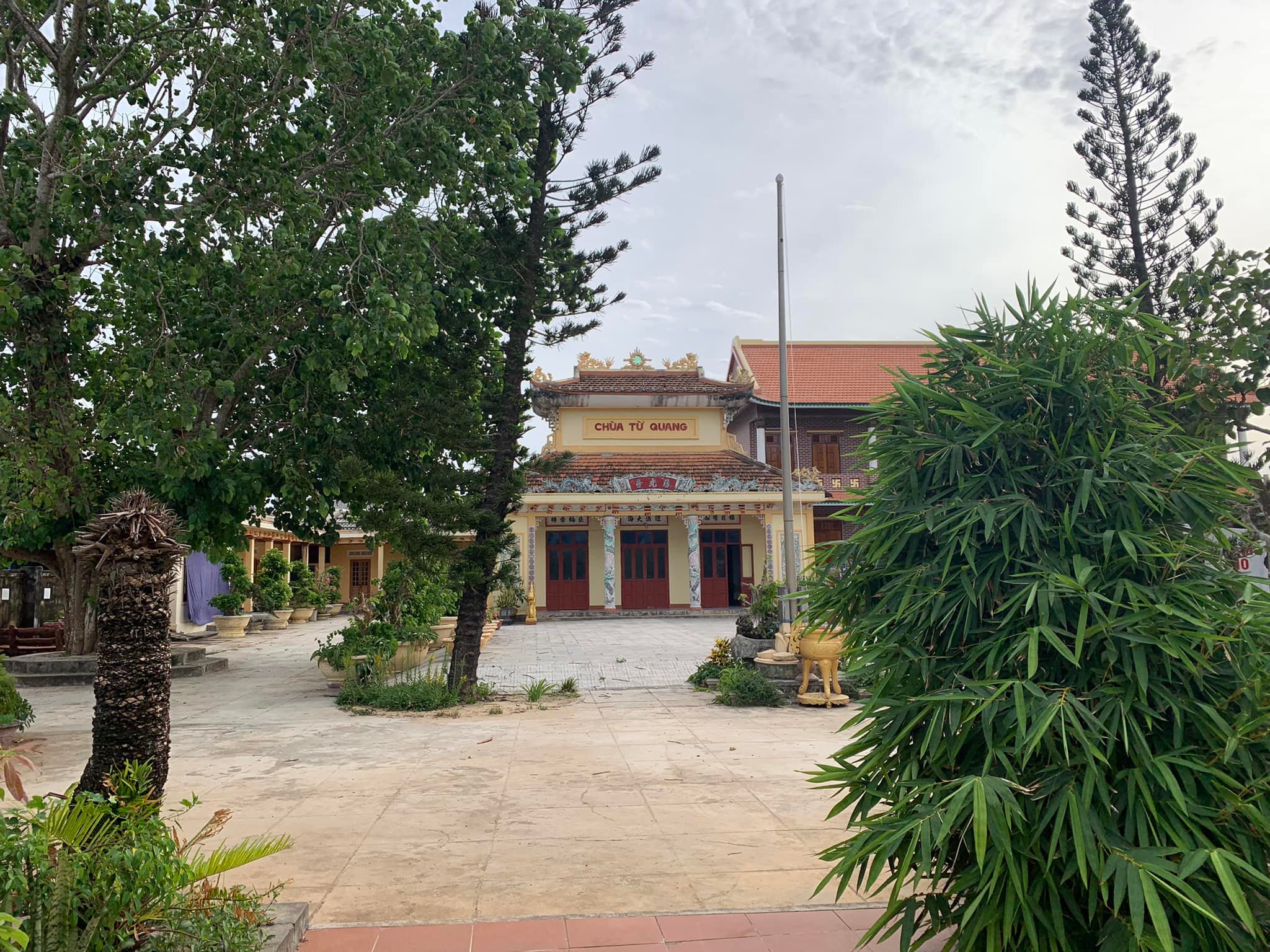
Chùa Từ Quang is one of the island’s long-established temples, closely tied to the spiritual life of coastal residents. Modest and serene in character, the pagoda is a familiar place for locals to pray for safety and calm seas before heading offshore, while also offering visitors a quiet retreat amid the island landscape.
Tịnh xá Ngọc Đức
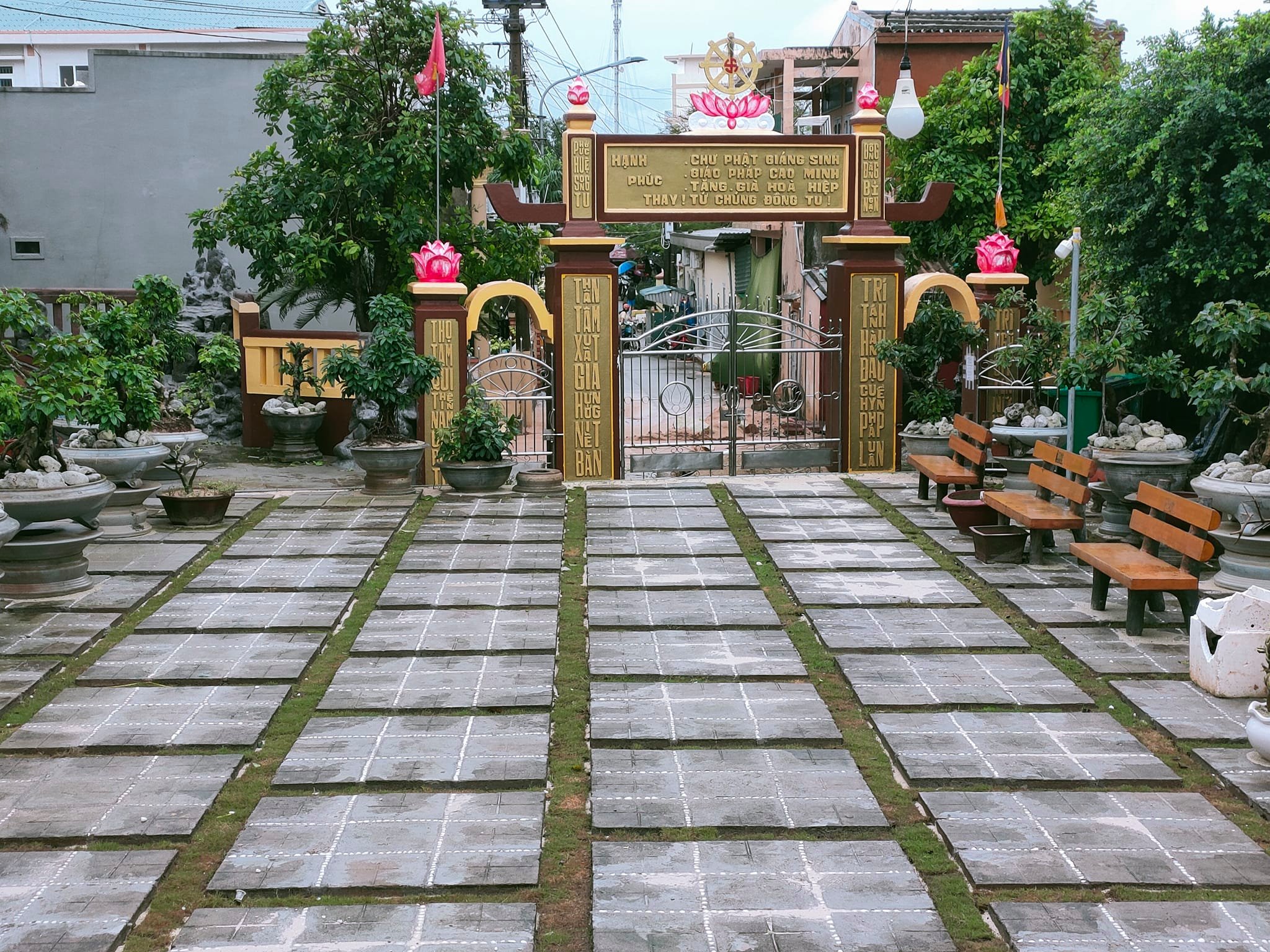
Established in 1972, Ngọc Đức Monastery belongs to the Vietnamese Khất Sĩ (Mendicant) Buddhist tradition. Despite multiple renovations, it retains a simple and tranquil spirit. For decades, the monastery has served as an important spiritual refuge for islanders whose lives depend heavily on the sea and seasonal agriculture.
Together, these temples and spiritual sites form a living cultural landscape of Lý Sơn—reflecting faith, history, and the enduring maritime spirit of the island’s people. For travelers, exploring these places offers a deeper understanding of Lý Sơn beyond its natural beauty, revealing the soul of Vietnam’s iconic island outpost.