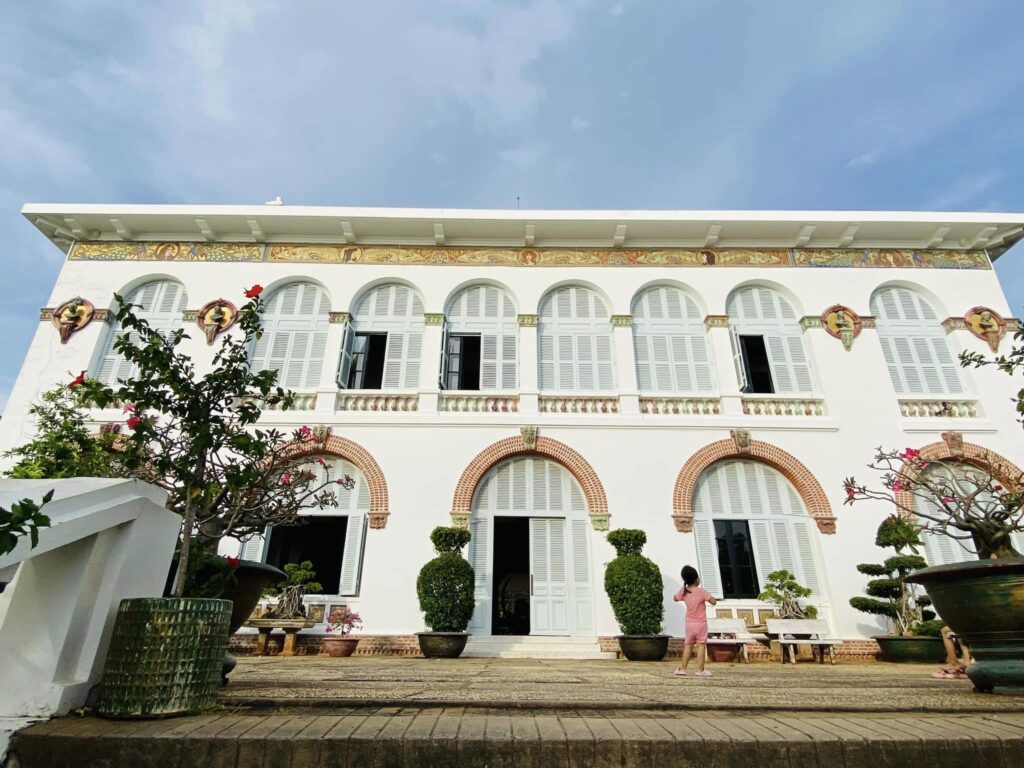
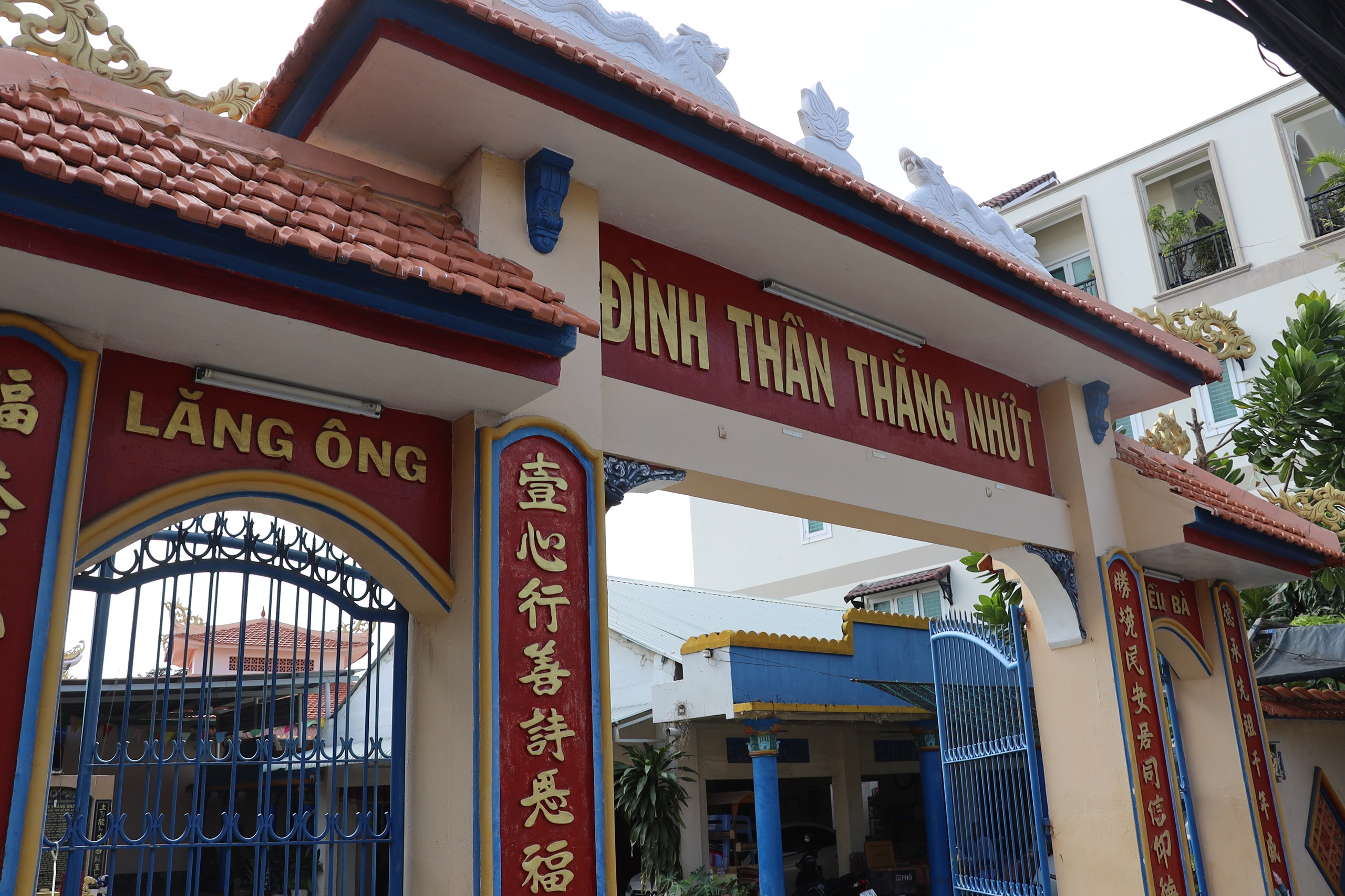
Thang Nhat Village Communal House is one of the most representative ancient communal houses in Vũng Tàu, closely associated with the formation of coastal villages from the early 19th century. Beyond its historical value, the communal house serves as an important spiritual space, preserving the collective memory of the forebears who reclaimed land, safeguarded the sea, and laid the foundations for coastal communities.
Origins Dating Back to the Early 19th Century
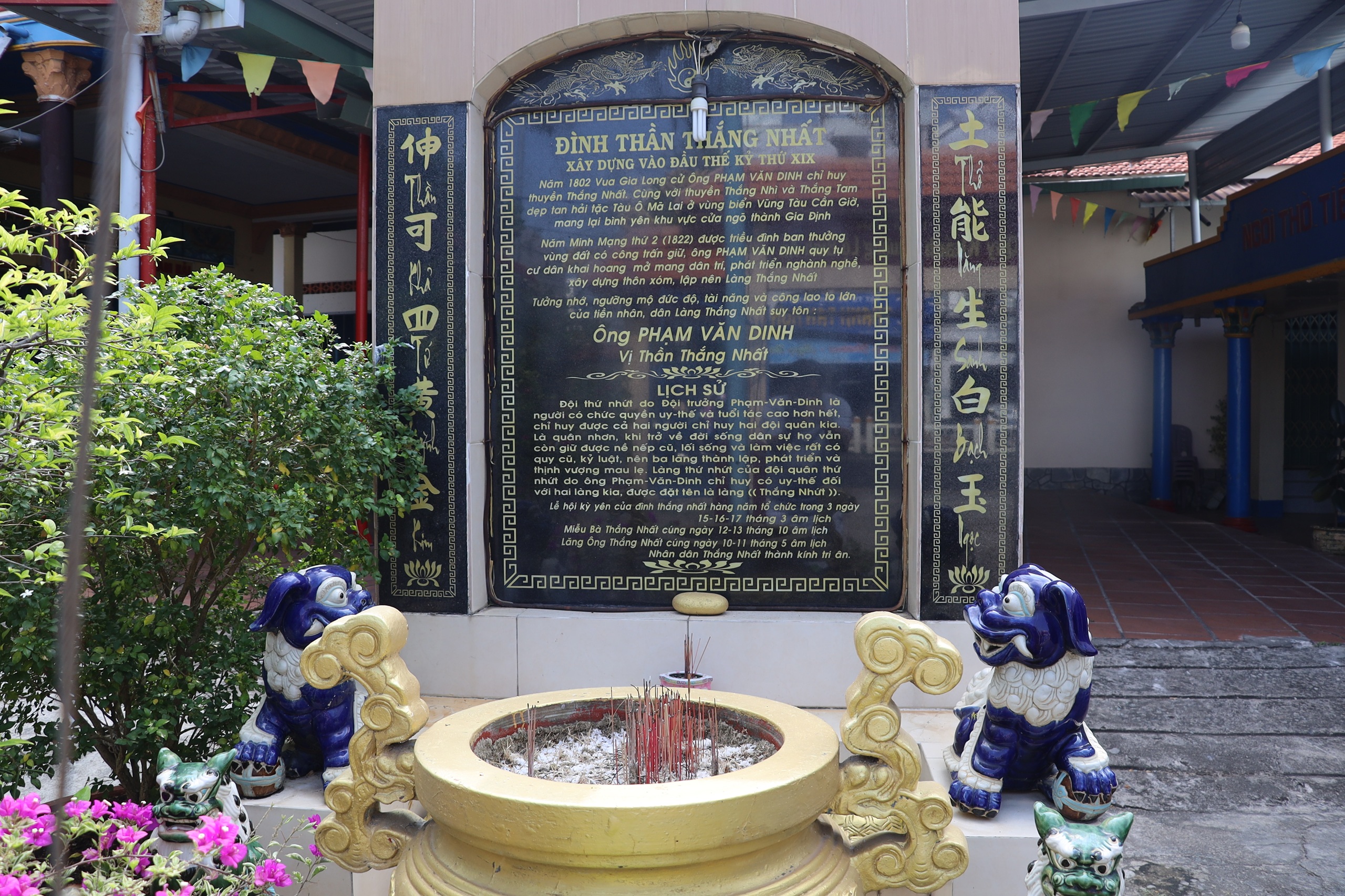
According to stone inscriptions preserved at the site, Thang Nhat Village Communal House was established in the early 19th century. In 1802, King Gia Long appointed Phạm Văn Dinh to command the Thang Nhat vessel, together with the Thang Nhi and Thang Tam vessels, to suppress the Tau O pirates operating in the Vũng Tàu – Cần Giờ waters and restore safety for the fishermen of Gia Định.
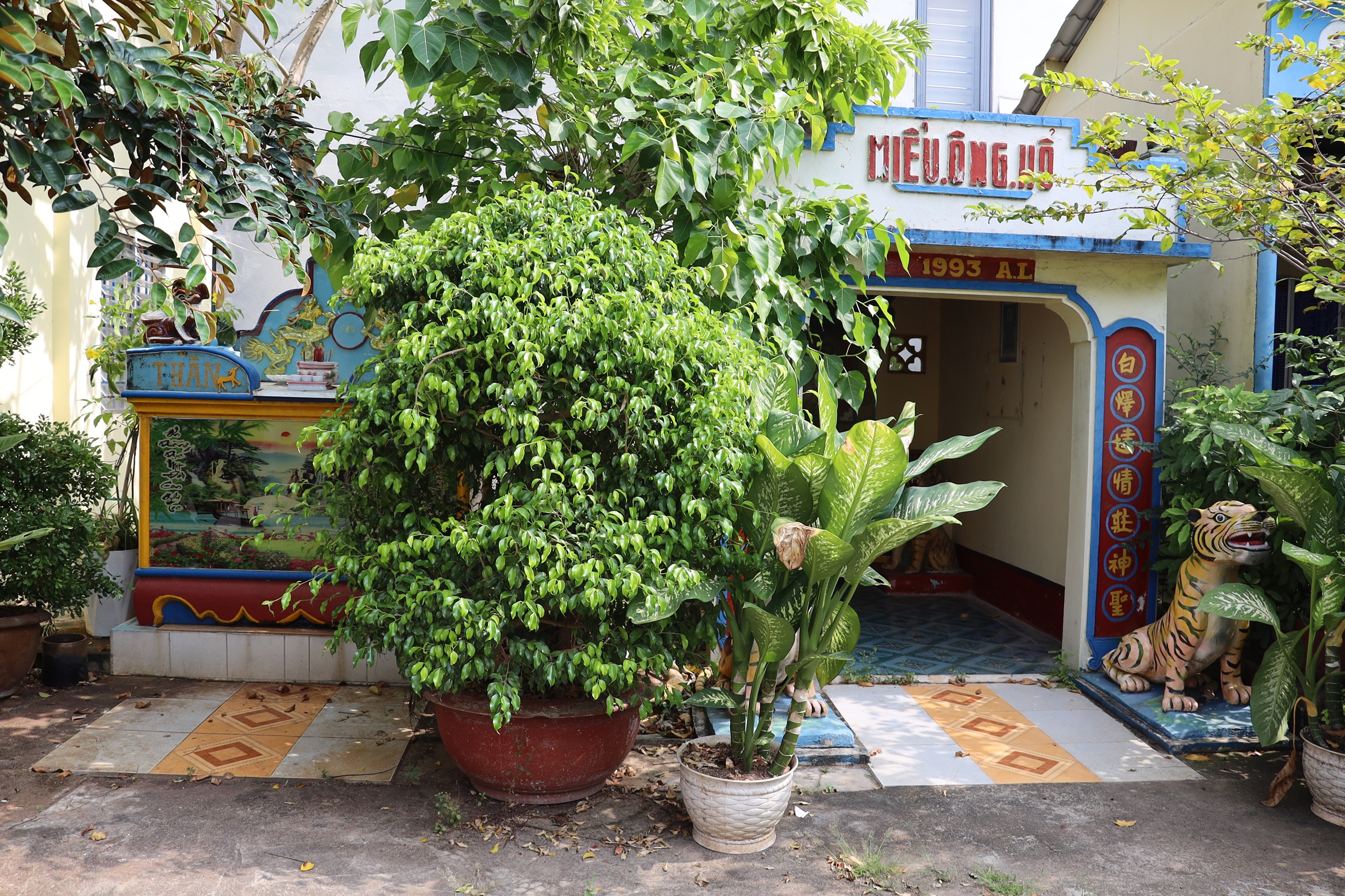
In the second year of Emperor Minh Mạng’s reign (1822), Phạm Văn Dinh was officially rewarded by the royal court for his contributions to coastal defense. He later gathered settlers to reclaim land, expand hamlets, develop fishing activities, and establish Thang Nhat Village, one of the oldest villages in present-day Vũng Tàu.
Phạm Văn Dinh – The Deified Guardian of Thang Nhat
For his significant contributions to protecting the sea and building the local community, Phạm Văn Dinh was revered by villagers as the Guardian Deity of Thang Nhat. Thang Nhat Village Communal House was founded to honor his virtue, leadership, and discipline—recognizing him as both a respected military commander and a moral exemplar in civil life.
The stone stele solemnly enshrined within the communal house not only records historical events but also stands as a testament to the tradition of gratitude and remembrance cherished by generations of coastal residents.
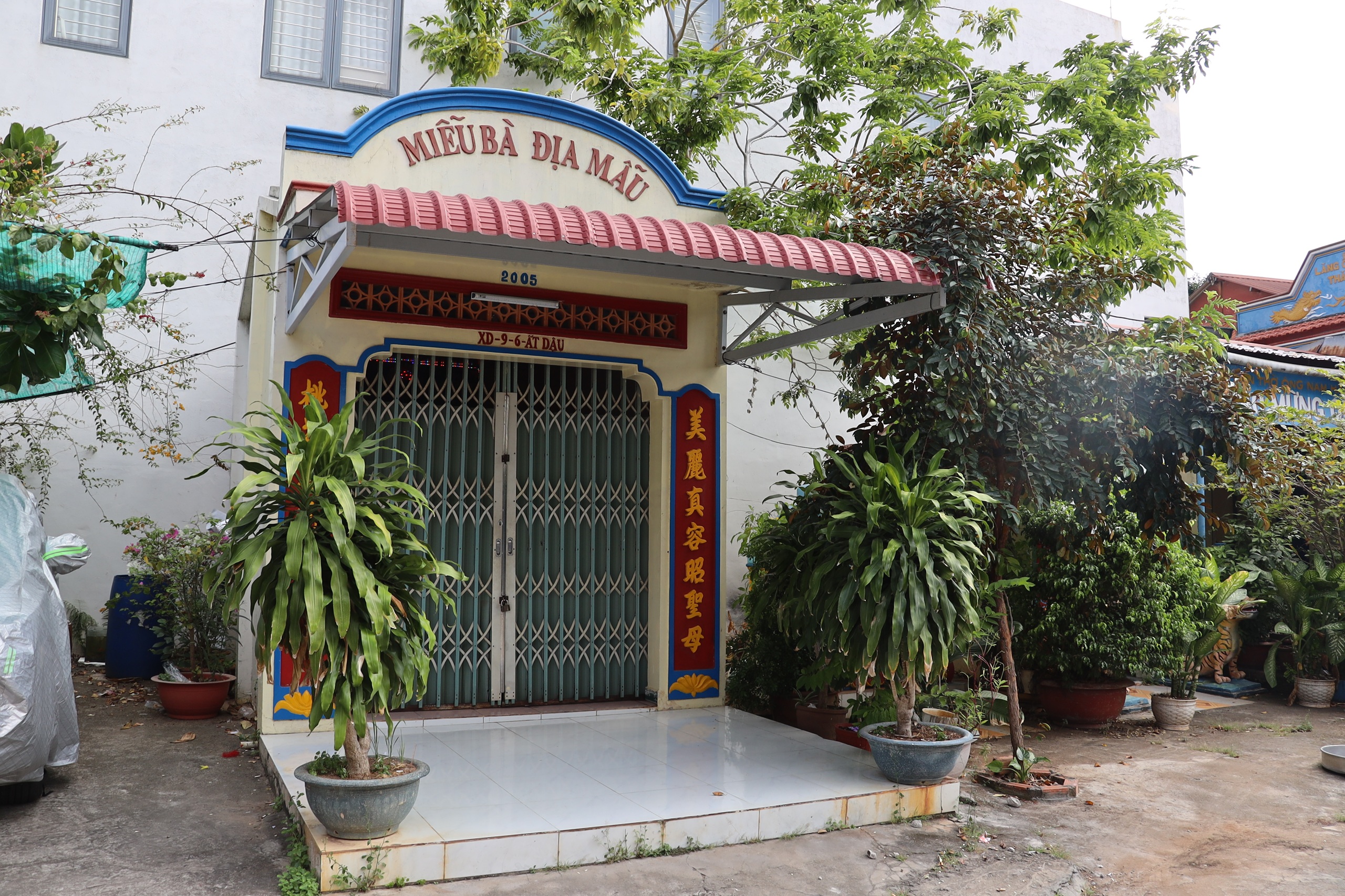
Thang Nhat Village Through Historical Accounts
In the late 19th century, French scholarly works described the economic life of Thang Nhat villagers as modest and closely tied to nature. Residents cultivated small plots of rice around marshy lowlands, relied mainly on fishing, and supplemented their livelihoods by growing sweet potatoes and beans on poor soils. They also collected shellfish and oysters along the rocky shoreline. Notably, Thang Nhat possessed approximately eight hectares of salt fields, exploited from 1899 onward.
Prior to 1975, Thang Nhat comprised several hamlets, including Phương Hoa, Thủy Giang, Xâm Bồ, Nam Đồng, and Cư Hiệp. Local livelihoods centered on orchard farming—growing longan and custard apples—alongside fishing, charcoal and lime kilns, and carpentry for household furnishings. Rạch Dừa Wharf became a bustling port, serving passenger routes between Vũng Tàu and Sài Gòn and emerging as one of southern Vietnam’s major ports of the time.
Historically, the defining characteristic of Thang Nhat Village was its port-based economy. Located along the Rạch Dừa River flowing into Ghềnh Rái Bay, the area was well positioned to develop a maritime and fishing port system. Historian Huỳnh Minh later noted that after 1954, Thang Nhat underwent profound transformation as migrant communities settled densely along Route 17 (now 30/4 Street), forming lively streets, markets, eateries, and a bustling urban atmosphere.
Traditional Festivals at Thang Nhat Village Communal House
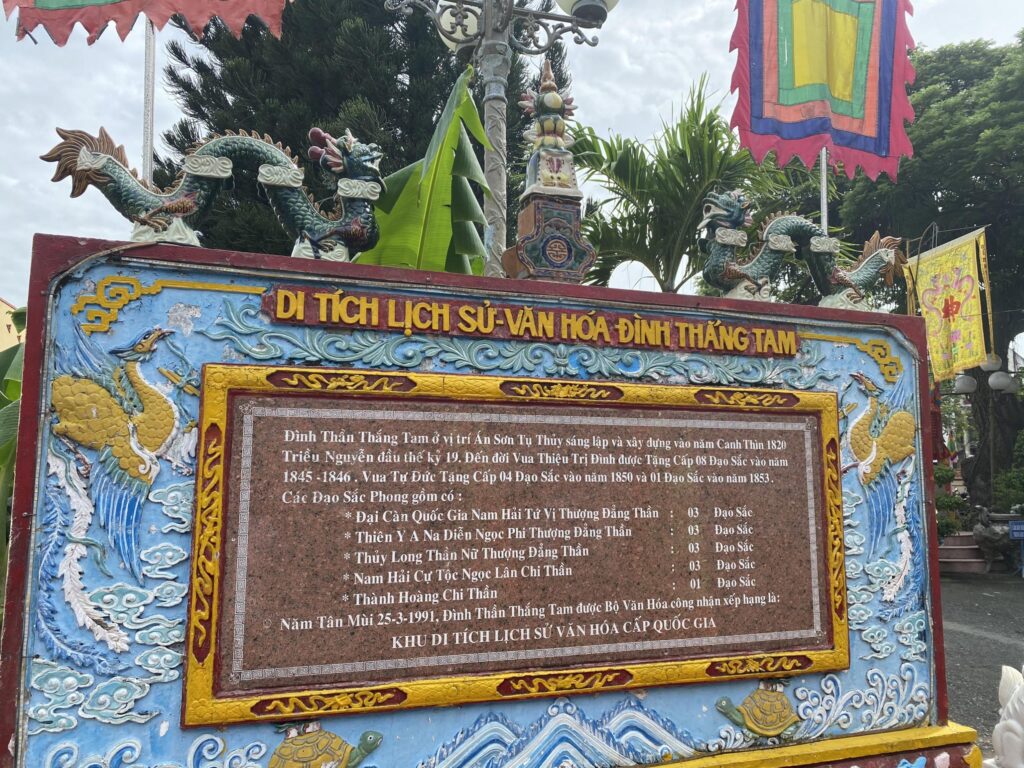
Today, Thang Nhat Village Communal House retains a solemn and tranquil ambiance. In front of the stone stele stands a large incense burner, constantly alight, flanked by blue-glazed symbolic creatures that embody the dignified spirit of Southern Vietnamese communal-house architecture.
The site remains a regular place of worship for local residents, who come to pray for peace, favorable weather, calm seas, and abundant fish catches—aspirations deeply rooted in coastal life.
Each year, the communal house hosts several important traditional ceremonies:
- Ky Yen Festival of Thang Nhat Village: held over three days on the 15th–17th of the third lunar month
- Lady Goddess Shrine Festival (Mieu Ba Thang Nhat): on the 12th–13th of the tenth lunar month
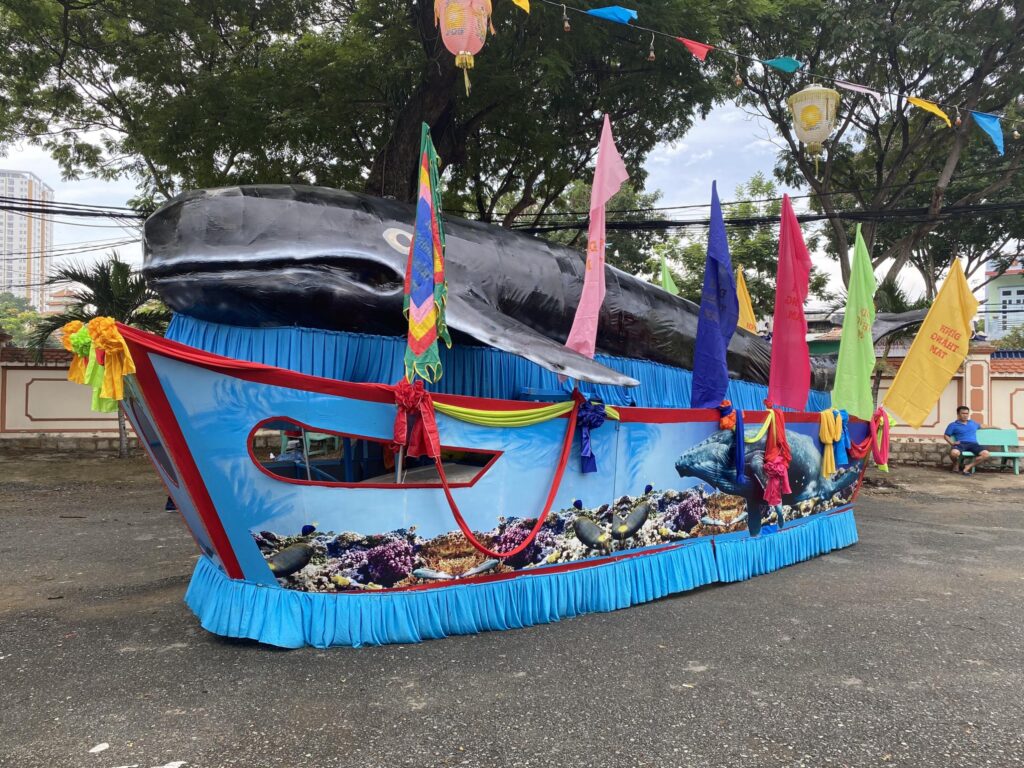
- Whale Temple Festival (Lang Ong Thang Nhat): on the 10th–11th of the fifth lunar month
These festivals are not only spiritual observances but also vital occasions for community gathering, cultural preservation, and the strengthening of local identity.
A Cultural Stop When Exploring Vũng Tàu
Amid the modern rhythm of the seaside city, Thang Nhat Village Communal House is an ideal cultural stop for visitors wishing to explore the origins of Vũng Tàu, the spiritual life of coastal residents, and stories associated with Southern Vietnam’s land-reclamation era.
More than a historical and cultural monument, the communal house offers a quiet, reflective space—helping visitors gain deeper insight into the roots, resilience, and spirit of the land of Vũng Tàu.