


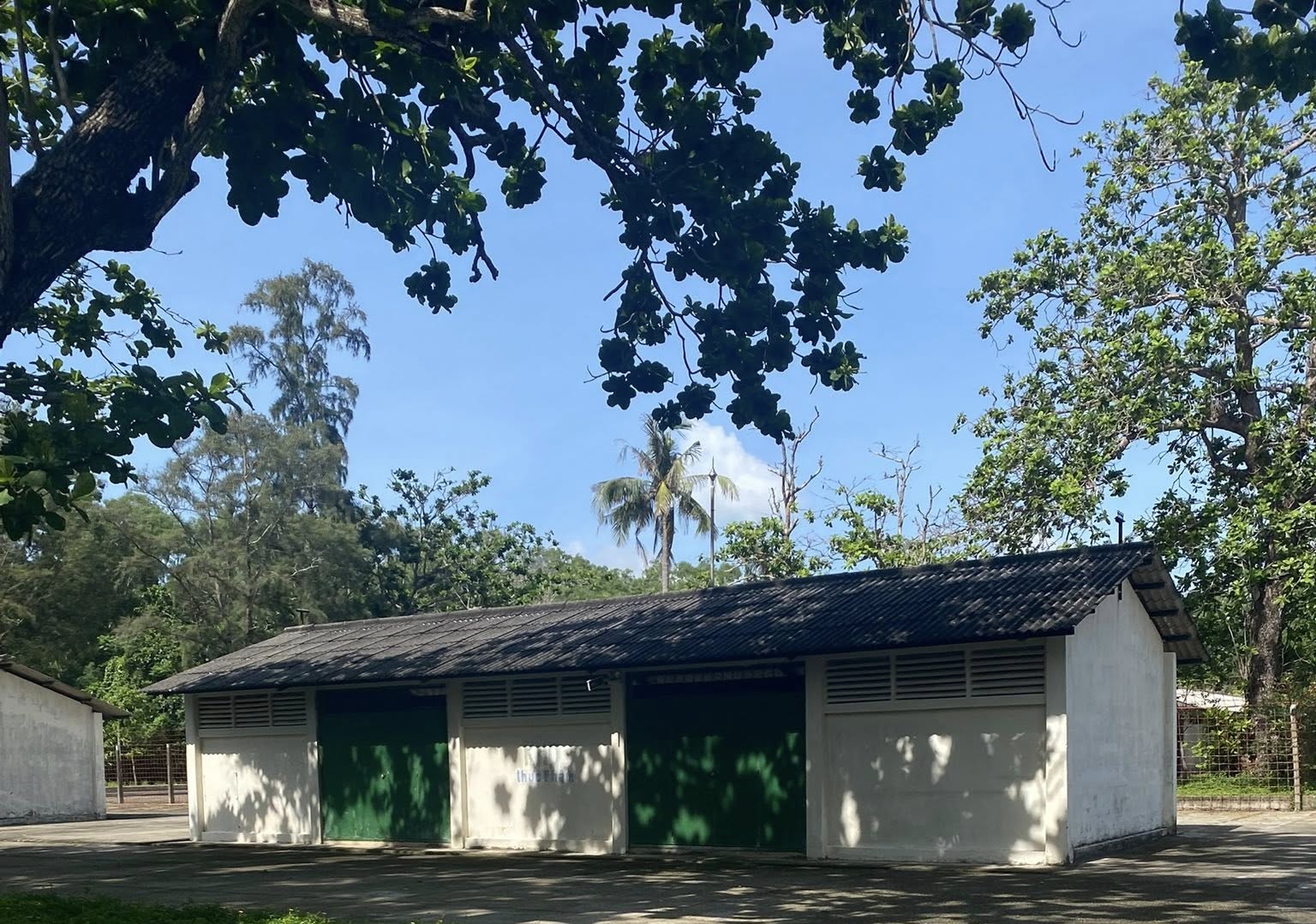
The “American-Style Tiger Cages,” originally known as Camp VII and later renamed Phu Binh Prison Camp, was one of the most brutal detention facilities within the Côn Đảo prison system. Designed by American specialists and built by the RMK construction firm, the camp spans over 25,700 m² and consists of four sections—AB, CD, EF, and GH. Each section has two rows, and each row contains 48 isolated cells, totaling 384 cells.
From the outside, the compound was camouflaged to resemble ordinary kitchens and storage buildings, surrounded by simple barbed wire fences. Yet behind this deceptive appearance lay a true hell on earth, where thousands of prisoners were confined and tortured in unimaginable ways.
A Harsh Architectural System – A “Very American” Method of Torture
Unlike the French-style Tiger Cages, which had an upper walkway for guards to monitor prisoners from above, the American-style cages were built with low fibro-cement roofing, trapping heat during the day and turning icy and damp at night.
Each cell, barely 5 m², had no beds. Between eight and ten prisoners were forced to lie crowded together on the cold, wet cement floor. A single wooden bucket served as a toilet. Whenever prisoners protested, guards punished them by refusing to empty the bucket—sometimes for three days, a week, or even longer.
Waste overflowed onto the floor and onto the prisoners themselves. Under the scorching midday heat, foul odors mixed with rising steam to create suffocating conditions. During inspections, guards would slam the iron doors shut with full force—echoing through all 48 cells of each row, repeating 384 times like a hammer striking the chest, both a method of torment and a haunting psychological weapon.
No whips were needed. The architecture itself became a tool of torture—a calculated, “very American” system designed to break both body and spirit.
The Flame of Uprising Born from Hell on Earth
Phu Binh Camp was not only a symbol of cruelty—it was also the birthplace of a remarkable uprising. At dawn on May 1, 1975, upon learning that President Dương Văn Minh had declared surrender, prisoners in the GH section seized the opportunity and revolted, taking control of the prison.
From a place once defined by confinement and suffering, the prisoners rose to seize authority over all of Côn Đảo within hours, establishing the Provisional Island Committee right inside Camp VII. This heroic event marked the end of 113 years of the “Hell on Earth” (1862–1975).
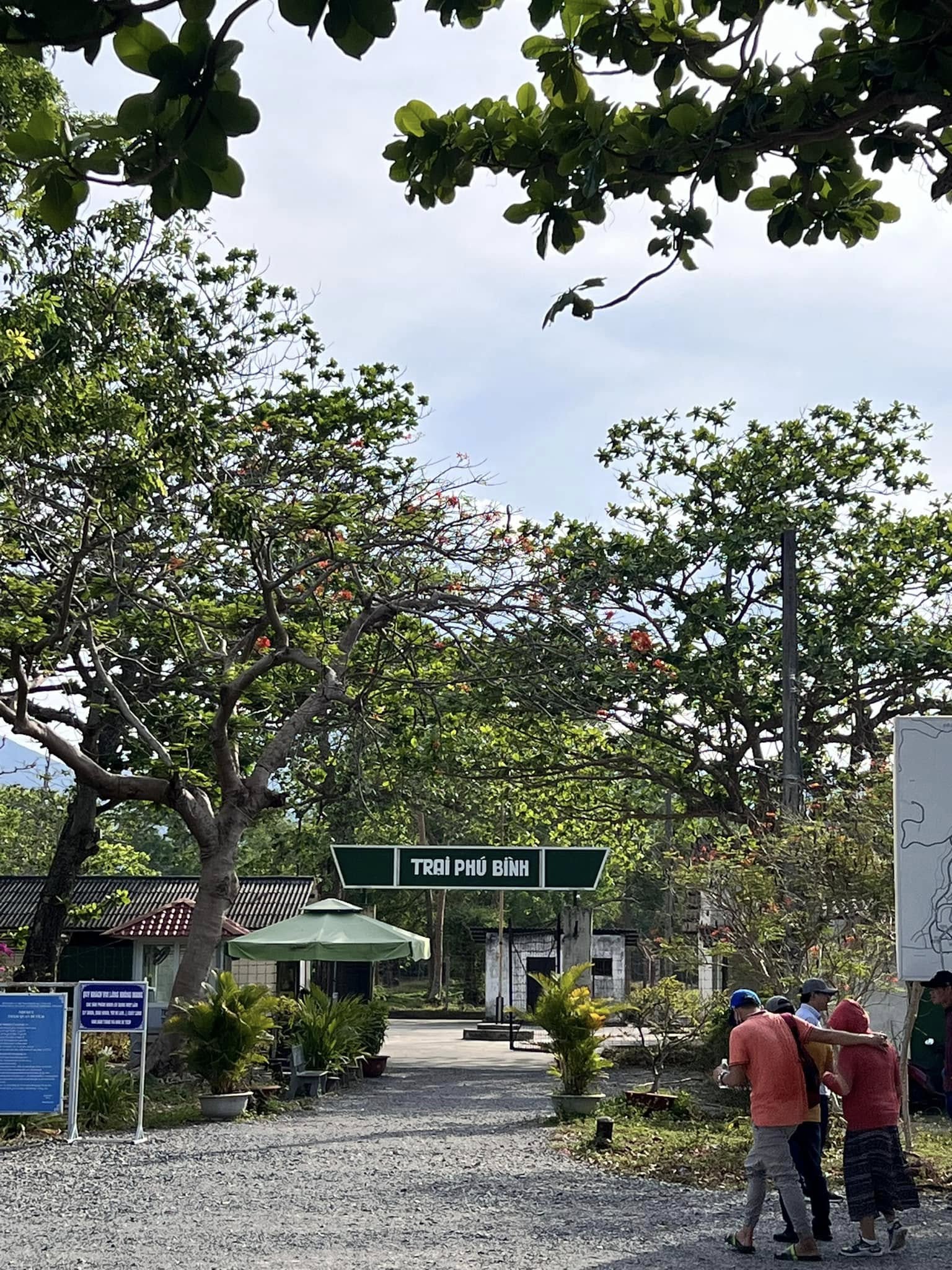
A National Special Historic Site
Recognizing its profound historical significance, on April 29, 1979, Vietnam’s Ministry of Culture and Information issued Decision No. 54-VHQĐ, officially designating Phu Binh Prison Camp as a site of exceptional national importance.
Later, on May 10, 2012, the Prime Minister issued Decision No. 548/QĐ-TTg, classifying Phu Binh Camp as a National Special Historic Site.
A Place of Memory and Gratitude Today
Today, visitors to Côn Đảo can explore the American-Style Tiger Cages – Phu Binh Prison Camp to witness firsthand the harsh conditions endured by revolutionary prisoners and the unbreakable will that rose from within these walls.
Every brick, every rusted iron bar here tells a story—of courage, resilience, and an unwavering desire for freedom. It reminds us that the peace and beauty of Côn Đảo today were paid for with the blood, sweat, and tears of those who came before.



)