In 1970, under mounting pressure from public opinion, the U.S.–Saigon authorities were forced to dismantle the French Tiger Cages. However, shortly thereafter (1971), they constructed a new, isolated Tiger Cage complex—larger in scale and even more brutal.
After visiting the French Tiger Cages, our next stop was Phú Bình Camp (also known as Camp VI, or the American Tiger Cages). The camp is located near Lò Vôi Cape, accessible from either Nguyễn Chí Thanh or Lê Văn Việt streets. Phú Bình Camp covers a total area of 25,768 m², constructed between 1971 and 1973 to detain defiant political prisoners transferred from the French Tiger Cages, the Cow Cages, and other camps. According to historical records, construction costs reached USD 400,000; both the designers and contractors were Americans—hence the prisoners’ name, the American Tiger Cages.
Unlike the French-built prisons—enclosed by high stone walls, watchtowers, and sturdy stone cells about four meters high with tiled roofs—Phú Bình Camp featured a markedly different design. Its gates and fences were made of square-patterned barbed wire, giving an outward impression of openness, with visible dirt yards, stone-paved paths, dining halls, kitchens, infirmary, and storage buildings. Yet its cruelty far exceeded that of the French Tiger Cages. Instead of shackles and overt physical torture, political prisoners here were subjected to systematic physical and psychological torment through insidious architectural and environmental means.
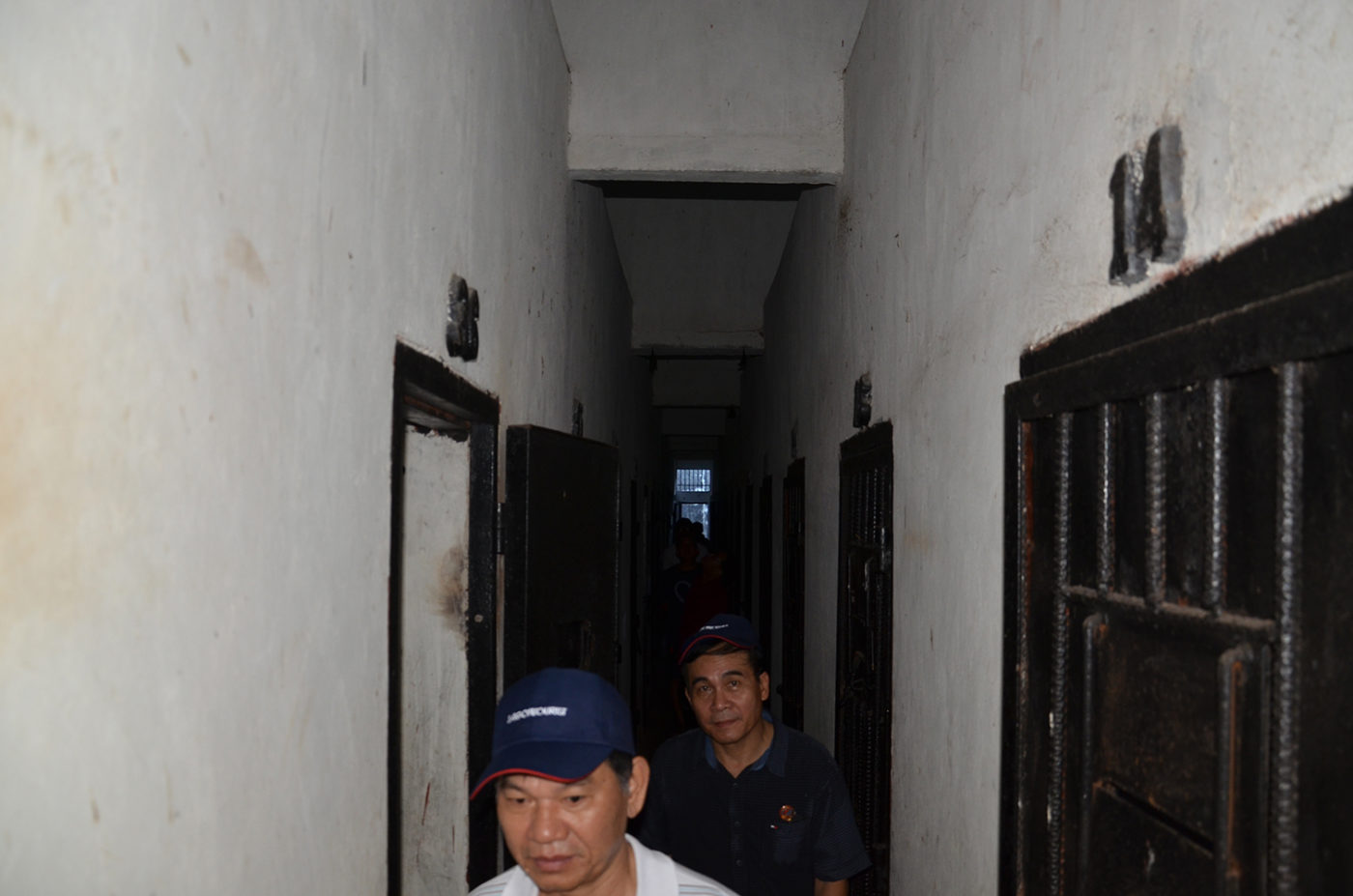
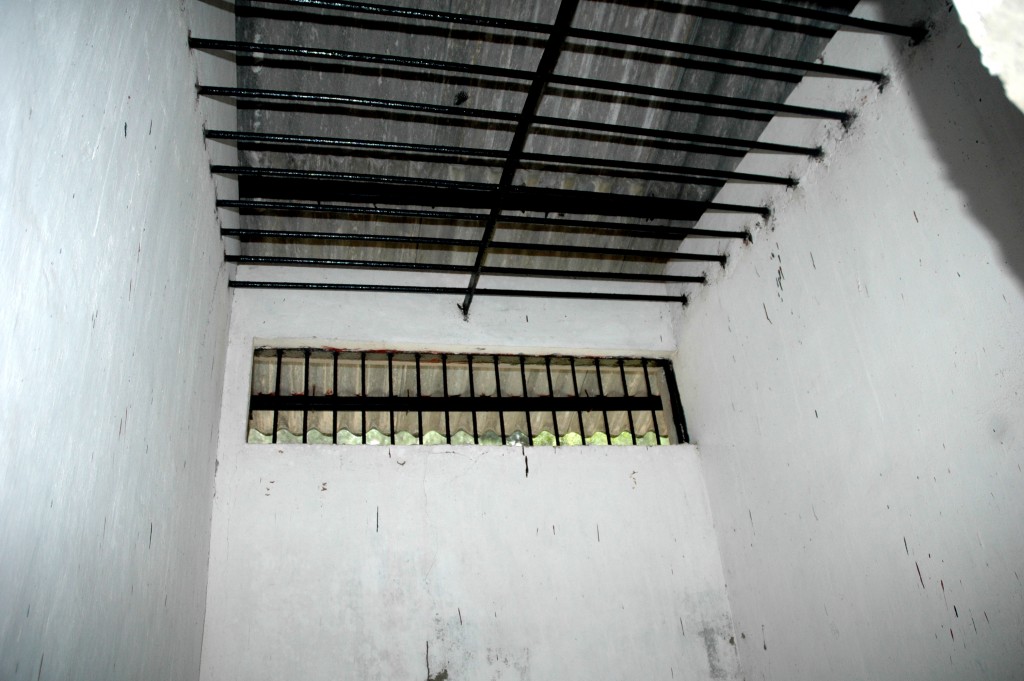
The detention area lay deep inside the camp, divided into eight sections (AB, CD, EF, GH) with a total of 384 solitary cells. From the main gate to each cell, one had to pass through five to seven iron doors. In each section, two opposing rows of 48 cells faced each other across a narrow, dark corridor. The authorities exploited harsh natural conditions as a weapon. Low fibrocement roofs lacked ceilings; instead, large iron bars were welded together and embedded into the walls—similar to the French Tiger Cages but with even smaller cells. By day, the low metal roofs absorbed blistering heat; from midnight to morning, they cooled rapidly. Prisoners endured suffocating heat by day and lay on cold ground at night, dampness rising from the earth—causing bone pain, illness, and a slow, wasting death.
One of the most insidious methods of torture was sound. Each cell door had a small sliding inspection hatch. Guards would yank it open to peer inside, then slam it shut violently. The deafening clang reverberated as 48 doors per row, across eight rows, were slammed in succession—384 thunderous impacts pounding prisoners’ ears and chests. Without a single blow, this architecture alone crushed bodies and minds.
Yet such cruelty could not break the prisoners’ indomitable spirit. The American Tiger Cages became a center of resistance for Côn Đảo’s political prisoners during this period. Prison reports from 1973–1974 record numerous collective actions: mass shouts and protests demanding adequate food and medicine, insisting on respect for the Paris Peace Accords, and calling for the immediate release of remaining political detainees.
This camp also became the starting point and command center for the uprising that liberated Côn Đảo in the spring of 1975. With assistance from Phạm Gia Thụy and several soldiers, civil servants, and guards, the camp’s leadership seized the moment to liberate the island at 1:00 a.m. on May 1, 1975. A provisional Party Committee of seven members was formed, led by Trịnh Văn Tư (alias Tư Cẩn) as Secretary. Armed units were organized immediately to seize military posts and the police department and to free all camps.
By 8:00 a.m. on May 1, 1975, 7,448 prisoners—including 4,234 political prisoners—from eight main camps and numerous satellite camps were freed. Political prisoners took full control of Côn Đảo, established a revolutionary administration, and organized defensive forces to secure the island.