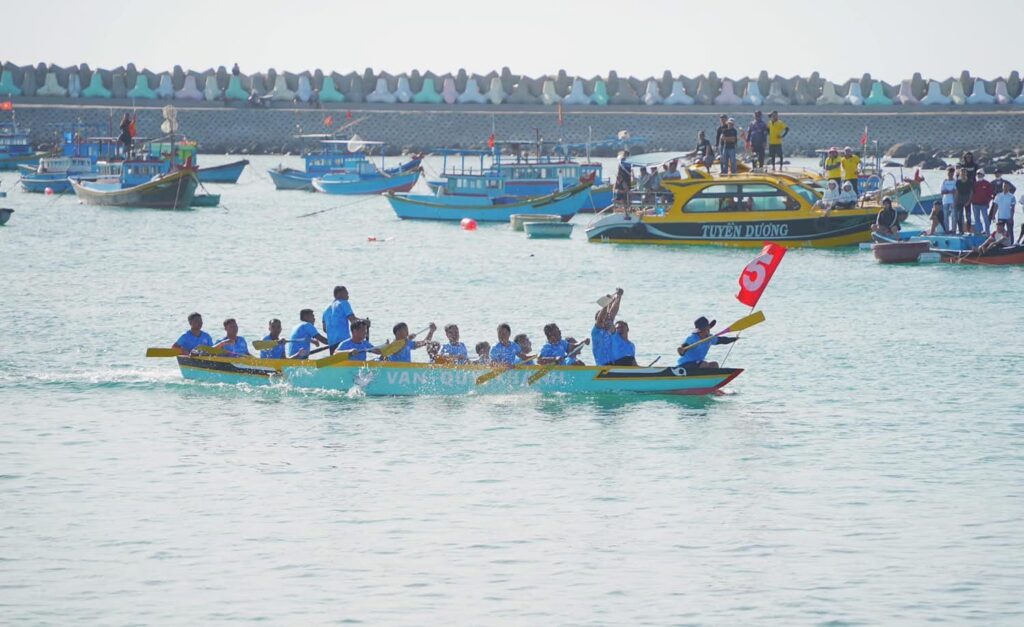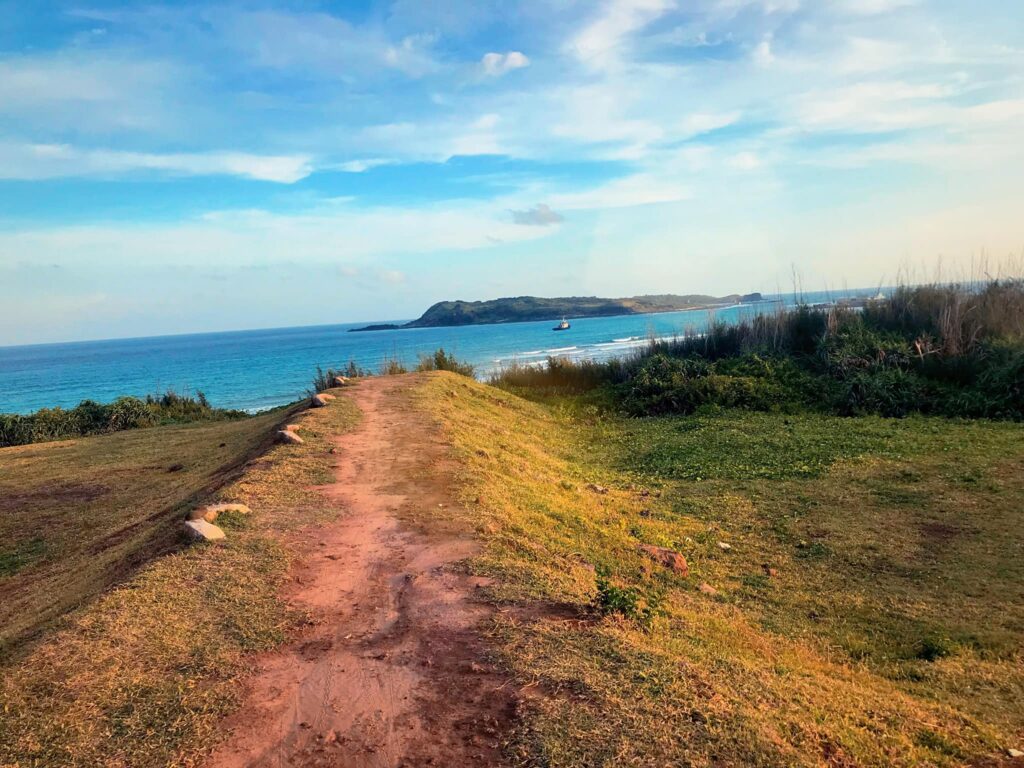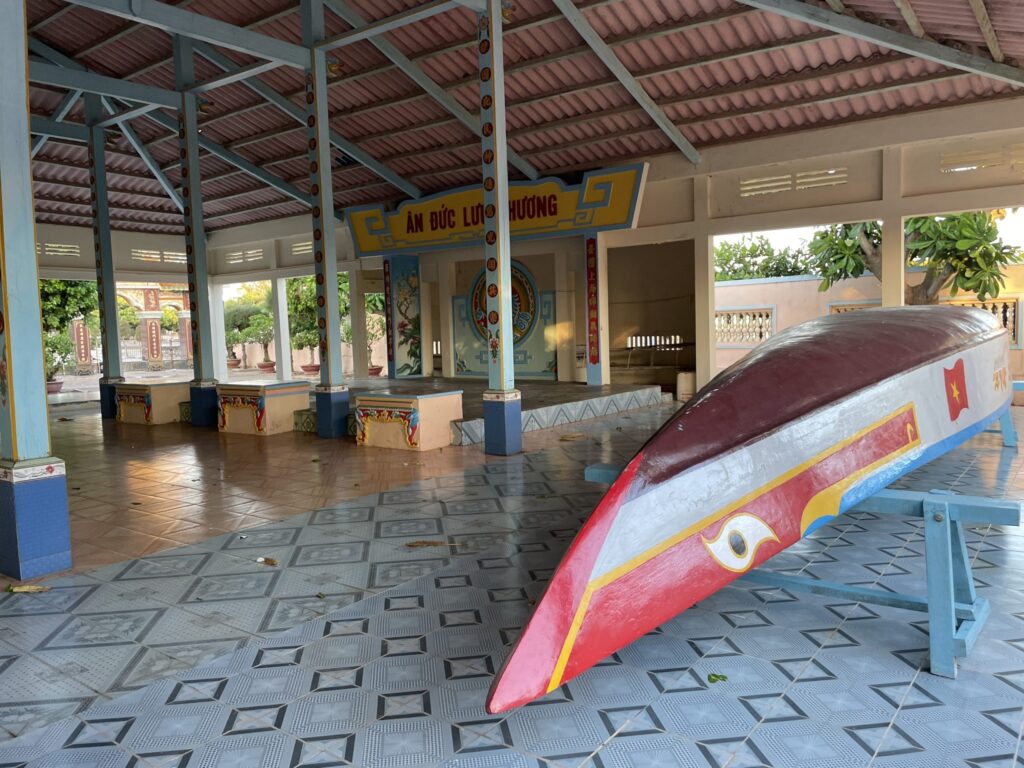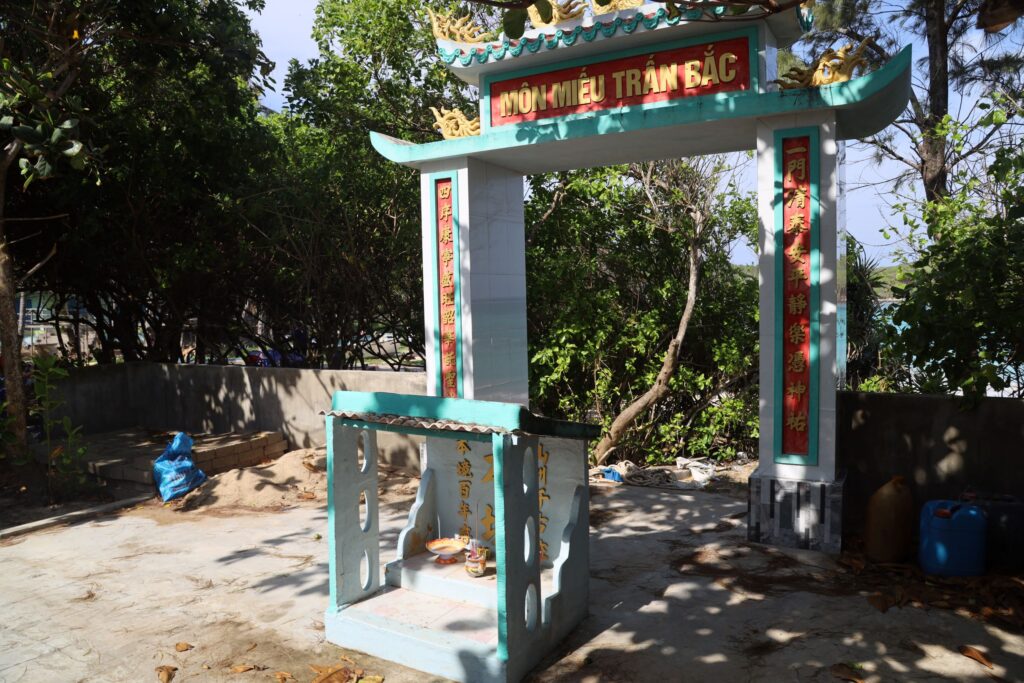
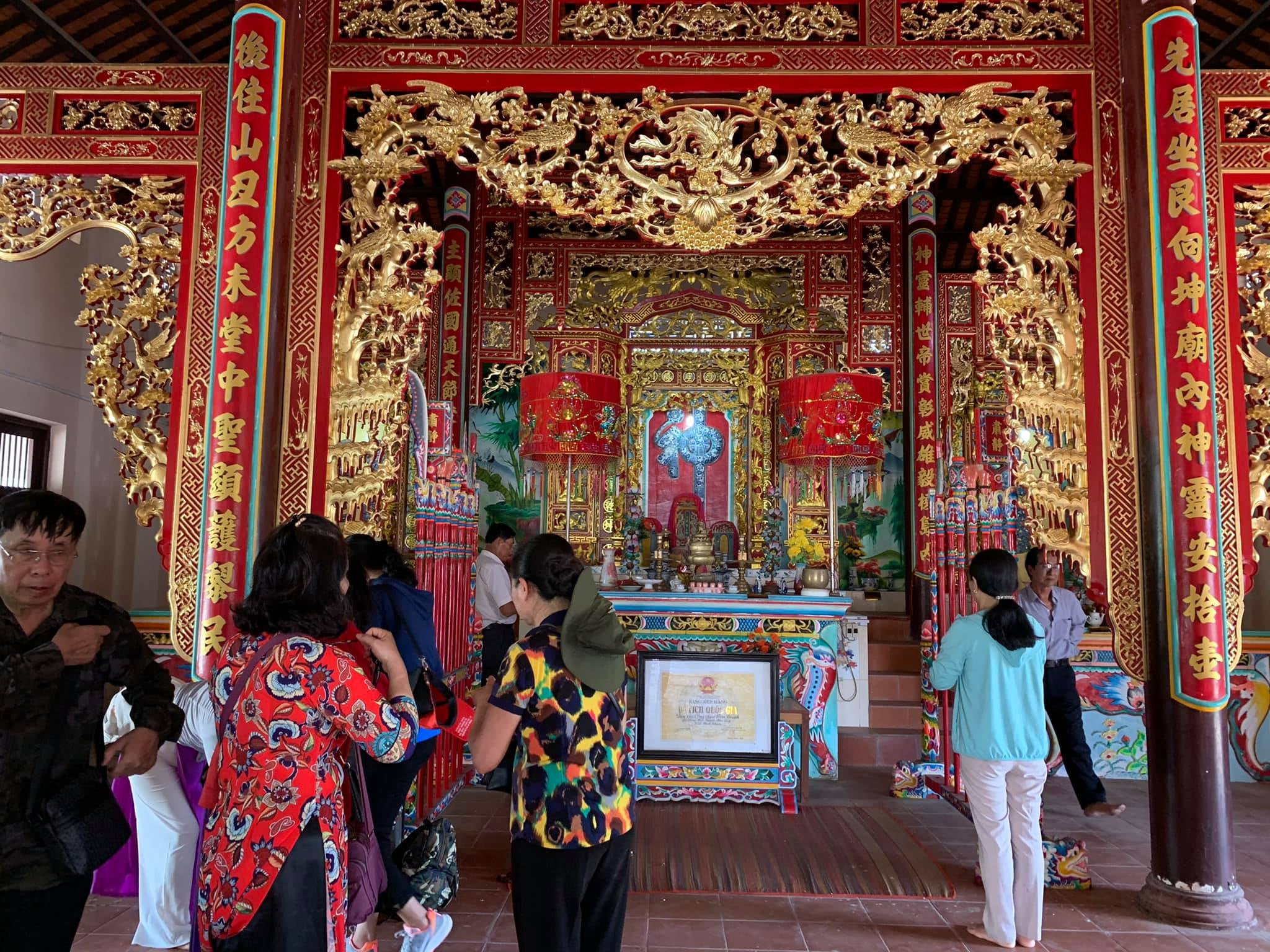
Throughout history, Phu Quy Island was under Cham ownership for many centuries until the late 17th century. This long period of Cham presence explains why the earliest cultural layers of the island are unmistakably Cham in origin.
Understanding the rise and decline of the Champa Kingdom—and the culture of the Cham people—provides valuable insight into the historical and cultural identity of Phu Quy.
Cham Origins of Phu Quy
The island’s earliest known name, Koh Rong, is of Cham origin. When Vietnamese communities later settled here, they adopted and Vietnamese-ized the name into Co Long.
Historically, Phu Quy belonged to Panduranga, the southernmost region of the Champa Kingdom, whose territory stretched along today’s central coast of Vietnam from Quang Binh to Binh Thuan, including most offshore islands in the East Sea. Champa existed from around the 7th century until 1832 and developed a refined civilization influenced by Indian and Khmer cultures. In 1832, under Emperor Minh Mang, the entire kingdom was formally annexed into Vietnam.
Cham Legends on the Island
Elders on Phu Quy still recall the legend of Cham Vung, a mythical creature resembling a red-headed gecko whose venomous saliva was believed to kill instantly. This spirit was said to guard Cham sacred lands, punishing anyone who trespassed. Though younger generations no longer know this story, it reflects the island’s Cham spiritual heritage.
Another enduring tale is that of Princess Ban Tranh—a Cham princess believed to have been exiled to Phu Quy. While oral tradition does not specify a dynasty, historical records point to King Po Saut (also known in Han-Viet as Ba Tranh), who ruled Panduranga from 1659–1692. Po Saut rebelled against the Nguyen Lords in 1692, was defeated, and lost his throne. Later in 1695, general Nguyen Huu Canh subdued Po Saut’s brother, Po Saktiray Da Patih, after which Panduranga became Thuận Thành Trấn under Nguyen administration. These details suggest that the “Princess Ban Tranh” in Vietnamese oral history may be connected to the lineage of Po Saut, though the timeline still invites scholarly research.
Cham Deities and Religious Influence
A central figure in Cham spirituality is the goddess Poh Yang Inư Nagar (Po Ina Nagar), considered the Mother of the Land. Her principal temple—today known as the Cham Ponagar Tower—still stands in Nha Trang. Scholars identify her as a localized form of the Hindu goddess Parvati, consort of Shiva. As the Cham religion absorbed Indian and local influences, Parvati transformed into Po Inư Nagar, and later, through cultural syncretism, became known to Vietnamese worshippers as Bà Chúa Ngọc. The worship of Bà Chúa Ngọc on Phu Quy illustrates centuries of cultural exchange between Cham and Vietnamese communities in the central coastal region.
The Cham also worshipped Po Riyak, the God of the Sea, who—according to legend—was swallowed by a fish and later manifested as a spirit saving sailors from danger. This belief closely parallels the Vietnamese cult of Cá Ông (the Whale God), or Thần Nam Hải, widely worshipped in coastal communities. Many scholars argue that the Vietnamese whale cult originates from Cham spiritual traditions, particularly from Ninh Thuan, Binh Thuan, and Phu Quy.
Cham Cultural Traces on Phu Quy
Although the Cham no longer live on the island today, their cultural imprint remains through:
- The Temple of Princess Ban Tranh (Bà Chúa)
- Ancient Cham burial sites
- Several Cham wells in Long Hai
- Oral traditions about the spiritual presence of Princess Ban Tranh
In recent years, improved transportation has enabled Cham communities from Ninh Thuan and Binh Thuan to travel to Phu Quy during annual festivals to perform rituals according to their traditional customs. Since 2015, Cham delegations frequently attend ceremonies related to Princess Ban Tranh, and local Vietnamese worship committees warmly welcome their participation.
Cham Lifestyle and Skills
Traditionally, the Cham were skilled agriculturalists and masters of small-scale irrigation. Religiously, they practiced polytheism and totemism, attributing sacredness to natural objects and ancestral heroes. Their homes were typically surrounded by low stone walls—stone being considered a spiritually potent material—and they avoided planting trees close to their houses, believing spirits could dwell inside.
They also excelled in traditional crafts, especially weaving and pottery.
Cham Contributions to Early Vietnamese Settlers
As the earliest inhabitants of Phu Quy—and the first to leave—the Cham bequeathed a rich cultural and material legacy to Vietnamese migrants from the central coast. Early settlers, facing harsh conditions on a barren island where “even the birds cried and the fish trembled,” quickly learned from Cham techniques:
- Stone walls to shield homes from wind and sand
- Woven carrying baskets (gùi) for climbing hills and transporting goods
- Rye-field cultivation methods to survive drought and poor soil
- Cotton weaving to make durable cloth (Vải Bạch Bố)
- Efficient planting of beans, corn, and sweet potatoes
Hardworking and adaptable, Vietnamese settlers selectively adopted Cham knowledge—preserving what was practical and integrating it into their lives.