When speaking of Con Dao Prison, one inevitably recalls the atrocities committed by colonial and imperial forces over 113 relentless years. It is a story written in the bones and blood of the Vietnamese people—one that awakened the conscience of progressive humanity around the world, especially after the birth of the Communist Party and during the anti-American resistance war.
The struggle in Con Dao was not just the victory of the prisoners—it was the pride of the entire nation. Understanding Con Dao is essential for future generations, so they may comprehend the price of independence and the enduring spirit of resistance.
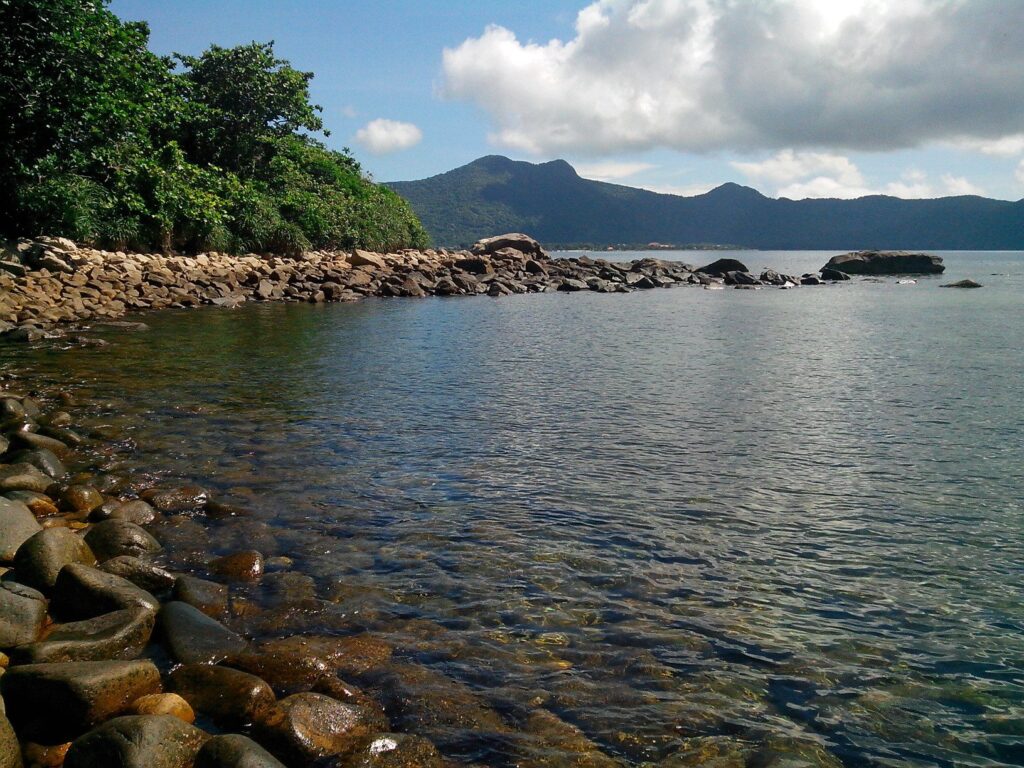
Known variously as Con Lon, Con Dao, or Con Son, this archipelago stands off the southeastern coast of Vietnam. From 1862 to 1975, this beautiful land was transformed into a true “hell on earth”, notorious worldwide—especially after the 1970 discovery of the infamous Tiger Cages. Anyone who sets foot here today—passing through the towering walls, rusted iron gates, damp stone cells—cannot help but feel an overwhelming sorrow and anger.
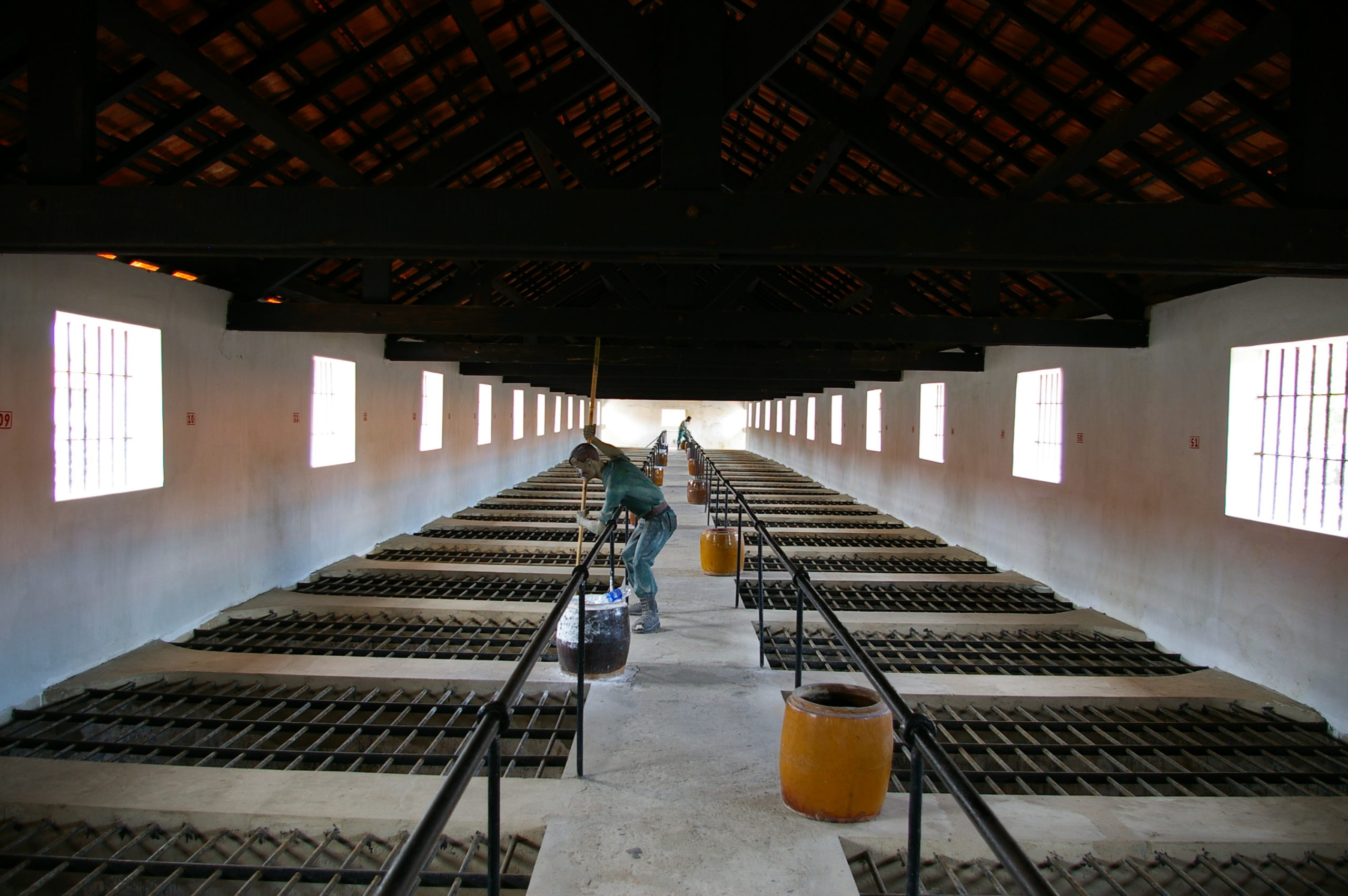
Visitors see shackles piled high, cramped Tiger Cages, Cow Cages, Stone Cells, Rice-Grinding Chambers, and hear the stories of prisoners whose bones were mixed with stone to build Ma Thien Lanh Bridge and Con Dao Pier. Across the mountains, forests, and shores of this island, countless nameless martyrs rest beneath the earth.
The more brutal the enemy, the stronger the spirit of resistance that rose within Vietnamese revolutionaries.
The French carried out blatant extermination. The Americans used psychological warfare, torture, isolation, and “divide and destroy” tactics—diabolical in their cruelty and sophistication. Prisoners were packed into suffocating, airless rooms, denied light and water, forced to live among filth, insects, and disease. Food was rotten; water rationed to a single can per day. Those on the verge of paralysis were deceptively fed polished white rice that hastened their decline—murder without weapons.
In the Tiger Cages, the sick were doused with freezing water through the winter, then denied drinking water in the summer. Medicines, clothes, and even scraps of paper were confiscated. On work gangs cutting stone or hauling timber, prisoners endured beatings, extreme sun, slippery cliffs, and the constant threat of death.
At night, exhausted bodies returned only to face political interrogation, forced denunciations, and psychological torment.
Yet through all of this, the prisoners never broke.
The true fear did not come from the prisoners—it came from the jailers.
The enemy feared the willpower, unity, and ideals of the revolutionaries—both the living and the dead. They even blew up the grave of General Secretary Lê Hồng Phong, terrified of his symbolic power.
Tiger Cage guards—selected for cruelty—were rotated frequently out of fear they might be persuaded or influenced by communist prisoners. Guards, police, and wardens monitored around the clock.
Yet within this hell, a remarkable spirit blossomed.
Prisoners composed poetry, sang folk songs, recited “The Tale of Kieu,” staged plays, and shared stories—despite constant surveillance and harsh punishment. Some were bound and left under the sun simply for telling a nighttime story.
The verses of Phan Chu Trinh, written while he was forced to break stones on the island in 1908, still echo through Con Dao. Countless poems, chants, and epics written in captivity record both the brutality suffered and the unbreakable spirit of the prisoners.
But above all, what endured was solidarity—a profound, selfless brotherhood.
Prisoners shared rice grains, scraps of salt, even a single cigarette passed among dozens. They shielded one another from beatings, took blows meant for their comrades, and saved one another from certain death.
Unity connected political prisoners with ordinary criminals, prisoners inside with supporters outside, the island with the mainland, and even Vietnamese patriots with international movements.
It was this unity—and the righteousness of their cause—that defeated the most powerful, ruthless imperial force of the time.
And that spirit remains an eternal lesson for generations to come.
– Nguyễn Duyên