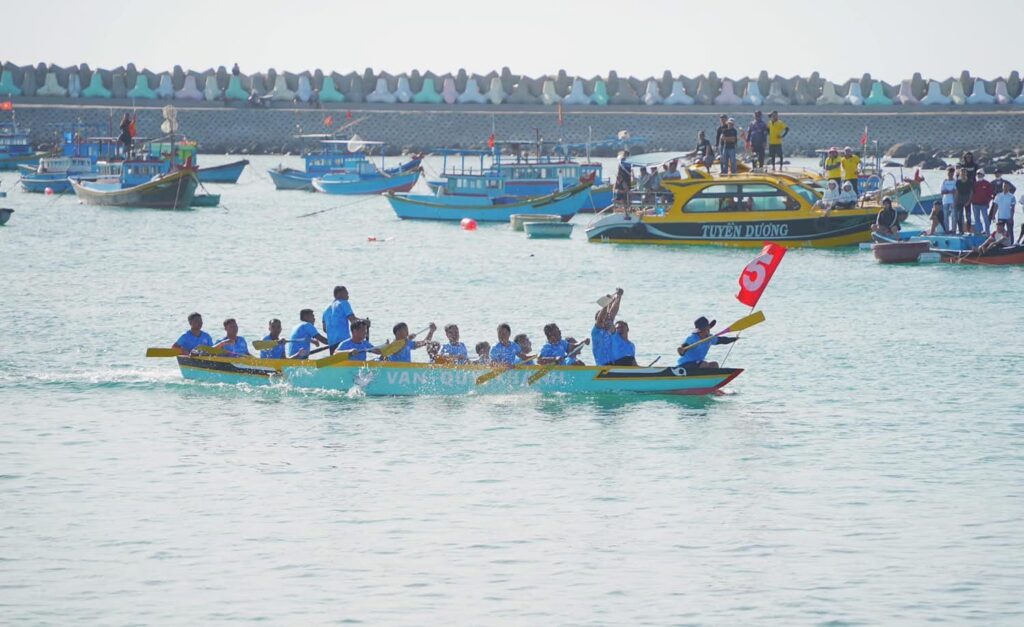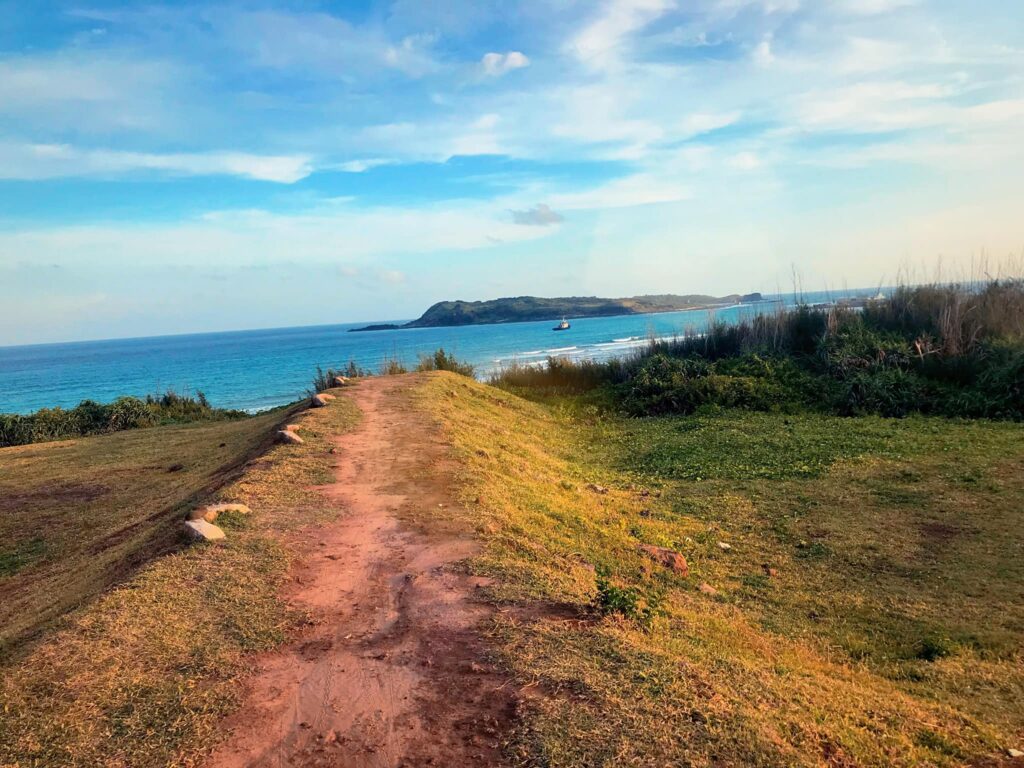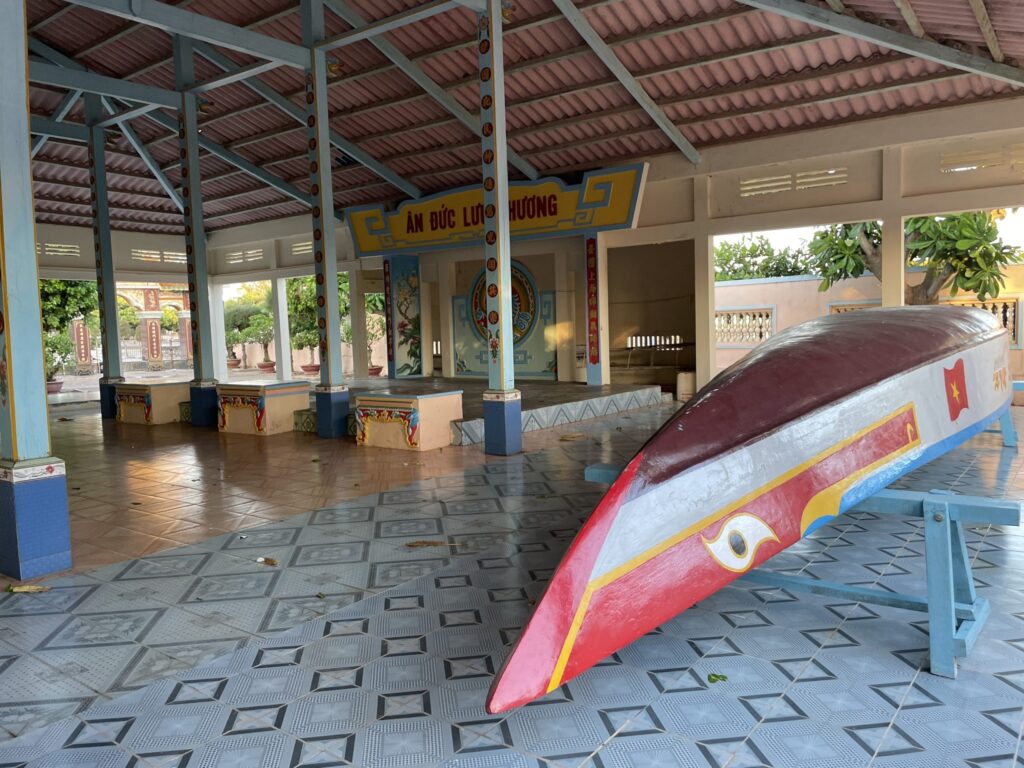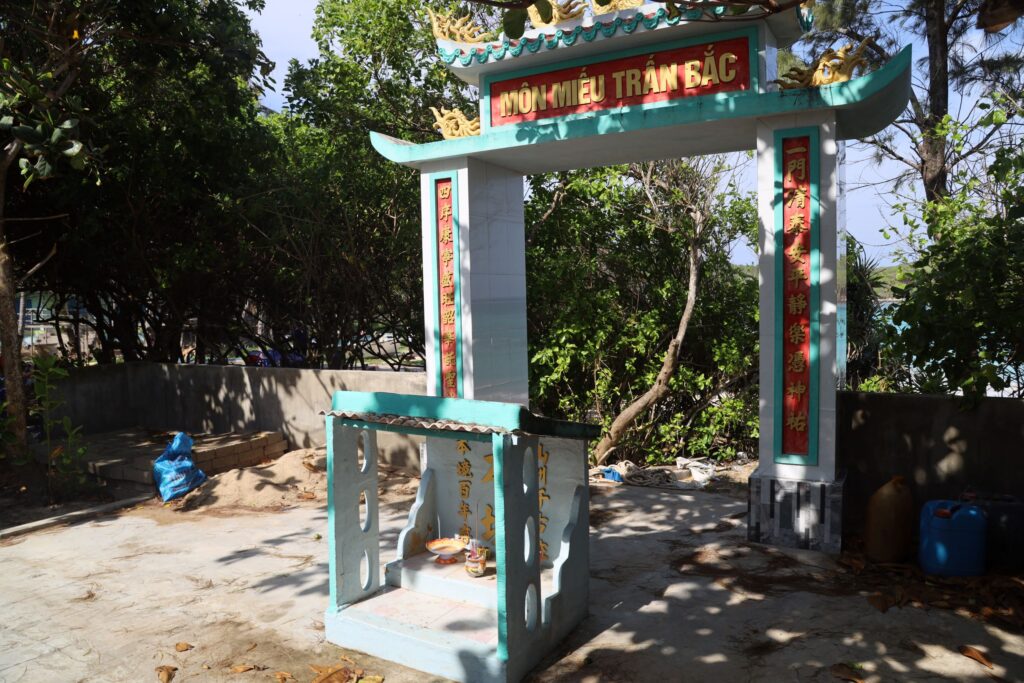
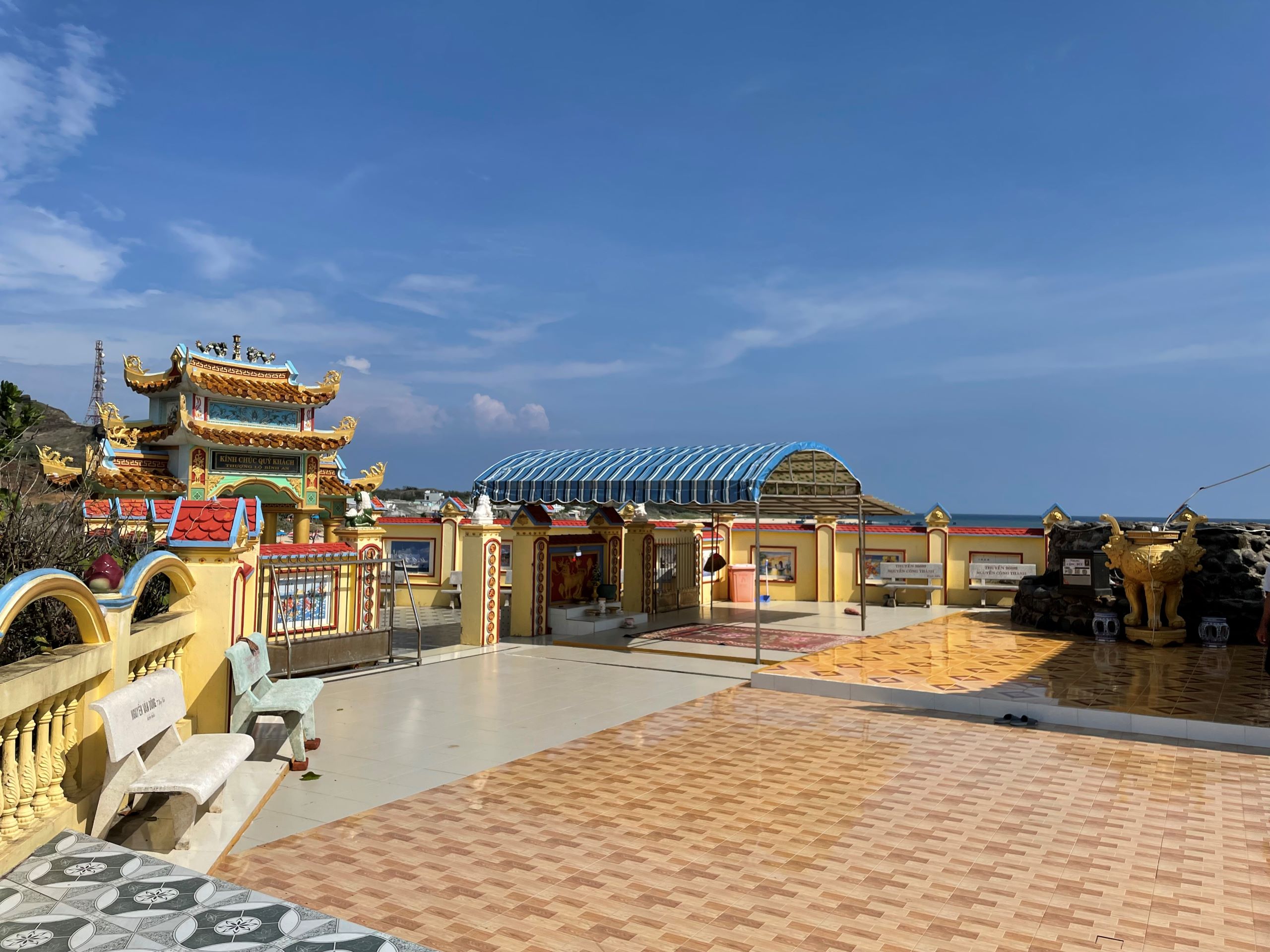
The origins of the Phu Quy island community reflect a remarkable blend of Chăm, Vietnamese (Kinh), and Chinese cultural layers that have intertwined for centuries. According to old legends and physical traces still found today, the Chăm people were the earliest inhabitants of the island.
Although written sources remain limited, many researchers believe the Chăm arrived sometime in the 15th–16th centuries. The oldest surviving relics—such as the shrine of Bà Chúa, ancient Chăm graves in Tây Long Hải, stone wells built using Chăm techniques, and their traditional architectural patterns—indicate that the Chăm settled here long before the Vietnamese, calling the island Koh Rong.
Later, around the late 16th to early 17th century, the first waves of Vietnamese migrants reached Phu Quy.
Vietnamese Migration Amid Turbulent Centuries
The 17th–18th centuries were marked by war, division, and hardship. During the Trịnh–Nguyễn civil conflict (1627–1672), widespread suffering pushed many people to leave their homelands. At the same time, the Nguyễn lords were actively encouraging southward expansion, using both organized settlement and spontaneous migration.
Large groups of farmers, fishermen, and craftsmen from Ngũ Quảng (Quảng Bình, Quảng Trị, Quảng Đức, Quảng Nam, Quảng Ngãi) and from Bình Định and Phú Yên gradually moved southward seeking peace and new livelihoods. Some of them eventually settled in Bình Thuận and sailed further out to Phu Quy Island.
According to administrative documents written in Sino-Nom script, Vietnamese settlers established villages and communes early on. For example, in a petition to form the settlement of Quý Thạnh, residents wrote:
“Our ancestors came from Bình Định and Quảng Ngãi. During years of famine, they drifted to Cù Lao Thu to reclaim wasteland and build new lives.”
As the Vietnamese population grew stronger, the Chăm gradually withdrew to other areas, leaving behind a profound cultural imprint.
Chinese Arrival and Early Integration
Chinese influence on Phu Quy also dates back to the 17th century, when Ming loyalists fled south after the fall of the Ming dynasty. Dozens of Chinese junks are said to have stopped at Phu Quy for fresh water before choosing to settle on the island.
Known for their skill in trade, farming, and animal husbandry, Chinese settlers revitalized local commerce and contributed to the island’s economic life. Although many later migrated to larger mainland cities, their cultural legacy—temples, customs, and stories—remains deeply embedded in Phu Quy’s identity.
A Small Island Shaped by Shared Hardship and Mutual Support
Living on an isolated island in rough seas shaped a unique communal spirit. For generations, residents faced storms, pirates, scarcity, and isolation. Survival depended on solidarity, trust, and mutual assistance.
This shared struggle forged a powerful cultural unity and created a rich, resilient heritage—one built collectively by the Chăm, Vietnamese, and Chinese communities.
To this day, traces of this harmonious convergence appear everywhere:
- Bàn Tranh Shrine,
- Thiên Y A Na Temple,
- Quan Thánh Đế Quân Temple,
- Thầy Sài Nại Shrine,
- village guardian temples (Thành Hoàng)
- —all serve as living evidence of multicultural coexistence.
Chăm Cultural Influence and Its Legacy
As the earliest settlers, the Chăm left behind a distinct spiritual and material heritage. Skilled in dry-field agriculture, irrigation, weaving, and pottery, they adapted perfectly to Phu Quy’s environment.
Vietnamese settlers quickly learned from Chăm techniques:
- building low stone walls around homes to block sand and wind,
- using Chăm-style woven backpacks to carry loads across dunes,
- adopting agricultural knowledge to grow cotton, beans, corn, and sweet potatoes,
- weaving durable Bạch bố fabric, essential for clothing in harsh weather.
Spiritually, both Chăm and Vietnamese cultures share strong Mother Goddess beliefs. Among these deities, Thiên Y A Na (Pô Inư Nagar)—the Chăm Goddess of Creation—plays a central role. Vietnamese migrants incorporated her worship into their own belief systems, creating a unique Vietnamized form of the Chăm Mother Goddess.
This cultural blending explains why Phu Quy residents revere both Thiên Y A Na and Bà Chúa Bàn Tranh, the Chăm-origin deity believed to have helped settle the island. “Ruộng Bà Chúa” (Lady’s Fields), lands once blessed by Bà Chúa, remain untouched out of respect.
Thầy Sài Nại: A Cultural Bridge Between Chăm and Chinese Traditions
Legends about Thầy Sài Nại—a Chinese geomancer believed to have originally been a Chăm prince sent adrift by fate—highlight the deep interconnection between Chăm and Chinese heritage. The story explains why he called Bà Chúa Bàn Tranh his elder sister and why both deities continue to protect the island together.
Their shared narratives symbolize unity, protection, and cultural fusion. They are invoked in times of danger, especially during historical battles against pirates, when “Humans and Gods fought side by side.”
Such shared legends created a spiritual “bonding force” that helped unite the Chăm, Vietnamese, and Chinese communities.
Quan Thánh Đế Quân and the Virtues of Loyalty and Righteousness
Phu Quy’s Chinese heritage also lives strongly in the veneration of Quan Thánh Đế Quân (Guan Yu), a real historical general from the Three Kingdoms era. Islanders admire him for his virtues: loyalty, righteousness, courage, and unwavering moral integrity.
His worship stands in contrast to that of Thầy Sài Nại—who is revered with awe due to his supernatural origin and mystical powers—while Quan Thánh is honored with clarity and respect as a historical hero.
Shared Marine Beliefs: Whale Worship (Thần Nam Hải)
Whale worship is another striking example of cultural fusion, originating with Chăm beliefs in Po Riyah, the protector of sailors. Vietnamese fishermen, upon migrating south, adopted and expanded this tradition, venerating the whale as Thần Nam Hải, guardian of those at sea.
Each year, fishing communities in Phu Quy hold solemn ceremonies to honor the Whale God, praying for peace, prosperity, and safe voyages.
Chinese settlers, however, did not adopt whale worship, leading to the well-known saying:
“In the South, he is a god; in the North, he is merely a fish.”
A Harmonious Cultural Mosaic
The shared worship of deities, blended rituals, and intertwined legends all testify to an extraordinary cultural convergence. In Phu Quy:
- Vietnamese pray at Chăm shrines.
- Chăm-origin deities are worshipped alongside Chinese generals.
- Festivals involve both Sino-Vietnamese rites and ancient island customs.
- Temple altars house both Chinese and Chăm sacred figures.
Even today, during rituals such as the procession of Thầy Sài Nại’s royal decrees, villagers stop first at Bà Bàn Tranh Shrine before continuing—symbolizing the inseparable bond between these cultures.
All of this reflects a deep-rooted truth:
Phu Quy Island is not just a place of shared land, but of shared spirit.
Here, the Chăm, Vietnamese, and Chinese communities have stood together for centuries—weathering storms, protecting one another, and shaping a distinctive island identity rich in harmony, resilience, and cultural beauty.