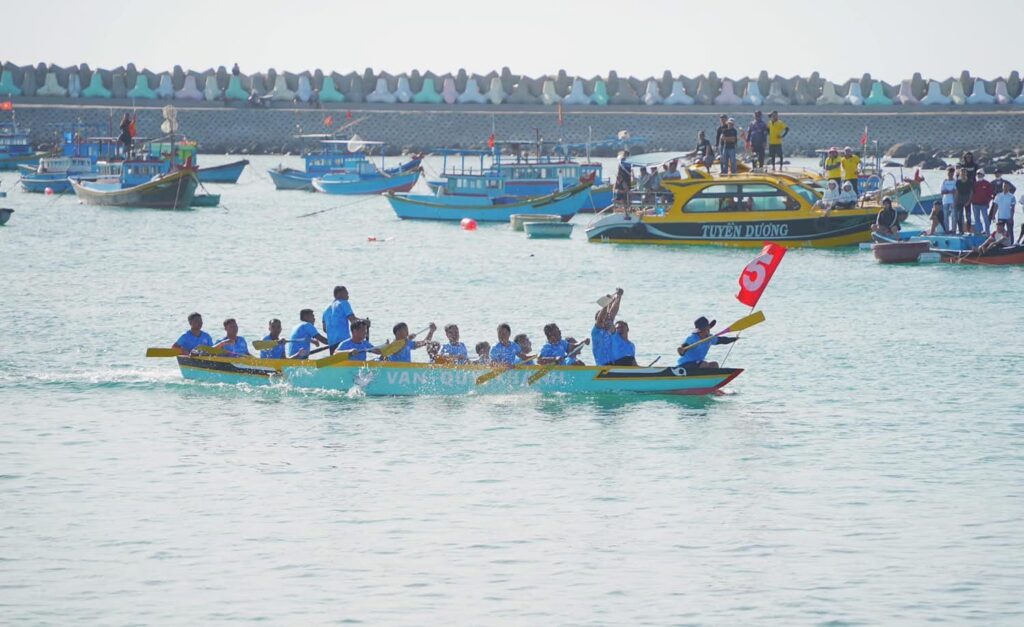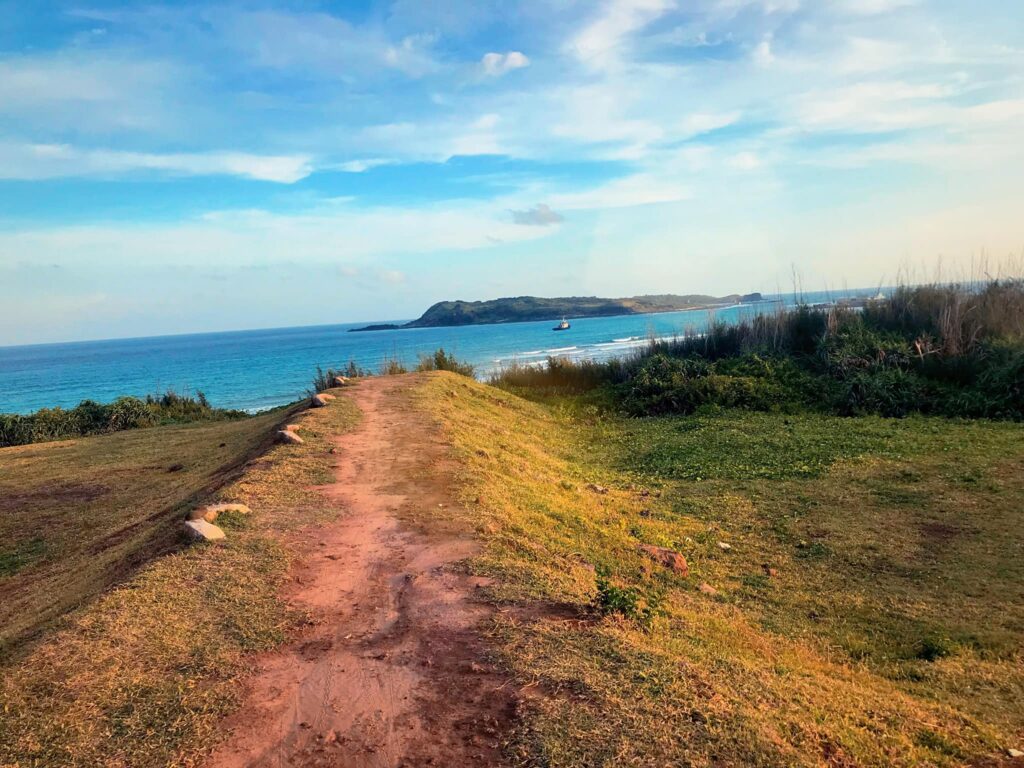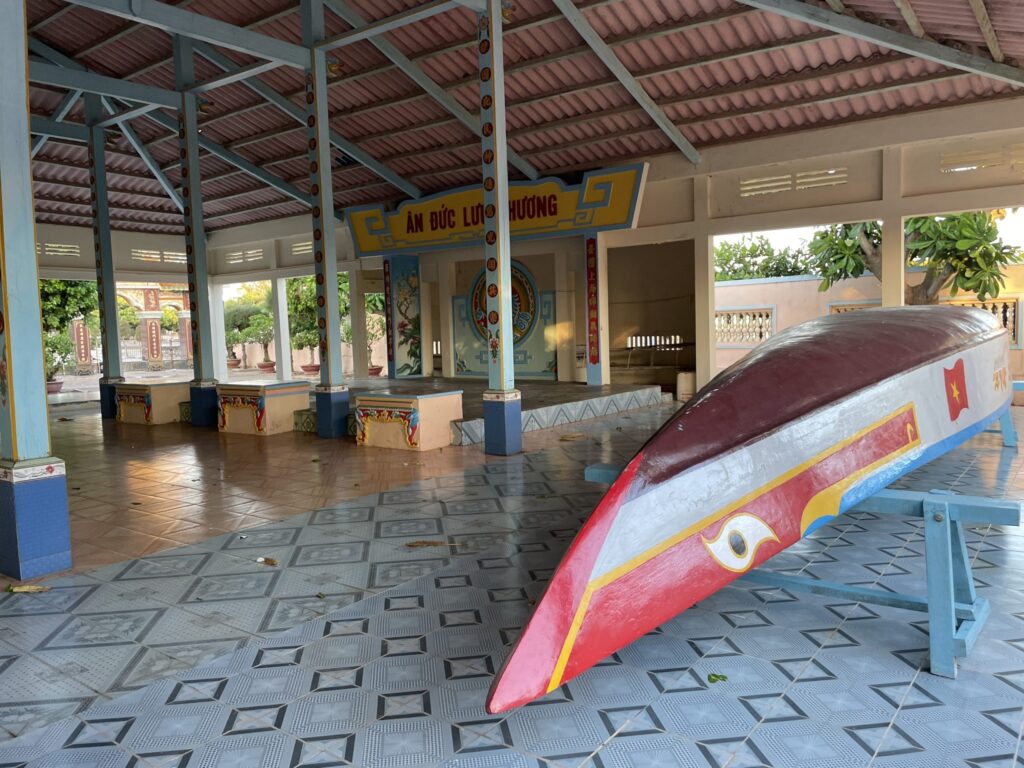
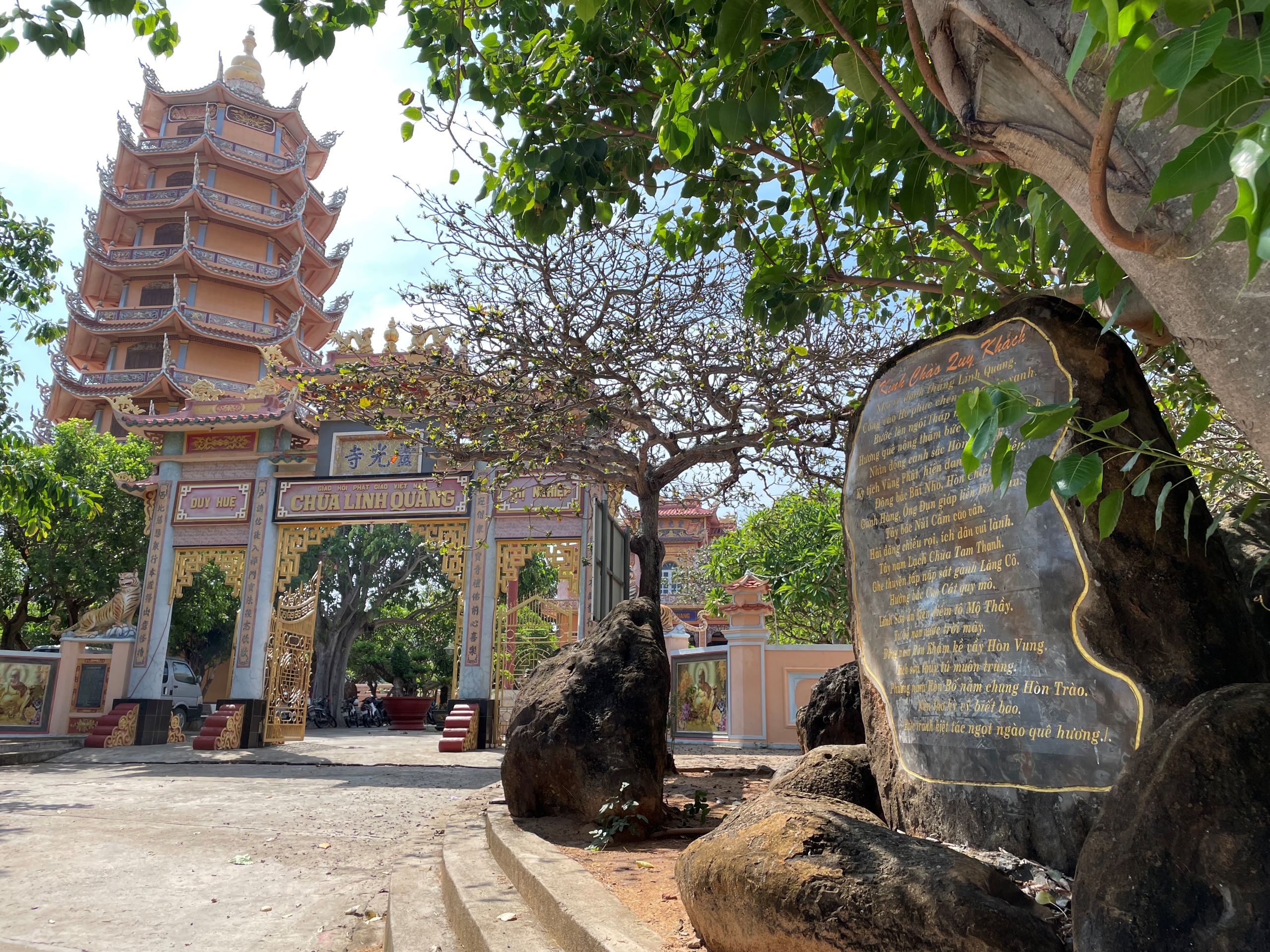
For generations, the small island of Phu Quy—isolated in the vast ocean—has carried within it layers of historical and cultural mysteries waiting to be uncovered. Blessed with a sacred landscape shaped like the mythical tortoise, one of the four divine creatures in Vietnamese cosmology (Long, Lân, Quy, Phụng), the island has long been regarded as a refuge—a place that shelters weary travelers and exiles. Among the legends rooted here, none is more captivating than the story of Emperor Gia Long and his extraordinary escape during one of the most turbulent eras in Vietnamese history.
A King in Flight
According to old tales, when Nguyễn Ánh (later Emperor Gia Long) lost his kingdom and was relentlessly pursued by the Tây Sơn forces, he fled toward Mui Nai (Ninh Thuận). Blocked by enemies on land, he abandoned the overland route and fled by sea.
One of his loyal generals volunteered to stay behind, using a clever diversion tactic to delay the Tây Sơn advance and buy time for the king to escape. Nguyễn Ánh’s boat drifted for days across the open sea until he saw a strange island on the horizon—Phu Quy—and ordered the fleet to land.
The king took refuge at Linh Quang Pagoda. Here, he advised the abbot to reorient the main hall to harmonize with the surrounding geomancy, shifting the axis from the northwest (Đoài) to the west—an act believed to strengthen the pagoda’s spiritual energy.
A Loyal General’s Final Resting Place
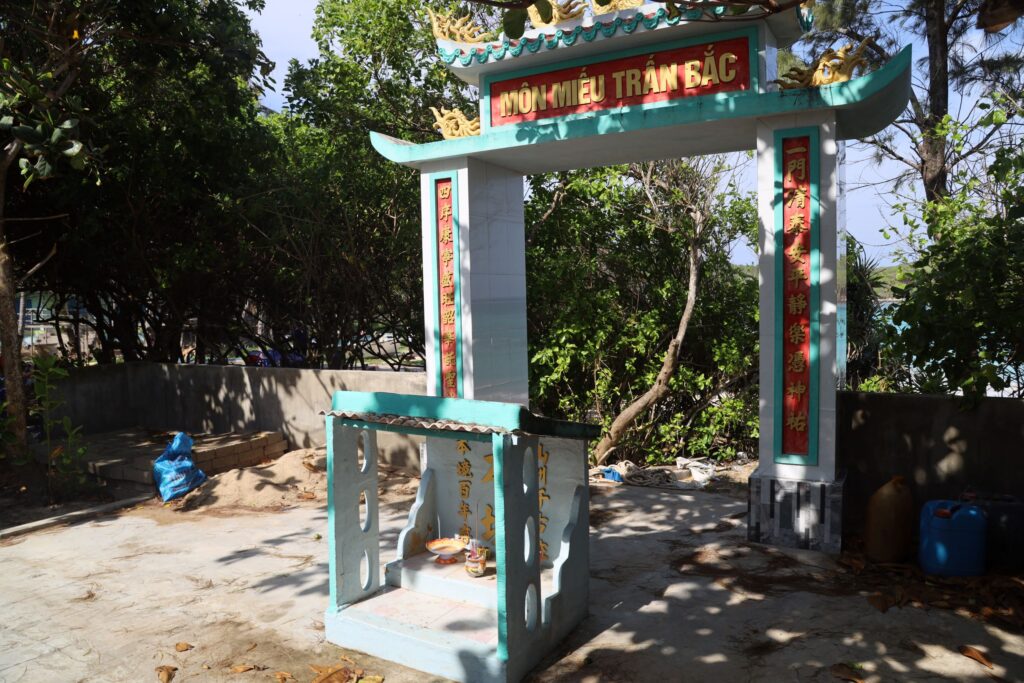
After leaving Linh Quang Pagoda, Nguyễn Ánh set sail for Hon Tranh Island. To his deep sorrow, he found that the faithful general who had stayed behind to save him had been killed in battle, his body washing ashore at Hon Tranh.
To honor the man who sacrificed his life for the throne, Nguyen Ánh ordered a shrine to be built. To this day, Hon Tranh still preserves vestiges associated with the emperor:
- Gia Long Well – believed to be dug at a location he pointed out
- Mieu Tran Bac – a shrine dedicated to the fallen general, honored as a protector deity
A Familiar Motif in Southern Legends
The motif of a miraculous freshwater well appears widely in legends of Gia Long’s flight. A similar story is found in Phu Quoc, as recorded in Huyền thoại Phú Quốc:
At An Thoi, a sacred rock known as the “King’s Throne” marks a place where Nguyễn Ánh supposedly sought refuge. In desperation, he struck his sword into the ground, vowing and praying for protection. Miraculously, a spring of fresh water gushed forth. The mark of his sandal, villagers believe, remains on the rock, and the spring is now called Gia Long Well or Giếng Tiên.
Such tales reflect the folk belief that rulers—especially those seen as possessing heavenly mandate—can influence geomancy, open water veins, and shape the land. These stories demonstrate the deep respect many southern communities historically held for the Nguyễn dynasty.
A Poem from Linh Quang Pagoda
To honor the emperor who endured countless ordeals to establish the Nguyen dynasty—not, as some accuse, to “let the enemy bite his own people”—Linh Quang Pagoda engraved a poem at the upper terrace to commemorate his visit:
“Gia Long bôn tẩu thời quốc nạn,
Cập đảo mai danh đáo Linh Quang.
Ngắm nhìn đoài, Chấn phùng thánh địa,
Đặt hướng Tây canh dựng đại môn.”
Legend, Memory, and Historical Truth
When speaking with island residents about the Gia Long legend, one senses their reverence and pride. To them, the island was once a sanctuary for a man destined to become emperor—a figure whose legacy remains complex and often debated.
Interestingly, many legends of Nguyễn Ánh’s escape appear across southern islands, especially Phu Quoc. The presence of such folklore in remote Phu Quy is particularly noteworthy.
Searching historical sources reveals that these tales are not without basis. Nguyễn dynastic records confirm that Gia Long did indeed pass through these seas:
- In June, he anchored at Hòn Điệp Thạch (Hòn Đá Chồng, Phu Quoc).
- Tây Sơn general Phan Tiến Thận attacked.
- General Lê Phúc Điển disguised himself as the king to lure the enemy while Nguyễn Ánh escaped to Côn Lôn (Con Dao).
- Later, storms destroyed Tây Sơn ships, allowing the king to flee toward Cổ Cốt Island, then back to Phu Quoc.
Multiple Vietnamese historical texts corroborate this sequence, affirming that his flight led him across various southern islands—including areas close to Phu Quy.
Thus, the possibility that Nguyễn Ánh once stopped at Phu Quy is entirely plausible—especially considering the establishment date of Linh Quang Pagoda, which aligns with the king’s timeline of exile.
From History to Folk Belief
Why do the people of Phu Quy preserve these stories so passionately?
Part of the reason lies in the nature of Vietnamese folk belief:
Historical figures often transform into cultural symbols, protectors, or spiritual guardians when their stories become woven into local memory.
For Phu Quy residents, the legend of Gia Long is not merely a tale of escape—
It is a reminder of the island’s role in national history,
a symbol of resilience,
and a source of pride for generations.