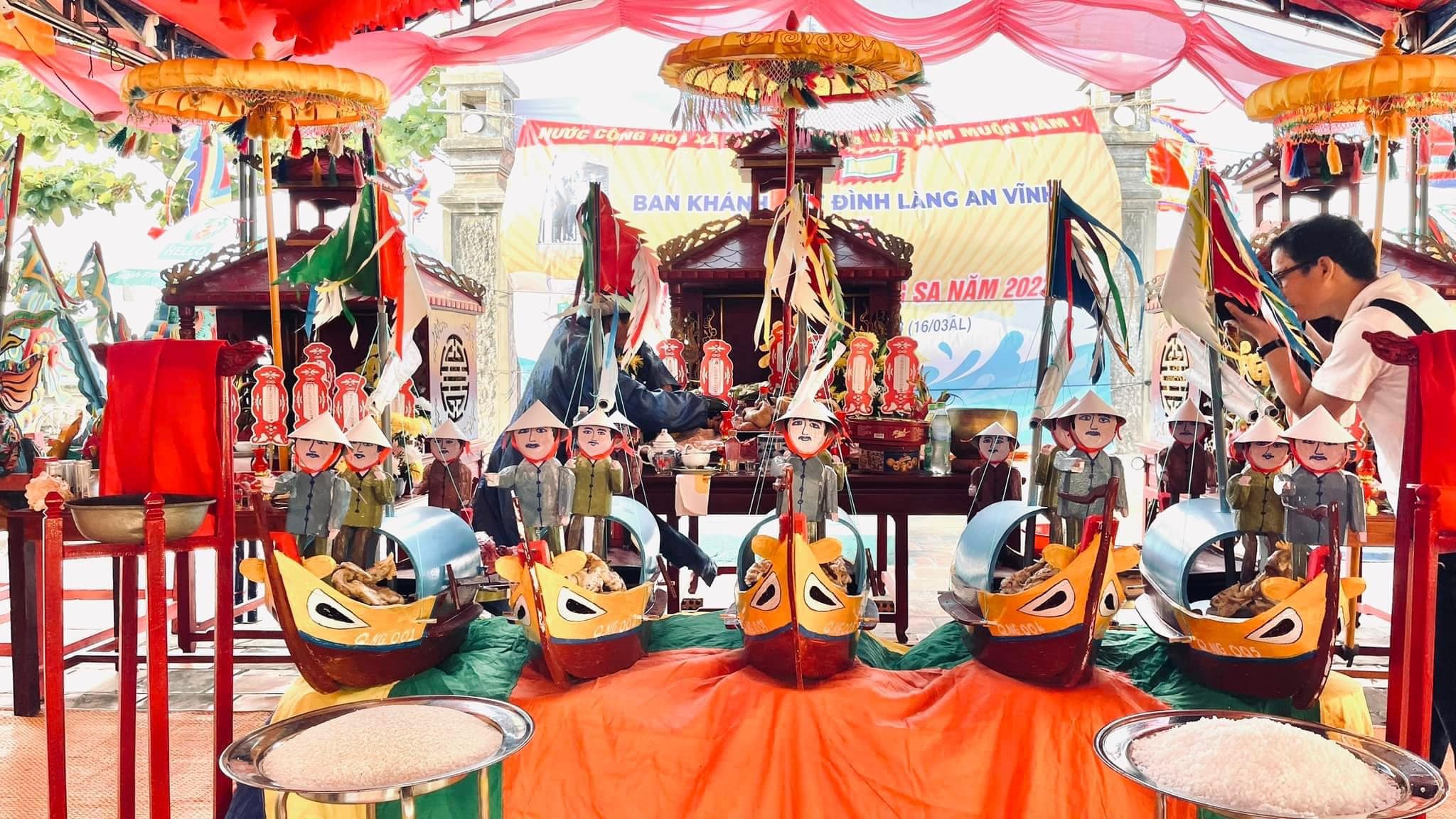
The Lễ Khao Lề Thế Lính Hoàng Sa is one of Lý Sơn Island’s most sacred and humanistic traditions, preserved and practiced for more than 400 years. Held annually on the 16th day of the 3rd lunar month, the ceremony commemorates the Hoàng Sa soldiers—the brave men who crossed treacherous seas to plant sovereignty markers over the Hoàng Sa (Paracel) and Trường Sa (Spratly) archipelagos from the 17th century onward.
Deeply rooted in island culture, the ceremony reflects the islanders’ enduring gratitude toward those who sacrificed their lives for the nation’s maritime territory. Through centuries of change, it remains a living legacy that nurtures patriotism and strengthens the collective resolve to safeguard Vietnam’s seas and islands.
- Festival Name: Lễ Khao Lề Thế Lính Hoàng Sa
- Date: 16th day of the 3rd lunar month
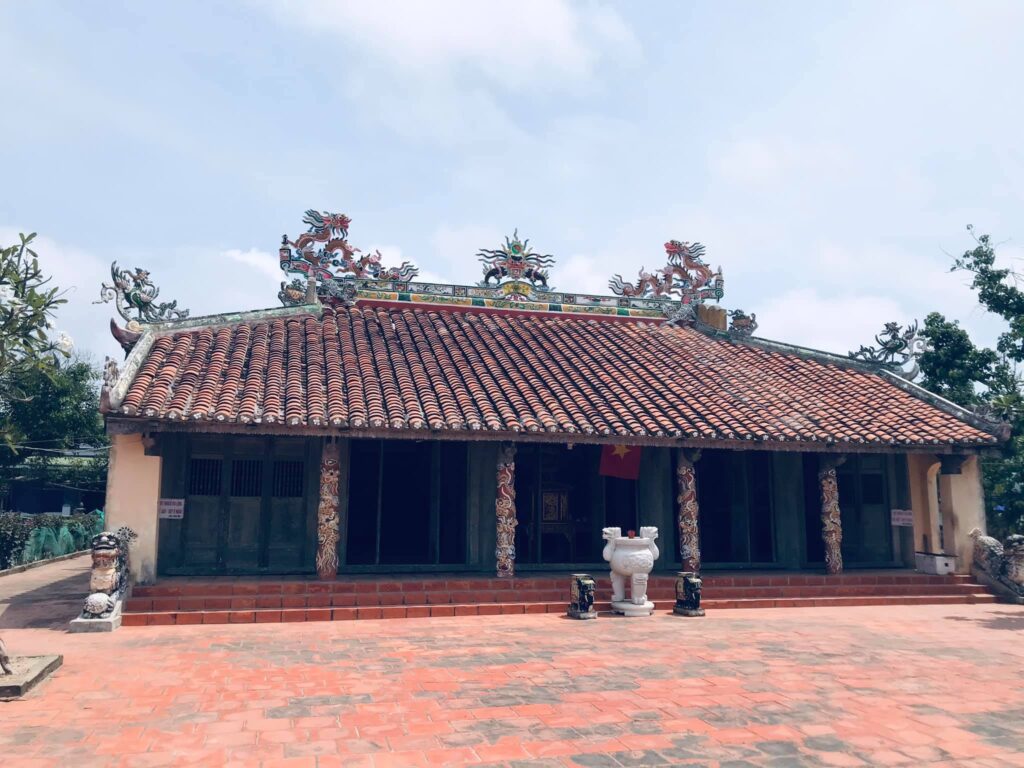
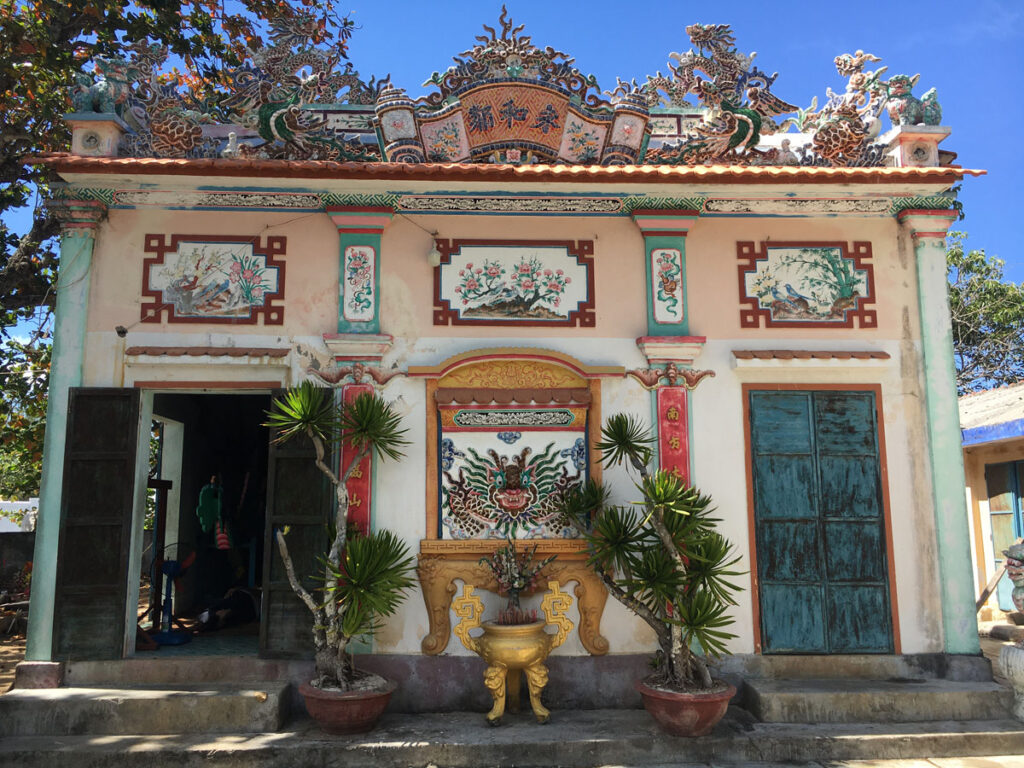
- Venue: An Vĩnh Communal House
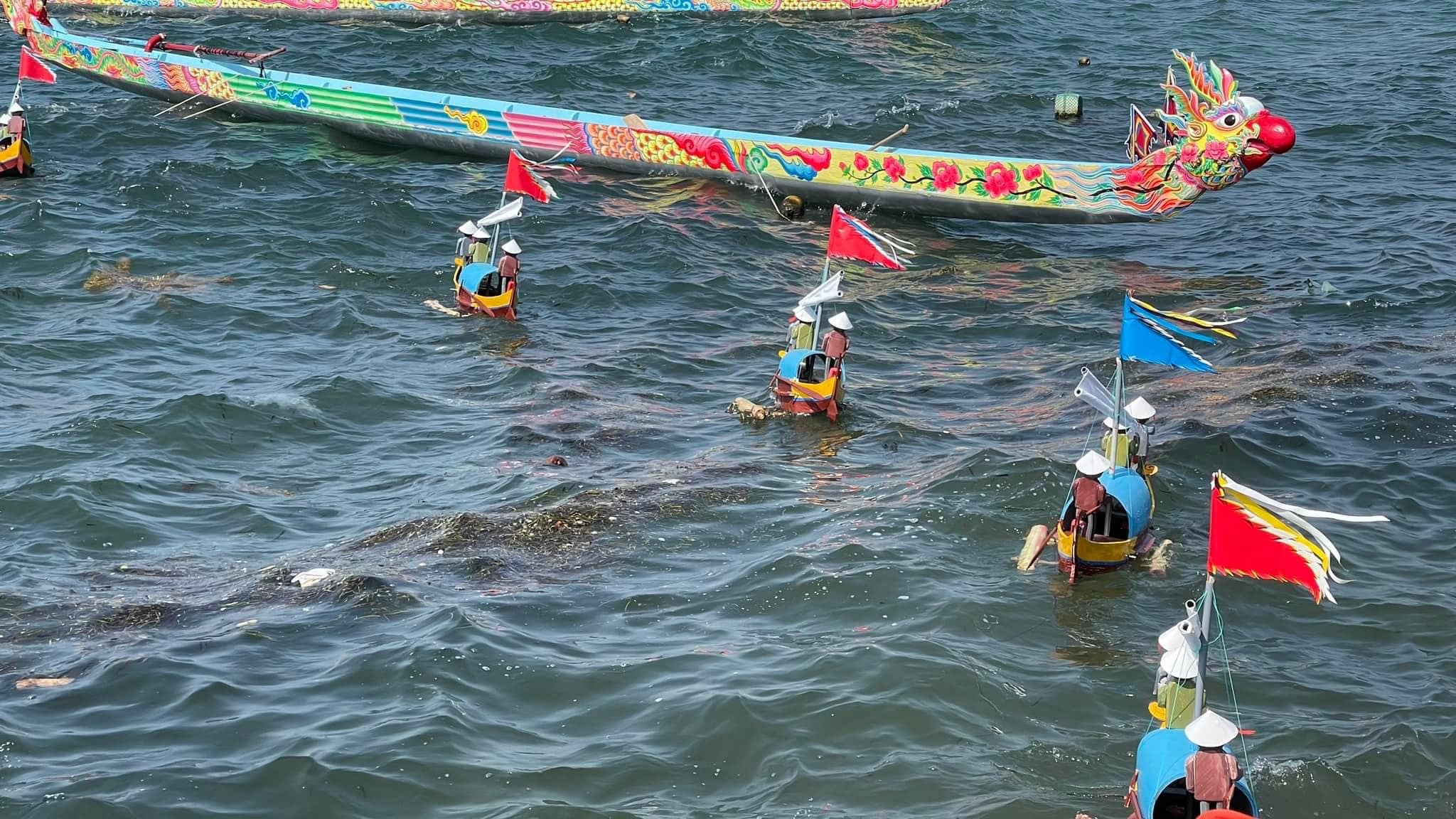
Meaning Behind the Name
“Khao lề” (or “lệ khao”): the annual ritual performed to send off and pray for the safety of Hoàng Sa soldiers.
“Thế lính”: the act of creating symbolic effigies (hình nhân thế mạng) representing the soldiers, rooted in Taoist belief. These effigies are meant to “take on” misfortunes in the soldiers’ place.
Together, the name expresses the full essence of the ritual: a send-off, a prayer for peace, a symbolic sacrifice, and a solemn remembrance.
Origins of the Ritual
In the late 16th to early 17th century, the Nguyễn Lords established the Hoàng Sa – Bắc Hải Fleet, composed of 70 strong men from the fishing villages of An Vĩnh and An Hải (formerly at the Sa Kỳ estuary, later on Lý Sơn Island).
Every year, from February or March until August (lunar calendar), these men sailed to the distant archipelagos on small wooden fishing boats, enduring storms, reefs, and months of isolation on the open sea.
Because the journey was often “one going, rarely returning,” each soldier prepared:
- One pair of mats,
- Seven bamboo slats,
- Seven rattan ropes,
- A wooden identity tag.
If they died at sea, their comrades would wrap their body and let it drift, hoping the waves might return them to their homeland.
From this hardship and heartbreak, the Lễ Khao Lề Thế Lính Hoàng Sa was born—a ritual to symbolically “die once” so that they might live, a ceremony of hope, faith, and farewell.
Main Ritual Components
Families craft effigies and place them beside ancestral tablets.
Miniature boats, traditionally made from banana trunks or paper, are prepared with symbolic items:
rice, salt, fresh water, firewood, rope, fishing nets—the same supplies once carried by Hoàng Sa soldiers.
During the ceremony, accompanied by ritual music (bát âm or ngũ âm), a thầy pháp (ritual master) performs purification rites.
After the solemn offerings, the boats carrying effigies are taken to the sea and set afloat, carrying prayers for:
- The living: peace and safe return
- The fallen: eternal rest in the embrace of the sea
Cultural & Historical Significance
The ritual is not only a spiritual practice but also:
- A cultural affirmation of Vietnam’s sovereignty over Hoàng Sa and Trường Sa
- An invaluable testimony to the activities of the Hoàng Sa Fleet
- A tradition that unites the community and preserves ancestral memory
- A tribute to the silent sacrifices of countless generations of maritime warriors
In 2013, the Ministry of Culture, Sports and Tourism recognized the Lễ Khao Lề Thế Lính Hoàng Sa as a National Intangible Cultural Heritage under the category of Social Practices and Beliefs.