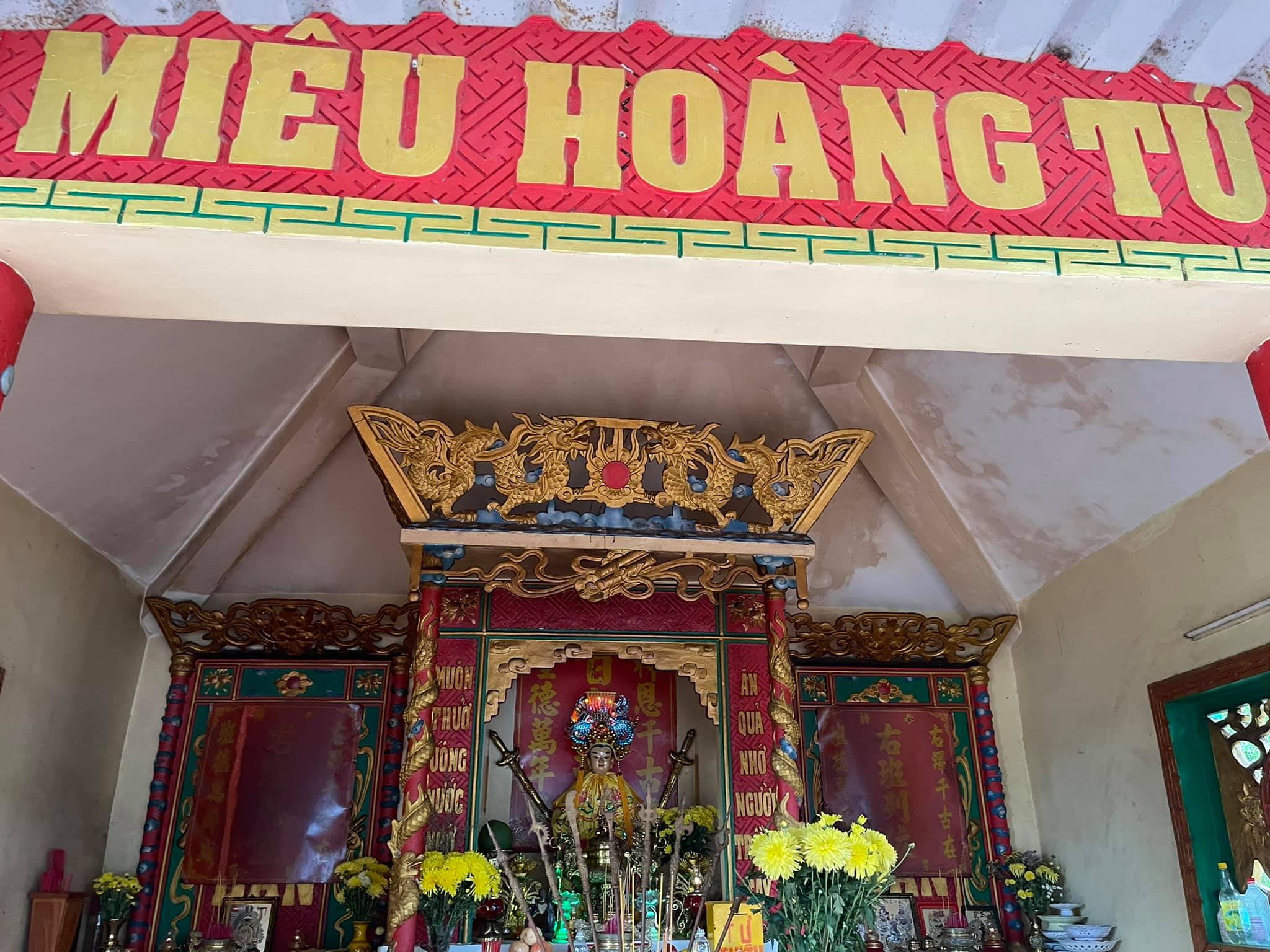
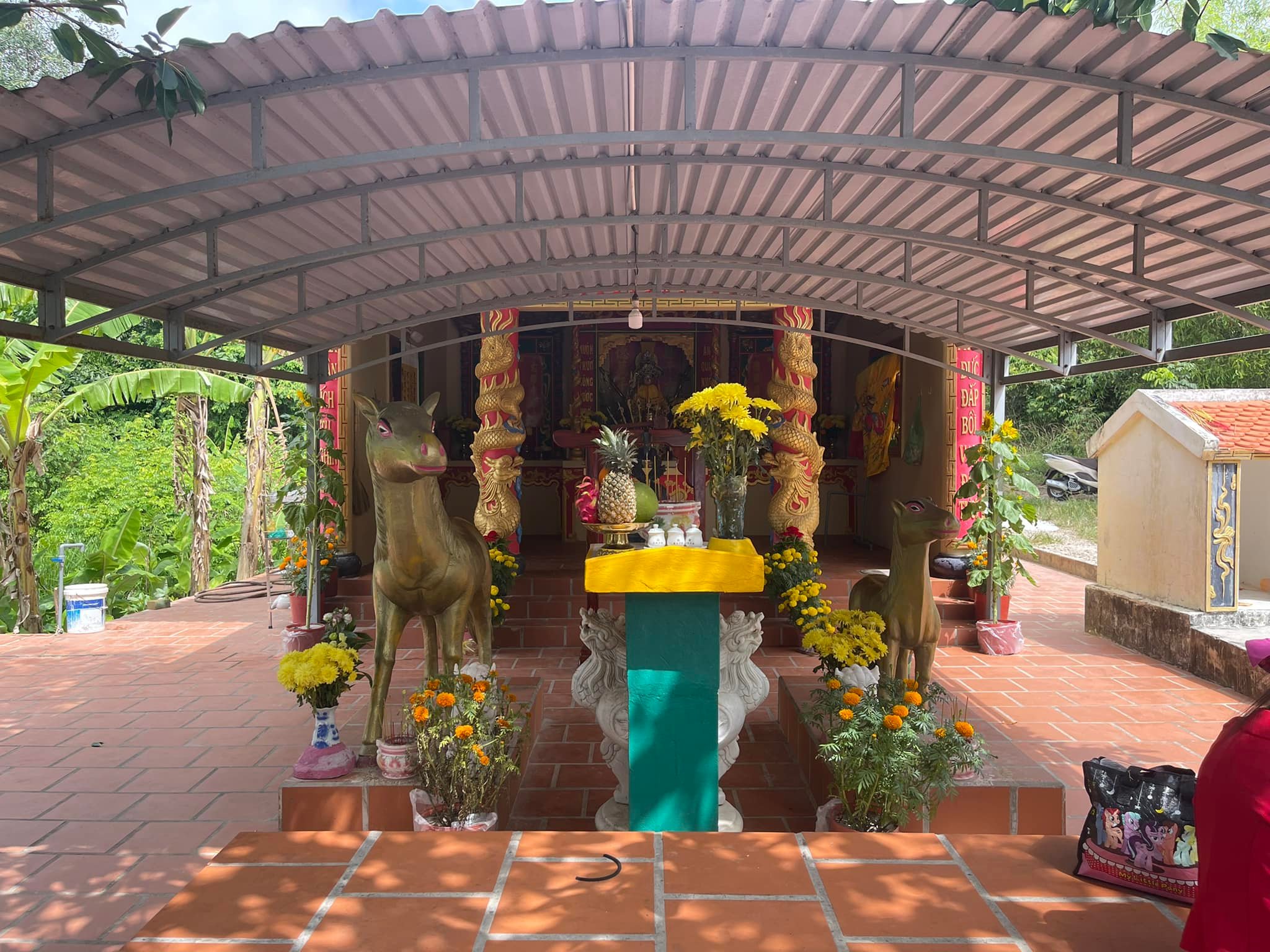
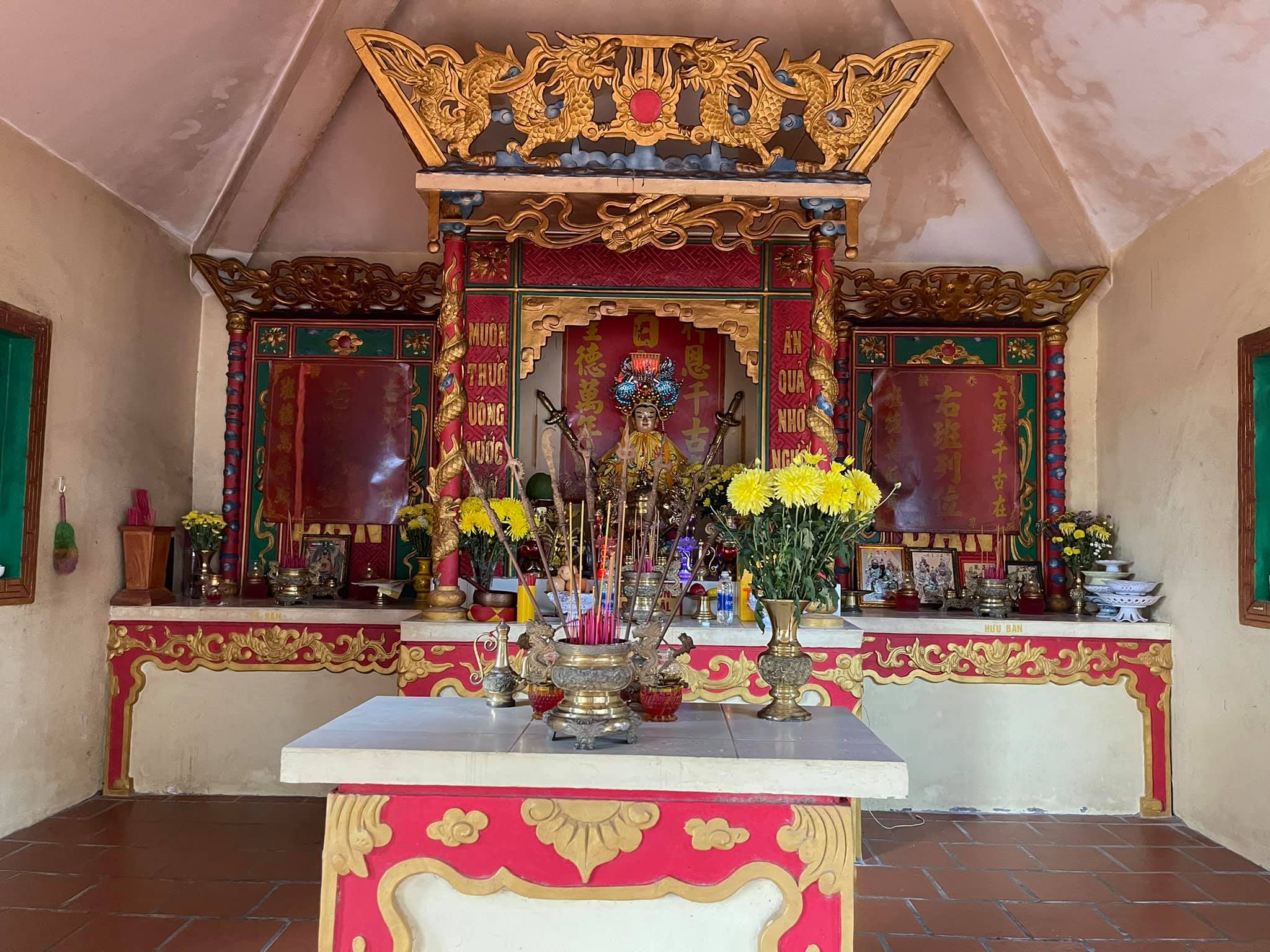
Phu Quoc is not only known for its emerald beaches and lush forests, but also for layers of folklore, legends, and historical memories deeply tied to the early days of Vietnam’s southern expansion. Among these stories, many revolve around Nguyen Anh—the future Emperor Gia Long—who, during his years of struggle against the Tay Son forces, repeatedly sought refuge on this island. One of the most intriguing tales passed down over generations is the story of a prince who died young and was buried on Phu Quoc. Today, a small shrine known as the Prince’s Shrine (Miếu Hoàng Tử) still stands in Vinh Dam, An Thoi, preserving the memory of that lost royal child.
The Legend of the Lost Prince’s Grave
Local folklore recounts that during his fugitives years on Phu Quoc, Nguyen Anh lost one of his infant sons. The child was buried temporarily on the island, and the grave became known among locals as “Mả Ông Hoàng”—the Prince’s Tomb. This story exists alongside several other historical legends connected to the king’s time on Phu Quoc, including Gieng Ngu (Royal Well), Bai Ngu (Royal Beach), the King’s Throne Rock, and Ong Doi Cape.
Many elders in Phu Quoc recall that the original grave once lay near the area where Ho Quoc Pagoda stands today. Years later, the imperial court relocated the remains to Hue, leaving behind no visible trace of the tomb—only a small shrine remains, built by locals to honor the young prince.
Folk Interpretations and Conflicting Legends
Through time, various interpretations of the prince’s identity have emerged from local stories:
1. The legend of Prince Cai and Lady Phi Yen
One story claims the grave belonged to Prince Cai, son of Lady Phi Yen (Lê Thị Răm). The narrative shares similarities with the popular Côn Đảo legend of Phi Yen and the folk verse:
“The wind carries the cải blossom to the sky,
The rau răm stays behind to endure sorrow.”
However, this version is largely considered folklore and lacks historical evidence.
2. The “Japanese Prince” theory
Another tale suggests the grave belonged to a Japanese prince who died on the island—a mistaken interpretation likely born from confusion around the prince’s given name “Nhật,” which in Vietnamese also means “Japan.”
3. The historically accurate version: Prince Nhật
The most reliable account comes from the 1974 local monograph “Hải Đảo Phú Quốc”, which records testimonies from villagers and descendants of those involved in the exhumation:
- The prince died around age two.
- He was buried in the old village of Dam (Làng Đầm).
- Locals regularly cleaned and maintained the tomb.
- Under Emperor Tự Đức, four high-ranking officials were sent to retrieve the remains and reinter them in Hue.
Additional confirmation comes from the Nguyễn Dynasty’s imperial records (Châu bản)—a UNESCO-recognized documentary heritage. These documents state that the prince’s name was Nguyễn Phúc Nhật, son of Nguyen Anh. This aligns with oral history and clarifies the earlier confusion with “a prince from Japan”.
Where Was the Prince Buried?
According to historical documents, the prince was originally buried in An Hòa village, part of early Phu Quoc’s administrative structure. In Gia Dinh Thanh Thong Chi, An Hòa is listed among the island’s earliest settlements.
Over time, administrative divisions changed, and by 1836 the village no longer appeared in official registers. However, local geography suggests:
An Hòa → Làng Đầm → Today’s Vinh Dam (An Thoi)
…are essentially the same area referred to under different names across different periods.
This matches perfectly with the location of today’s Prince’s Shrine.
Historical Significance of the Prince’s Shrine
Based on both official imperial records and local oral history, it can be affirmed that:
- A son of Nguyen Anh (later Emperor Gia Long) did die and was buried on Phu Quoc.
- The prince’s name was Nguyễn Phúc Nhật.
- The burial took place during the years Nguyen Anh sought refuge on the island (before 1789).
- The remains were relocated to Hue in 1862 under Emperor Tự Đức.
The site in Vinh Dam, An Thoi remains a historical memorial shrine, preserving the island’s early Vietnamese presence.
The Prince’s Shrine is therefore not a mere folktale—it is a meaningful historical relic reflecting the struggles of the Nguyễn court and the early Vietnamese settlers on Phu Quoc.
A Quiet Shrine with a Profound Story
While modest in appearance, the Prince’s Shrine holds a story filled with sorrow, resilience, and the weight of history. It recalls a time when the fate of a royal family intertwined with the rugged landscape of Phu Quoc, when a young prince rested temporarily in the island’s soil, and when local people, over centuries, continued to protect the memory of that bygone era.
For travelers seeking the deeper cultural layers of Phu Quoc—beyond beaches and resorts—the Prince’s Shrine offers a rare chance to touch a living fragment of the island’s past, and to honor the historical journey that shaped Vietnam’s southern frontier.