
Among all long-standing folk belief structures on Phú Quý Island, the shrine, tomb, and legends connected to Master Sài Nại hold a particularly sacred and influential place in the spiritual life of the local community. The site represents both cultural and historical value, enriched by legends closely tied to the early formation of the island’s population and its settlement history.
The Legends of Master Sài Nại
Local people on Phú Quý preserve two main versions of the legend of Master Sài Nại.
The first legend tells that Master Sài Nại was a geomancy and astronomy scholar from the North. He traveled the seas aboard merchant ships, visiting many countries to practice his craft. During one of his voyages, he stopped on Phú Quý Island and discovered that its terrain was more spiritually potent than any island he had visited. Upon leaving the island, he expressed his wish that when he died, his ashes should be brought back and buried on Phú Quý.
On the 4th day of the 4th lunar month (Year of the Dragon), Master Sài Nại passed away. His ashes were carried southward by a fleet of sailing ships and secretly buried on Phú Quý Island at night. The sailors left before dawn without informing anyone. The next morning, islanders were astonished to find incense, lanterns, offerings of fruit, rice wine, pork, and chickens placed near a rocky headland by the sea—today known as the site of his tomb. A ceramic urn containing human ashes was discovered there, and the story spread rapidly throughout the island.
The second legend describes Master Sài Nại as a Northern merchant in the 16th century who frequently sailed to many countries for trade. Besides being a successful trader, he was also an exceptional physician. During one journey, his ship was blown off course by a storm and drifted onto Phú Quý Island. While sheltering, he met Princess Ban Tranh; the two formed a sworn sibling bond. He decided to remain on the island, practicing traditional medicine and helping the poor. After his death, the islanders buried him at the rocky headland known today as Doi Thầy.
For generations, island residents have believed that Master Sài Nại manifested divine powers after death. According to local accounts, three thunderclaps followed by a radiant light signaled his ascension as a protective spirit. Many fishermen claim to have been saved by him during storms, and countless others believe he shielded them during times of war and danger.
The Tomb of Master Sài Nại
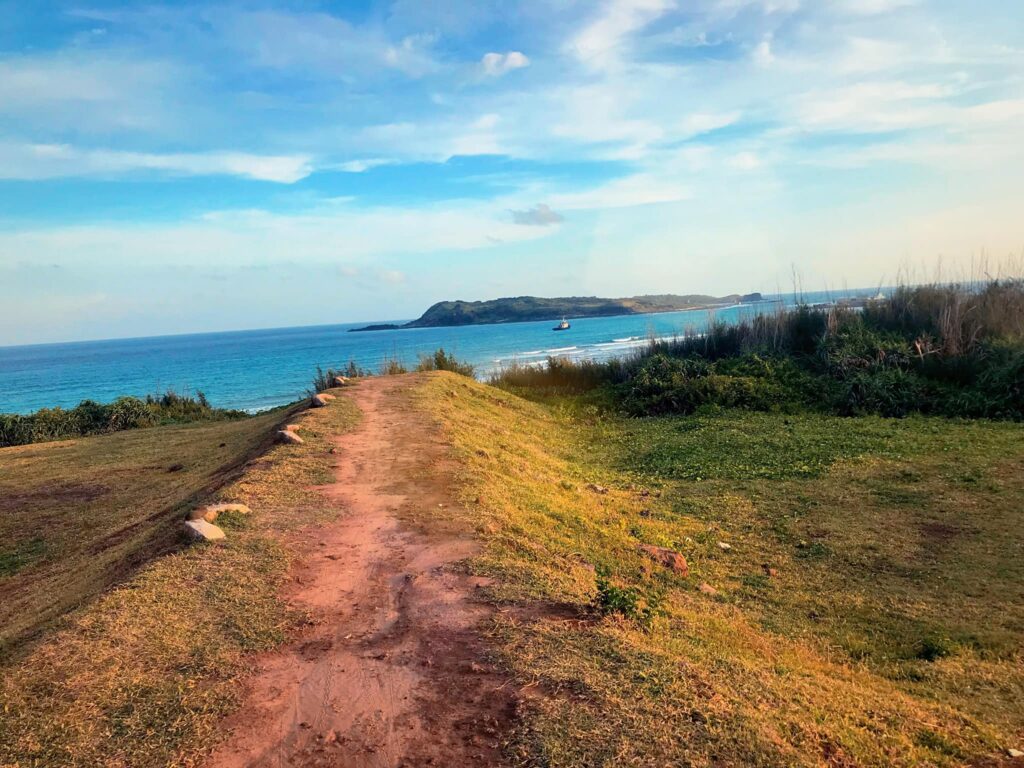
The tomb stands on a rocky promontory jutting out into the sea, known as Doi Thầy, located on the northeastern coast of Phú Quý Island (Long Hải Commune). The tomb was last restored in 2002. The complex includes the tomb, a worship chamber, a guest house, and a ceremonial smoke house. The worship chamber faces west.
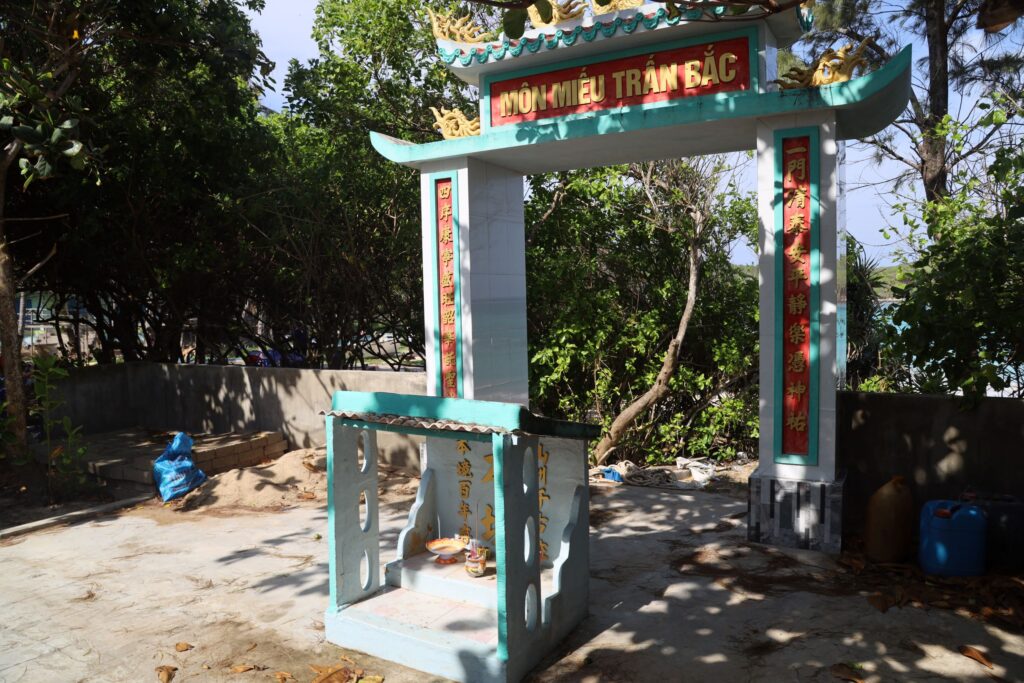
The tomb itself is built on the left side, formed by multiple layers of stacked coral stones arranged in a circular pillar shape measuring 2.2 meters in diameter, 90 centimeters high, with walls 55 centimeters thick. Behind the tomb is the worship hall, designed with front and rear roofs. The ridge is decorated with carved motifs of dragons, fish transforming into dragons, turtles, and sea serpents. The interior features a four-pillar structure supporting the central chamber.
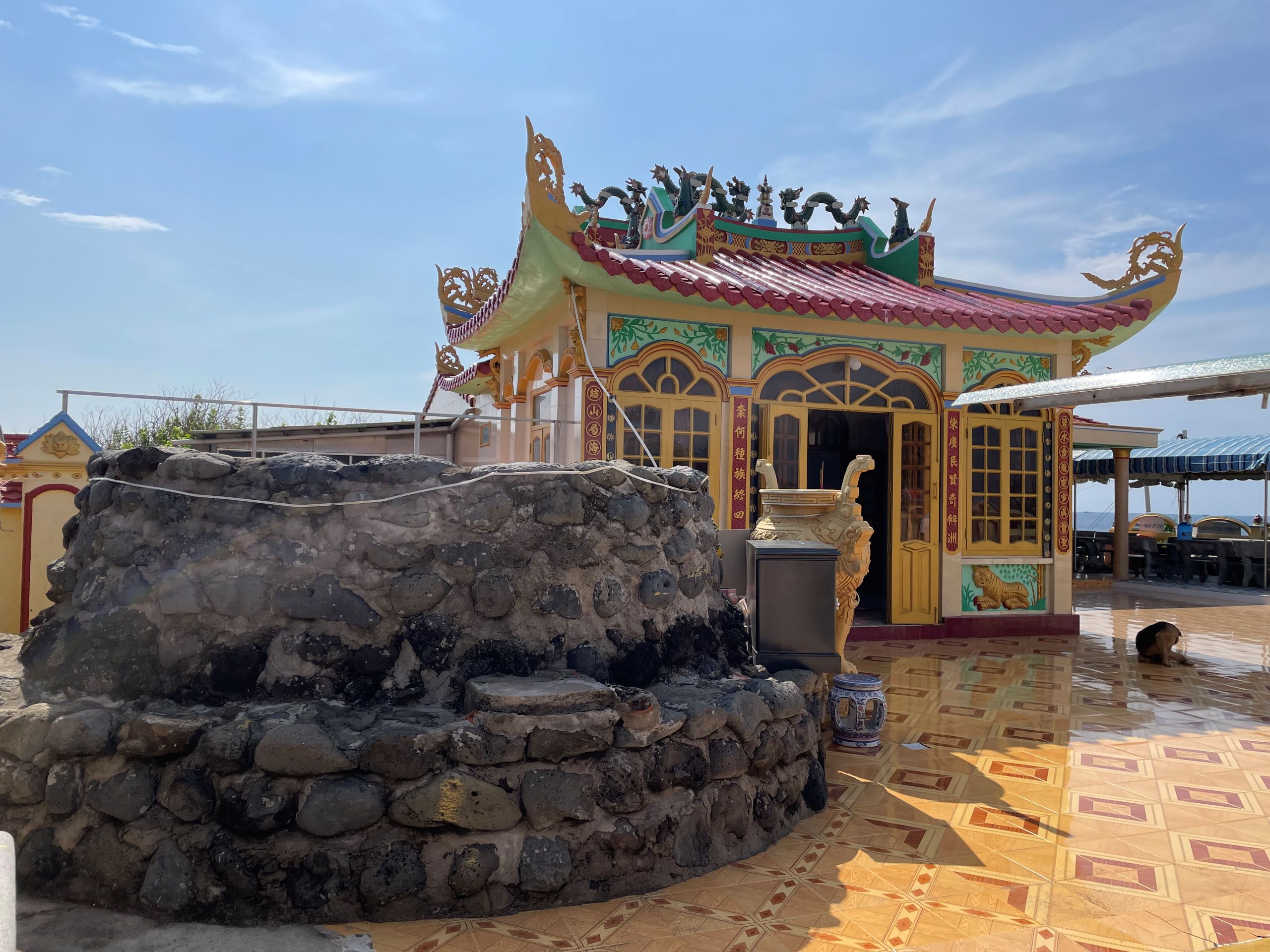
Inside, three altars are arranged: the central altar dedicated to Master Sài Nại, adorned with carvings of dragons, qilin, floral patterns, and Sino-Nom inscriptions. The two side altars depict motifs of plum, orchid, chrysanthemum, bamboo, vines, and foliage. Three wooden carved panels featuring bats, birds, animals, and flowers run across the front, accompanied by three incense tables carved with tiger faces, phoenix birds, and floral ornaments.
The tomb hosts two major annual ceremonies in the first and seventh lunar months. Ritual offerings resemble those of other communal temples on the island. In the twelfth lunar month, people bring offerings daily to give thanks for the year, especially fishermen and boat owners. Due to the large crowds, visitors must register with the shrine’s caretaker to maintain order. Families preparing for immigration interviews or overseas trips also visit the tomb to pray—according to locals, those who pray often receive good fortune and return later to offer thanks.
The Shrine of Master Sài Nại
To facilitate worship without having to travel far to the tomb, Vietnamese settlers built the Shrine of Master Sài Nại in the 16th century at Ngũ Phụng, on a hill overlooking the northeastern area of An Hòa Village. By the late 17th century, the shrine became a central place of worship, as Master Sài Nại was widely believed to manifest divine help. The nine villages of the island’s three communes take turns safeguarding the royal decrees and conducting rituals each year—a practice unique to Phú Quý.
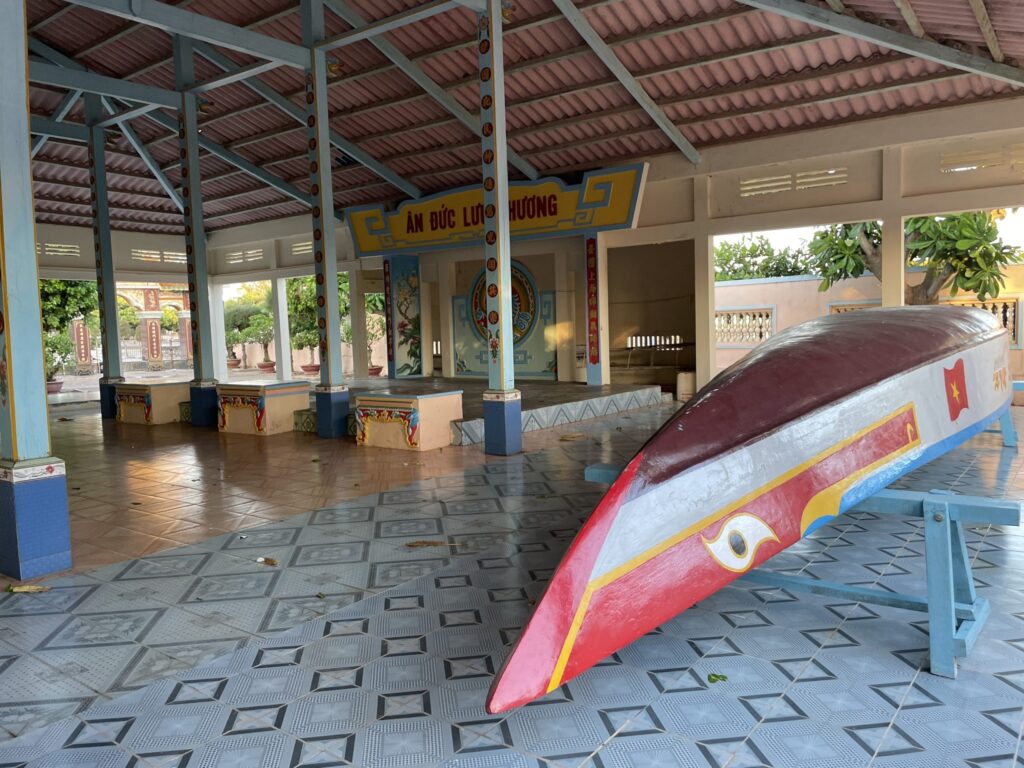
The shrine complex includes the main gate, flagpole, screen wall, ceremonial hall, and main sanctuary. Its architectural style resembles traditional Vietnamese communal houses, with a three-entrance gate, square hall with four roofs, and decorative ridge carvings of dragons, phoenixes, and floral motifs.
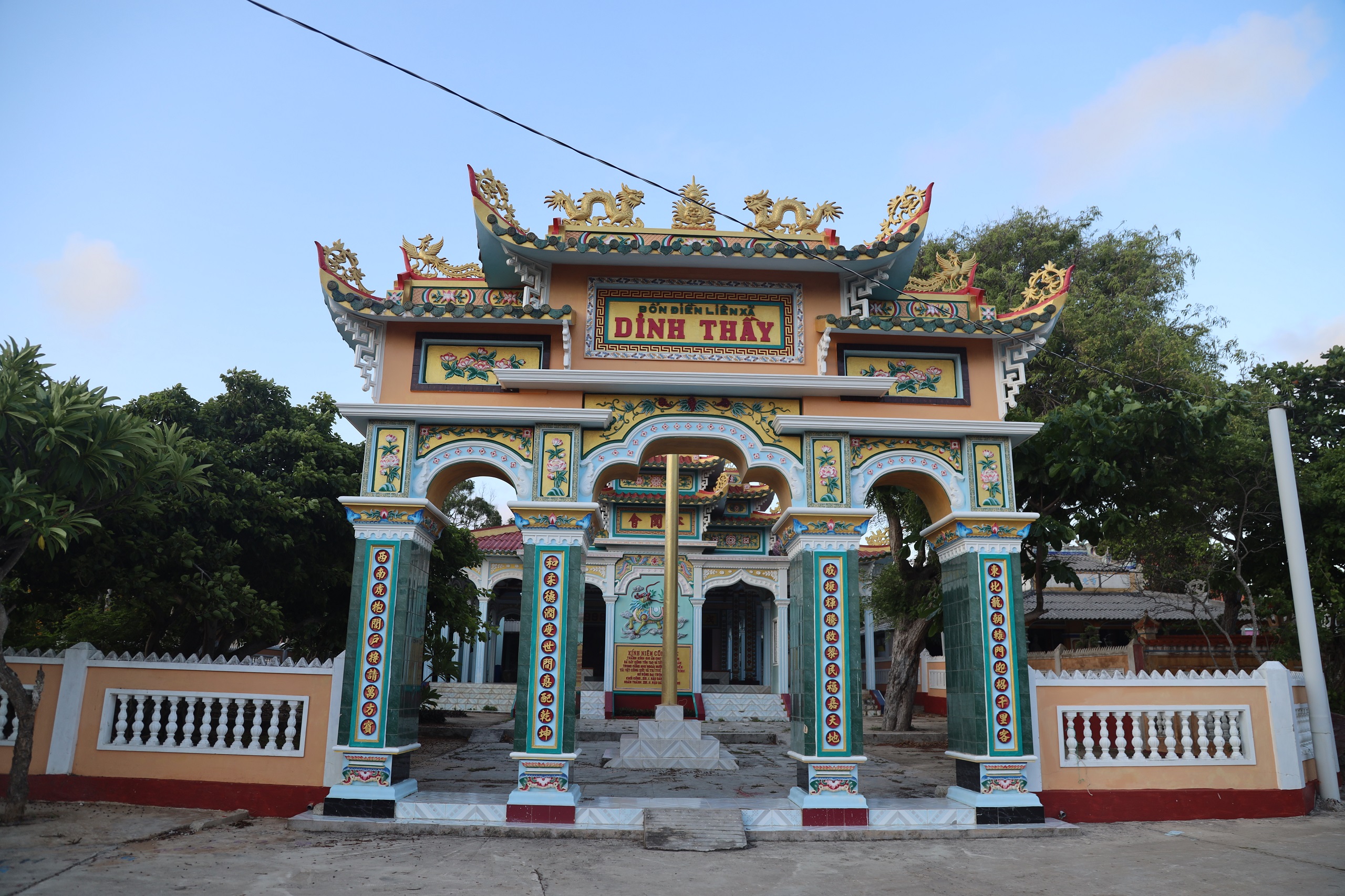
Inside the sanctuary are three altars: the central altar dedicated to Master Sài Nại—brightly gilded and bearing the Sino-Nom character “Thần” (Deity); the left altar honoring the early founders; and the right altar honoring later guardians. The altars display intricate carvings of dragons, phoenixes, animals, plum blossoms, orchids, bamboo, chrysanthemums, vines, and Sino-Nom couplets.
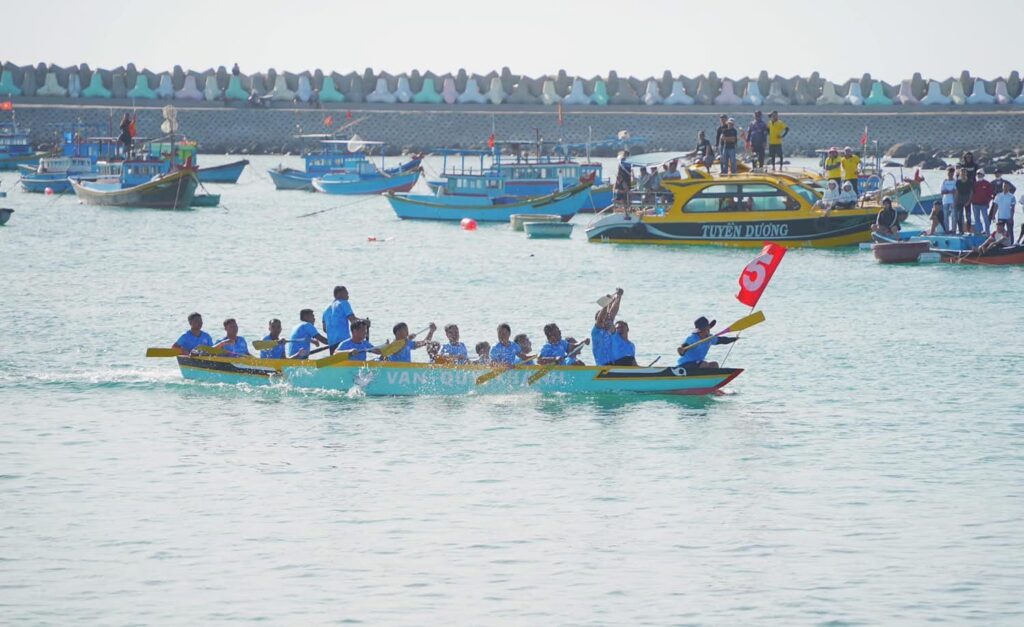
The Nguyễn Dynasty granted Master Sài Nại eight royal decrees, preserved collectively by the nine villages. Every year, on the 4th day of the 4th lunar month, villagers organize a grand procession to escort the decrees from the custodial village to the shrine for ceremonial worship. This festival follows long-standing rituals passed down through generations.
After the Giao Phiên Ceremony concludes, the outgoing village formally hands over the royal decrees—and the responsibility of worshiping both Princess Ban Tranh and Master Sài Nại—to the next village, witnessed by the ceremonial committee, elders, and representatives of all villages. This solemn rite symbolizes the respectful transfer of spiritual duty.
Offerings at the shrine typically include buffalo, pigs, chickens, incense, lanterns, rice wine, tea, and fruit. After all rituals are completed, the village newly in charge ceremoniously escorts the decrees back to its communal temple in a vibrant and celebratory procession, marking a moment of pride and honor for the community.