


The signing of the Paris Peace Accords on January 27, 1973 marked a historic turning point in Vietnam’s resistance war. While the Provisional Revolutionary Government strictly observed the terms of the agreement, the Saigon administration deliberately delayed and sabotaged its implementation—especially the obligation to release political prisoners.
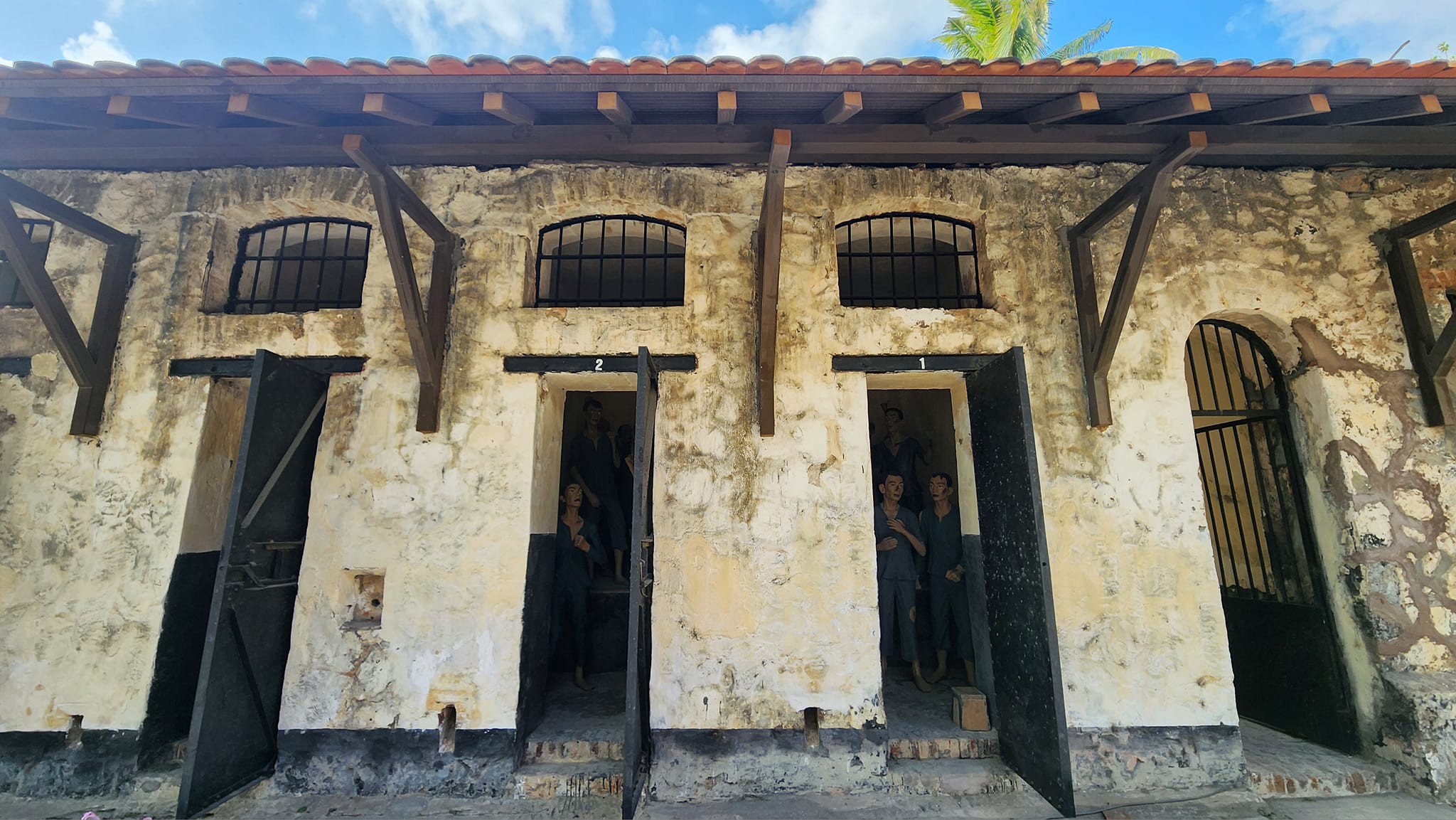
On Con Dao Island—once known as the “hell on earth”—news of the Paris Agreement, though heavily censored, still reached the prisons through secret channels. As soon as political prisoners learned of the signing, their long-suppressed determination erupted into a powerful and organized movement.
A Wave of Resistance Across the Prison System
Within days, prisoners in multiple camps unanimously submitted demands to the prison administration:
- Full release of all political prisoners to the Provisional Revolutionary Government.
- Permission to meet representatives of the Four-Party Joint Military Commission.
- Immediate enforcement of the regulations for political detainees, including adequate food, clothing, medicine, and respect for freedom of thought.
Through an internal “broadcast system” operated by underground Party units, news of diplomatic victories was delivered daily to all cells, strengthening morale and calling on soldiers and officials of the Saigon regime not to oppress detainees and to honor the Paris Agreement.
A Festive Atmosphere Amid Struggle
Tết Quý Sửu 1973 coincided with the founding anniversary of the Communist Party of Vietnam (February 3). Inside the prisons, detainees celebrated Tết openly with cultural performances, poetry, and rallies celebrating the success of the Paris Agreement. This uplifting atmosphere became a source of strength for further resistance.
After the holiday, the camps organized political classes to help prisoners fully understand the significance of the Paris Agreement and unify their determination to demand its implementation.
The Xây Dựng (Construction) bulletin—produced clandestinely inside the camps—was launched on March 10, 1973, reflecting daily life, political education, and the spirit of resistance. Although banned after ten issues, the publication became a treasured source of inspiration among detainees.
Brutal Repression and Courageous Resistance
Instead of carrying out the prisoner release, the Saigon authorities deployed a riot police battalion and special security forces to Con Dao to begin a large-scale “screening” of detainees. Their tactics included:
- Reclassifying political prisoners as criminal offenders using fabricated charges.
- Forcing detainees to take photographs and fingerprints to legalize retention.
- Storming into cells using tear gas grenades, beating and dragging prisoners into submission.
In both male and female camps, prisoners fought back with extraordinary courage—blocking cell doors, using wet cloth to counter tear gas, and resisting fingerprinting. Some even wore down their fingerprints on concrete floors to prevent identification.
Many were injured, some died, but the spirit of defiance spread across all camps, unsettling even the most brutal guards.
Concessions from the Authorities
Unable to crush the movement, the prison administration was forced to:
- Organize prisoner releases in large groups (not individually).
- Publicly announce lists of detainees to be transferred.
- Comply with certain welfare improvements: raising food allowances, improving daily rations, and allowing political prisoners to resume their basic rights.
Two major release waves followed:
- April 28 – May 24, 1973: 750 prisoners released
- June 23 – July 24, 1973: 825 prisoners released
By early 1974, the number of detainees on Con Dao had fallen from nearly 10,000 to around 5,600.
Historical Significance
The struggle of Con Dao prisoners in 1973 was not merely a demand for the rights guaranteed by the Paris Agreement—it was a profound expression of their unbreakable will, solidarity, and belief in national liberation.
This movement laid the groundwork for the historic uprising of 1974–1975, when Con Dao prisoners rose to seize control of the island and ultimately contributed to the complete abolition of the prison system—ending more than a century of colonial oppression.




)