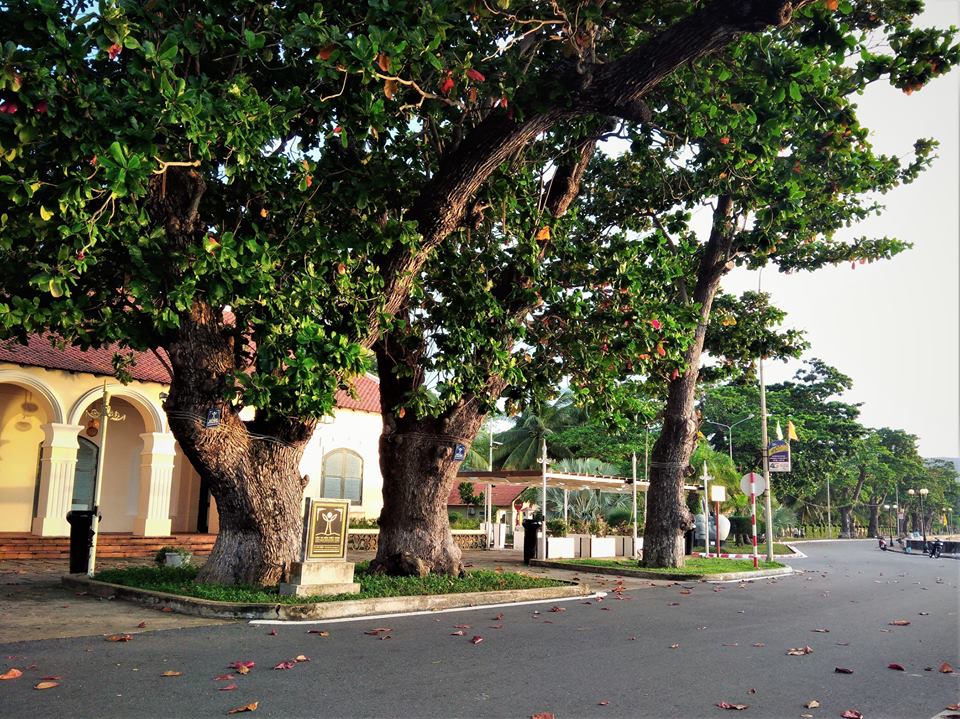
Côn Đảo is home to 79 ancient trees belonging to the species of tropical almond, crape myrtle, yellow poinciana, and persimmon, all recognized as Vietnam Heritage Trees by the Vietnam Association for Conservation of Nature and Environment. Among them, tropical almond trees (cây bàng) make up the vast majority, with 53 heritage-designated trees—becoming both a humble and sacred symbol woven into the island’s life and history for more than a century.
No one knows exactly when the bàng trees first appeared on Côn Đảo. Long-time residents recall that since the day they set foot on the island, the trees had already shaded pathways, courtyards, schools, hospitals, government buildings, and even grew in long rows stretching from the mountains down to the shoreline. As decades passed, the bàng became the island’s spirit—casting a silent, contemplative shadow along Lê Duẩn Street, Tôn Đức Thắng Street, and around the historic Phú Hải prison. Many of these trees have trunks so large it would take three or four adults to encircle them, rising tens of meters high like steadfast witnesses to time.
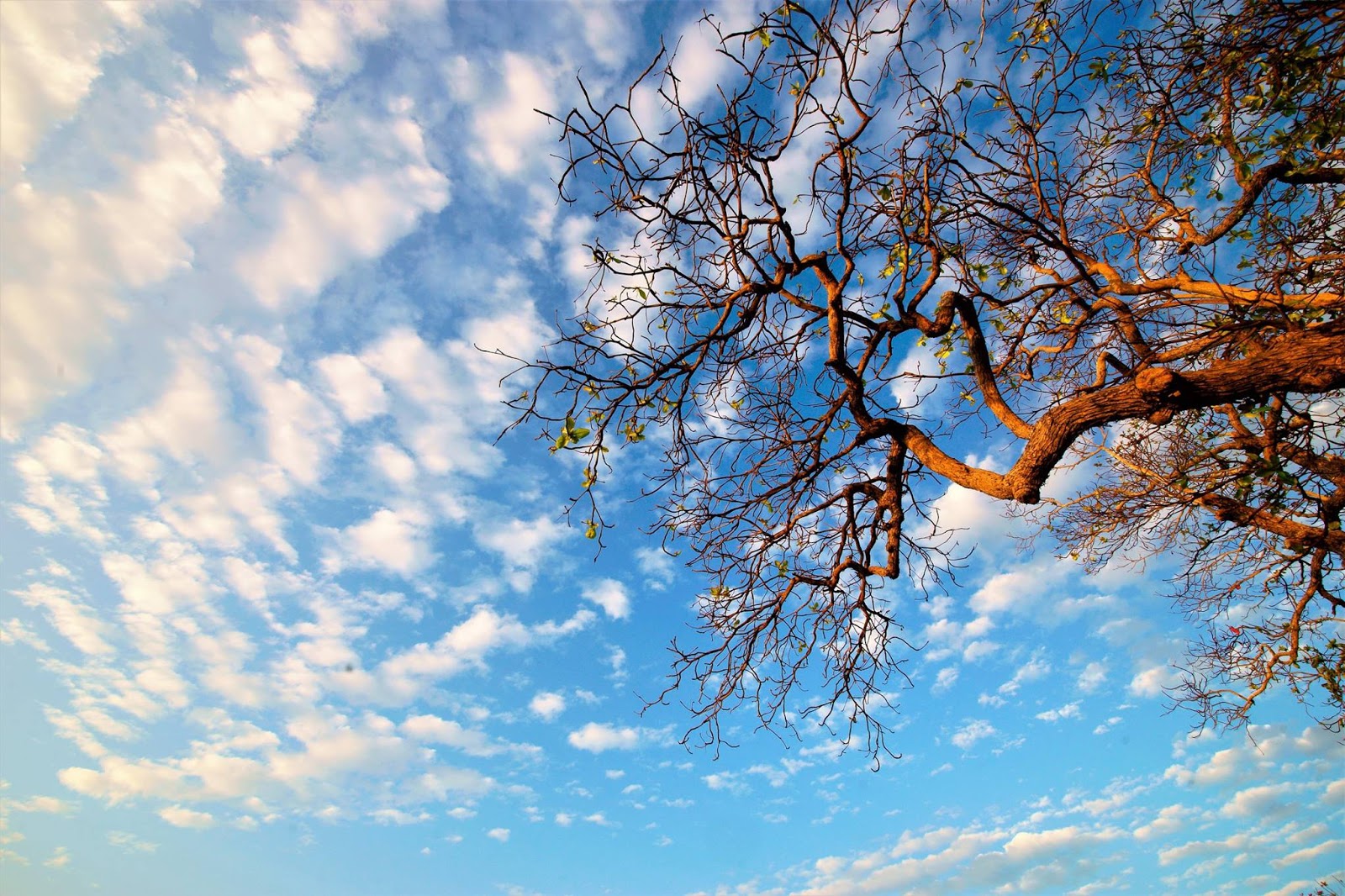
Compared to their mainland counterparts, Côn Đảo’s bàng trees have thicker and larger leaves, deeper green tones, wide-spreading bases, and rough, textured bark—likely shaped by the island’s harsh coastal winds and climate.
June–July is the peak ripening season, when golden fruits blanket the ground. Locals gather them to crack open the kernels and make mứt hạt bàng, a beloved specialty that every visitor wants to take home.
Bàng – Witness to the Island’s Darkest Years
Beyond offering shade, the bàng trees hold memories of immense suffering endured by tens of thousands of prisoners during the French and American wars. Côn Đảo residents still recount stories of how the trees helped sustain and even save lives inside the prisons.
Phan Hoàng Oanh, a former political prisoner, recalled:
“Everyone who was jailed in Côn Đảo survived on bàng leaves.”
During rare moments outside their cells, prisoners secretly picked young leaves and green fruits, hid them on their bodies, and smuggled them back inside to share with cellmates. At first, they used the leaves simply as a substitute for vegetables, but soon discovered their medicinal effects—soothing wounds, easing diarrhea, and even serving as makeshift paper for writing poems or passing secret messages.
The Bàng of Côn Đảo – Guardians Standing for Over a Century
Forty-five years after liberation, the oldest bàng trees still stand—resilient, familiar, and full of life. According to Mrs. Phan Thị Tám, Head of the Côn Đảo Historical Site Management Board, the heritage-designated bàng trees are roughly 130–150 years old, dating back to the 1860s when the French began constructing the prison complex.
These heritage trees are concentrated around former prison facilities, the residence of the island governor (Dinh Chúa Đảo), and the old streets of the town. Today, both residents and local authorities take meticulous care of them—pruning dry branches, treating pests, preventing breakage, and strictly protecting them from harm. Thanks to these efforts, the ancient bàng trees remain vibrant, contributing to the island’s solemn, contemplative landscape.
Bàng – Shade of the Present, Heritage of the Future
More than just a tree, the bàng of Côn Đảo is memory, testimony, and a living fragment of the island’s soul. Its broad canopy has sheltered generations; its weathered trunk bears stories of history; its ripe fruits bring forth a unique flavor cherished by locals and travelers alike.
Amid the peaceful rhythm of modern Côn Đảo, walking beneath these ancient canopies feels like touching the breath of time—an emotional journey into remembrance, where living heritage continues to thrive alongside the emerald island.