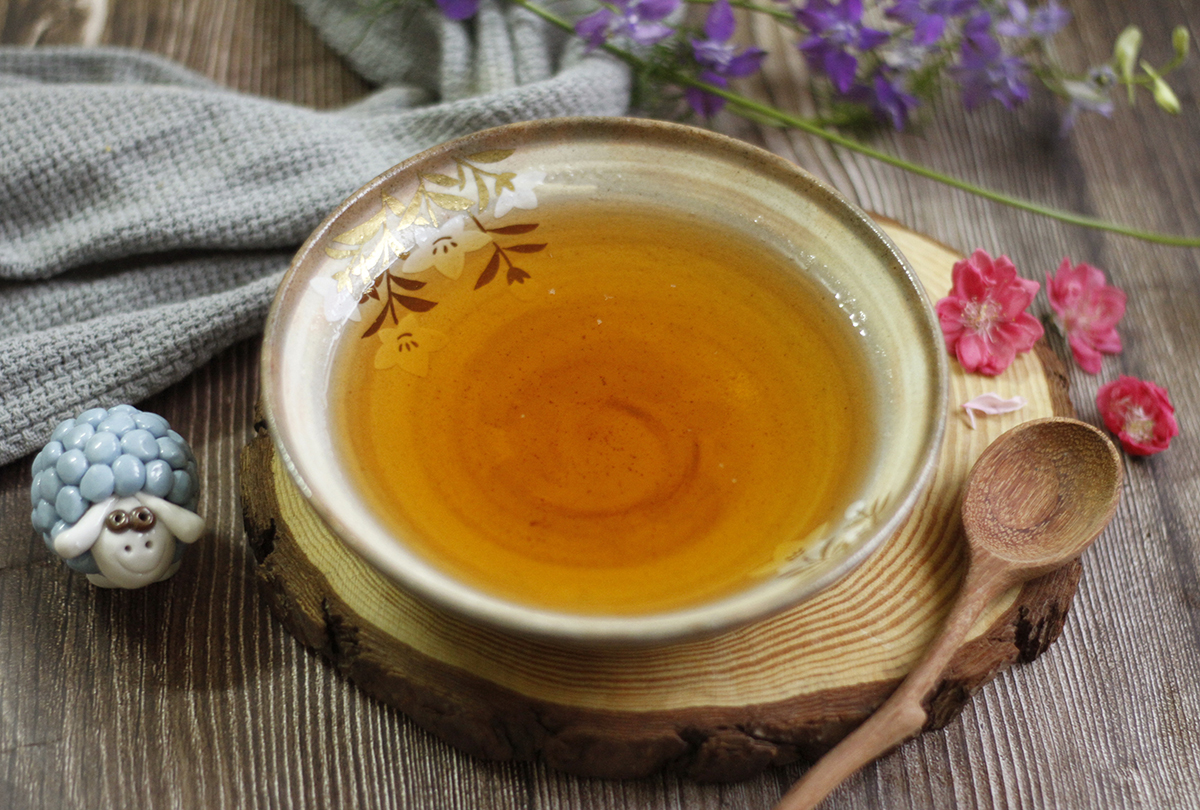
For centuries, anchovy fish sauce from Phú Quý Island was considered one of the finest coastal products, once ranked by Vietnamese kings as the top tribute item required as part of the islanders’ household tax obligations. This alone speaks volumes about its quality, especially considering that nearly every coastal region of Vietnam is famous for fish sauce—Phan Thiết, Bình Định, Phú Yên, and many more.
Fish Sauce as Tax Tribute in Early Phú Quý History
In the early period of the island’s formation, the people of Phú Quý were required to pay three types of household taxes:
- Turtle-shell scale tax,
- Anchovy fish sauce tax,
- Island-woven fabric tax.
Among these, the anchovy fish sauce tax was the most unique: each adult male had to provide one clay jar (ghè) filled with exactly one kilogram of fish sauce. The imperial court clearly recognized the distinctiveness of Phú Quý’s product and institutionalized it as part of the island’s annual tribute obligation.
Historical Records on Fish Sauce Production
The Đại Nam Nhất Thống Chí compiled by the Nguyễn Dynasty records that fish sauce production in Bình Thuận began around the late Nguyễn Lords era with roughly 50 producers, most living in Đông Quan ward. The state imposed strict quotas:
30 producers: each required to deliver one barrel of fish sauce per year
20 producers: each required to deliver two jars of mắm mòi and one jar of shrimp paste
During the Nguyễn Dynasty, these quotas increased significantly—up to eight jars per person per year, with elderly or sick individuals allowed to pay half. Besides anchovy fish sauce, people also had to provide mắm ướp, mắm mòi, and mắm cá thu.
This early taxation system shows how important fish sauce was to the imperial economy—and highlights the long-established role of the sea in shaping Bình Thuận and Phú Quý livelihoods.
Chăm Influence on the Fish Sauce Tradition
Many historical and cultural studies point to the fact that Phú Quý was originally inhabited by the Chăm people, long before Vietnamese and Chinese settlers arrived. Because of this, the island’s traditional fish sauce–making methods carry clear traces of Chăm culinary heritage.
Researchers widely believe that fish sauce originated from the Chăm. Elder producers in the South Central Coast often say their ancestors—Vietnamese migrants—learned the technique from the Chăm and later refined it.
Professor Trần Quốc Vượng once recounted a striking discovery from maritime archaeology:
Researchers found a shipwreck loaded with wooden barrels of fish sauce produced in Champa, believed to have been exported to ancient Rome (8th century BCE – 4th century CE).
This astonishing evidence suggests that fish sauce was not only ancient but once part of a major regional trade network.
A Shared Culinary Heritage
Fish sauce production and consumption represent one of the clearest points of Chăm–Vietnamese cultural interaction, especially across the central coast and on Phú Quý Island.
Vietnamese settlers who migrated south from the Red River Delta adopted many aspects of Chăm culinary practice—most notably:
- Fermentation techniques,
- Salt–fish ratios,
- Use of terracotta jars (chĩnh, ú, chượp),
- Anchovy-based recipes,
- Integration of fish sauce into everyday meals.
Over time, they refined these methods and developed what is now seen as the hallmark of Vietnamese cuisine.
Traditional Chăm Fish Sauce Techniques
Oral traditions describe the Chăm method clearly:
- Using small seawater fish such as anchovy, scad, or mackerel
- Mixing at a ratio of 3 parts fish : 1 part salt for long fermentation
- Or 4 parts fish : 1 part salt for faster consumption
- Fermenting in large terracotta jars sealed and left under the sun
For the Chăm, fish sauce was indispensable—every household, rich or poor, produced their own supply.
A Living Legacy on Phú Quý Island
The traditional anchovy fish sauce of Phú Quý is therefore not merely a condiment—it embodies centuries of migration, cultural exchange, and adaptation. From Chăm origins to Vietnamese refinement, from royal tribute to everyday staple, fish sauce on Phú Quý remains a testament to the island’s unique cultural history.