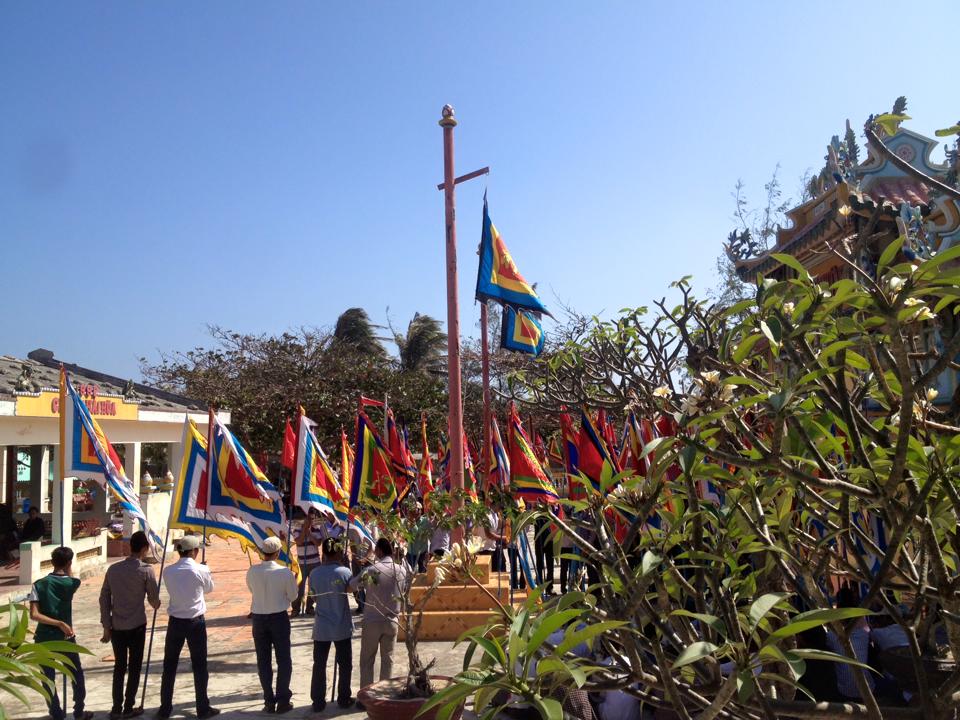
The festival system on Phu Quy Island can be divided into three main categories:
- Island-wide community festivals, such as the Princess Ban Tranh Festival, the Sai Nai Master Festival, Linh Quang Pagoda Festival, and the Whale Worship Festival of Van An Thanh.
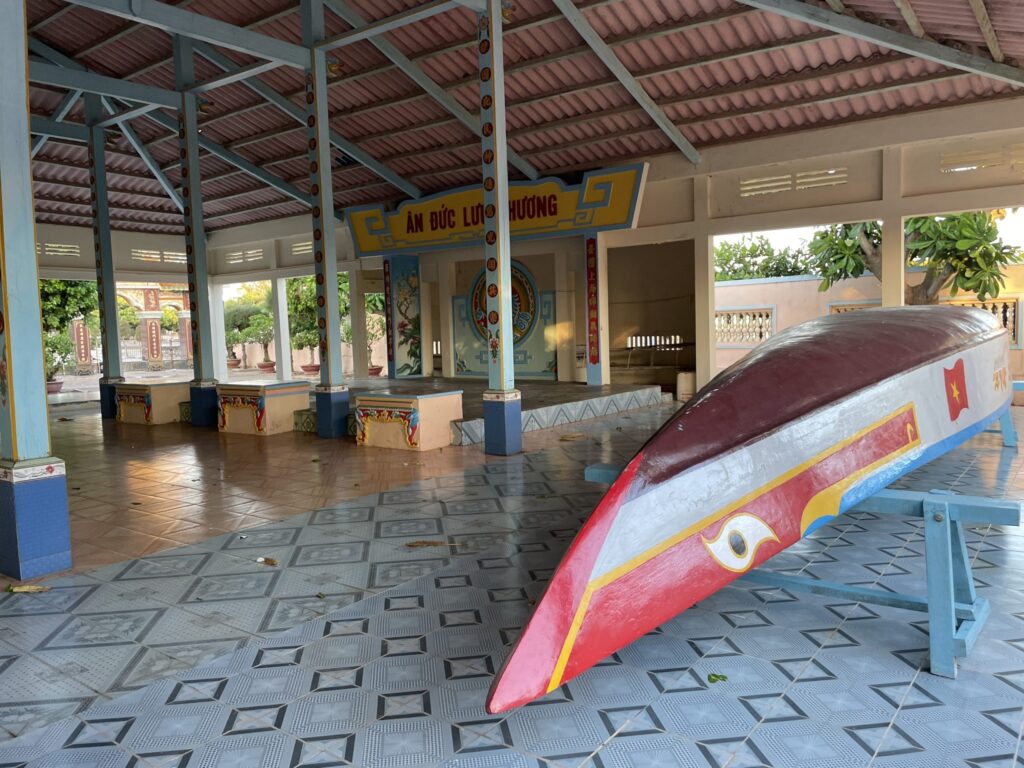
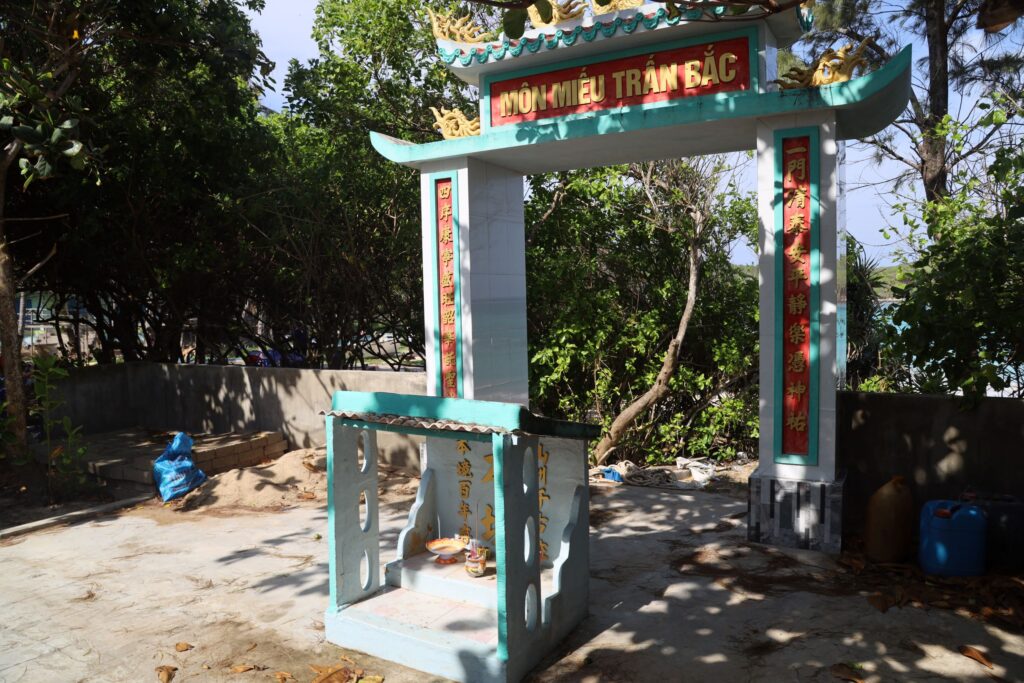
- Village-level festivals, including ceremonies at communal houses (đình), whale temples (lăng vạn), shrines, and local temples.
- Family and clan rituals, most notably ancestor worship and annual memorial rites.
Today, most festivals on the island focus heavily on the ritual aspect, with fewer recreational activities than in the past. Historically, these ceremonies included vibrant folk performances such as Tuồng (classical opera), Sắc Bùa singing, and Four Sacred Animals dance, but many of these practices have faded over time.
Therefore, researching, documenting, and reviving traditional performances—especially within temples, communal houses, and whale temples—is an urgent and important task, both to preserve the island’s cultural heritage and to create meaningful cultural experiences for visitors.
Buddhist Festivals
Buddhist ceremonies on Phu Quy are centered at Linh Quang Pagoda, one of the earliest religious establishments on the island and a spiritual center for more than two centuries. Major Buddhist celebrations include:
- Lunar New Year (Tết)
- Thanh Minh Festival
- Vesak (Lễ Phật Đản) on the 15th day of the fourth lunar month
- Ullambana (Vu Lan) on the 15th day of the seventh lunar month
- Autumn Full Moon Festival (Rằm tháng Mười)
The most distinctive Buddhist event is the Peace-Praying Festival (Lễ Cầu An / Lễ Cầu Mùa) held on the 14th–15th day of the first lunar month.
This ceremony blends Buddhist rituals with long-standing cultural traditions of the Vietnamese community living on Phu Quy Island.
Princess Ban Tranh Festival
Princess Ban Tranh, a Cham princess of the 16th century, was exiled to Phu Quy for refusing a political marriage. Together with her attendants, she cultivated the land, developed agriculture, constructed primitive irrigation systems, and founded the earliest settlements on the island.
In the hearts of Phu Quy residents, she is honored as the Island Goddess, the Guardian Spirit of the Land, and the founding mother who transformed a deserted island into a livable homeland.
Her worship is considered the shared responsibility of all island communities. Management of her temple, ancestral tablets, and ritual duties rotates annually between villages—an unusual custom seldom seen elsewhere in Vietnam.
The Princess Ban Tranh Festival takes place on the 3rd day of the first lunar month, which is also the anniversary of her passing. Because it coincides with Lunar New Year, the event attracts nearly the entire population of the island.
Sai Nai Master Festival
The Sai Nai Master Festival is held on the 4th day of the fourth lunar month.
After completing the ceremonial rotation at the Sai Nai Temple, the village that has fulfilled its ritual duty formally transfers the temple’s ancestral tablets and worship responsibilities to the next village in line.
A key ritual is the ceremonial procession of the sacred decrees (sắc phong) of both Princess Ban Tranh and Master Sai Nai, carried from the village’s communal house or whale temple to Sai Nai Temple. Elders, ritual officials, and representatives of the village oversee this solemn and meaningful transfer.
Whale Worship Festival (Lễ Cầu Ngư)
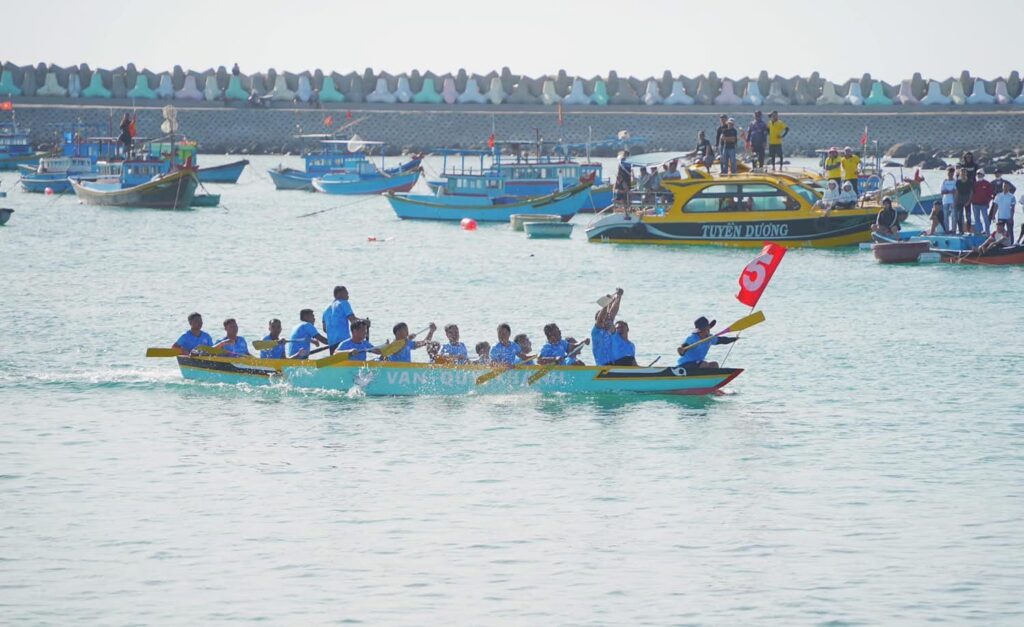
The Whale Worship Festival is held in nearly every whale temple (vạn) on Phu Quy. The largest and most revered celebration is at Van An Thanh in Trieu Duong Village, where the festival draws fishermen from across the island.
The official festival day is the 16th day of the tenth lunar month, commemorating the first whale (revered as Ông) that washed ashore—an event regarded as sacred. Van An Thanh also hosts additional ceremonies:
- Spring Offering (Tế Xuân): 1st lunar month
- Autumn Offering (Tế Thu): 8th lunar month
- Kỵ Cố (Whale Ancestral Day): 16th day of the tenth lunar month – the main festival
The most spectacular moment is the seaborne procession to invite the Whale God (Nam Hải Đại Tướng Quân).
Decorated fishing boats form a grand convoy heading offshore to symbolically greet the sea deity. After rituals at sea, the boats return in ceremonial formation, believed to be accompanied spiritually by the Whale God himself.
This festival embodies fishermen’s prayers for safe voyages, abundant harvests, and calm seas.
Cultural Significance & Tourism Potential
The Cầu Ngư Festival, along with other traditional ceremonies, offers valuable opportunities for cultural tourism. By showcasing the island’s unique spiritual heritage—its rituals, music, processions, and communal traditions—Phu Quy aims to diversify local tourism experiences and attract both domestic and international visitors.
These festivals reflect not only religious devotion but also community solidarity, island identity, and centuries-old maritime traditions—making Phu Quy a destination where culture, spirituality, and the sea become one.