

Bai Can Reef on Phu Quy Island, also known as Ran Can or the Long Be area, is a shallow coral reef located off the eastern coast of Phu Quy Island in Lam Dong Province, Vietnam. Known for its diverse marine ecosystem, colorful coral formations, seaweed beds, and tropical fish, Bai Can is also closely connected to the island’s fishing traditions and local folklore.
Situated approximately 300 meters offshore from the Phu Long coastal area, Bai Can represents a fascinating combination of natural beauty and cultural heritage, reflecting the long-standing relationship between the people of Phu Quy and the surrounding sea.
Location and Natural Features of Bai Can Reef
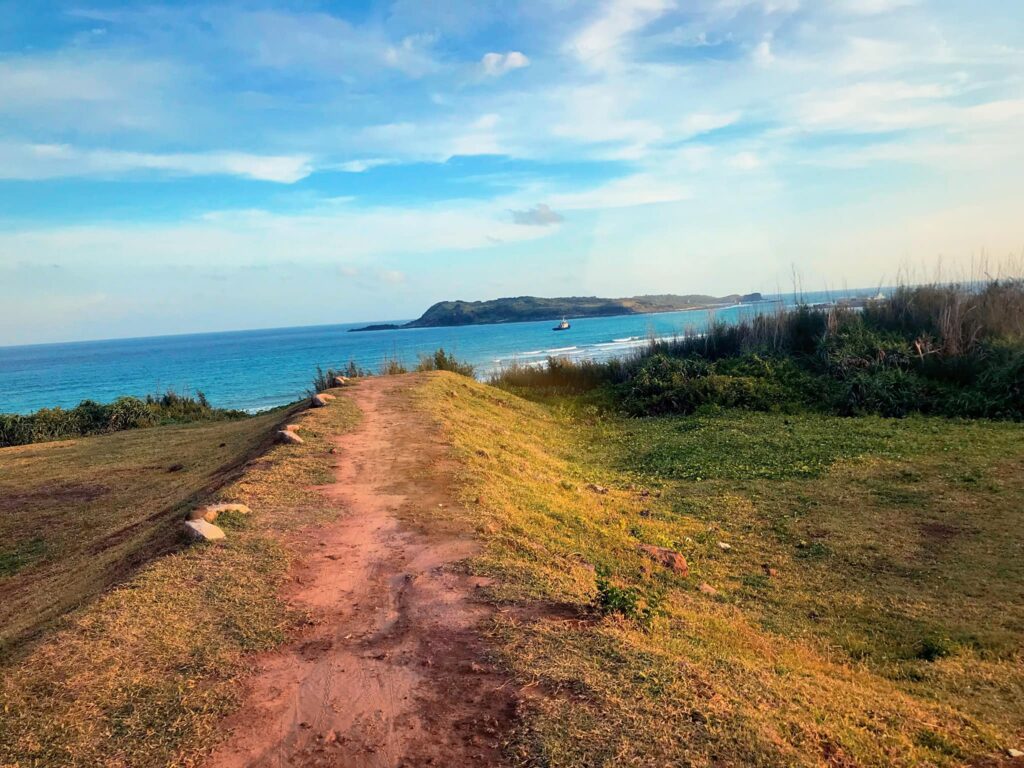
Bai Can Reef lies off the eastern coast of Phu Quy Island, within the Phu Quy Special Zone, Lam Dong Province, Vietnam.
According to local accounts, the reef covers an area of approximately one square kilometer and is located around 300 meters from the shoreline of Phu Long.
The names Bai Can and Ran Can refer to the area’s shallow marine environment, where rocky formations and coral reefs lie beneath the water’s surface. The site is also locally known as Long Be, a name associated with the island’s coastal communities.
The marine ecosystem of Bai Can includes several types of coral, such as hard corals, table corals, and cabbage-shaped corals. These formations are interspersed with green seaweed beds and provide habitats for various species of small, colorful fish.
Under favorable sea conditions, the combination of coral formations, underwater vegetation, and marine life creates a vibrant underwater landscape. This natural environment is an important part of Phu Quy Island’s coastal biodiversity and deserves careful protection as tourism develops.
Bai Can Reef in Phu Quy’s Maritime Folklore
Beyond its natural beauty, Bai Can Reef holds a place in the oral traditions and maritime memories of Phu Quy’s residents.
The reef is mentioned in a traditional Vietnamese folk verse known as vè, a form of rhythmic storytelling commonly used to recount local events, everyday life, and community experiences.
One traditional verse tells the story of a vessel running aground near Bai Can, attracting the attention of residents from different neighborhoods across the island.
The passage is preserved in Vietnamese as follows:
Doi Thầy lề mũi thon don
Tàu đem vô đó mà lòn gió trong
Nội hòn lớn nhỏ mừng lòng
Ông già con nít xóm trong xóm ngoài
Hòn ta có chiếc tàu mài
Đi coi cho rõ không ai có tường
Nội hòn nhiều kẻ đều thương
Ít khi tàu khói vô chương nằm dài
Xem trong xét lại bên ngoài
Không có đám hát làng ai cho bằng.
According to the explanation accompanying the local account, the verse describes an unusual maritime incident in which a vessel became stranded in shallow waters. The event reportedly drew a large crowd, including children, elderly residents, and families from across the island.
The lively gathering was compared to the excitement of a village performance, illustrating how an unexpected event at sea could become a memorable occasion for an island community.
These traditional verses offer insights into Phu Quy’s maritime culture. They preserve local place names, expressions, and stories from a time when fishing boats, sailing vessels, and maritime activities played a central role in everyday life.
For the people of Phu Quy, oral traditions such as vè are more than entertainment. They form part of the island’s intangible cultural heritage, helping pass community memories from one generation to the next.
Marine Biodiversity and Sustainable Tourism Potential
With its coral formations, seaweed beds, and diverse marine organisms, Bai Can Reef is an ecologically valuable coastal area of Phu Quy Island.
Coral reefs play an essential role in marine ecosystems by providing shelter, feeding grounds, and breeding habitats for numerous species. The presence of corals, seaweed, and reef fish also contributes to the area’s underwater scenery.
However, visiting or exploring Bai Can Reef requires careful consideration of weather conditions, tides, boat traffic, and local regulations.
Travelers should not attempt to swim to the reef without reliable information about currents, water depth, and safety conditions. Any marine observation activities should be conducted responsibly and, where appropriate, with knowledgeable local guidance.
Visitors are encouraged to avoid stepping on coral, collecting marine organisms, damaging reef structures, or leaving waste in the sea. Protecting these fragile habitats is essential to preserving the natural beauty and ecological health of Phu Quy’s coastal waters.
Bai Can Reef and the Unique Character of Phu Quy Island
Exploring the lesser-known coastal landmarks of Phu Quy offers travelers a deeper understanding of the island beyond its popular sightseeing destinations.
While attractions such as Hon Tranh Island, Bai Nho Beach and Ganh Hang, Mui Doi, and Phu Quy Lighthouse are widely associated with the island’s scenic beauty, Bai Can Reef reveals another dimension of its identity.
The reef is not only a natural marine environment but also a place remembered through local folklore, reflecting the close connection between Phu Quy’s communities and the sea.
Learning about places such as Bai Can helps enrich the travel experience while highlighting the importance of conserving marine ecosystems and preserving the island’s cultural traditions.
Bai Can Reef is a meaningful part of Phu Quy’s natural and maritime heritage, where coral reefs, coastal landscapes, and generations of local stories come together to tell the history of island life.